
We Cannot Deep Breathe Our Way Out of a Broken System
External social stressors are often internalized as individual problems with individual solutions.

The very nature of drop-in, single-session counselling is that we never know what we might hear from people when they walk in. But after counselling with Right Here, Right Now for nearly three years, I’ve learned that most people coming to us for support are having similar experiences and are confronting the same issues. Gender-based violence. Intimate partner violence. Housing insecurity. Trauma. Systemic barriers. Under these conditions, they are struggling to meet their basic needs.
I am endlessly grateful for the privilege of sitting with people as they share some of their deepest secrets, biggest fears, and most challenging experiences. But more and more these days, I’m reminded that we cannot therapize our way out of a housing crisis, a health care crisis, an economic recession, or a patriarchal system that normalizes and excuses violence and discrimination. And we certainly can’t do it when we’re short-staffed, underfunded, and swimming upstream against systems that are failing the people who need them the most.
I am one person, and we are one organization, offering what we know is a good service with limited resources. Our work is grounded in the knowledge that people are smart and capable, that they’re able to overcome great challenges. Often the things folks need the most from their mental health supports are compassion, validation, and connection with people who care. Folks come to us because they’re scared, anxious, or sad, and they’re hoping we can help them sort through it all. They tell us that they just want to feel a bit better when they leave than they did when they came in. Often they do. However, it’s never because whatever was going on before they came in for counselling has magically disappeared in the hour we’ve spent together. It’s because we listen to them with empathy, and without judgment, and they depart feeling a little more empowered and a little less alone.
We say that our counselling is for anyone; just because it’s free doesn’t mean it’s reserved for any one “type” of person. As a result, we see all kinds of folks with all kinds of stories. The people who use our services come from all walks of life and it may appear they have nothing in common. They might be a nurse, or a sex worker, or a stay-at-home parent, or a counsellor themselves. They might have grown up around the bay, or in another country. Maybe they have worked their way into their dream job, or dropped out of school, or are currently unemployed. They might be struggling with their mental health, their physical health, their finances, their relationships, or all of the above.
Will you stand with us?
Your support is essential to making journalism like this possible.
Shared Social Stressors
What connects the people who drop in to see us is that they all live in the same world. It’s the same world that tells us that what is going on in our lives is within our control; whatever it is, we can self-care and self-improve our way out of it, if we just try hard enough. When people find themselves in violent or toxic relationships, they come in asking how they can communicate better. When people are working two or more jobs to be able to afford the ever-rising cost of living, they tell us they’re struggling with anxiety and need better coping skills. Problems that stem from capitalism, the patriarchy, white supremacy, ableism, stigma, discrimination, and other kinds of systemic issues are internalized as individual problems with individual solutions. They are seen as personal failings or character flaws, and not as reasonable reactions to external stressors.
As feminist counsellors, we have the privilege of bringing the world into the counselling room. We get to talk about the bigger picture, and assure folks that the things they are experiencing are not unique to them. We tell them that other people are struggling with these things, too. We tell them that they are not alone or at fault. We offer some perspective, and normalize their challenges as an inescapable part of being a human living in a less-than-perfect world. In doing this, we can lift some of the shame and self-blame. We can alleviate the feeling that there’s just something “wrong” with them if they’re struggling. We get to help them break problems down into smaller, more manageable ones, allow them to focus on one thing at a time, and identify the things that are in their control. Our sessions are designed to give folks something to take away – a tiny next step that helps them move forward. We get to reflect back to people the strengths that they already have, help them remember times that they’ve overcome challenges and somehow survived despite all odds, and remind them that they are experts of their own lives.
Right Here, Right Now
We see around 50 people a month in our drop-in program, some new and some who have been here before. We’re currently operating with two full-time counsellors and one student, with another counsellor supporting our community off-site with our community partners. We’re a small shop with a good program and data that speaks for itself: people like what we do. They come back again if they need us. They don’t have to wait long, or give us a ton of information, and our counselling feels safe, supportive, and useful. Some people come to us because they can’t access services elsewhere. Our feminist approach to mental health care means we offer counselling and a whole lot more. We do all this with a very small budget and a lot of creativity. We often dream about what we could do if we were well and securely funded, with a full team of counsellors and support staff to connect–one human to another–and wade through the mess together.
We know that counselling can only do so much; it can’t fix broken systems and it can’t remove barriers, but it’s still critical work. We cannot undervalue the importance of a safe connection with another person who cares. The recurring themes that come up in the experiences people share is that folks aren’t just struggling because of some undetermined chemical imbalance or a genetic predisposition to anxiety. We’re all affected by the state of the world, and it is taking a toll on our mental health. We need supports that acknowledges the ways systemic failings impact us on an individual level. We all need mental health practitioners who understand trauma and gender-based violence, and who call those things out instead of just focusing on making individual changes to behaviour.
We cannot deep-breathe our way out of a housing crisis, or mindfully walk into safety from violence. We can offer folks a place to go, we can acknowledge that their struggles aren’t their fault, and we can support them while they live the best they can in the face of such challenges and uncertainties. Counselling is one important piece of the bigger puzzle of caring for our communities. Therapy can be life-changing. It can equip us with skills we didn’t have before, give us new perspectives, grow our self-awareness, prompt us to change old patterns, set our boundaries, see our own value, and learn how to demand better for ourselves. Therapy is important, valuable work. Our communities would benefit endlessly from more services like ours that are easier to access. Still, it is not the magic fix for all the ways our society is failing people.
The St. John’s Status of Women Council recently published a report sharing their learnings after five years of their Right Here, Right Now counselling program. You can read the report here.
Alyssa Walsh (she/they)
Clinical Team Lead
St. John’s Women’s Centre

Author

Related Articles

The realities of conflation
How mislabeling sex work harms vulnerable communities
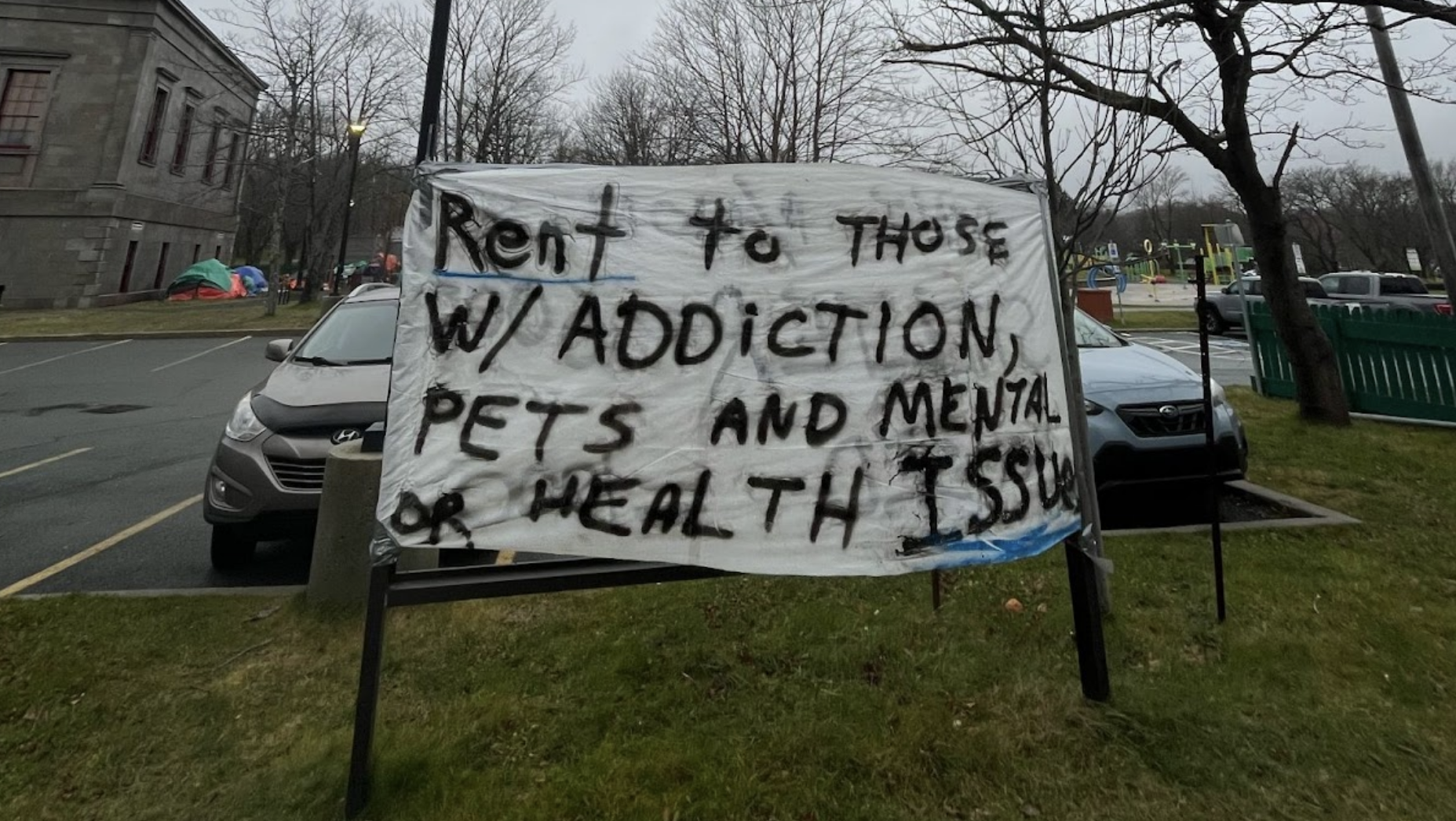
Sobriety is Not Superior
Challenging oppression requires us to check our own biases

We’re Sex Workers and We’re Proud
Though we’re in one of the world’s oldest professions, sex work is still highly stigmatized. But we are proud of what we do.