
Green Queens: amplifying Black women’s voices in sustainability
In her Netflix special, Wanda Sykes humorously quips, ‘We’re Black, but we’re also green!’ to normalize a lighthearted portrayal of Blackness, referring to campaigns promoting everyday activities among Black people, such as recycling. Wanda’s double entendre about being Black and green speaks to her comedic skills and to the tremendous amount of contributions Black women have made and continue to make in the realm of ecology, justice, and sustainability.
On International Women’s Day 2024, we should begin exploring Black women’s perspectives in critically evaluating sustainable practices through a socio-ecological lens. This involves examining how pollution, greed, and exploitation shape prevailing success models, and how prioritizing sustainability, equity, and fairness can help achieve climate targets, create equitable jobs with comprehensive benefits, and foster growth in scalable, sustainable industries.
Being Black, but also green, is something that Pulitzer Prize winner Alice Walker and Melanie Harris coined a long time ago: Ecowomanism. Ecowomanism highlights the embodiment of the relationship between Black women and Mother Earth, and relates environmental damage done to Earth, to the damage, disruption, and power exerted over Black women’s bodies over time. The biggest link between Mother Earth and Black women is the mistreatment and systemic oppression of our natural being, resources, and livelihoods.
Ecowomanism delves into the global history of labour-based production, drawing parallels between Mother Earth and Black women. Similarly to Earth, historically, Black women have been exploited for hard labor, used involuntarily to nourish white children, and face pressure to alter their natural appearance. Today, our world exploits basic needs such as food, water, and shelter, perpetuating an imbalance of power between those who possess them and those who do not.
Addressing social, environmental, and economic problems have often been left out of the hands of Black women, though many of us have experience with reconciling with risk, uncertainty, and harm in innovative ways that could help amend policies and future business practices for socio-ecologically responsible industries.
Kassandra Drodge
St. John’s

Author

Related Articles

Our award nominations are thanks to YOU
The Indy is up for six regional and national awards.
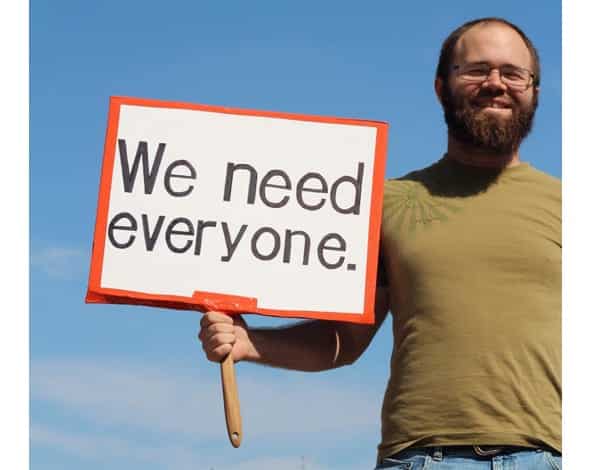
The Climate Crisis Demands Power in Numbers
The state of the world isn’t a hopeless case, but it’s up to us to make it a hopeful place

Memorial University’s Complaint Processes Rife with Issues
Policies must embrace principles of justice