
The case for a Youth Climate Corps
If the federal Liberals are looking to excite young voters with a bold new idea, look no further

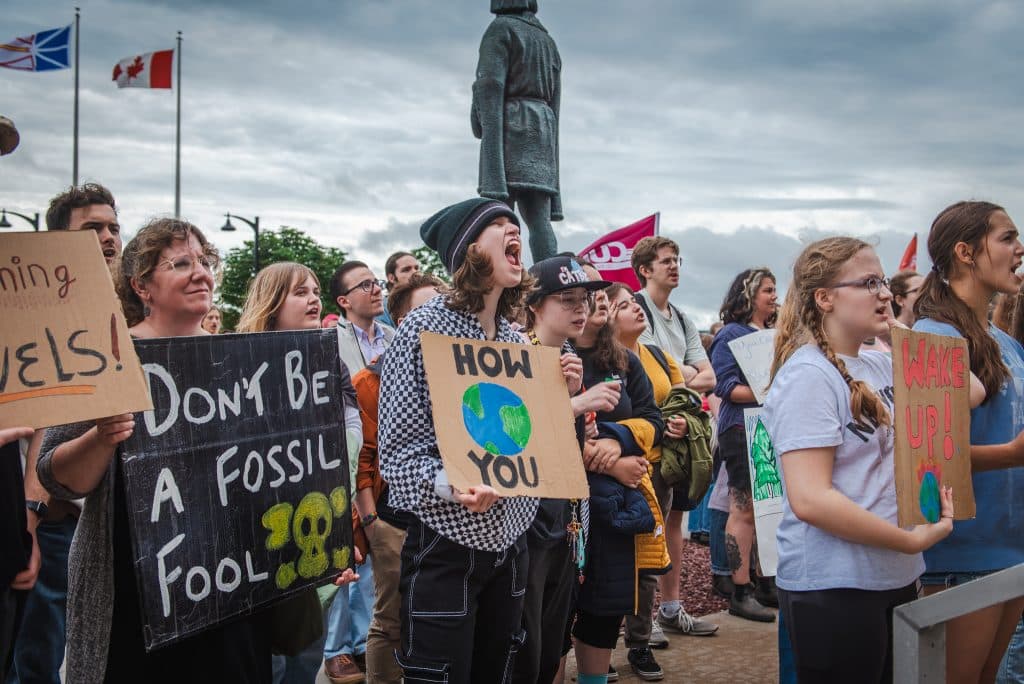
With the Liberal cabinet retreat underway in Halifax, young people are suffering from climate grief, witnessing escalating ecological and humanitarian horrors, grappling with spikes in the cost of living, and searching often in vain for meaningful, dignified, values-aligned work. Many of us have to leave our communities all together, or engage in rotational or precarious work to survive. Young people in Atlantic Canada face an impossible choice: abandon your community, your values, or your financial sustainability.
Meanwhile, the communities we know and love need us more than ever. The climate crisis is here and it is as visible as the daylight. In 2022, we lived through the strongest post tropical storm on record in so-called Canada with Hurricane Fiona.
But momentum is building among young people fighting for a solution to both climate dread and the lack of dignified, gainful, meaningful work — a campaign for Good Green Jobs for All. We are calling on the federal government to create a Youth Climate Corps, a publicly-funded national job training program providing anyone 35 and under with (ideally unionized) work to help their communities in confronting the climate crisis.
A Youth Climate Corps would offer meaningful work placements of two years with thriving wages in critical areas like conservation and ecosystem restoration, community resilience and emergency response, strengthening local food systems, building retrofits, community-led renewable energy projects, and assisting local and Indigenous communities in developing and pursuing climate adaptation, mitigation, and emergency plans.
Will you stand with us?
Your support is essential to making journalism like this possible.
Hurricane Fiona caused widespread devastation, including seven direct and 22 indirect deaths, along with record-breaking (approximately $5.3 billion) damage throughout Atlantic Canada, the Caribbean, and Bermuda and brought on days-long power outages. In Channel-Port aux Basques, a 73-year-old woman was swept out to sea. In Nova Scotia, man went missing from his home. In Prince Edward Island, another man was reported dead.
Government often relies on the military to respond to extreme weather events brought on by climate change and the burning of fossil fuels, but a Youth Climate Corps could offer a more suitable alternative. Even former national security advisor Richard Fadden warns of government over-reliance on the military during domestic emergencies, urging leaders to consider creating other tools to respond. Dedicated to working on climate change mitigation, adaptation, and resilience, a Youth Climate Corps could offer a steady, proactive, diverse workforce capable of responding quickly and offering long-term, broad assistance to communities in navigating shifting climate crises.
The youth unemployment rate (currently running at 14.2 per cent among 15-24-year-olds) continues to rise, hitting its highest point since 2014 apart from the pandemic period of 2020-21. Overall unemployment rates remain disproportionately high in Atlantic Canada, with all four provinces coming in above the national average of 6.3 per cent. This is not because young people do not want to work. Many Canadian youth say they support and would sign up for a Youth Climate Corps.
We envision and demand a Youth Climate Corps that prioritizes equity-deserving groups and centres Indigenous knowledge and sovereignty. Research shows that emergency preparedness and disaster response tends to disproportionately fail people with disabilities, Indigenous communities, unhoused community members, low income people, racialized people, (im)migrants, queer and trans people, and other marginalized groups. A Youth Climate Corps could help increase diverse perspectives, training, and lived experiences in conversations about emergency preparedness and response, and other areas of climate mitigation, adaptation and resilience. Participants could work in service of climate projects led by Indigenous nations and stewards like the Nova Scotia-based Eskasoni Fish and Wildlife Commission and the Innu Nation’s Fisheries Guardian program in Labrador.
Young people are ready to rise to meet the civilizational threat we face. We’re waiting for the federal government to pick up the phone and heed our call. We deserve work that pays dignified wages, offers training and upskilling, and union representation. We deserve work that does not discriminate against us, work that offers us a meaningful chance to collectively confront the uncertain future ahead. Work that allows us to remain in and serve the communities we love. Work that will allow us to heal, and to be part of a broader, transformative process of collective healing for all beings, the lands, waters, and skies that sustain us.
We are asking the government to invest in us so we can contribute to life-saving work in our communities. We want a government that will invite us to join the fight.
Help make sure that Good Green Jobs for All are on cabinet ministers’ minds during their cabinet retreat. Send an email asking the federal government to commit a $1 billion investment in the first year of creating a Youth Climate Corps.
To learn more about the campaign and other ways to get involved, visit goodgreenjobsforall.ca.

Author

Related Articles
May Day Rally Shows New Face of Today’s Labour Movement
Turnout for May 1 march and rally in St. John’s one of the biggest yet in this province

Recimply the Best: Pitch and Pick Competition Winner Aims to Reduce Paper Waste
Recimply won big at Genesis’ annual Pitch and Pick competition last week. The startup is solving the problem of non-recyclable paper receipts.

Coming Home Queer for the Very First Time
For three days in July, queer Newfoundlanders and Labradorians from all over the world celebrated a rural homecoming 30 years in the making.

The lure of anticipatory compliance in the face of a Poilievre Conservative government
What does it mean to vote strategically?
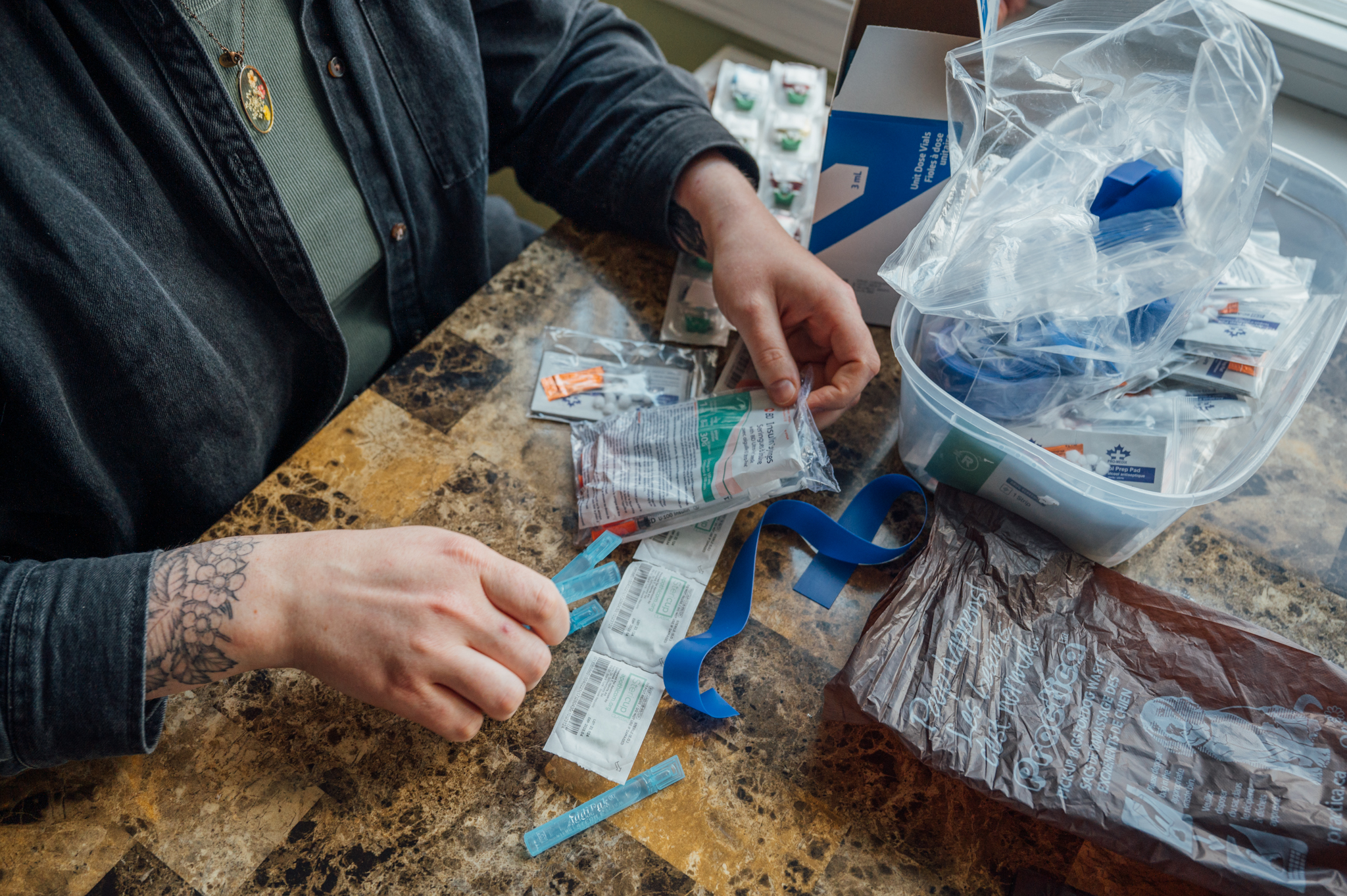
A case for supervised consumption sites in N.L.
Harm reduction for people who use drugs has saved lives elsewhere; why aren’t we moving in the same direction?