
St. John’s city council makes headway on housing projects
Cluster development at former I.J. Samson school, heritage grants, and overnight construction among items voted on at Oct. 15 meeting
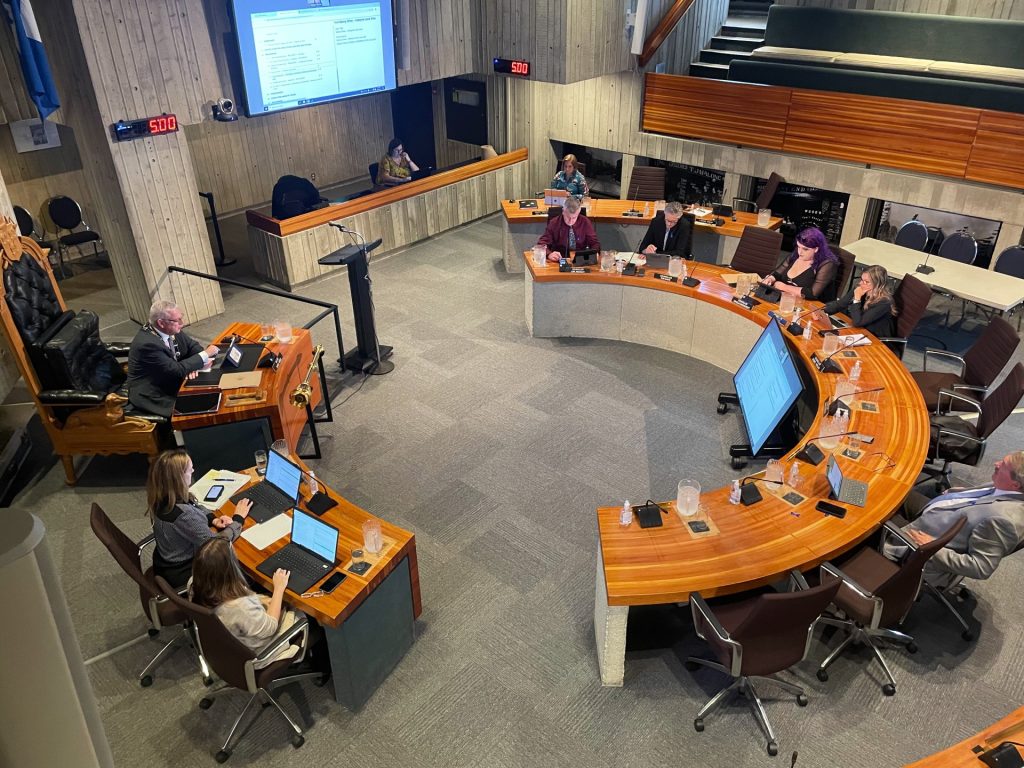
St. John’s council had a shorter-than-normal meeting this week, partly because some of the more contentious items had already been discussed at length in recent Committee of the Whole (COTW) meetings.
Following a pair of proclamations naming Oct. 17 International Credit Union Day and marking October as National Child Abuse Prevention Month, the council got into a quartet of development applications.
It gave the go-ahead for a small (seven-kid) childcare centre on Main Road in the Goulds and allowed a secondary unit to be added to a home on the same road. It also shot down a Crown Land grant on Fowler’s Road to allow a slipway and wharf for an airplane hangar. The application was referred to the City by the provincial Department of Fisheries, Forestry, and Agriculture but since there is no access or frontage on a public street and the land is in a forestry zone, a slipway and wharf are not permitted or discretionary uses.
New lounge on Torbay Road
Will you stand with us?
Your support is essential to making journalism like this possible.
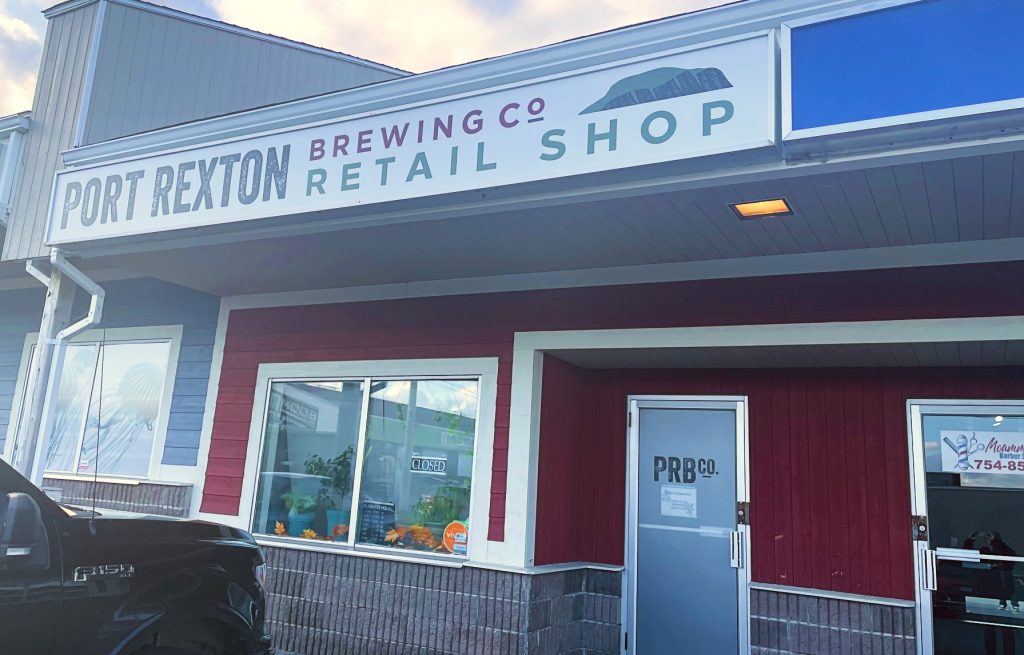
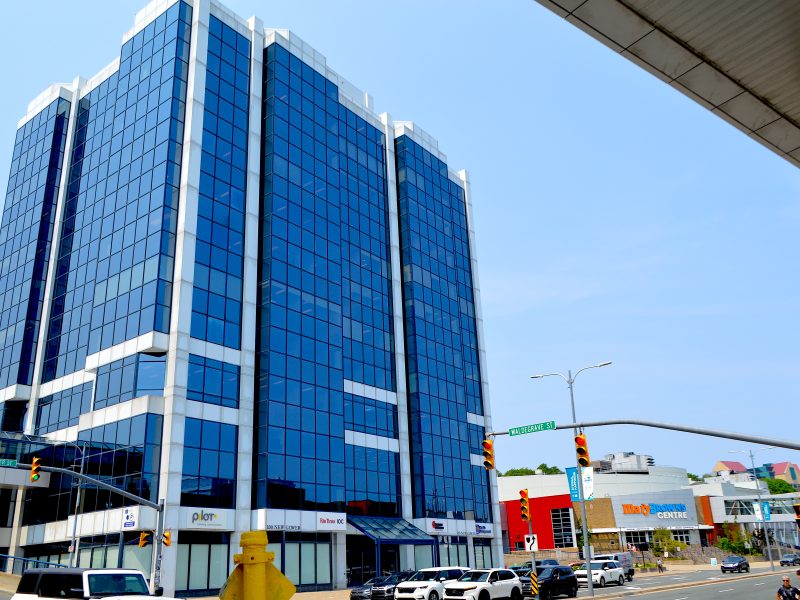
The other development application should be welcomed news by fans of the Port Rexton Brewing Company, who soon may not have to travel as far to enjoy their libations in a bar setting. Council approved a discretionary use application by the popular brewery to add a lounge to its existing retail space at Coakers Meadow Plaza in the east end. Only one submission was received related to the lounge, which was in favour of expanding the business.
Overnight construction gets nod
While overnight construction is generally frowned upon in the City of St. John’s, council voted to allow it in the area of University Avenue between Paton Street and Prince Philip Drive. Construction on the storm and sewer lines in the area has been underway for months, and the contractor asked the council to allow intermittent overnight work from 11 p.m. to 7 a.m., which would include water shut-offs to facilitate work on the water main and its associated infrastructure.
Coun. Sandy Hickman, who presented the application for an exemption to the noise bylaw between Oct. 11-31, said while the work won’t be going on every night, it will be happening intermittently. Hickman said public notification of the work will be posted to the City’s website prior to the work moving forward.
Coun. Carl Ridgeley, who said he supported the application, asked if there was any negative feedback about the work; Deputy City Manager Jason Sinyard said he was not aware of any complaints that had come in from the public about the work. Coun. Tom Davis also chimed in, saying he was happy to see the work progressing, pointing out that the Allendale Road bridge work is now finished, and the shared-use path on Elizabeth Avenue is done as far as Paton Street.
Brewskies hoping to expand
Council then got into recommendations from recent committee of the whole meetings, starting with the proposed expansion of Brewskies Pub on the corner of Main Road and Petty Harbour Road in the Goulds. The applicant is proposing to extend the building to add a kitchen and restaurant area, reconfigure the parking lot, and construct an accessory building.
The expansion requires the rezoning of land in the area from a residential zone to a commercial one, and redesignating the area from a residential and urban expansion district to a commercial district. There wasn’t much discussion about the application, either in the committee or regular council meeting, other than to confirm it won’t interfere with plans to build a new fire station on adjacent land.
Council voted to consider the rezoning, and the application will now require a site plan to be submitted to the City. If the site plan is satisfactory, people who live near the property will be notified, and since the district change would require a municipal plan amendment, a public meeting would also be required.
Heritage Financial Incentives Program
Next on the agenda was the approval of 23 applications to the Heritage Financial Incentives Program, which was created by the City in 2016.
“I think if we made a graph depicting the applications over time, each year we see more than the year before, pretty much, for our heritage applications,” said Coun. Maggie Burton when presenting the motion in the Oct. 8 committee of the whole meeting. “So there is a great deal of interest in the public for these grants, and the only feedback I ever get from people about them is that they could be bigger, but that they’re really grateful that it exists. So I think it’s a very well-loved program in the city.”
In that meeting, Burton said the theme this year seems to be maximizing the number of overall grants given out, instead of maximizing the amount per grant. The city received 25 applications in total for the two different grants available—heritage maintenance grants and heritage conservation grants—which was up from 19 last year. The total budget for the program is $60,000, with $10,000 of it allotted specifically to maintenance.
She noted that this year, the amount of application requests exceeded the budget and to stay within budget the total amount given to each one was lowered slightly, and incomplete and second-time applicants were removed.
Burton said she appreciated how staff worked on the applications to make sure that the largest number of people could benefit, and also noted the only application from a designated heritage building was for some work that needed to be done on the LSPU Hall.
Council voted to approve all 23 applications that were before them.
Proposed apartment building casting a shadow over building stepbacks
An application to build a 10-storey apartment building at the site of the former MAX Athletics building on New Cove Road was also before council, specifically a request to change the building stepbacks. According to the city development regulations, “all buildings on a lot which is in or abuts a Residential Zone and being 12 metres or greater in building height shall not project above a 45-degree angle as measured from the rear yard lot line and/or side yard lot line at a height of 12 metres.”
The developer, KMK Capital Inc., is asking the City to waive the stepback requirements for the proposed building, saying in its application the rationale is based on what they believe to be a negligible impact on neighbouring properties as well as potentially losing between 12-16 units and increased construction costs that would come with a stepback.

Building stepbacks are intended to help taller buildings blend in with their neighbourhoods and to help mitigate impacts such as wind, privacy, and shadows being cast over neighbouring properties. KMK submitted a shadow study with the application, which shows only minor differences between the building with a stepback and without a stepback.
In the note, staff recommended the stepback be upheld, but said it is understood there are economic challenges facing developments, that there is a need to balance both, and that more applications for taller buildings will come forward in the future. Staff noted that if council does consider the proposed building without a stepback, an amendment to the development regulations is required, and it could be made discretionary and folded into a Land Use Report.
When it was discussed in the committee of the whole meeting, Coun. Ron Ellsworth said the application is a reflection that one size doesn’t fit all and he favours making stepbacks discretionary.
Other councillors made similar comments in that meeting, agreeing that a stepback requirement could be made part of a Land Use Report.
In the council meeting, Coun. Sandy Hickman said he would be in favour of removing the stepback requirement for this project, but also supports having staff carry out public consultation for an amendment to the development regulations as part of the public consultation for the proposed rezoning.
“This is a low-rise city,” he said. “A 12-storey building, an eight-storey building, is a low-rise building in most cities in Canada, they wouldn’t even think twice about it. But here we’re in a special place. Downtown is special, the hills and harbour, etc. But uptown, to me, whether it’s eight or 18, the only difference it would make would be some blockage in some of the neighbourhood. I think it’s a good use of the land and a good use of the site. In this case, I would be supportive of not having the stepbacks, but I think it’s important that it goes for staff to have a good look at it and do some consultation. We’ll get some feedback on it as well. But I certainly am happy to see the developer looking at this property, and housing is needed, but the tax base is needed as well for the city.”
Council voted unanimously to consider the amendment and to direct staff to carry out public consultation for an amendment to the development regulations.
Building Safer Communities Strategy
Council voted to move forward with the Building Safer Communities Strategy aimed at addressing the underlying conditions that give rise to crime and violence, particularly for young people, which is funded by the federal government.
Prior to this coming before council, the City undertook public engagement to help identify priority areas and actions for the strategy, which came up with eight priorities including enhancing community capacity, increasing public awareness and education, enhancing research and data collection, and supporting and advocating for the urban Indigenous community.
The strategy, which is a living document, outlines 50 action items to help address violence and crime in the municipality, which include such things as exploring options for developing and customizing content for the City’s internal training system related to diversity, equity, inclusion, and wellness, advocating for policy, program, budgetary, and/or legislative changes to help address the root causes of violence and crime, and identifying areas of advocacy related to Indigenous Peoples. The actions have varying timelines for completion ranging from one year to more than five years, and it will be evaluated and updated as time goes on.
In the committee of the whole meeting Mayor Danny Breen spoke in favour of the strategy, saying a lot of work and public input has gone into it.
“I think it’s important to note that while the City doesn’t have direct responsibility for programs related to public safety, we do hold a very important role in facilitating community groups and the work that community groups do to address these issues in our community,” he said. “I’m very pleased to see this report as it kind of gives us a guide as well when we’re developing city policies and making decisions in the city, that we have that lens on having a safer community.”
Deputy Mayor Sheilagh O’Leary also spoke in favour of the strategy, saying it took a village to create the plan. She said she was really happy to see issues such as a guaranteed basic living income in the document, pointing out the issue may come more and more to the fore with the advent of artificial intelligence, and how it may impact people who work in certain industries.
In both the committee of the whole and the regular council meeting, Tom Davis pointed out he would like to see more about child abuse prevention in the document, but said he understands it’s a living document and more can be added going forward.
Slipway petition presented
A number of Quidi Vidi residents attended Tuesday’s council meeting to see Coun. Ophelia Ravencroft present a petition on their behalf regarding the fate of the City-owned slipway in their neighbourhood. Ravencroft said it was a pleasure to present the petition, which was put together by members of the community and the ‘Save our Slipway’ committee. It’s not the first petition Ravencroft has presented to council about the slipway; this one has over 800 signatures, which she said took months of work by residents.
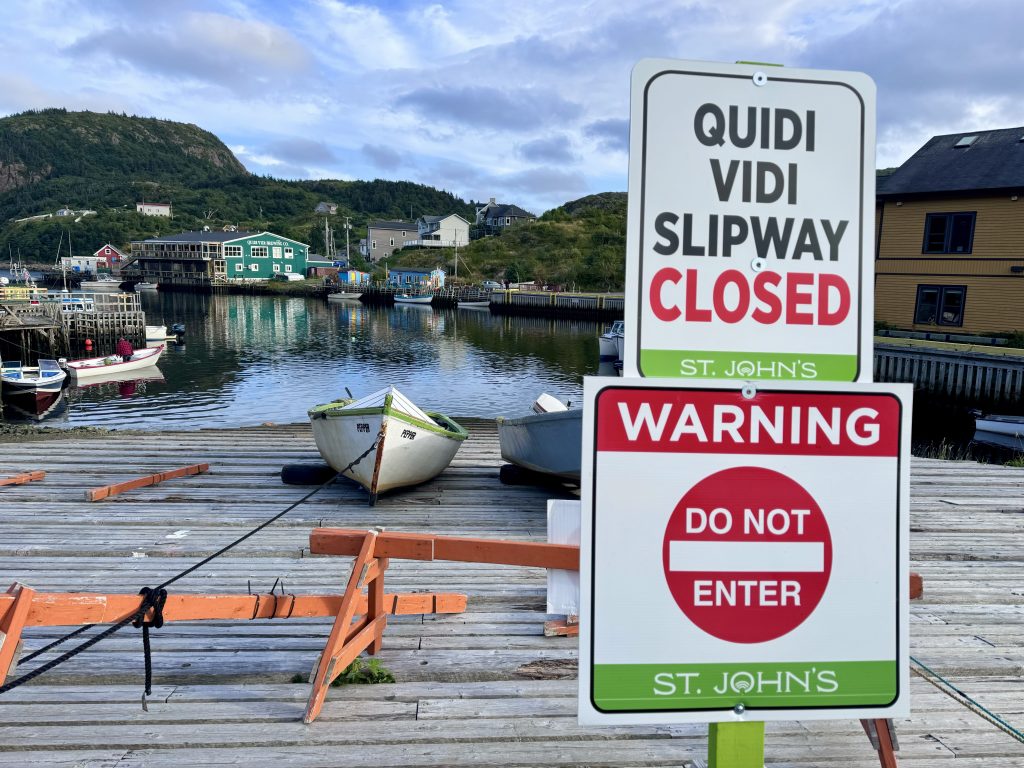
The petition says the decision to remove the wooden slipway will not only be destroying a popular tourist attraction but will also be “taking away infrastructure that is detrimental to the fishers and residents of urban Newfoundland” because it is still “used for Newfoundland’s recreational fishery, which is a vital source of food for residents.”
“There is very little of our cultural history left in Quidi Vidi harbour,” Ravencroft read from the petition. “It has been stripped away piece by piece through the years, and parts of it sold to private developers. Now is the time to act and say what little we have left before yet another piece of our history is ripped away from us. We deserve the ability to access our harbour safely and to feed our families with our province’s resources.”
The petition says that if urban residents don’t have access to their local fishing grounds, those who are able will go to rural communities that still have access to a slipway, which will cause crowding of rural harbours and possibly overfishing in those areas.
Council has yet to make a decision on the fate of the slipway, which has been closed for just over a year and was the subject of a well-attended public meeting this summer.
City estimates put the cost of a new structure at between $500,000 and $750,000.
Lodging coming to the HUB
Council voted to move forward with amending a development regulation to add Lodging House as a discretionary use in the commercial office zone, which will allow The Physically Disabled Service Centre Inc. (The HUB) on Merrymeeting Road to add lodging to its suite of services. The HUB first brought forward this request to the City in January, with a plan to convert office space into six residential bedsitting rooms with shared bathrooms, laundry, and kitchen facilities.
Tom Badcock, executive director of the HUB, told The Telegram in January that the change would “kill a bunch of birds with the same stone,” and would allow them to better serve their members.
Cluster development at former I.J. Samson moving forward
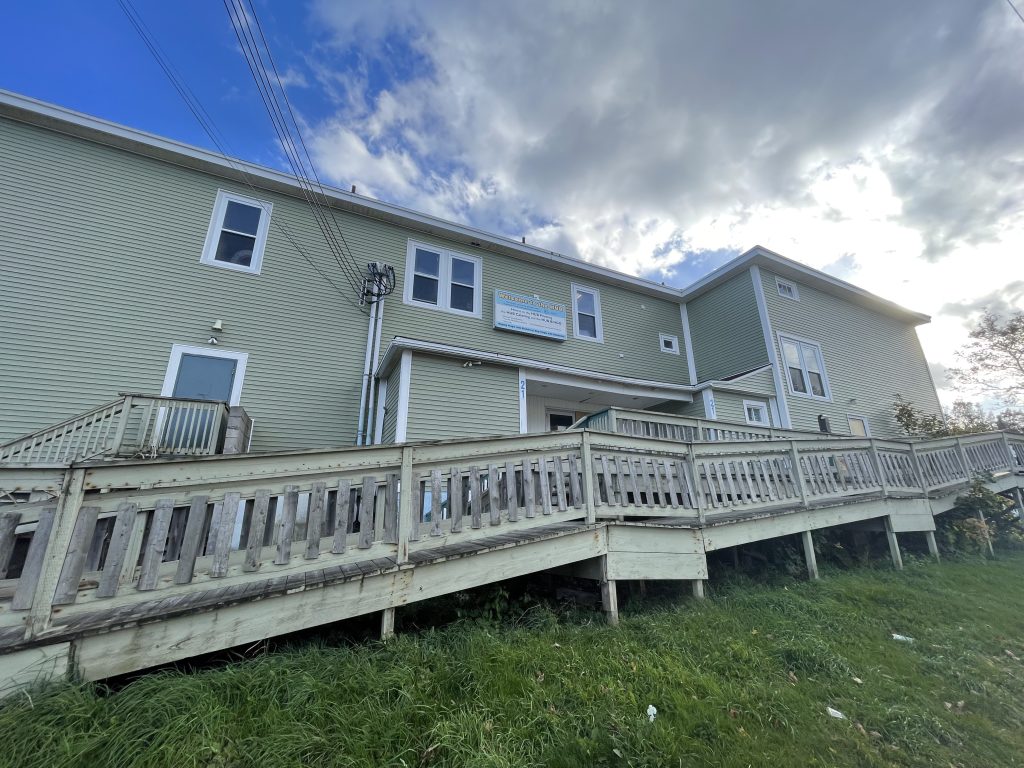
Three apartment buildings and a four-plex with a total of 50 units at the former site of I.J. Samson Junior High on Bennett Avenue were given the nod to move forward by council. Municipal plan and development regulation amendments were required for the project, as was a public hearing that was held in September.
According to the report from the hearing, submissions on the project were mixed, with some in favour pointing out the need for housing in the city and the good location, and some of those opposed bringing forward concerns, real and imagined, such as the impact on nearby property values, traffic, and it contributing to drug use in the area.
Part of the site the former school sat on has already been developed, with townhouses along Bennett Avenue and Beaumont Street.
Now that council has voted to accept the recommendations from the public hearing to move forward, the amendments will be sent to the province’s Dept. of Municipal and Provincial Affairs for registration.

Author

Related Articles

Residents confront St. John’s mayor, who says city is ‘in pretty good shape’
During public event, Danny Breen acknowledged issues as residents challenged him on safety, development, council fights, and even the threat of a class-action lawsuit

St. John’s to host first Dyke March
Organizer Shaylin Smith says the July 16 event will mark a ‘return to grassroots protest’
BP withdrawal from Bay du Nord a ‘win’: climate advocates
Equinor says controversial project still on track, as concerned residents ask oil execs tough questions during public meetings this week