
The lure of anticipatory compliance in the face of a Poilievre Conservative government
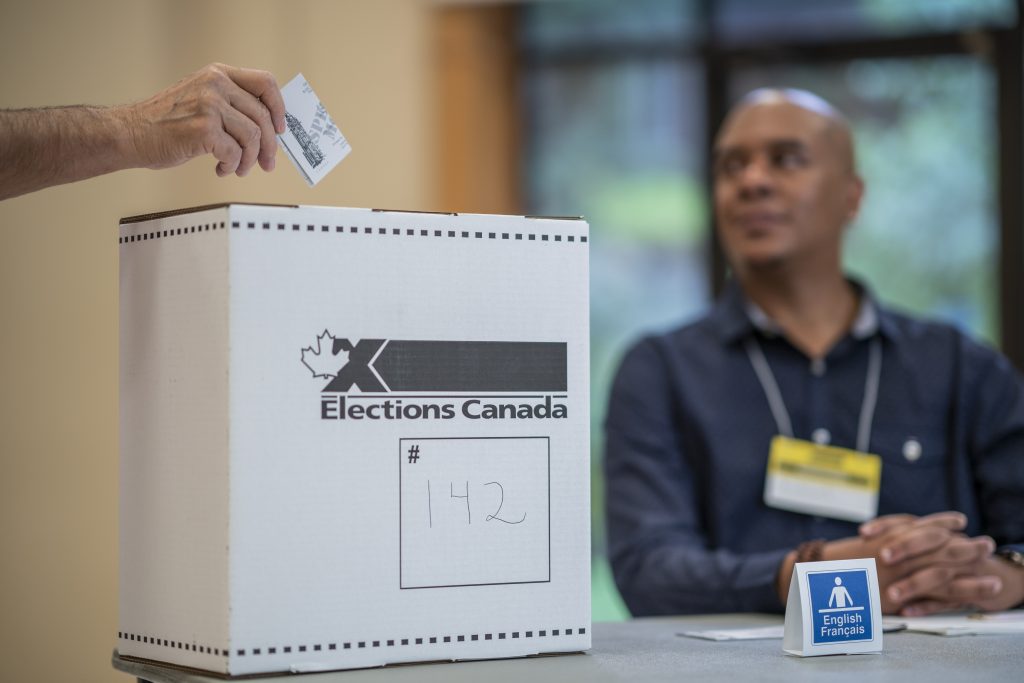
What does it mean to vote strategically?
In 1988 I went to Nicaragua with a friend. I’d been reading about Central America in The Guardian, and had heard about the resistance to American oppression and the peasant revolution in Nicaragua through the Newfoundland branch of Oxfam. My boyfriend of the time was doing Anthropology courses and was reading Carlos Fuentes’ Massey Lecture, Latin America: At War with the Past, Omar Cabezas’s Fire from the Mountain, and the Mexican poet Octavio Paz, the son of Mexican revolutionaries. He shared those books with me. The Clash was singing Sandinista. My friend and I arrived in Nicaragua just as the Sandinistas had taken power.
I remember a moonlit night when there was a spontaneous and joyous march in the streets, with music and dancing, voices raised in song, thousands of people — such a powerful moment in the history of that small country that when my friend and I stepped out of our hotel, it felt as though we were carried, rather than simply walking, on a current of wild joy.
I have seen with my own eyes the David and Goliath story of justice unfolding against all the odds because the Nicaraguan people refused to compromise their beliefs. My friend and I hitchhiked across the country and I remember being picked up in an army truck full of peasant soldiers returning home from the war. Men and women who had fought together, fought off the Americans, and won. They reached over the sides of the truck and lifted us up. They literally and metaphorically lifted us up.
Anticipatory compliance is accepting defeat in advance of a fight and acting under social and cultural pressures that cause people to carry out the work of making themselves complicit to the ruling power. We imagine what those in power want, and it comes to seem commonsensical to carry out those imagined demands, even if the power in question never utters them.
Will you stand with us?
Your support is essential to making journalism like this possible.
Anticipatory compliance is not about the nuts and bolts of electoral rules, or the various forms of government, or how polls work, or how to get the vote out. It’s about the insidious and opaque ability of power to work through social and cultural channels to coerce people into doing whatever is in the dominant hegemonic power’s best interest — even when it is against the best interests of the people on the ground: the voters. It’s about realizing defeat before anyone asks for compliance.
In Canada, law firms, universities, and environmental assessment agencies are already scrapping EDI programs, making themselves complicit in racist practices for fear of what will happen if they don’t comply with these imagined demands.
Anticipatory compliance thrusts itself into the social and political subconscious of the people who are under attack, as we are now in Canada. We are under attack by the United States, the most powerful country in the world. As the American attack ramps up, anticipatory compliance gains footing, and worms its way through society, invisible but felt. Anticipatory compliance corrodes the values and norms of common decency that shape a democracy, like the belief in equality for all. Anticipatory compliance even affects the way we vote, that most sacrosanct, untouchable and purest symbol of democracy.
We begin to act in ways that are against our beliefs and best interests, eschewing the rights afforded by democracy, or the rights afforded by unions or an international human rights tribunal, or the press. We stop saying what we think. Anticipatory compliance effectively saves the people in power from ever having to lift a finger in order to lower your standard of living, and to silence healthy debate, or to silence the truth. We dismantle those rights ourselves, often incrementally, quietly. Most effectively, anticipatory compliance asks us to consider how we can comfortably fit into the existing system rather than changing it.
Look at the funds Canadians have poured into the border to stop fentanyl, even though we know the amount of fentanyl going from Canada to the U.S. is miniscule. We even adopted the term ‘Border Czar’ to appease Trump. The word ‘Czar’ denotes a monarchy rather than leader chosen by the people — in other words, not a democratic leader. The title is an affront. How quickly it became familiar on the tongue. And where did that anticipatory compliance get us? More tariff threats and more lies about fentanyl, which our government pretended, for a time, to believe. Where does anticipatory compliance ever get us?
What does anticipatory compliance mean in this federal election? Many of my friends who usually vote NDP, for example, are thinking of voting Liberal because they are afraid that Pierre Poilievre and the Conservatives will destroy democracy. It is a legitimate fear.

The potential costs of this election are enormous. We have seen the vertiginous drop in the United States into fascism. We have heard near silence from Trump’s opposition. Look at how quickly students have been disappeared off the streets of the U.S. for such things as writing an op-ed about Palestine. A Canadian actress was detained in a detention centre for no good reason. How many people have lost their jobs in the U.S. by writing about racism, for supporting Palestine, or for speaking out about the climate crisis, or queer rights, or reproductive rights?
In 2025, voting with anticipatory compliance—strategically voting for one party instead of who we really want to vote for—is nudging democracy toward the edge of a cliff when our cherished system of government and social organization may already be teetering. At a time when we must staunchly defend democracy, is this the time to be steadfast and uncompromising about what we believe is right?
Nicaragua was a poor country in 1988. The Americans were, as they are now, the most powerful nation in the world. Fighting must have seemed futile. But fighting is what the Nicaraguan people did.
And perhaps fighting the Americans right now also seems futile as they threaten to come for our sovereignty with the cudgel of economic tariffs, which promise to be deeply damaging. Of course, there is no question: we have to fight such a takeover with everything we have.
And what we have is what we believe in. What we want. We have to be willing to name what we want. We cannot settle for anything less. Less than voting for what I want is ‘strategic’ voting. It means I vote not for what I want, but what I believe to be the second-best thing.
Anticipatory compliance drains the potency of a vote before we vote.
If I anticipate a bad outcome and comply by voting for something I don’t want, this is at best gaming the system, and at worst creates an erosion of democracy.
If I were to vote strategically, I would vote Liberal. If I were to vote for the party that pressured the Liberal government to bring in pharmacare, dental care and child care—seismic positive changes in our society—I would vote NPD as I have done my whole life.
Even writing this makes me struggle with anticipatory compliance. I think back to the Sandinistas and how unlikely their success was. Despite that, people fought to the death. The people I met in that army truck were my age—early 20s—and some of them talked about missing out on an education. They hadn’t been to university or a trade school because they had been fighting for their country. I’d just finished an undergraduate degree and I had sacrificed absolutely nothing to do so.
Of course, I have come to understand those soldiers were educated; their education was different only in kind. They had an education in bravery that, at the time, frightened me, and frightens me now, because I could not imagine finding that kind of bravery in myself. And here, on the brink of an election as I anticipate the worst, fear the worst, I find myself thinking about anticipatory compliance. I anticipate the rise of the Conservatives, and I imagine Poilievre as prime minister and the damage I believe he will visit upon Canada. And I imagine voting strategically. And I imagine voting Liberal.
But if I comply, give into my fear, and vote for someone I don’t want, I don’t think I will be happy with the result, no matter what it is. It is impossible to anticipate what will happen.
Of course, after the magnificent victory of installing democracy in Nicaragua, the project failed. The Sandinistas became extremely right wing for a time, in order to hold onto power. They changed the limitations on how long a leader can serve in government, just as Trump is threatening to do.
Perhaps maintaining a fight is harder than beginning one. And we are at the beginning. Perhaps what is most depressing about American aggression against Canada is how alluring it is to give in to our fears and simply comply.
How will I vote? I have wavered over the last several weeks. But I’ve also known for weeks what I think is the right thing for me to do: to vote for the party I want and for the values I believe in. In my case, those are the values of the NDP. And yes, I know it is a risk not to vote strategically — a risk of everything we think of when we say the word democracy — and I know that democracy is fragile. But we have to be in it for the long haul.
Gaming the system weakens it. Anticipatory compliance at this time, especially — the beginning of what will no doubt be a long and ugly fight — is also a risk.
The Independent’s debates and federal election coverage is supported by the Covering Canada: Election 2025 Fund.
Author

Related Articles

Throwing shade on solar myths
‘Someday the sun will shine and have-not will be no more,’ Brian Peckford famously said. Solar ‘someday’ can’t come soon enough, writes Angela Antle
No energy justice with Bay du Nord
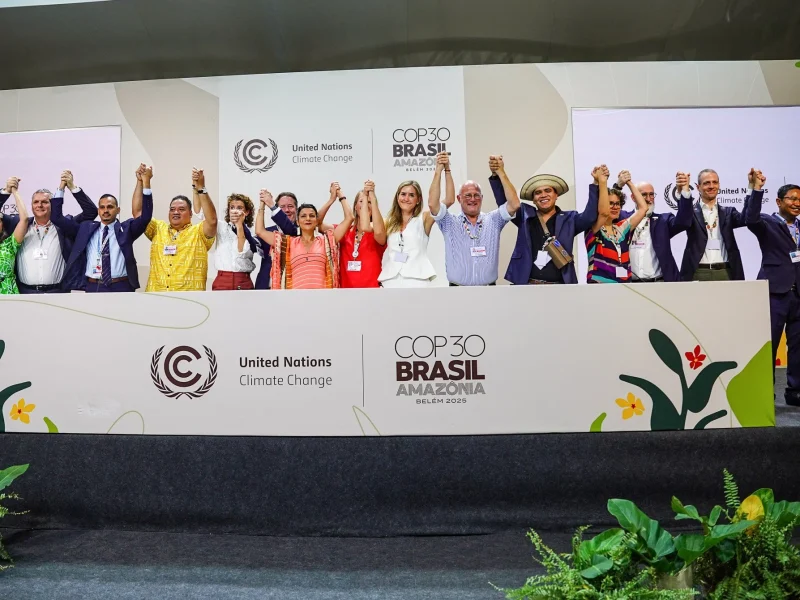
Newfoundland and Labrador’s Bay du Nord ambitions are out of step with the dire need to phase out global oil production and the province’s benefits agreement with Equinor underscores the need for a new approach to fossil fuels
A housing corporation without a housing mandate
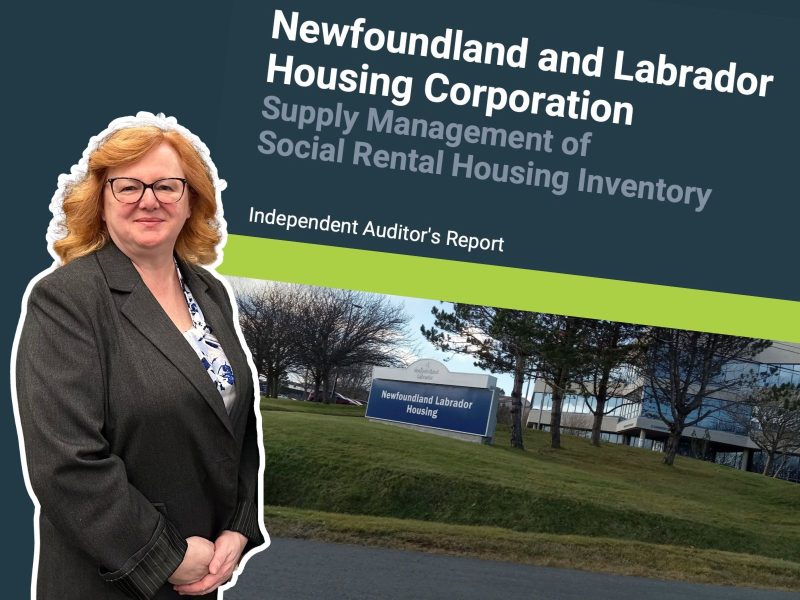
The Liberals and PCs have no right to point fingers at each other in response to the auditor general’s scathing report on social housing