
Hydro-Québec halts work at Gull Island in wake of Innu blockade
Innu land defenders blockaded the site of a potential hydroelectric megaproject Wednesday, saying preliminary work needs to stop while their communities grapple with what some are calling a lack of consultations and unknown impacts to the land

Hydro-Québec has suspended geological survey work after a group of Innu land defenders blockaded the road into Gull Island, an area of the Churchill River (or Mishta-shipu, in Innu-aimum) that is culturally important to the Innu and the place where Newfoundland and Labrador and Québec hope to massively expand hydroelectric development.
In recent days, work trailers were moved onto the site, following the signing of a proposed agreement-in-principle between Hydro-Québec and the Innu Nation, which represents the Innu communities of Sheshatshiu and Natuashish in Labrador.
“They want to start the survey on the land,” said Matthew Andrew, one of the land defenders at the site, through a translator. “They’re not telling the community members.” Andrew and other land defenders are calling for all work at Gull Island to stop until Innu have had the time to review, consult and vote on the proposed agreement-in-principle with Hydro-Québec. The ratification vote is set to happen this fall.
- Related: Protesters? Or land protectors?
Will you stand with us?
Your support is essential to making journalism like this possible.
“The land is very important to my grandchildren, great-grandchildren, and everybody else,” Andrew said. “Long down the road when something like this happened, they’re not going to benefit off anything.”
Hydro-Québec said in a statement to The Independent that they are closely monitoring this situation with openness and a full commitment to better understanding the concerns of the demonstrators. “We recognize the cultural, historical, and spiritual importance of the Gull Island territory for Innu communities. We respect the right of community members to express their concerns,” the statement said. “In the meantime, and out of respect for the concerns raised, we are suspending the planned geotechnical analyses.”
Hydro-Québec said it will continue the dialogue initiatives with community representatives to understand their concerns and discuss next steps in a spirit of mutual respect. Innu Nation did not respond to an interview request from The Independent by the time of publication.
Andrew hopes other Innu from Labrador and Québec will join the blockade group and apply for a court injunction to stop the survey work until the deal is ratified or denied, he said.

On June 20, Innu Nation and Hydro-Québec announced what they are calling a “Reconciliation and Collaboration Agreement”. In a media release, Innu Nation said the parties signed an agreement-in-principle to settle past grievances, as well as a legal challenge by Innu Nation surrounding the construction, operation and maintenance of the Churchill Falls Hydro-Electric Complex, and to set out new principles for future developments.
“On behalf of the Innu of Labrador, I am pleased that we have taken this major step towards settling our lawsuit against Hydro-Québec, out of court. Innu negotiators were able to reach a fair agreement to address the damage this project has done to our culture, our way of life and our lands and we will be pleased to bring this to our members,” Innu Nation Grand Chief Simon Pokue said in the release.
Under the agreement, Hydro-Québec would contribute $87 million over 16 years to Innu Nation, and provide the Innu with three per cent of the dividends that Hydro-Québec receives from Churchill Falls Corporation into the future.
“The agreement in principle also sets out terms for Hydro-Québec’s collaboration with Innu Nation in the development of future facilities in the region, such as the Gull Island Power Generating Station,” the Innu Nation media release states.
The agreement will be presented to the Innu of Labrador for ratification this fall. But Andrew said Hydro-Québec isn’t aware of what he calls a lack of consultations with community members. While the agreement isn’t ratified, Hydro-Québec is spending up to $15 million to start geotechnical and environmental studies this week at Gull Island.
In a media release, the crown corporation and eclectic utility said the survey work will collect data to prepare the construction work for a new hydroelectric generating station in the area. Hydro-Québec said the studies launched this week are “necessary for the signing of the final agreement.”
Stassinu Stantec Limited Partnership—a partnership between Stassinu Services Inc. and Stantec Consulting Ltd.—is carrying out the geotechnical studies, while WSP–Newfoundland and Labrador is leading the environmental studies.
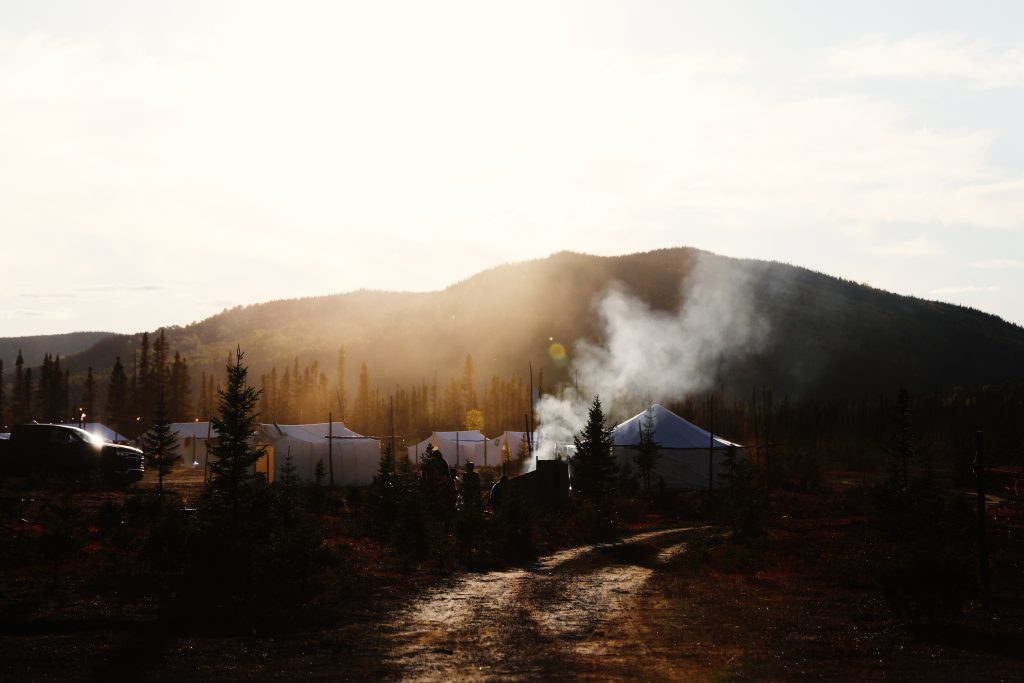
Gull Island is the site of the annual Manishan Nui Innu Gathering, when hundreds of Innu from Labrador and Québec gather in the area each September to partake in traditional activities. The site is important to Innu from before that as well, Andrew said.
“Long ago with my ancestors, or great-grandparents, and all them said, ‘Don’t ever sell your land or the rivers,’” he said. “Our grandfathers used to be on the canoe on those rivers.” Andrew said leaders at Innu Nation need to consider the impacts to the land, and benefits for all Innu beyond financial benefits — and that Innu need more meetings and information before they can make an informed decision on the deal.

Authors


Related Articles
PCs have no plan to meet ambitious housing targets
Finance minister pins housing hopes on federal funding, says his own portfolio of rental properties doesn’t put him in a conflict of interest
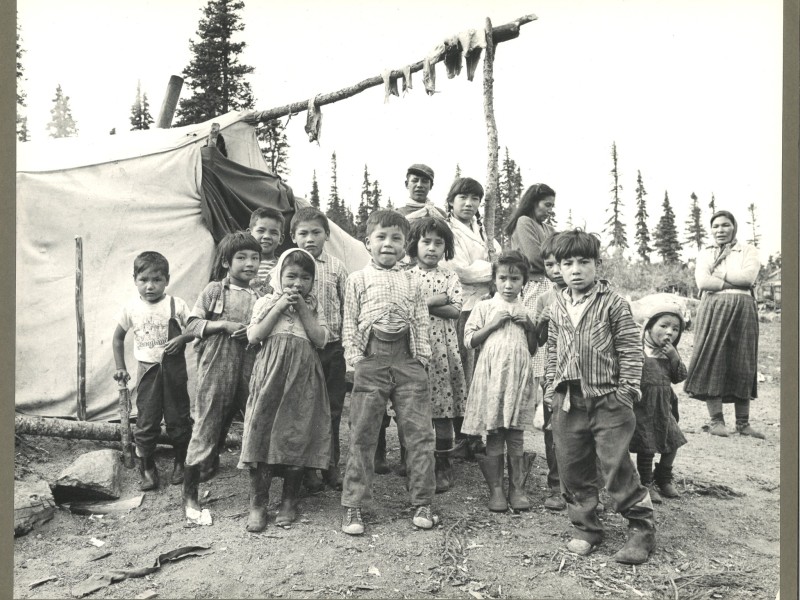
Photos returned to Innu ahead of Labrador exhibit showcasing history, culture
Cultural Guardian Jodie Ashini hopes the archival photographs will help strengthen youth’s connection to Innu culture, and ultimately improve mental health

Can N.L. have oil and gas, and climate targets too?
Finance minister says yes, but ATI requests show there’s no plan for how to do both — and reveal significant unpublished emissions estimates