How can Fisheries Support Biodiversity Recovery?
A "one with nature" approach is needed to protect fish, fisheries, and fishing communities.


A "one with nature" approach is needed to protect fish, fisheries, and fishing communities.
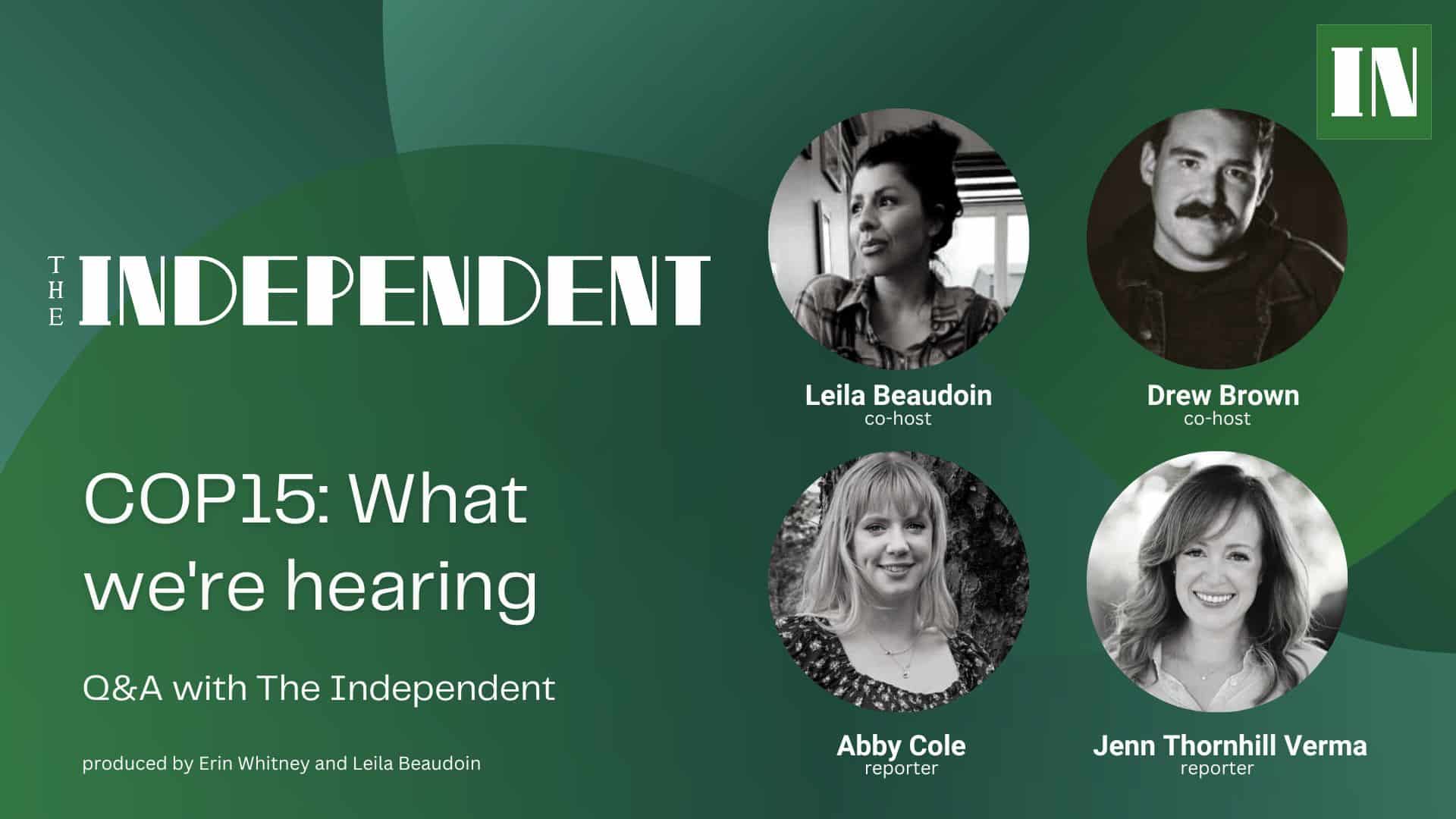
The Indy gets together to talk about COP-15 and what it means for Newfoundland and Labrador.

Incorporating climate information into fisheries management planning is crucial, now more than ever.
Seasplainer is back! Jenn Thornhill Verma teams up with Leila Beaudoin to cover everything fisheries and oceans. Here's a look at what's in store.

Shrimp prices are cratering in NL, but much higher in Nova Scotia. Is concentrated corporate power and a lopsided pricing process to blame?

Thirty years on from the 1992 cod moratorium, many questions remain: how did this happen? What have we learned? Will the cod ever come back?

The Standing Fish Pricing Panel is meant to provide stability. But volatile markets—and powerful processors—mean fish harvesters often lose out.

It sounds like a rhetorical question, but figuring out how many fish are in a given area of the sea is hard work—and important for everyone.

With iceberg season nearly upon us, here's the science (and art) behind safely spotting icebergs off the coasts of Newfoundland and Labrador.

Over 20 years ago, DFO recognized that "changes in climate cannot be ignored." Why is it taking so long to put this insight into practice?