
Randy Edmunds opposed to Muskrat Falls but says dam is inevitable
"The best safeguard to me personally is to not go ahead with the project. But there’s a reality there, and as much as I want or I wish, that the project isn’t going to be stopped."
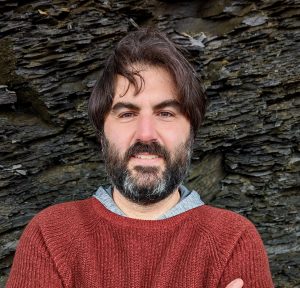

"The best safeguard to me personally is to not go ahead with the project. But there’s a reality there, and as much as I want or I wish, that the project isn’t going to be stopped."
Protests continue at Muskrat Falls as land protectors announce they do not recognize Nalcor's authority at construction site, "which is on our traditional lands.”
Simultaneous protests against Muskrat Falls and Nalcor planned for Labrador and St. John's on Friday, with further actions in the works for Monday as part of a national Indigenous day of action.
As elders, river protectors and other concerned locals vow more direct actions, Labrador MP Yvonne Jones says she has alerted the Prime Minister of concerns as the federal government considers a loan guarantee to the province to finish construction of the controversial hydro project.
Former Innu leader Bart Jack says he wants the project shut down and is joining a group on a walk to the North Spur on Monday in an act of civil disobedience.
"Students call on government, Nalcor to take action to protect Indigenous lives."
With first flooding of the Muskrat Falls reservoir only two weeks away, the Nunavut star throat singer says "everyone should be protesting."
As Nalcor prepares for the first phase of flooding, we take a closer look at the implications Muskrat Falls could have for reconciliation with Indigenous communities in Labrador.
Gathered in Happy Valley-Goose Bay Friday, residents of communities around Lake Melville cited methylmercury, the North Spur and colonization as main concerns around Muskrat Falls. Many want the project shut down, and some are planning direct action on Monday.
Anxiety rises in Labrador as the province and Nalcor ignore recommendations from scientists and Indigenous leaders to clear dam's reservoir and minimize the threat of methylmercury poisoning in communities downstream.