
A New Season of Seasplainer
Seasplainer is back! Jenn Thornhill Verma teams up with Leila Beaudoin to cover everything fisheries and oceans. Here’s a look at what’s in store.

In Newfoundland and Labrador, we have our own variety of seasons beyond the traditional temporal markers and holiday celebrations. There’s whale season and iceberg season and of course, fishing season. Now, there’s another one to look forward to as The Independent gears up for its 2022-23 Seasplainer season.
Launched in March 2022, Seasplainer is The Independent’s monthly fisheries and oceans explainer series originally led by journalist Jenn Thornhill Verma. Leila Beaudoin has now joined Verma, after the two successfully piloted a multimedia approach in the July-August issue, bringing readers video and infographic content to complement the online explainer.
“It’s essential for us to have this tributary of information about all things ocean, given how important it is to the economy, the culture, and the character of the region, and the general experience of living in the province,” says The Independent’s editorial team.
Will you stand with us?
Your support is essential to making journalism like this possible.
Seasplainer travels from boots to boats in the harbours of the Northwest Atlantic to relay the latest information on fisheries and oceans in Canada. The series covers a range of topics relevant to fisheries management, marine biodiversity, ocean climate, the environment, natural resources, and more.
Previously on…

Since its spring launch, the series has already addressed a variety of questions:
Why are NL fishers going out of province to land their catch? (July-August 2022)
Who Took the Fish from the Goddamn Water? (June 2022)
Who Decides the Price of Fish at the Wharf? (May 2022)
How Many Fish Are in the Sea? (April 2022)
Will There Be Icebergs This Year? (March 2022)
Fisheries or Bust

“Some 400 communities across Newfoundland and Labrador are directly dependent on fisheries. It’s a more than a $1-billion-dollar industry annually. But more than that – and not as easily quantified – is what fisheries mean to the lives and livelihoods of everyday people here in this province. Our goal is to bring you their stories, while also addressing the burning issues about this critical industry,” says Beaudoin.


Fisheries and oceans are a crucial part of life, work and culture in Newfoundland and Labrador. The commercial fishery alone employs 15,800 people in 400 communities and there are 91 active fish processing plants in the province. In 2020, the value of NL seafood topped $1.1 billion, marking the sixth consecutive year that total value has reached $1-billion dollars. Wild fisheries account for the greatest share of that market value—91 per cent ($1 billion), while aquaculture represents nine per cent of the total market value ($96 million).


Climate on the Line
Meanwhile, climate change is impacting the province’s marine ecosystems which is in turn influencing fisheries and oceans. While some shellfish stocks have declined in recent years, particularly shrimp, there has been a rise in some groundfish stocks. For example, yellowtail flounder and redfish stocks are recovering on the Grand Banks, while redfish in the Gulf of St. Lawrence are showing signs of rebuilding. Meanwhile, cod stocks remain at historically low levels along with mackerel and herring.


“We can no longer ignore the role climate change and global warming are having here in this province. Last year was one of the warmest years on record in this region—and scientists tell us we can expect more warm years ahead. In 2021, we saw that warming trend in weakening sea ice and warmer air and ocean temperatures. Fishers and coastal communities are seeing these changes first-hand as it threatens critical infrastructure like ice roads and it means having to go farther afield to fish. In our Seasplainer series, we’ll deliver the best-available evidence and data on these issues in a way that brings common-sense to the science,” says Verma.
What’s on the Horizon
As Verma and Beaudoin look ahead this season, the duo has a variety of topics on their radar, from issues that matter to consumers (What’s in a seafood label? How can buyers shop for local seafood?) and questions about fisheries management (As open sea-pen fish farms are shuttered on Canada’s west coast, why are they expanding on the east coast? What is ecosystems-based management?) to climate change queries (How can fisheries managers account for climate risk? As sea levels rise because of global warming, how are communities preparing?), concerns about biodiversity loss and environmental protection (Why are seabirds dying on our shores? What if nature and environment had rights? What is a marine protected area?), and more.
To ensure Seasplainer brings reliable evidence and trusted experience to its reporting, each issue will continue to be reviewed by those with on-the-ground, bench, or policy expertise. For those interested in offering ideas for the series, or participating as reviewers, please reach out to Jenn and Leila at: seasplainer@theindependent.ca.

Seasplainer is The Independent’s monthly fisheries and oceans explainer series by journalists Jenn Thornhill Verma and Leila Beaudoin. Canada is a country of coastlines – the longest on the planet. The magnitude of that coastline is only overshadowed by the knowledge of those who call these coastlines home. Seasplainer travels to the boots and boats in harbours of the Northwest Atlantic to relay the best-available evidence on fisheries and oceans in Canada. Our explainer series covers a range of topics relevant to fisheries management, marine biodiversity, oceans climate, environment, natural resources and more. Each issue is reviewed by those with on-the-ground, bench or policy strengths and expertise. Reach us at seasplainer@theindependent.ca

Authors


Related Articles
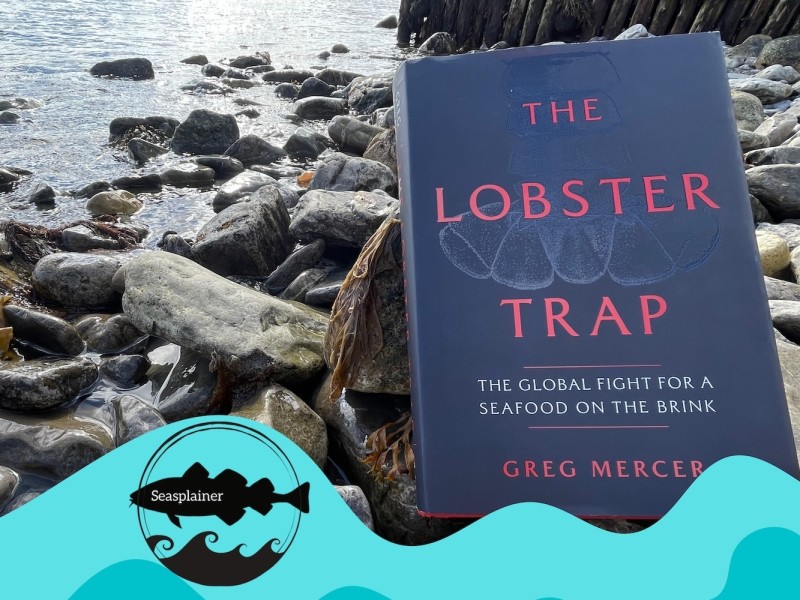
The Lobster Trap: Why Atlantic Canada’s golden fishery may be headed for collapse
Greg Mercer’s book exposes how million-dollar debts, climate change, and market forces are pushing harvesters—and lobster—toward the breaking point
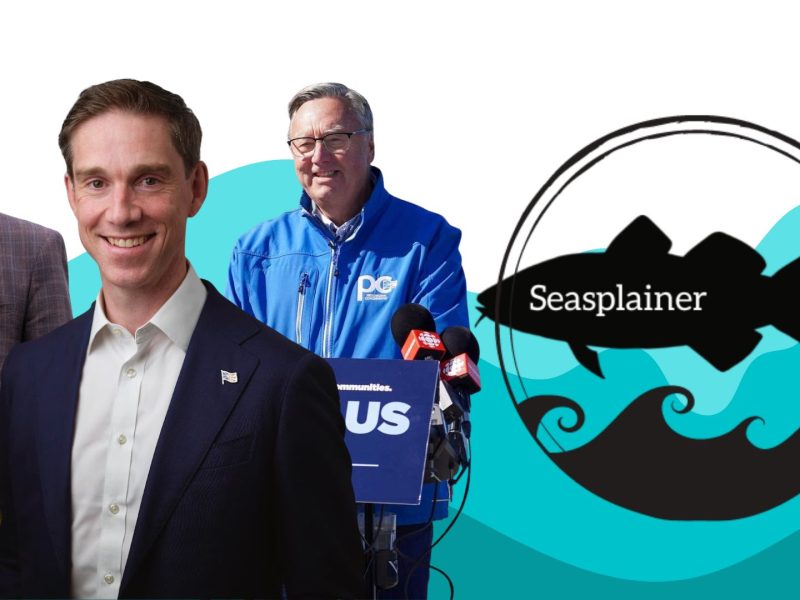
N.L. parties agree we need more say on fisheries — but what about climate change?
What three party leaders said about provincial fisheries and ocean priorities—and what they didn’t say
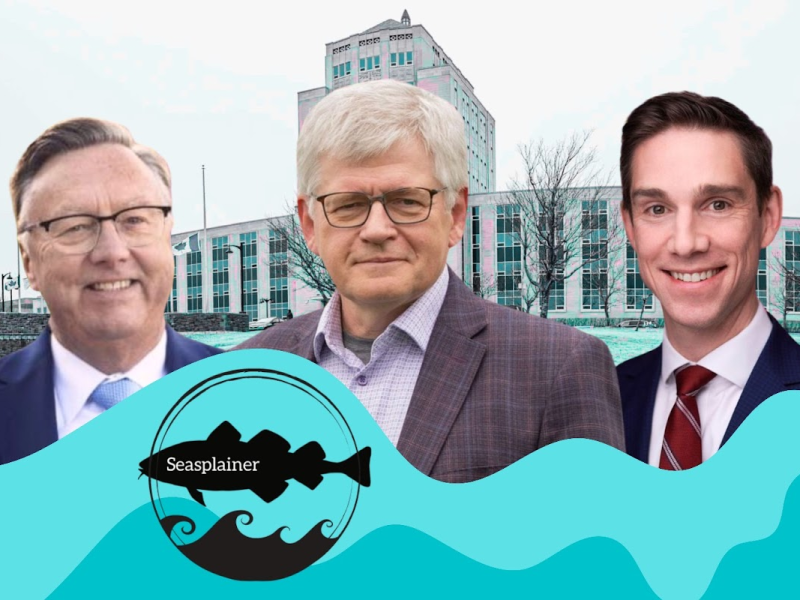
Where N.L. parties stand on fisheries and ocean priorities
Ahead of the provincial election, all parties agree the province needs a stronger voice with Ottawa, but they diverge on priority areas