
A note from the authors: Dear readers, we have wanted to cover this story for a long time. Given the fishing tragedies this province has endured, we acknowledge this is a difficult subject. This reporting honours those lost at sea, doing what they loved most: fishing. We recognize the collective grief of families, communities and the entire province. We hope this work illuminates what’s going wrong on the water and helps bring more fish harvesters home safely. Inshore harvesters dealing with trauma after incidents like the ones we describe can access PTSD coverage through workers’ compensation (WorkplaceNL). For anyone else, 811 can connect you with mental health supports in your community.
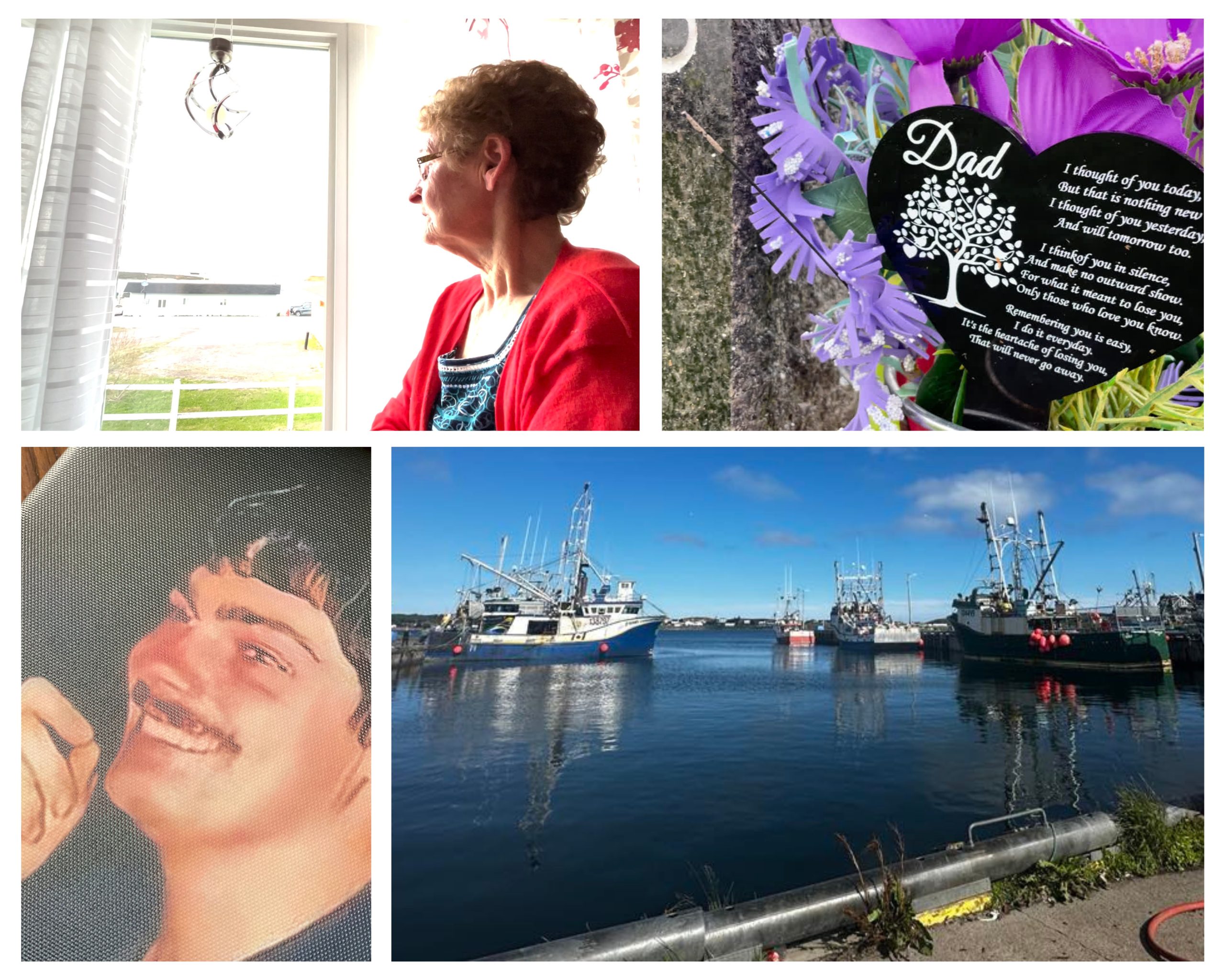
“My god, what are you doing to me?” says Brenda Gould, remembering the words she shouted into the sky that fateful day in 1989. The Port au Choix woman had just learned that her 23-year-old son Brendan, known as Ben, drowned while fishing off the coast of the Northern Peninsula.
It wasn’t the first time tragedy knocked at Gould’s door. Eleven years earlier, in 1978, her husband Gabriel, 35, also drowned while fishing.
Gould says worry set in that day when her husband, who had gone out in boat with his older brother Finton, didn’t show up for supper. She kept her eye on the skies, fearing bad weather had struck.
“I knew something was gone wrong,” she recalls. So she grabbed her four-year-old son Larry and drove the coastline in her car. But the weather was too much.
Will you stand with us?
Your support is essential to making journalism like this possible.
“It was foggy and blowing, wicked winds and high-seas,” she says. “Something told me to stop.”
That evening, Gould watched from her living room window as fishing boats and the Canadian Coast Guard searched for the missing men to no avail.

In the morning the local priest showed up at her door. Gould says she already knew bad news was coming.
Later that day her worst fears were confirmed when search crews located the Gould brothers. Spotted because of Gabriel Gould’s red fishing glove – a bright patch of colour against an otherwise muted landscape – the men were found huddled in the ocean near a cliff, Finton’s arms wrapped around his younger brother Gabriel.
“He never let go,” Gould says.
Pieces of the brothers’ fishing boat later washed ashore. But what happened that day remains a mystery, though high winds likely played a factor. Whatever the cause, Gould, now 80, says one thing hasn’t changed: she fears the ocean. Especially in the spring of the year, when the fishery starts up and memories flood back like the tide, a constant reminder of what she has lost.
“I watch the boats go out and I get flashbacks. So much has gone on with the water,” she says.
Gould’s nephew, Guy Billard, 46, lost his arm in a fishing incident in 2023. Her 51-year-old son Larry (who at four joined his mother’s search for his father) is also a fisherman. And her grandson, Byan Plowman (Brendan’s son), 39, fishes too.
“I’m praying for safety. I said, ‘The Titanic sank, didn’t she, Larry?’ But I guess he wants to be a fisherman.”
Is fishing Canada’s deadliest job?
In the last five years, Newfoundland and Labrador has lost 17 lives at sea in the commercial fishing sector. Ranging in age from 25 to 74, these men were sons, brothers, fathers, cousins, uncles and community members. Like the Gould brothers, other tragedies have involved multiple generations of family members.
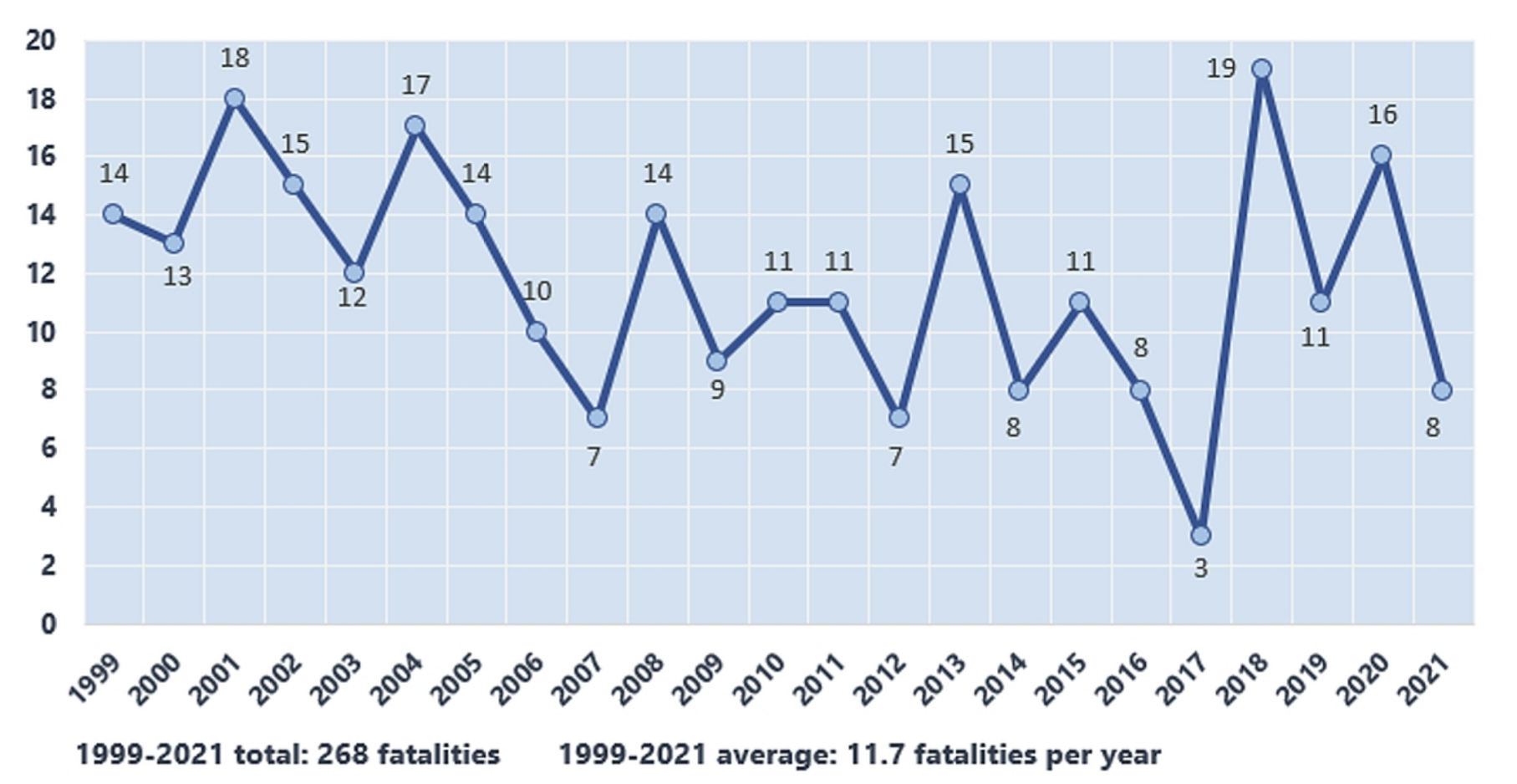
Every year in Canada, 11 commercial fishers lose their lives. That’s the average reported by the Transportation Safety Board of Canada (TSB), the independent agency that investigates transportation incidents. Fishing-related deaths in Canadian commercial fisheries are holding steady, even though there’s been a decline in the number of fishers and fishing vessels.
The TSB describes fish harvesting as “one of the most hazardous occupations in the country.” Between July 1, 2020 and June 30, 2022, the safety board reports there were 19 fatalities related to commercial fishing in Canada. Going back a couple decades, the feds report a total of 279 fatalities between 1999 and 2022.
What’s particularly troubling about deaths in the commercial fishing industry, the TSB reports, is that “the vast majority, if not all, of these fatalities are preventable.”
“Every year, the same safety deficiencies on board fishing vessels continue to put at risk the lives of thousands of Canadian commercial fish harvesters and the livelihoods of their families and communities,” the safety board reported in 2022, identifying key safety issues that must be addressed to make commercial fishing safer.
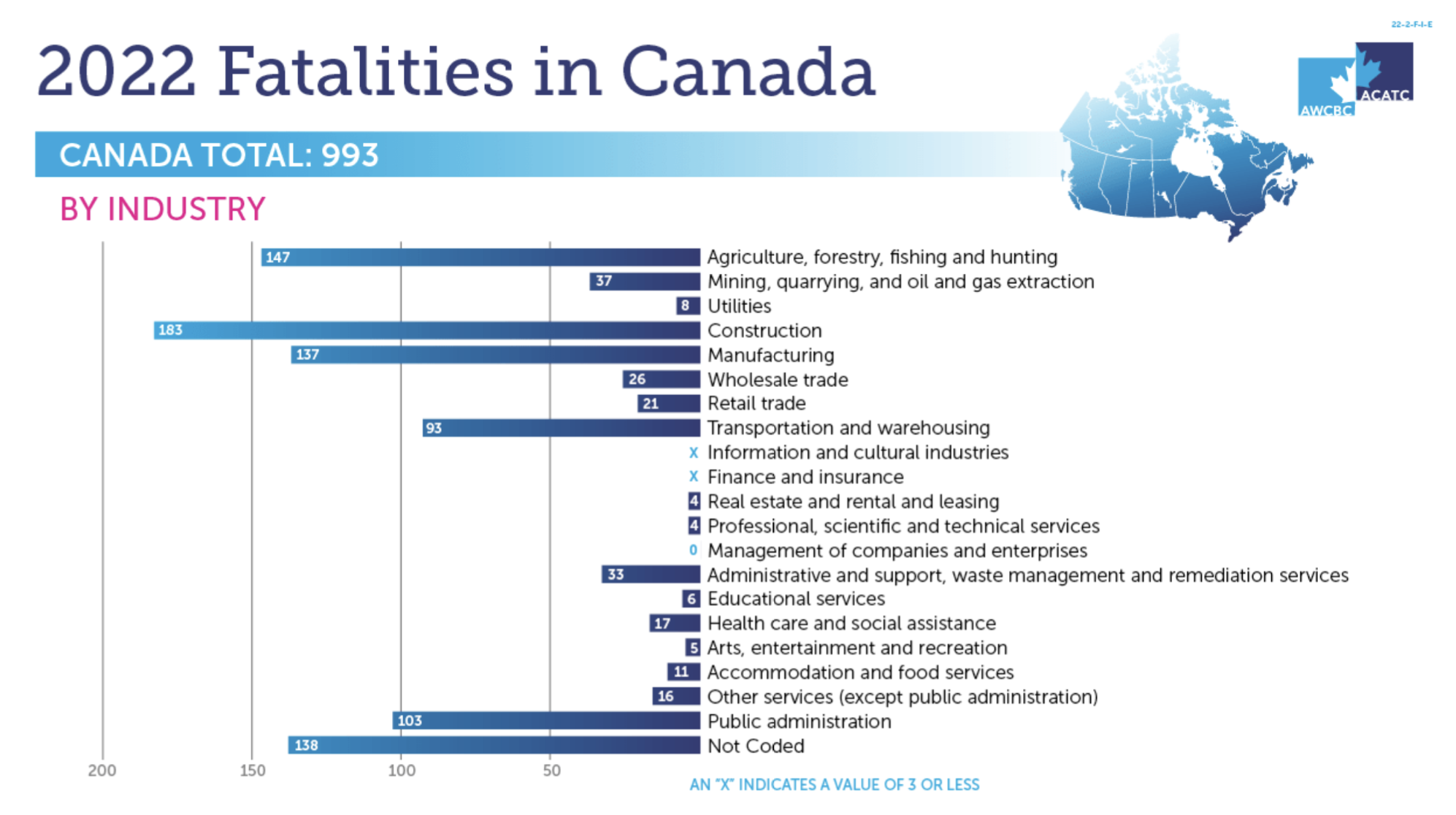
According to the National Work Injury/Disease Statistics Program (NWISP), which is run by the Association of Workers’ Compensation Boards of Canada, of the 993 workplace fatalities in Canada in 2022, construction topped the list with 183 deaths, followed by agriculture, forestry, fishing and hunting, accounting for 147 deaths. Manufacturing accounted for 137 deaths. (See Figure 2).
To understand, proportionally, where risks of on-the-job deaths are the highest, we calculated a “fatality rate” — the number of work-related deaths per 100,000 workers in a particular occupational group. To arrive at that rate, we asked Statistics Canada Labour Market Analyst Andrew Fields to replicate the methods he followed to inform The Globe and Mail’s 2017 investigation of workplace deaths, which found that “fishing was Canada’s most deadly sector.”
The Globe offers a deeper dive on methods, but in short, the fatality rate is calculated by taking the average number of workers in an occupation who died as a result of their work over a particular time period, divided by the annual average of workers for that group during that period. These calculations are based on data from the National Work Injury/Disease Statistics Program and Statistics Canada’s Labour Force Survey.
In 2017, The Globe reported that from 2011-2015, the average fatality rate for traumatic injuries was 69.8 deaths per 100,000 workers in fishing, hunting, and trapping.
The Independent has found this fatality rate has risen when you consider all data available since that time (from 2011-2022, a 12-year period), the average fatality rate for traumatic injuries is 70 deaths per 100,000 workers in fishing, hunting, and trapping. And from 2018-2022 (a five-year period, as was similarly reported by The Globe), the average fatality rate for traumatic injuries is 76 deaths per 100,000 workers in fishing, hunting, and trapping.
“Fatalities were higher than average in 2020 and 2021,” says Fields, which made the averages (both ending in 2022) higher than the previously-reported period.
In a written statement to The Independent, the Fish, Food, and Allied Workers-Unifor (FFAW), a union which represents 13,000 workers in Newfoundland and Labrador, including fish harvesters and seafood processors, says the industry must move toward a ‘safety-first’ culture.
“Fishing remains the most dangerous job in Canada, and it’s paramount that we take every possible step to ensure our fish harvesters come home safely. This starts with ensuring that every single harvester has a personal locator beacons readily accessible in case of emergencies. We must also work harder towards improving safety practices and fostering a safety-first culture within the industry,” says FFAW President-elect Dwan Street.
Fishing fatalities: What gets counted isn’t all that counts…
Not every workplace death is counted in the same way, though the impact is deeply felt.
Last year’s fishing deaths of the ‘Silver Condor Three’ from Blanc Sablon — Dean Lavallée, 53, Yves Jones, 65, and Damon Etheridge, 36 — do not factor into fisher fatality data from this province. Blanc Sablon has strong fishing ties to the Northern Peninsula, where the Silver Condor crew would often tie-up, grab and meal, and socialize with Newfoundlanders.
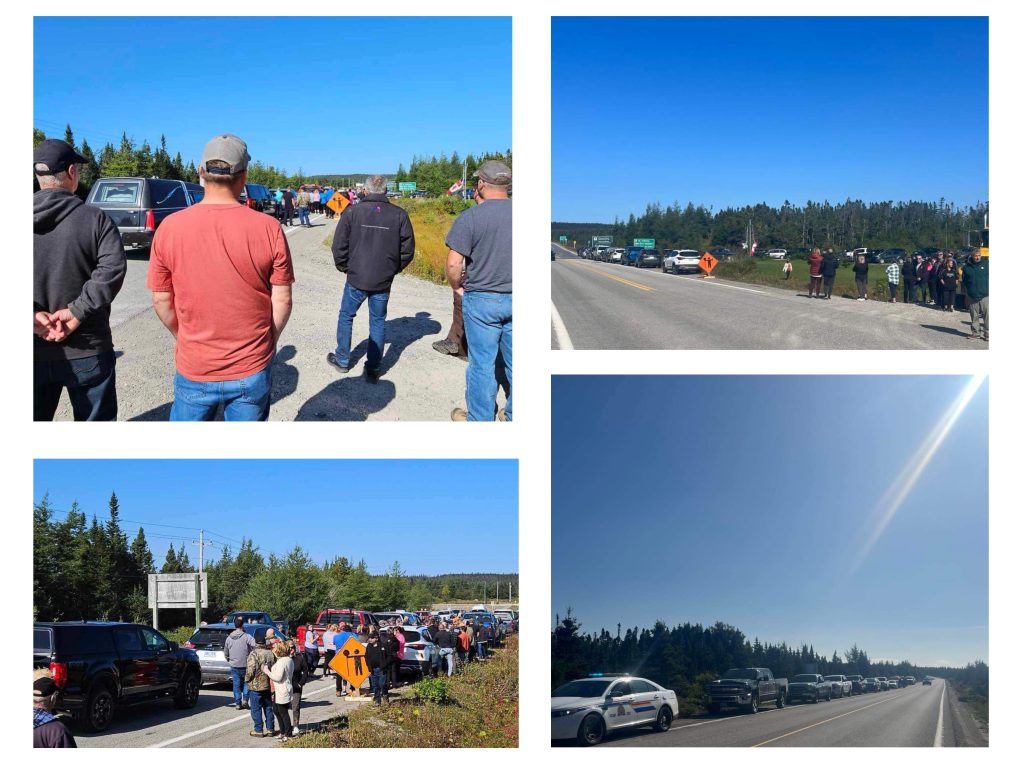
When the bodies of the three Quebec fishermen were brought home to be laid to rest, fishermen from this province joined the homecoming on the stretch of Trans-Canada Highway leading to the ferry with a parade of sorrow, support and shared grief. Hundreds of Newfoundland men, women and children paid their respects by lining the side of the highway ahead of the ferry crossing that would deliver the late fishermen across the Straits of Belle Isle to their final resting places.
“I can remember when we were driving and thinking there must have been an accident,” recalls Carole Lavallée, Dean’s wife. But Lavallée says the driver told her it wasn’t an accident and that the crowd was there for the fishermen and their families.
“It was really touching, I was not expecting it.”
Her son Michael survived the tragedy. He is currently fishing in Greenland. Carole says fishing is in his blood.
Like the fish they catch, fishing families and communities know not provincial or country borders.
Most fisheries-related deaths are preventable
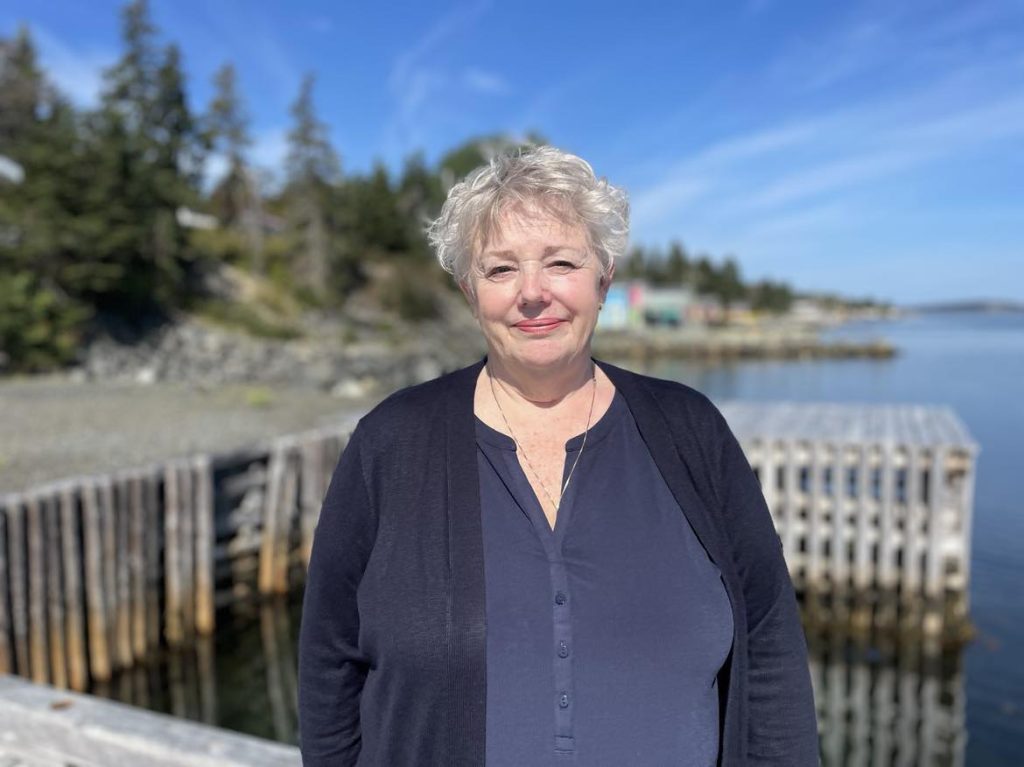
When things go wrong at sea, they often happen fast and furiously, says Brenda Greenslade, who recently retired as executive director of the Newfoundland and Labrador Fish Harvesting Safety Association (NL-FHSA), an industry-led fisheries safety group that works to reduce injuries and save lives at sea.
“People go into the water and they go into shock, especially if it’s unexpected,” she explains. “It’s a quick submersion into the water. It’s cold, and their airways constrict and they panic because they are having difficulty breathing.”
Sitting on a wharf near Dildo on Newfoundland’s Avalon Peninsula, Greenslade winces at the ocean.
“A lot of them were not wearing flotation devices,” she says.
Another “totally preventable” problem is that “people didn’t know they were in trouble.”
Distress incidents at sea often happen suddenly and without warning as a result of an injury, a mechanical failure, environmental conditions, a lack of safety equipment, or human error.
Like the FFAW-Unifor, the Transportation Safety Board also says a cultural shift is needed to turn the tide on preventable deaths.
“Developing and sustaining a strong safety culture in the fishing industry is required to foster greater compliance with regulations, in particular with respect to vessel stability and the use of lifesaving equipment,” the safety board has reported. “Addressing these two safety deficiencies would contribute to a significant reduction in the number of fishing-related fatalities, given the number of deaths currently associated with falling overboard or capsizing events.”
According to the TSB’s preliminary statistics for 2023, falling overboard and problems with vessel stability were the two most common reasons for marine fatalities.
But there are many issues at play, including the absence of life-saving equipment on board, such as personal floatation devices, immersion suits, emergency signalling devices (like personal locator beacons and emergency position-indicating radio beacons) and life rafts. The safety board says that even when emergency gear is on board, it’s not always used.
Meanwhile, vessel modifications can impact a boat’s stability, and unsafe work practices like substance use or fatigue can increase precarity at sea.
Greenslade says fatigue is a big issue for fishers, who work long hours and days, often under pressure to secure fishing quotas.
All of this, she points out, is coinciding with increasingly unpredictable and hazardous weather events associated with climate change.
With the Northwest Atlantic Ocean trending more stormy (according to the Newfoundland and Labrador Climate Index (a 10-indicator ocean climate dataset maintained by DFO), fishers continue to face more inclement weather.
Last year saw an above-normal Atlantic hurricane season, with 20 named storms, including seven hurricanes. While only a handful of those came close to Newfoundland and Labrador, 2022’s post-tropical storm Fiona is a reminder of the devastation a single storm can wreak on a place and its people. Fiona, which packed heavy rainfall, storm surges and hurricane-force winds, destroyed about 100 homes, demolished wharves, displaced fishing gear, and claimed the life of a woman in Channel-Port aux Basques.
Recommendations for safer commercial fishing
“Some provincial workers’ compensation boards have increased education and enforcement efforts and imposed fines to encourage safe work practices,” the safety board says in a 2022 report, noting some provincial organizations have launched education initiatives.
The industry as a whole, though, “does not yet have plans in place to address these safety issues,” it says.
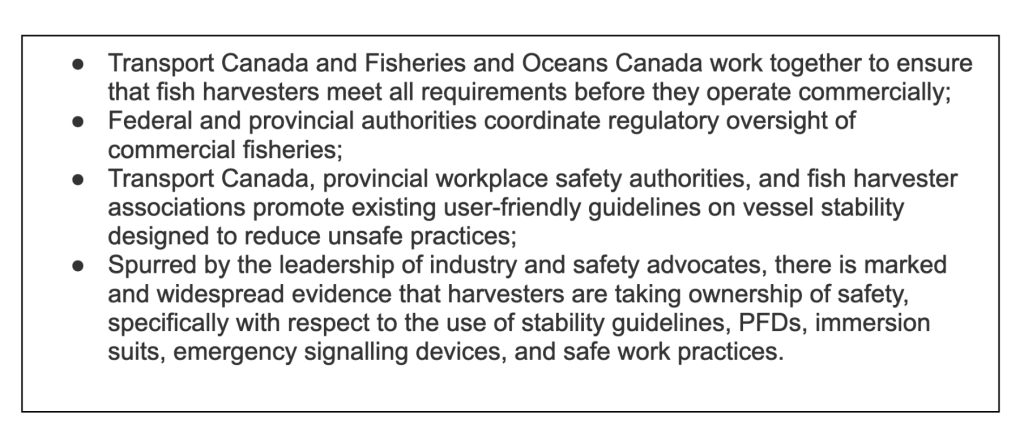
The TSB cites inadequate regulatory oversight as an issue. Transport Canada’s Fishing Vessel Safety Regulations have been in place since 2017, and the Navigation Safety Regulations, 2020 since 2021.
“Overall, it appears that fish harvesters are aware of the existence of the new regulations, but not all are aware of the detailed requirements,” the TSB reports.
Though not noted by the safety board, when preventative measures fail, search and rescue (SAR) is called in. While a distress incident at sea can sometimes be resolved almost as quickly as it starts thanks to the heroic efforts of SAR responders, incidents in remote locations, where SAR capacity is limited, can have lengthy response times and turn into recovery operations.
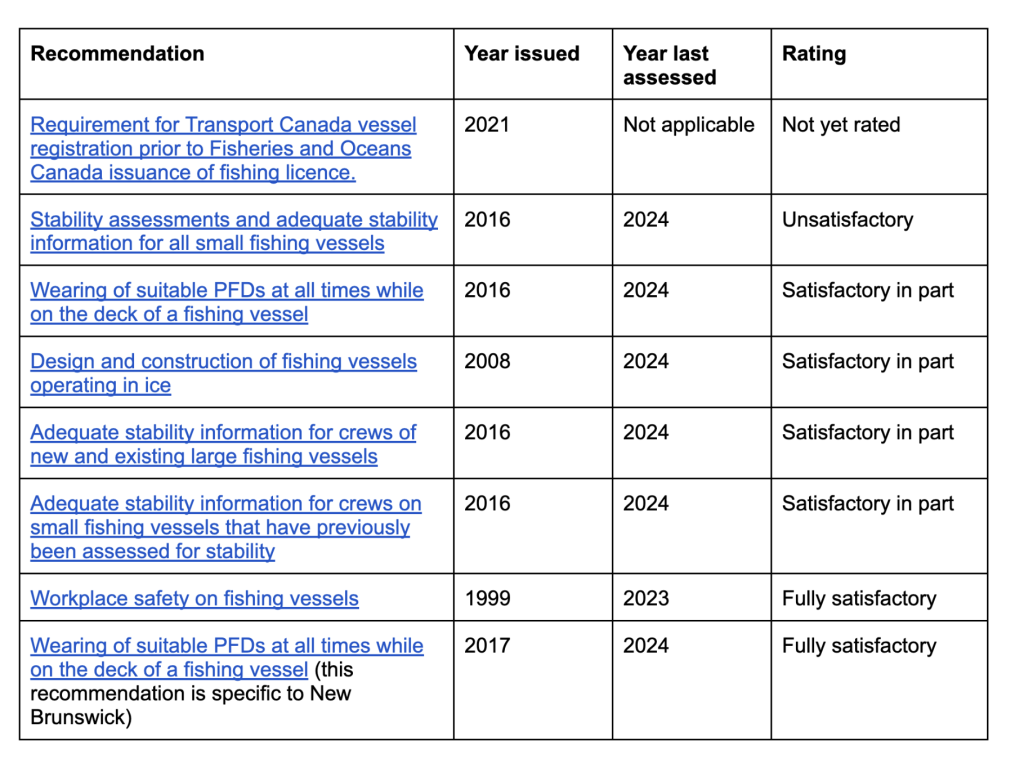
Between 1992 and 2010, the TSB made 42 recommendations to improve safety aboard commercial fishing vessels. In 2010, fishing vessel safety was formally added to the TSB Watchlist, at which time the agency added seven new recommendations. Now, of the 49 total recommendations, eight are “active” (see Table 1), while the others are “closed” (meaning the board has determined the safety deficiency has been fixed, or the risk is low enough) or “dormant” (meaning residual risk remains but the TSB doesn’t plan to take further action).
There’s been some movement toward developing a safety culture in commercial fishing, the TSB says, but progress has been inconsistent among fishing communities. “Some fisheries have near 100% compliance with the requirement to wear a PFD while on deck, and others have much lower compliance,” the board cites as an example. While “in some harbours, all fishing vessels are equipped with emergency position-indicating radio beacons (EPIRBs) even if they are not required to be, but in other harbours, only some fishing vessels are equipped with these devices.”
When it comes to safety, the TSB notes that the actions of local unions and processors have gone a long way. For example, developing guidelines for vessel modifications and stability, developing codes of best practices for their fisheries, and providing subsidies for safety equipment.
There are three prominent examples of local leadership in Newfoundland and Labrador.
Since starting the 2002 “Nothing Says I Love You Like a PLB” campaign, which included a subsidy for fishers (first enterprise owners/operators, and later extended to crew) to purchase Personal Locator Beacons (PLBs), the campaign has sold 1,437 PLBs. The campaign is the work of a local coalition comprised of the Professional Fish Harvesters Certification Board (PFHCB), the Fish Harvesters’ Resource Centre (FRC), the FFAW, and the Newfoundland and Labrador Fish Harvesting Safety Association (NL-FHSA), which came together to bulk purchase 2,500 PLBs to sell to enterprise owners/operators at a subsidized cost of 60 per cent the purchase cost. To meet the eligibility criteria, fish harvesters are required to have valid PFHCB certification in the year of PLB purchase. The campaign continues today and details are available at the NL-FHSA website.
In 2023, the NL-FHSA launched its Fishing Vessel Safety Designate (FVSD) program, a free online course which meets provincial training requirements prescribed in the Occupational Health and Safety Regulations in Newfoundland and Labrador and developed in partnership with commercial fish harvesters in the province. Upon completion, harvesters receive certification as a FVSD for their vessel, and are eligible for five land-based education credits with the PFHCB and a free PLB. Since the program launched, there have been 578 FVSD certificates issued and 521 PLBs awarded. As these PLBs were allocated from the coalition’s total, that means to date 78 per cent of the 2,500 PLBs have been distributed, with 479 still available as FVSD training incentives and 63 PLBs for sale to professional fish harvesters. More information on these programs is available on the NL-FHSA website.
Meanwhile, as of September 2022, the Labrador Fishermen’s Union Shrimp Company had equipped 100 of its vessels with EPIRBs.
Just as we can learn from fatal incidents, we can learn from stories of survival too, says Greenslade. This year saw two remarkable near misses: in July, the rescue of the entire seven-man crew (“The lucky seven,” as they’re now called) of the Elite Navigator, who deployed their life raft when their boat caught fire; and last February, the rescue of the Cape Cordell crew, whose ship ran aground near Fortune Harbour during a winter storm.
“We don’t hear those stories so much about survival. We mostly hear about the losses,” she says. “But there are a lot of people out there who face challenges and risks, dangerous situations, and survive.”
Greenslade co-developed the Fishing Vessel Safety Designate (FVSD) program that illuminates survival stories and the voices of those out on the water.
She says understanding how crews beat the odds is the ultimate anchor.
Ultimately, a test of whether the industry has moved to a safety culture will be when the right thing to do (like wearing a PFD) becomes the easy choice.
“The issue of commercial fishing safety will remain on the Watchlist until there are sufficient indications that a sound safety culture has taken root throughout the industry and in fishing communities across the country,” reports the TSB, which offers four actions it says are necessary to move in that direction (see Table 2).
Before it’s too late…
It’s been 46 years since Brenda Gould’s husband Gabriel didn’t show up for supper.
Still, she watches as other families grapple with the same horror: disaster strikes and the waiting begins. Then, by the time families and communities find out their loved ones are in trouble, it’s often too late.
“This fishing industry is very complex and complicated,” says Brenda Greenslade, “and there has to be a way that people can understand it.”
A big part of the solution is before our very eyes, she says.
“I think the best way for that to happen is for fish harvesters to talk to fish harvesters.”
A career in fishing safety behind her, Greenslade wonders: “How many people does it have to happen to before you get the message?”
In Newfoundland and Labrador, fishing “is a family affair,” she points out. “The enterprises are full of family members.”
But with the close bonds woven throughout the job and the industry, there’s also a false belief that the high risk of tragedy is inevitable, she says.
“That fatalistic attitude that you can’t survive — that’s not true, and people need to realize that.”
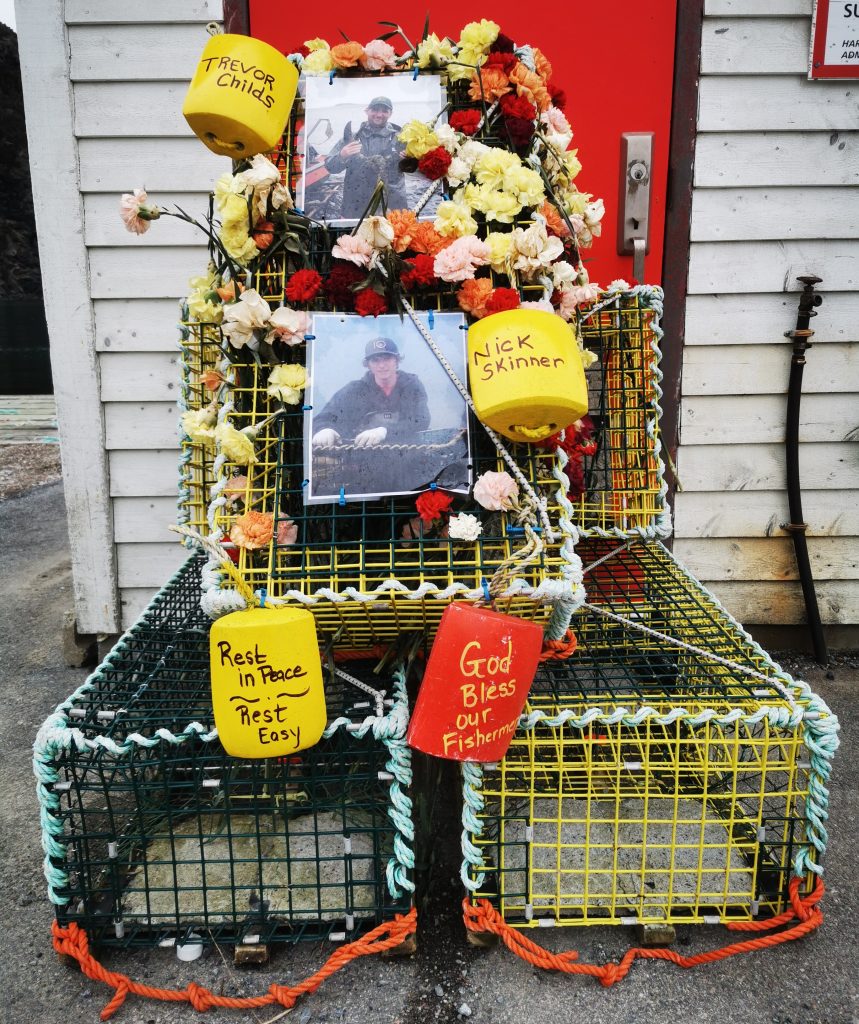
Seasplainer honours the Newfoundland and Labrador fishermen who lost their lives at sea between 2020 and 2024.
For inshore fishermen and women dealing with trauma after incidents like the ones we describe, they can access PTSD coverage through workers compensation (WorkplaceNL). For anyone else, 811 can connect you with mental health supports in your community.
Correction: A previous version of this story said Brendan Gould was 22 years old when he passed away in 1989. He was in fact 23.

Authors


Related Articles
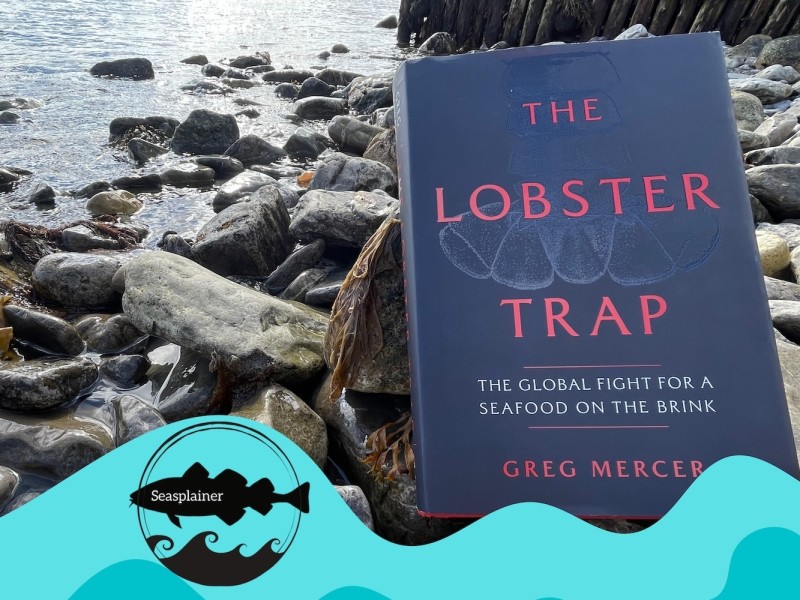
The Lobster Trap: Why Atlantic Canada’s golden fishery may be headed for collapse
Greg Mercer’s book exposes how million-dollar debts, climate change, and market forces are pushing harvesters—and lobster—toward the breaking point
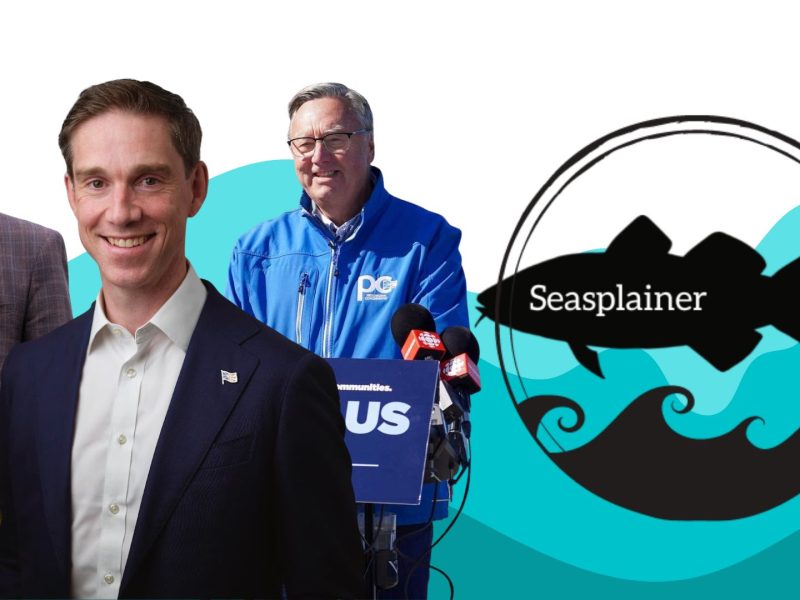
N.L. parties agree we need more say on fisheries — but what about climate change?
What three party leaders said about provincial fisheries and ocean priorities—and what they didn’t say
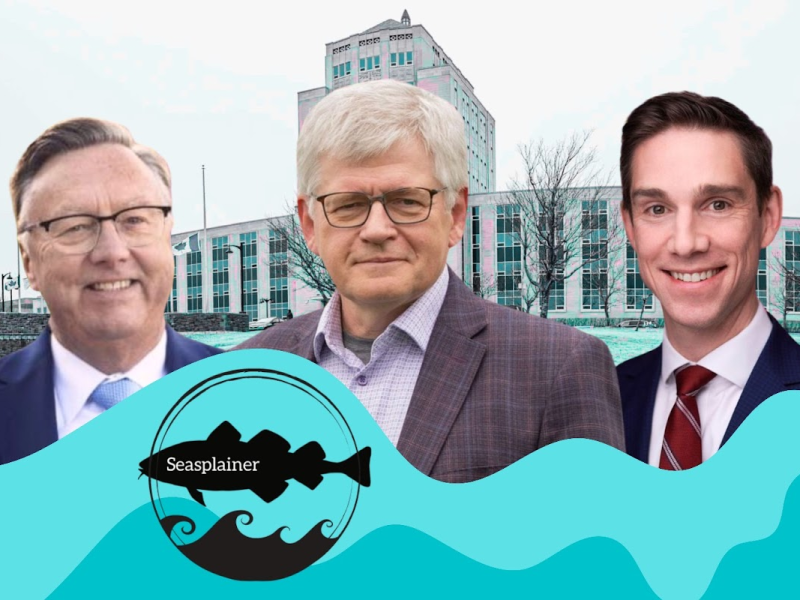
Where N.L. parties stand on fisheries and ocean priorities
Ahead of the provincial election, all parties agree the province needs a stronger voice with Ottawa, but they diverge on priority areas