
The Lobster Trap: Why Atlantic Canada’s golden fishery may be headed for collapse
Greg Mercer’s book exposes how million-dollar debts, climate change, and market forces are pushing harvesters—and lobster—toward the breaking point
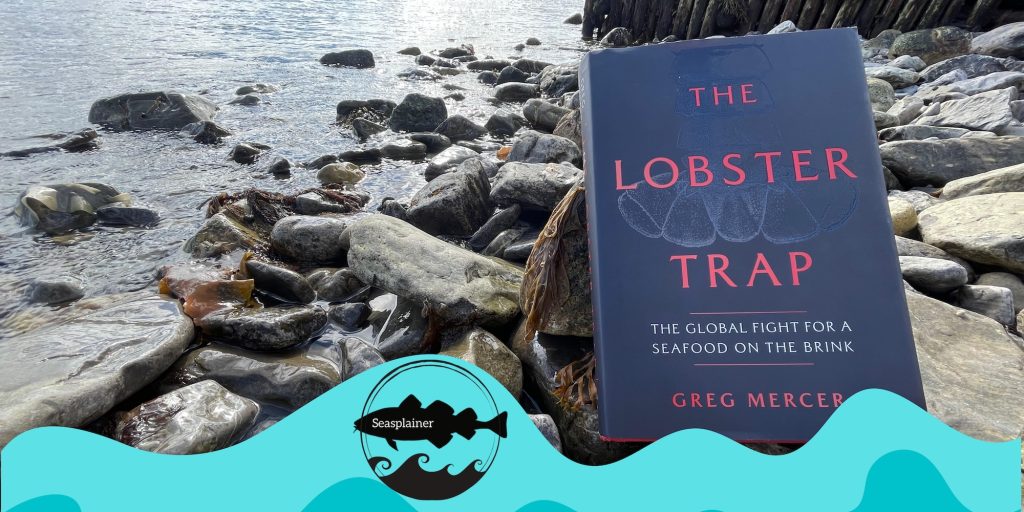
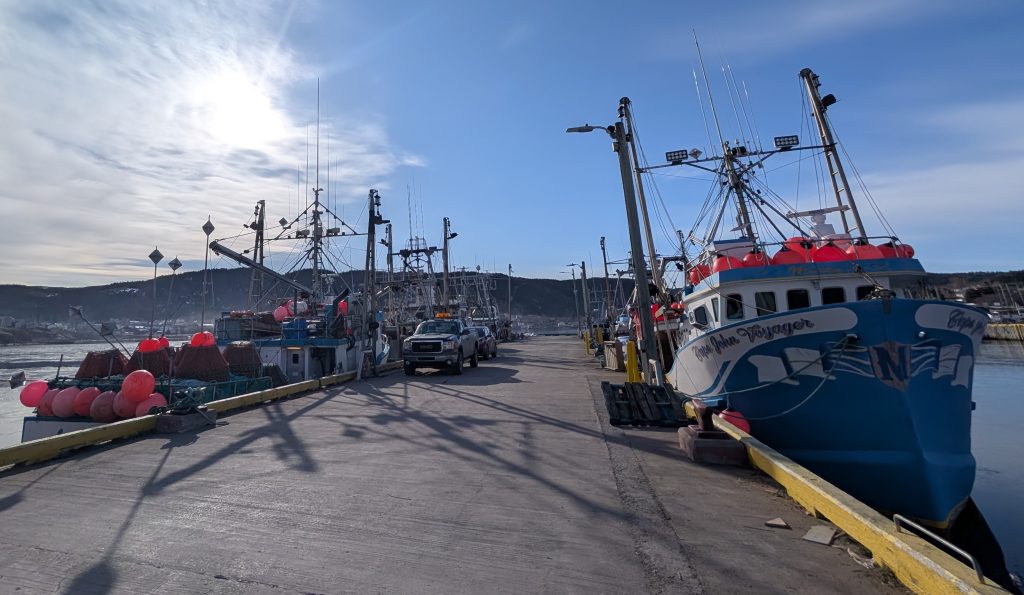
You don’t have to go far in coastal Newfoundland and Labrador to see it: Traps piled high on wharves, setting day a buzz, once more breathing life, promise and money into fishing communities.
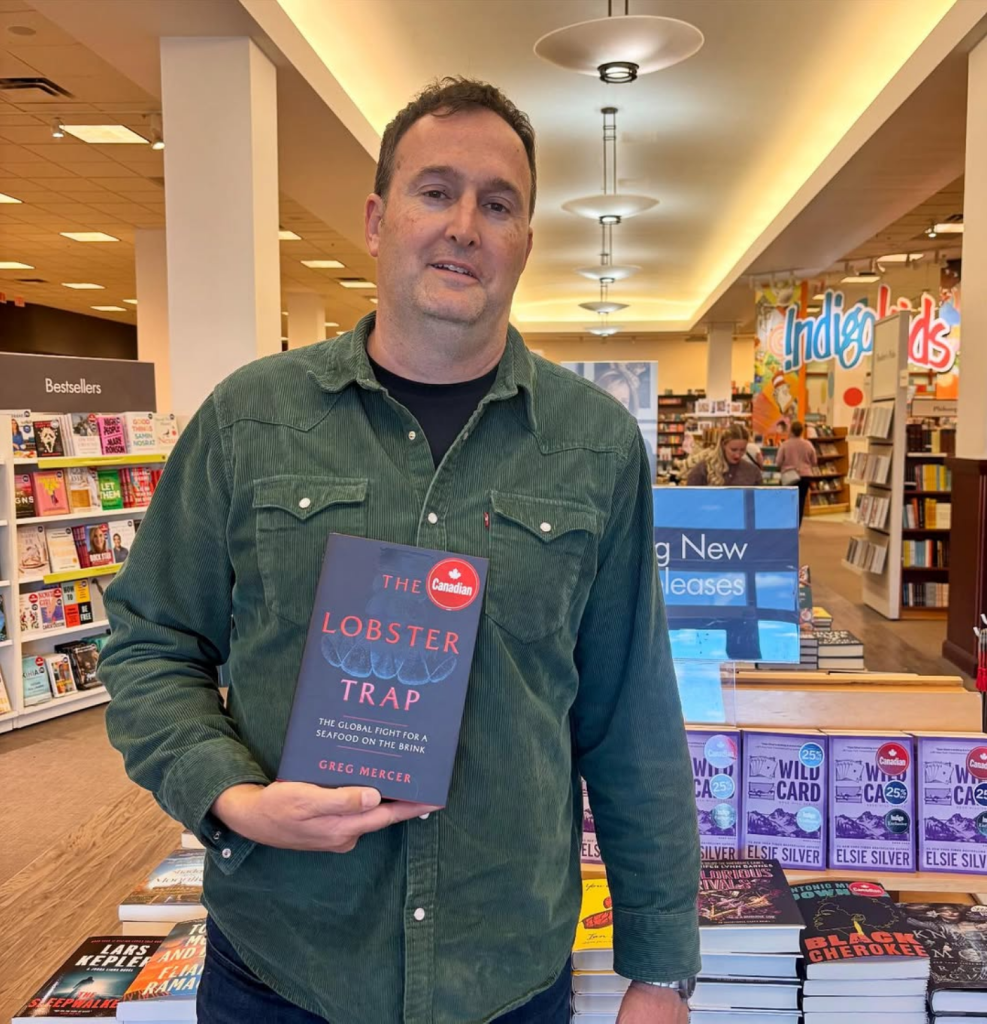
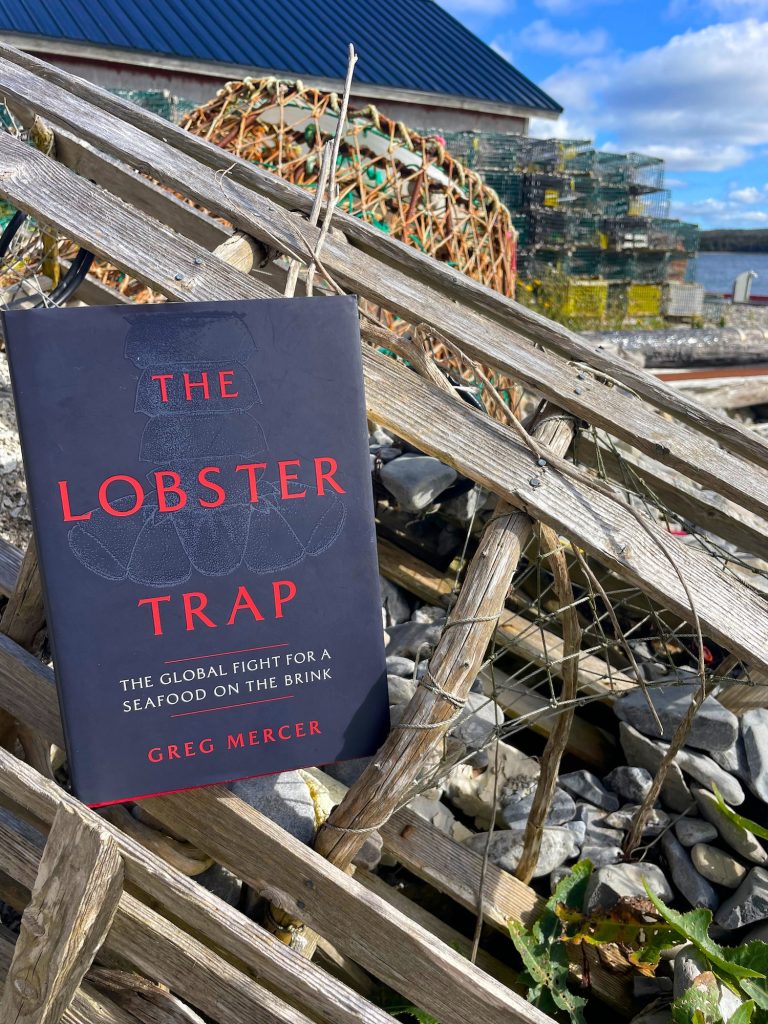
Lobster—one time considered a poor man’s food—now fuels a multi-billion-dollar machine. But investigative reporter Greg Mercer’s book, The Lobster Trap: The Global Fight for a Seafood on the Brink, tells a different story, one unfolding both above and below the ocean’s surface.
In a recent conversation with The Independent, Mercer pulled back the curtain on an industry creating enormous wealth and endless heartache at a time when climate change, market swings, and what he calls “financial traps” are impacting harvesters’ livelihoods in dramatic ways.
Will you stand with us?
Your support is essential to making journalism like this possible.
The Financial Trap
The book’s title captures a cruel paradox facing younger harvesters entering the industry today. They’re stuck.
“It’s common for a fisherman to carry a million-and-a-half to sometimes $2-million in debt just to enter the fishery,” Mercer explains. “When you’re carrying that kind of debt load, you cannot afford to slow down.”
This isn’t the lobster industry of decades past. In the 1990s, lobster transformed from a smaller-scale, seasonal regional fishery into a massive global export machine. License values skyrocketed. In Canada’s limited licensing system, you can’t buy a license from the government—you have to buy from someone who already has one, and the market sets that price.
That financial pressure creates a race to the bottom. Harvesters fish harder and harder to service their debts, even as they see real signs the resource is dropping off. It’s a system that rewards short-term extraction over long-term sustainability—exactly the kind of dynamic that led to the 1992 cod fishery collapse.
“We’re seeing that because of those financial pressures, and because the money has been so good, people are fishing harder and harder and harder to pay off those debts,” says Mercer. “It is only speeding up the decline of what we know is a finite resource.”
A tale of two fisheries
The story of lobster in Atlantic Canada has become a study in contrasts. Northern regions are seeing a boom. Southern regions are already experiencing dramatic declines.
Mercer points to what’s happened south of the border as a warning. The heart of the American lobster fishery was once found in places like south of Cape Cod, where they caught enormous quantities of lobster. In the span of just a couple of decades, that fishery has almost completely collapsed.
“Canadian fishermen look at that and say that is incredible—in the lifetime of a single fisherman, it’s an incredible amount of change,” says Mercer.
And Canadian harvesters are already seeing the same troubling signs in their own waters.
“They’re telling me things like, where we used to catch lobster two years ago, we’re not finding lobster anymore,” says Mercer. “Or the weeks of good fishing within a season are becoming shorter and shorter, and then we have to go further and further out to set traps that are actually coming back full.”
Scientists project that warming waters and other changes in the Northwest Atlantic will cut lobster catches by two-thirds by 2050. For harvesters on the water every day, that future is already arriving.
“The pace of the change has been so alarming,” says Mercer. “There’s not a fisherman out there who isn’t seeing changes even within [or] from season to season.”
The myth of lobster money
From the outside, lobster fishing looks lucrative. The pickup trucks, the boats, the visible signs of prosperity at the wharf. But Mercer’s book reveals a more complicated reality—one obscured by debt-loads and rising operational costs.
“There’s also a myth around this,” says Mercer. While established harvesters who bought their licenses and boats decades ago aren’t carrying the same debt load, younger harvesters face tremendous financial pressure.
“If you’re a new fisherman, perhaps in your 20s, the pressure you’re under is incredible,” he says. “That leads you to take greater risks than maybe your grandparents might not have, and go out on days that maybe you otherwise wouldn’t go out on because those debts need to be serviced.”
The system creates winners and losers. Lobster, as a natural resource, is supposed to be collectively owned. But only a select number of people actually get to fish it on a commercial scale—those who can afford the million-dollar entry fee.
Colonial legacies and Indigenous exclusion
That exclusion has been particularly acute for Indigenous communities. Mercer traces this back to the 1700s, when British colonial governments signed treaties with the Mi’kmaq, Wolastoqiyik, and other Indigenous groups. Those historic treaty rights to fish have largely been shut out of the commercial lobster boom.
“As the boom has really taken off, the cost to enter the fishery has been so high,” says Mercer. “If you’re coming from an Indigenous community, the access to capital to buy into the industry has not been there.”
In recent years, some First Nations have asserted their right to regulate their own commercial fisheries, leading to violent confrontations with non-Indigenous harvesters who see them as new competitors playing by different rules. While that violence has calmed down, the underlying tensions remain.
“This is an industry that does have a streak of vigilantism that has run through it almost since the very beginning,” says Mercer. “Long before we saw the fight over the Indigenous fishery, it was common for fishermen to fight with each other if you put your traps in someone else’s traditional spot.”
Fishers as frontline scientists
Despite the competitive pressures and financial constraints, Mercer found that harvesters themselves often understand what needs to change. Throughout the history of lobstering, they’ve led the way on conservation measures—throwing back egg-bearing females, and increasing the size of escape hatches in traps to allow smaller lobster to grow.
“Lobster fishermen are on the water more than anyone, and they’re seeing these changes firsthand,” he says. “This is their livelihood. This affects them directly more than anybody else, and they care about this fishery. They want their kids to have a viable fishery.”
The challenge is that market forces push harvesters to catch as much as they possibly can. Without systemic changes—in policy, in financing structures, in how we value conservation over extraction—individual good intentions can’t overcome collective pressures.
“Without their full cooperation, any efforts to try to make changes are not going to be successful,” says Mercer. “You need to put them at the table and listen to their ideas.”
The consumer connection
The demand side of the equation can’t be ignored either. Global markets want lobster as big as possible, all year round, plentiful and cheap. But those jumbo lobsters everyone prizes, they’re also the best breeders in the species.
“We may have to accept that lobster prices will continue to rise if they become more scarce,” says Mercer. “We also have to make decisions, sometimes in the interest of the species, rather than what consumers want.”
That might mean regulations preventing the harvest of the largest lobsters. It might mean accepting that locally caught lobster becomes more expensive, as has happened in Europe. It definitely means recognizing that consumer demand drives many of the challenges facing the fishery today.
‘Managed Annihilation’ redux?
The parallels to the cod collapse are impossible to ignore. Memorial University’s Dean Bavington wrote about that disaster in a book called Managed Annihilation—a stark indictment of how fisheries management turned a renewable resource into a non-renewable one.
The observation points to a fundamental conflict built into how Canada manages fisheries: DFO has responsibility for both conservation and commercial promotion. When those interests clash, history shows which one tends to win.
“Let’s make fisheries policy decisions based on ecological factors rather than economic ones,” Mercer urges. “That’s easier said than done. No politician wants to be the one who’s calling for a real slowdown in any fishery, especially one that means as much as lobster does to Atlantic Canada.”
Lobster has helped swing elections in Atlantic Canada. It’s not popular ground for politicians to walk on. But the alternative—waiting until collapse forces action—carries far greater costs.
“We need governments to fund good science so we have an accurate picture of what’s actually happening under the surface, not just based on landings,” says Mercer. Landings don’t tell the whole story because they’re obscured by unreported catches, black market sales, and the simple fact that harvesters can maintain catch levels even as the underlying population declines—right up until they can’t.
What’s at stake
At the end of the conversation, Mercer returned to a simple but crucial point.
“Lobster—it’s not guaranteed they’re going to be here forever,” he says. “Let’s not take this for granted. We have been given this incredible natural resource that, for a variety of reasons, only seems to thrive in our waters, in Atlantic Canada and in parts of New England. No other place in the world sustains this species of lobster, and so it’s very special, and you can’t recreate it.”
Scientists have tried to grow lobster in laboratory settings. They can’t replicate what the ocean does naturally. Once it’s gone, it’s gone.
“It’s generated a lot of wealth and a lot of jobs,” says Mercer. “Let’s treat it with the respect that it deserves, and let’s take it seriously.”
Shellfish after groundfish
What makes Mercer’s warning so urgent is that there is no back-up plan if Atlantic lobster collapses. Shellfish became Atlantic Canada’s economic lifeline after groundfish stocks tanked. Now, with shellfish stocks showing their own signs of stress, there’s no obvious next resource waiting in the wings.
What was cod is now lobster. Shellfish came along at a time when groundfish had tanked. But what comes along the line if shellfish tanks?
The question isn’t hypothetical. It’s happening in real time, visible to anyone willing to look at the empty traps, the longer distances traveled, the shortened seasons, the warming waters.
The knowledge is there. The frontline observations are there. The historical precedent is there. The question is whether the political will exists to act on what we already know—before it’s too late.
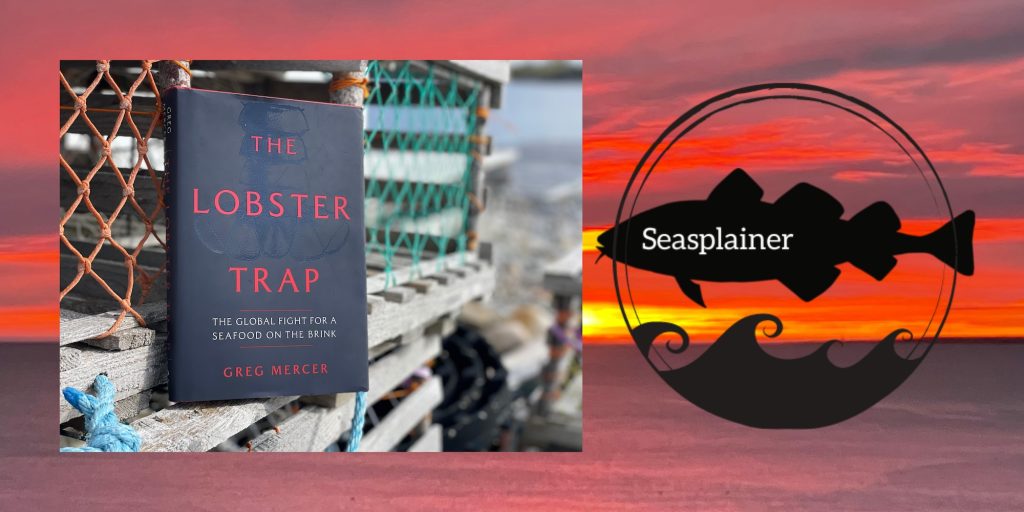
Greg Mercer’s The Lobster Trap: The Global Fight for a Seafood on the Brink is published by McClelland and Stewart. Listen to the full conversation on the berrygrounds podcast.

Authors


Related Articles
N.L. parties agree we need more say on fisheries — but what about climate change?
What three party leaders said about provincial fisheries and ocean priorities—and what they didn’t say
Where N.L. parties stand on fisheries and ocean priorities
Ahead of the provincial election, all parties agree the province needs a stronger voice with Ottawa, but they diverge on priority areas

Politicizing science: how quota quarrels lose sight of sustainable fishing
Doubling Northern cod catch limits ran counter to what scientists and key stakeholders called for — so what’s behind the decision?