
It’s time to fix MCP and strengthen public healthcare
Instead of looking to the private sector for answers, the provincial government should be investing in our public healthcare system

Universal, accessible, free healthcare is a part of Canada’s national identity and a source of pride for Canadians. Most developed countries offer universal health coverage, and while some public healthcare systems are thriving, ours is slowly being eroded by attempts at privatization, including through public-private partnerships.
Public healthcare is an investment in ourselves, our communities and our futures. Free prenatal care improves birth outcomes. Healthy kids have a better chance of being healthy adults. Healthy adults have a better chance of aging well. Free immunizations keep our communities safe. Free access to primary care reduces the likelihood of developing long-term chronic diseases.
Free hospitals mean people can access the care they need when they are seriously ill or have accidents or emergencies. Access to healthcare keeps us well as a population, which advances the health of our communities. Without these things, our population will get sicker.
In addition to the economic and health benefits, public healthcare is also a matter of basic human dignity. It respects the innate worth of our fellow residents, regardless of their social standing. It reflects our values as Newfoundlanders and Labradorians, and as Canadians.
Will you stand with us?
Your support is essential to making journalism like this possible.
Canada began its transition to universal health care—known as Medicare—after Saskatchewan Premier Tommy Douglas ushered in antecedent programs in his province in the late 1940s. The federal government introduced national medicare in the 1960s, and by 1971 all Canadian provinces and territories implemented their own universal health care systems.
The principles of universal medical care in Canada are public administration, accessibility, universality, portability and comprehensiveness. All provinces and territories work under the Canada Health Act with the primary objective of ensuring access to health services without financial barriers. Each province and territory is responsible for implementing its own system of delivery with the federal money they receive. Newfoundland and Labrador’s system is the medical care plan, better known as MCP.
Founded in 1969, MCP covers the cost of insured services for residents who qualify, in compliance with Canada’s Health Act. The MCP system lets physicians, surgeons, pharmacists and dentists bill MCP for eligible services so people don’t have to pay for these services out of their own pockets. Residents can present their MCP cards to hospitals or clinics and receive free access to care.
Nurse practitioners (NPs) have been excluded from the list of care providers eligible to bill MCP, which forces them to work only in health services run by the provincial health authority, such as clinics or hospitals. If they want independence, or if they see a need or a gap in services in an underserved community, they can set up private clinics but must charge people out of pocket, since MCP will not cover them.
The provincial government has spent years telling nurse practitioners there is no sense in putting them on the list of providers who can bill MCP in the public system because MCP is on its way out. Not only is MCP still here — there’s no plan in the works to replace it.
In April, Newfoundland and Labrador Auditor General Denise Hanrahan released a report based on her audit of the MCP program from 2021 to 2024. Hanrahan notes inefficiencies and vulnerabilities in the system, including IT issues related to its out-of-date and aging infrastructure, issues with physician double-billing for Workplace NL-insured services, concerns about dental billings, and a general lack of oversight. The report also identifies issues with claims entry, processing and monitoring. Many of Hanrahan’s findings mirror the auditor general’s last MCP investigation 10 years ago.
Ultimately, the report recommends better oversight for the distribution of public funds. But it begs the question: why was nothing done about this over the past decade?
Nurses have been pitching solutions
Historically, the most vocal critics of the MCP system have been its biggest users: private-practice community physicians trying to use it to earn their living and keep their practices going. They say it’s cumbersome, inefficient, and adds an unnecessary administrative burden to their already full days. Fee-for-service family physicians can bill MCP $37 per basic in-person visit, then use a series of codes for anything they do in that basic visit that’s not already covered. They are paid $47 per phone visit. The Newfoundland and Labrador Medical Association (NLMA) says its members can’t see or correct which MCP codes they have used, or even track if they are using the system correctly.
For years, nurse practitioners have argued their services should be covered by MCP so they don’t have to charge patients for healthcare services. The Registered Nurses’ Union Newfoundland and Labrador (RNU) and the Newfoundland and Labrador Nurse Practitioner Association (NLNPA) have both called on the government to publicly fund nurse practitioners in independent practice and publicly fund NP-led clinics. In December 2024, RNU President Yvette Coffey reiterated that call. “Improving access to primary care means embracing a collaborative approach, where nurse practitioners are given the autonomy and funding to lead multidisciplinary teams, create programs tailored to their communities, and deliver care where and when it’s needed most,” she said.
In response, the province has said it is not a good system and is going to be replaced. There is no plan to replace it.
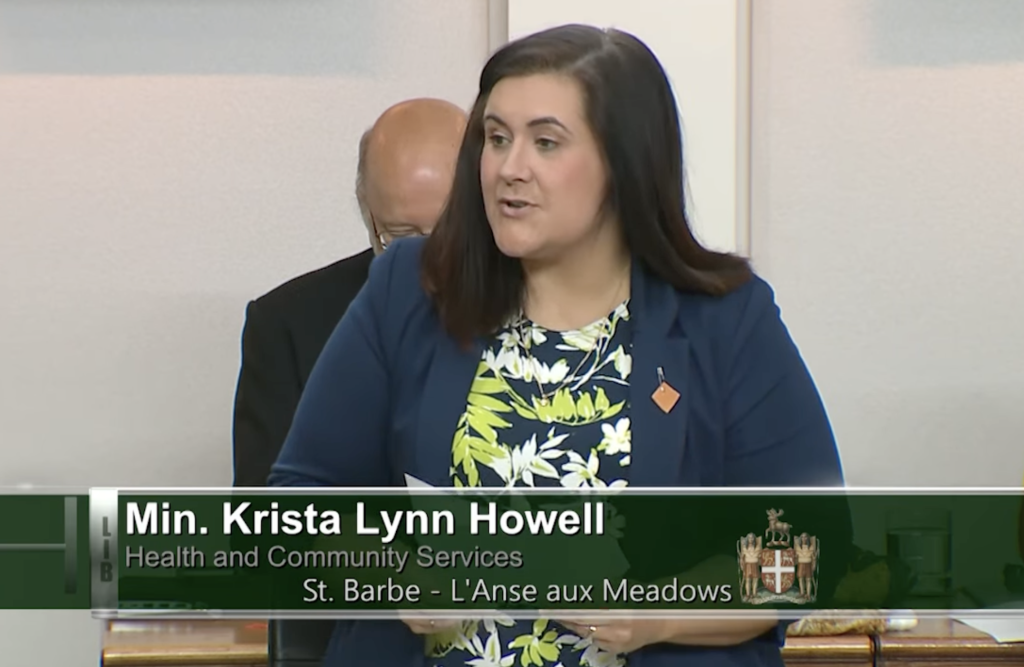
The provincial government released its self-titled health care budget in 2024, which, oddly enough, doesn’t mention nurse practitioners.
For its part, the federal government has said provinces which contravene the Canadian Public Health Act by forcing NPs to bill privately for essential services like primary healthcare have until April 2026 to come up with a medical care plan that includes private-practice NPs. If the provinces don’t comply, they could lose a portion of federal funding. Some nurse practitioners are concerned this could be used to close private NP-run clinics instead of publicly funding them as the unions have been calling for.
While MCP doesn’t cover healthcare services offered by nurse practitioners, it does cover those provided by private companies like Medicuro, Teladoc and Phonemed, so there are legitimate concerns about the growing use of private companies to provide public health care, paid for with public funds. Teladoc, a private American company, was awarded a two-year $22-million contract from the province in 2023 to provide virtual healthcare to those who show up to understaffed emergency rooms, and to the then-estimated 15,000 people on the province’s patient connect waitlist for a primary care provider in a family care team.
The nursing crisis is big business
Private staffing companies provide our public system with travel nurses. They pay their registered nurses and nurse practitioners double the wages that NL Health Services pays those who opted to stay in the public system. The private companies also make a hefty profit themselves. But they are funded by our public system, in 2023 alone to the tune of $90 million. Healthcare makes up about 40 per cent of the province’s budget, and Newfoundland and Labrador has the highest healthcare spending per capita of all provinces — 36 per cent higher than the Canadian average, and 14 per cent more than Nova Scotia.
Where is this public money going? Can it be used more efficiently? Who is checking real outcomes in patient health and access and in retention—not just recruitment—of staff? Newfoundland and Labrador also has the highest acute care hospital spending per capita in Canada. Emergency departments are blocked with people waiting for hospital beds. Hospital beds are blocked with people waiting for long-term care, leading to massive and unnecessary spending. Meanwhile, too much of long-term care in the province is private. The backlogs all trickle down, and Newfoundland and Labrador ranks lowest among provinces for healthcare access.
All essential healthcare should be free, not just healthcare provided by a physician — and certainly not just healthcare delivered through a contract with a private corporation.
How is it there’s still no formal plan on the table to replace MCP with something that works for patients and their caregivers, and includes nurse practitioners? The problems with our current system are well documented and long known. Nurse practitioners, physicians and patients are bringing forth workable solutions proven to work in other provinces and countries.
It’s time to stand up for the basic principles that universal healthcare was founded on and build a public system to provide universal healthcare to the people of Newfoundland and Labrador.

Author

Related Articles
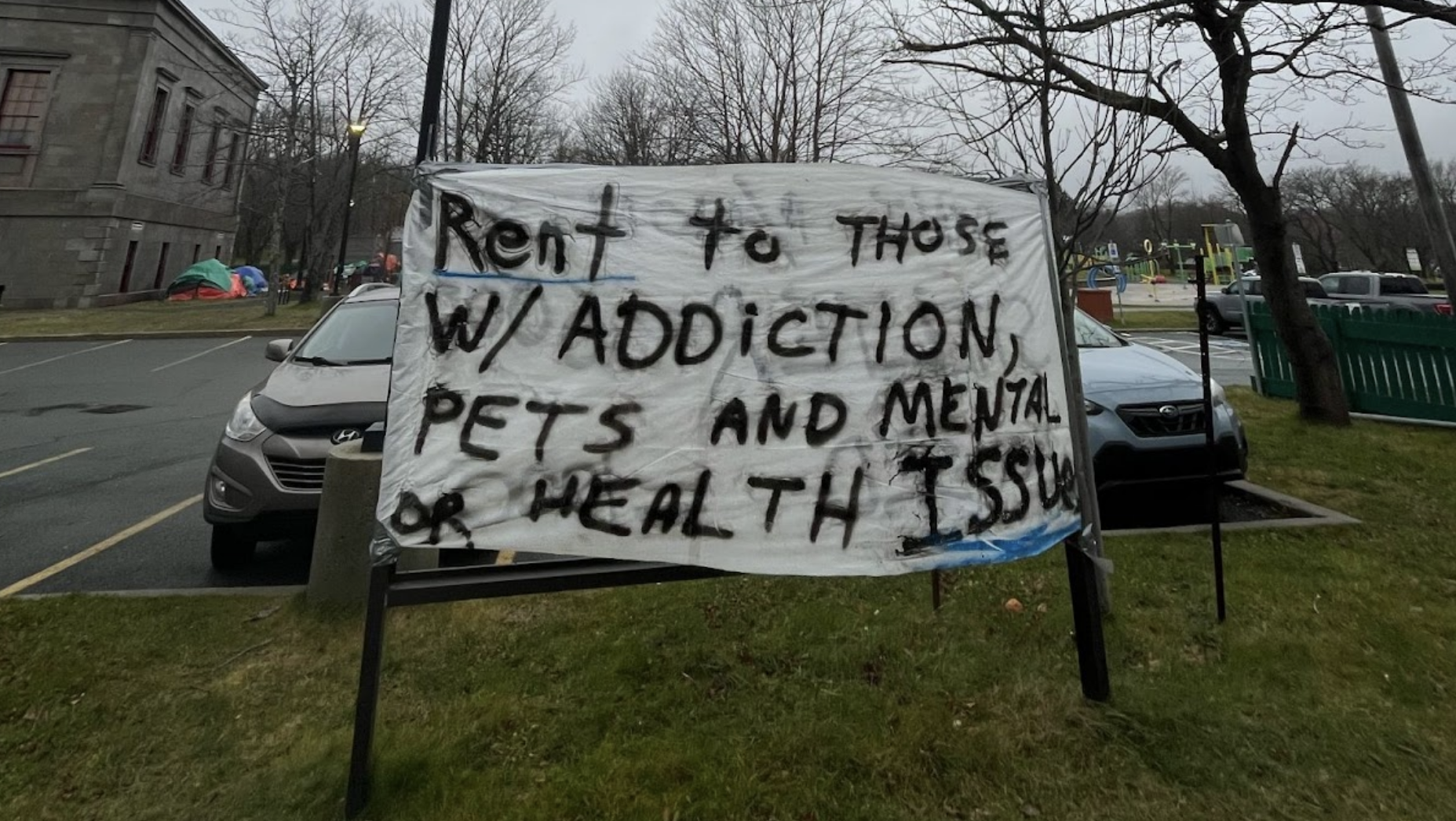
Let’s make housing and mental health an election issue
It’s time to ask all municipal and provincial candidates what they would do to address the intersecting crises

On healthcare, you don’t know what you got ‘til it’s gone
What’s at stake in the federal election? And why are nurses and other healthcare professionals sounding the alarm?

Eliminating Hepatitis C
From an unknown virus to an incurable one, Hepatitis C has now become a very treatable infection, inspiring optimism about the future.