
MCP is For Some But Not All
In Newfoundland and Labrador, health care isn’t always part of the welcome package.

Not everyone who lives in Newfoundland and Labrador was born here. We aren’t all of Irish or English descent. We aren’t all white and we don’t all speak English as our first language. We haven’t all spent generations on this rock. But we all call it home nonetheless. I say “we,” because I count myself among them.
When I moved to Newfoundland and Labrador as a Canadian from another province, I never wondered about getting health care. I was covered by my home province until Newfoundland and Labrador’s coverage kicked in just three months after I arrived. In that time, I was never concerned about not being able to access medical care if I needed it.
A lot of newcomers to the province don’t have it so easy. In fact, getting access to health care is disproportionately harder for racialized Newfoundlanders and Labradorians who were born outside of Canada. This has to change. But first, this issue has to be acknowledged.
Health care, when you’re not from around here
Will you stand with us?
Your support is essential to making journalism like this possible.
It is not easy to get health care coverage if you are an international newcomer to the province. People moving to Newfoundland and Labrador who are not Canadian citizens can apply for MCP coverage, but only if they provide specific documents that demonstrate they legally reside here. These include things like a letter from an employer that guarantees their employment for one year, a lease or mortgage in their name, utility bills in their name, proof of the taxes they’ve paid to the province. Their applications will be approved only if they meet the eligibility criteria. Meeting this criteria largely requires applicants to already be financially established here in the province.
These requirements create obstacles and gaps in coverage. There are many people in Newfoundland and Labrador who aren’t covered: international students after they complete their school programs, refugees who aren’t government-sponsored, certain immigrants and asylum-seekers, people who stay in the province after their work permit has run out, people here on visitor visas, people awaiting their Canadian permanent residency or refugee status, and children who are not born here whose parents fall under any of the above categories. These are people in need. These are our fellow Newfoundlanders and Labradorians.
International students
Newfoundland and Labrador welcomes many international students to the province. In fact, last fall Memorial University revealed that while local and national enrolment has dropped, international student enrolment continues to grow. When they are in school full-time, international students are covered by MCP. But once they graduate they lose their coverage. If they decide to stay and look for work, they lose that coverage. They can regain it eventually, but first they must apply and await a closed or open work permit and a letter from an employer saying they are employed full-time for at least a year.
Obtaining this is easier said than done. Full-time or long-term work is difficult to find these days. Many new Newfoundlanders and Labradorians find themselves doing short-term contracts or part-time shift work without contracts at all. They take customer service positions at Sobeys, Dominion, or Tim Horton’s. They work for security companies. They also work in homecare. They might get up early, stay up late, or even work all night. They might work irregular shifts, perform front-facing jobs where they deal with the public, or care for our loved ones. There are people who work in our hospitals and clinics but can’t get MCP coverage for themselves from that same place. They might earn minimum wage, and be taxed on those wages, yet they aren’t covered by MCP.
Refugees and asylum-seekers
Government-assisted refugees are welcomed by Canada’s federal government from sponsoring agencies, and placed without their input into different provinces. GARs need to apply for MCP coverage when they arrive in Newfoundland and Labrador, but in the meantime they are covered by an interim federal health program. Privately-sponsored refugees, however, have no federal health coverage and remain without coverage until they apply and are approved for MCP. Privately-sponsored refugees are sponsored either by members of their own families who are already here working and saving money for the process, or by charitable groups and advocacy organizations.
The process by which privately-sponsored refugees access MCP is not equitable. For example, Ukrainians fleeing the terror of war were welcomed to Newfoundland and Labrador and given immediate MCP coverage, as they should be. But this immediate coverage is not offered to all refugees and asylum seekers. Many newcomers who have also fled war and persecution—and who may have also been residing in the province for years—still do not receive such coverage. These newcomers also happen to be predominantly racialized peoples, arriving from places like Congo, Eritrea, Syria, Afghanistan, and Sudan.
Asylum seekers face injustices or persecution in their own countries for their sexuality, gender, race or ethnicity, for their religious or political beliefs, their family ties, or their community involvement in certain activities. They can show up for sanctuary in Newfoundland and Labrador, and wait years for their statuses to be reviewed, approved, or appealed. They can spend all their savings on lawyers just trying to stay here. All the while they might be working and paying taxes and putting their kids in school here—yet still can’t get MCP coverage for themselves or their children who were not born here.
Home is where the health care is
This lack of coverage is leaving people scared. Scared to go to Emergency if they are sick. Scared to see a provider if they are pregnant. Scared to take their kids to the Janeway when they feel unwell. When it gets to the point that avoiding care is impossible, people get the care anyway and are often left with bills they can’t afford, for services many of us take for granted: a blood pressure check, an exam by a nurse practitioner or a medical doctor, blood work, or diagnostic imaging. Without coverage, people either delay care or don’t get care at all. This is not acceptable. It’s not right that someone can make their home in Newfoundland and Labrador, work here, pay taxes here, raise their families here, and still not qualify for basic health care coverage.

There are millions of people displaced worldwide; some find themselves here in Newfoundland and Labrador. We need a fair and just way to care for them as they try to call our province home.
Many immigrants come here to work or to go to school. They can apply for work or study permits. They are given a promise of a job, or an education, and a better life. Why not make health care a part of that, too?
MCP has outdated policies when it comes to approving access to health care, and these policies seem prejudicial toward those coming from outside Canada—particularly people of colour. These policies are inhospitable, and must be changed.
Everyone deserves free access to health care. If we are continuing to welcome newcomers to the province, we have to make health care part of that hospitality. It’s time for MCP to be held accountable and change their policies to include all Newfoundlanders and Labradorians.

Author

Related Articles
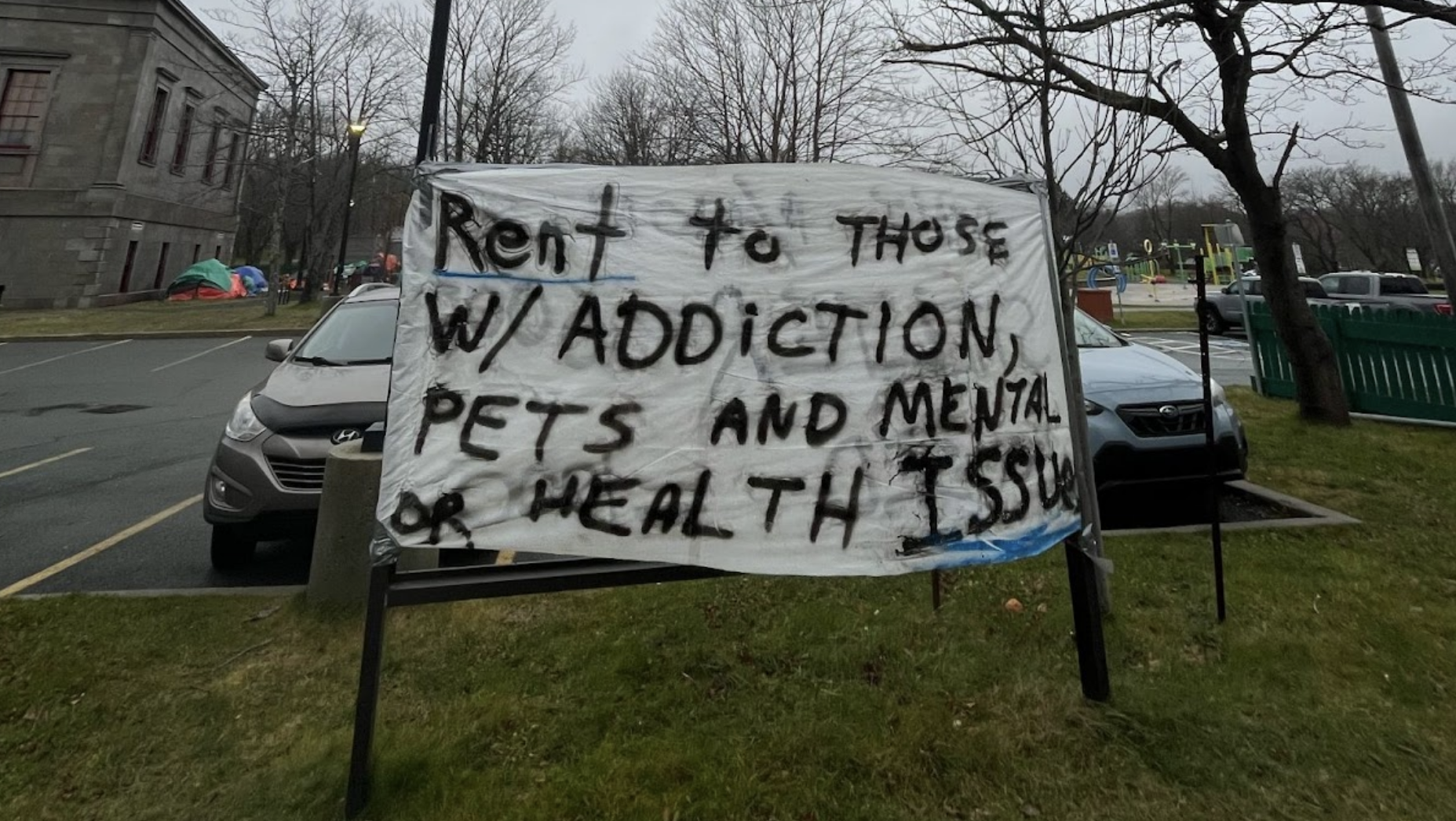
Let’s make housing and mental health an election issue
It’s time to ask all municipal and provincial candidates what they would do to address the intersecting crises

It’s time to fix MCP and strengthen public healthcare
Instead of looking to the private sector for answers, the provincial government should be investing in our public healthcare system

On healthcare, you don’t know what you got ‘til it’s gone
What’s at stake in the federal election? And why are nurses and other healthcare professionals sounding the alarm?