
Naloxone is Just the Beginning
The recent string of fatal fentanyl-related overdoses is prompting a wider-distribution of naloxone kits. It’s a good first step, but we must go further.
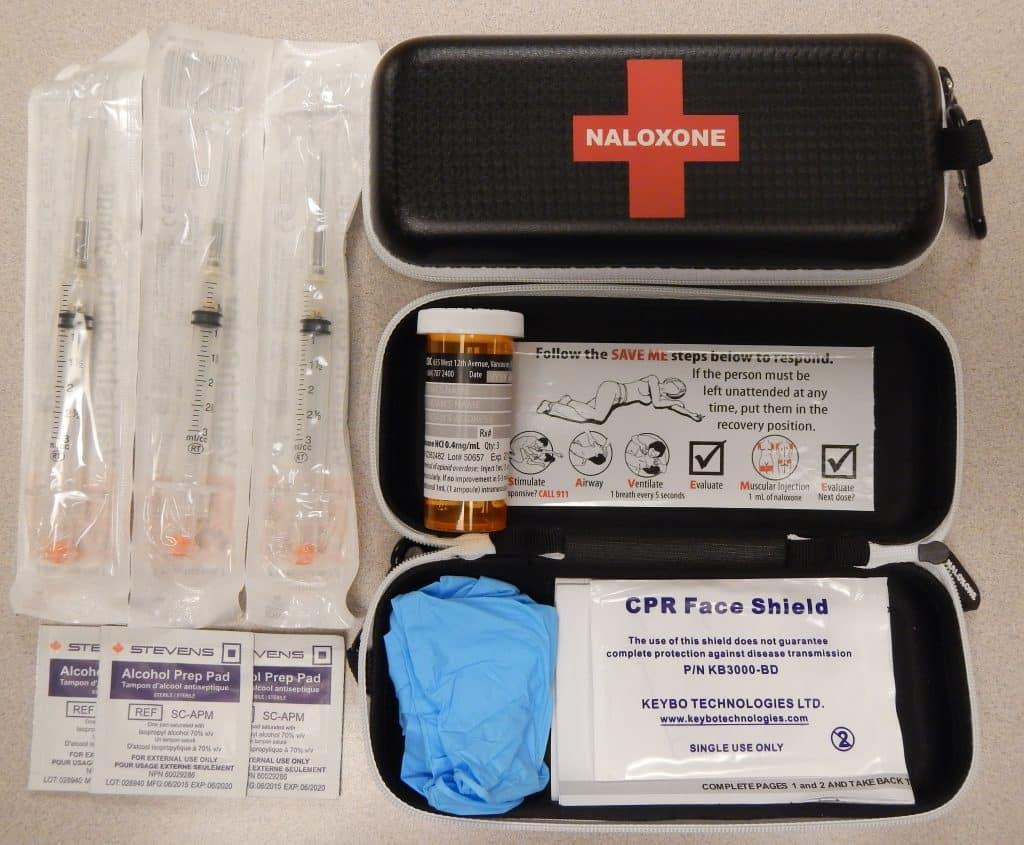
Fentanyl is a prescription and street drug from the class of drugs called opioids. Other opioids we see on the street include heroin, Percocet, OxyContin, Dilaudid, morphine, and codeine. Opioids slow down the nervous system, which controls breathing. When people use them, especially strong ones like fentanyl, breathing can stop. If someone is in respiratory arrest for too long their heart will stop as well.
If someone has overdosed on opioids, the first step is to call 911. The second step is to give the person naloxone. As an opioid antagonist, naloxone will counter the drug’s effect for a short time and stop it from slowing down a person’s breathing. It will keep a person alive until paramedics arrive. The effects are temporary; street drugs last longer than naloxone does. Still, naloxone can save a life. It should be widely available, like defibrillators are, and people should be trained and comfortable to use it.
There are no absolute contraindications to naloxone, meaning in an emergency, there are no reasons not to use it. If you have it when someone stops breathing, give it. Give it until help arrives. If you aren’t sure how to give it, get trained. If someone’s heart stops, start CPR if you know how. If there’s an automatic external defibrillator (AED) around and you are trained, use that if indicated. These interventions can save lives. They can keep our communities safer. They are part of caring for each other.
Naloxone, but not alone
Will you stand with us?
Your support is essential to making journalism like this possible.
While naloxone will save a life, having it as the focus of our addiction policy is shortsighted. It is akin to defibrillators being the base of our cardiac care strategy.
Newfoundlanders and Labradorians have heart problems. It was correct to make defibrillators available widely in public space and community centers like hockey rinks and grocery stores. We know that if someone collapses and their heart has stopped it’s usually from a cardiac rhythm called Ventricular Fibrillation (VF). We know that the best chance of getting someone back from VF is with an electrical shock, and the shock will have its best chance of working if delivered quickly. As a result, AEDs are widely available and some community members are trained in using them.
But we also know that this shock is just the beginning. If it brings someone back, this person will need more interventions from emergency medical care, then non-urgent medical primary care with regular follow-up and monitoring. They may need medication, surgery, and rehab to help with their recovery. Often they need a wide array of interventions and community support to make heart-healthy lifestyle changes. We know that smoking, drinking alcohol, eating diets high in fatty foods, and genetics all play a role in heart disease and all need to be targeted. That’s why Health Canada releases food guides and safer drinking guidelines, and it promotes quitting smoking with medications, ad campaigns, and helplines for smokers. Genetic testing is done in families. There is an array of medications to lower risk factors for heart disease, like cholesterol, diabetes, and blood pressure.
What do we offer for addiction?
Treatment is a process
It’s been almost 20 years since the World Health Organization (WHO) released its groundbreaking report defining addiction as a chronic relapsing brain disease. That report came out after more than 10 years of neuro-imaging that showed changes in the brains of people with addiction. It’s based on pleasure and reward pathways in the brain hijacking the prefrontal cortex, the deeper reasoning, long-term consequence part of our brain.
Any one of us is vulnerable to this happening–some more than others due to genetic, environmental, or lifestyle factors–and that is the case for many chronic diseases. Every one of us has potential for addiction. There is no way to tell if the addiction changes to the brain will happen after a first exposure or the two-thousandth exposure, but we know everyone with enough exposure can develop addiction.
Addiction and drug use is therefore a health issue, not a criminal issue. This is the correct medical approach to addiction. It is in contrast to the approach that assumes people with addiction choose to use and can stop if they just show some self-control. Addiction is not a personal weakness or a character flaw any more than diabetes is. It has the effects of a chronic disease. To truly help people, we need to move away from judgment. It leads to shame and guilt and only further intensifies addiction.
People who use drugs aren’t bad people. Addiction isn’t a punishment for losing control or making bad choices. We don’t subject other people with chronic diseases like diabetes or heart disease to such judgments. Good people use drugs. Some people will develop addiction. Some won’t. Either way, people with addiction deserve help and support like people who suffer from any chronic disease.
Living with addiction
We need a spectrum of care that recognizes the chronic relapsing nature of addiction. Some diseases are acute, like pneumonia or strep throat. People take medicine and it goes away. Chronic diseases like diabetes or hypertension don’t go away. Neither does addiction. We help people manage and live with the former, knowing that we can’t cure them. We treat the latter differently. Imagine if we sent our newly diagnosed diabetics away for treatment for a few weeks and then told them they failed if their sugars got out of whack again? Time away will not cure addiction. It can help people get some tools and insights, but it’s only a start.
People also need access to medications, counselling, and support in safer use if they are continuing to use, and lifestyle changes if they want to stop. We need a range of services to support people where they are at. Newfoundland and Labrador has been using opioid agonist therapies (OATs) like Methadone (MTD) and Suboxone since the first OAT clinic opened in St. John’s in 2004. This was done in response to the prescription drug crisis created by OxyContin. Since then, opioid use has only increased. OAT helps some people, but there is no one-size-fits-all approach to any chronic disease, including addiction.
We have to go upstream. We need to help people build lives they don’t have to escape from. Mental health has to be a part of health care. People need timely access to treatment for issues like anxiety, depression, and ADHD. People need access to counselling for trauma. And of course, none of this is meaningful or sustainable without housing. People need safe and decent places to live, and meaningful employment that pays a living wage. People need access to education. They need access to leisure activities.
Naloxone will save a life, but what quality of life are we saving? What life does that person have to go back to? So yes, carry naloxone and don’t be afraid to use it. But let’s go further.
The provincial government just announced it will be establishing an all-party committee to improve support for people with addictions. It’s another step in the right direction, however, we have a journey ahead of us.
Along with that naloxone kit, let’s commit to building a Newfoundland and Labrador for everyone that prevents chronic disease while supporting people with it, with lifestyle supports and access to healthy activities. Let’s support people in our community who use drugs the way we support other people with chronic diseases with an array of strategies, from safe injection sites and naloxone, to counselling and prevention.

Author

Related Articles
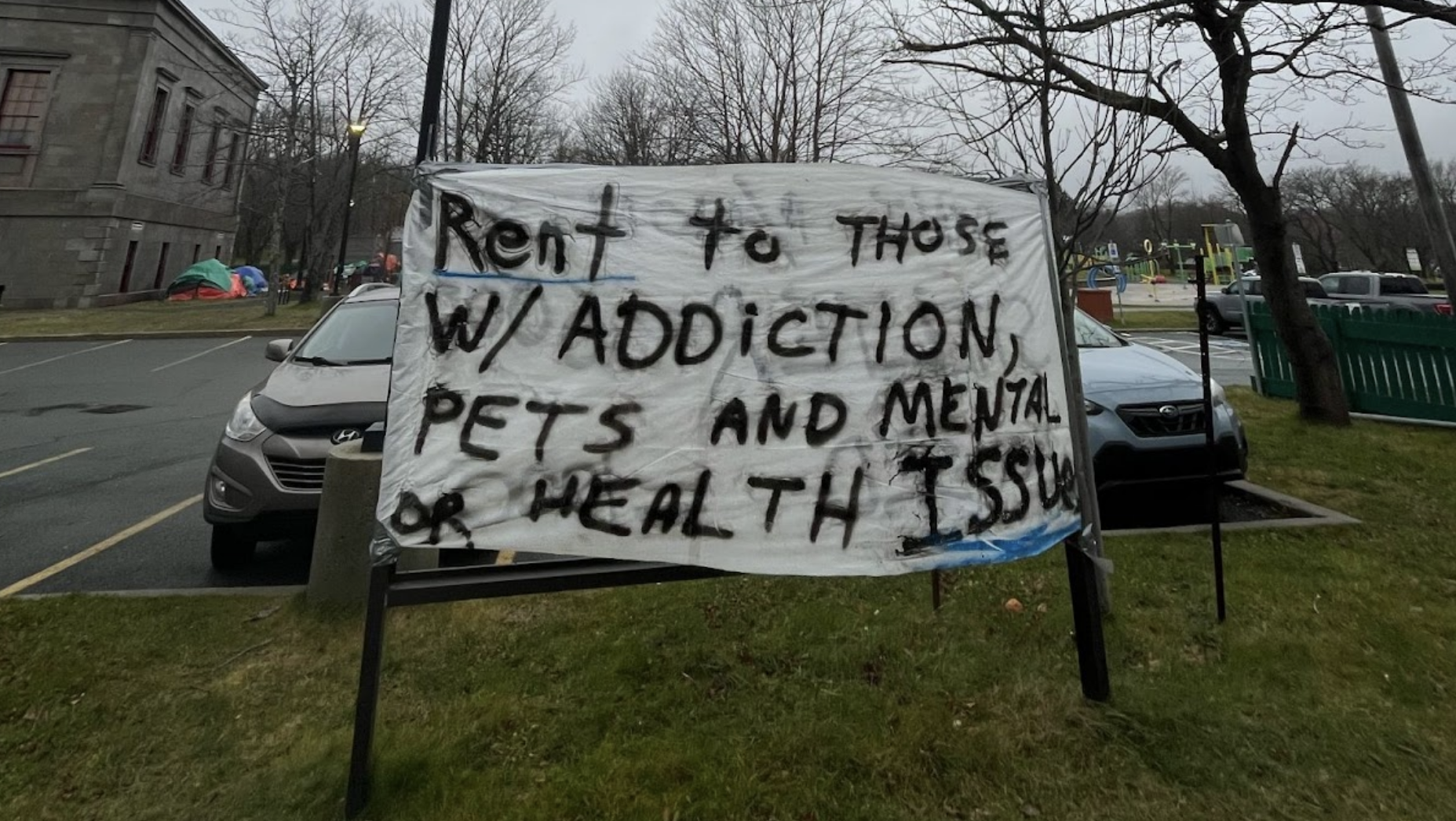
Let’s make housing and mental health an election issue
It’s time to ask all municipal and provincial candidates what they would do to address the intersecting crises
It’s time to fix MCP and strengthen public healthcare
Instead of looking to the private sector for answers, the provincial government should be investing in our public healthcare system

On healthcare, you don’t know what you got ‘til it’s gone
What’s at stake in the federal election? And why are nurses and other healthcare professionals sounding the alarm?