
Raising My Hand for the F Word
Being a feminist is still fraught, but it’s more than an identity, it’s a practice.

If I asked for a show of hands in a crowded public room, “who is a feminist?” how many hands do you think I would see? Would the proud activist raise their hand? What about the quiet feminist? How about the men in the room? What about you, would you raise your hand?
Sometimes even the most active and confident feminists have a hard time expressing their values, myself included. Which leads me to wonder, why are people still so damn scared of the word “feminist”?
You could ask folks who work in fields dedicated to gender equity what feminism means to them and you’d be hard pressed to find one who says only “women’s rights.” When you truly take the time to understand what feminism is, you’ll come to realize it’s so much more than that. It’s complex–but also simple at the same time. At its core, feminism is about challenging inequalities and embracing diversity and inclusion. While it may have many components, feminism is often just about performing simple but brave acts.
The fear of being labeled a feminist comes from the negative stigma which has followed the word since its beginnings in radical, life changing social movements. The fact is, a woman making noise makes people uncomfortable. There are negative beliefs that all feminists are aggressive, and screaming exclusively for “women’s” rights. In reality, sometimes it’s just a matter of sparking up a conversation with your friends about how cool it is that they were able to sign their daughter up for minor hockey. Conversations start ripples, and ripples eventually become powerful waves.
Will you stand with us?
Your support is essential to making journalism like this possible.
One evening, at a recent social event, my friends and I were having a conversation about a person returning to work after her second baby. The father wished she would stay home and enjoy the time with the boys while they’re young. However, he also recognized the gendered stereotypes that the boys might pick up on with their mother being the one to stay at home.
I followed this reflection with “so really, what you’re saying is you’re a feminist” and the father froze, confused about what I meant. Clearly, he had never been called a feminist before or even thought about being one. Through a bit of back and forth, and some resistance towards the use of the word feminist on his part, I tried to suggest that he was a feminist because he was working to dismantle the deeply embedded patriarchal roles within a household. I meant it as a good thing; it was a compliment! Creating environments for children where equality is normalized and embraced, paves the way for how they’ll show up later on in life.
I’m not sure he was totally sold on being called a feminist at the end of our discussion, but I felt good having done my part in showing up and being brave enough to point out how great it is to be bringing those values into a household and into their children’s lives. Sometimes to practice feminism, a conversation is all that is required in the moment.
Some people suggest that in our fight for equality, the hard parts have already been done, but there is still so much work to do. It’s important we continue to spend time setting misconceptions straight about what feminism is and what feminism does. We also have to address our feminist history–a history that continues to inform the present. This history has too often focused on the needs of white, cis, middle class women at the expense of other folks who also face sexism, often at the intersection of racism, ableism, classism, and other prejudices everyday. While acknowledging these shortcomings is important, speaking up and taking action is equally vital.
I love being feminist. I am proud to say that I genuinely respect and care for people and I put those values into practice. That’s it. People deserve to take up space–and there is enough space for all people. That’s what feminism is for me, creating and sustaining space for others. But, would you find me raising my hand? Honestly, that would probably just depend on the day, and if I felt safe in my surroundings to assert myself.
In this way, I think we still have a lot of work to do in changing why people are so scared of the word feminist. It can start small, with personal growth, and creating safe spaces for people to raise their hands. Being able to have that difficult conversation can bring others closer to seeing themselves as part of this movement, and feeling proud about being a part of it.
Pamela Duffett
Born and raised in Labrador, Pamela is a 3rd year Bachelor of Indigenous Social Work, minoring in Gerontology at Laurentian University. Pam is completing an internship with the St. John’s Status of Women Council’s Managed Alcohol Program and is, of course, a proud feminist.

Author

Related Articles
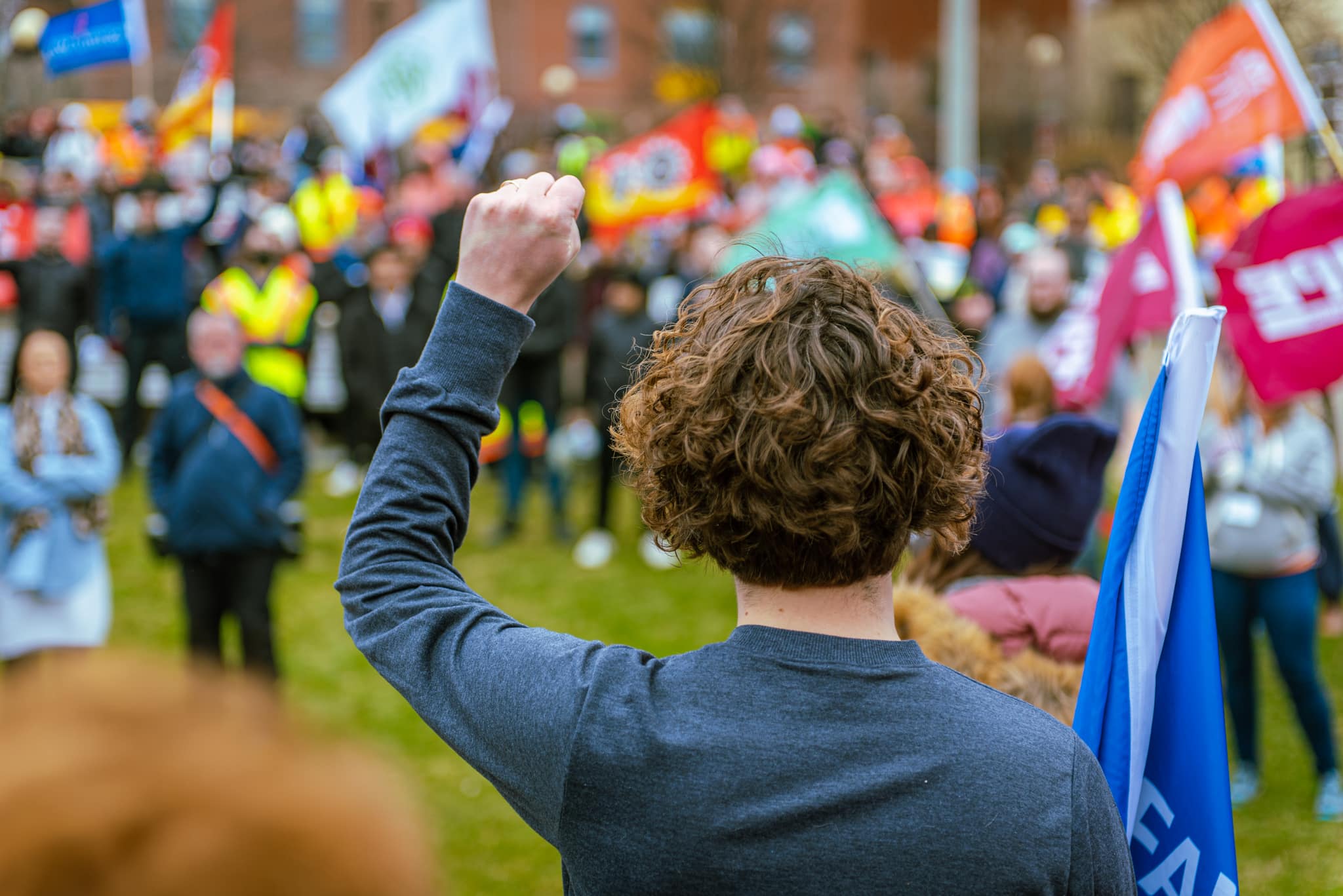
May Day Rally Shows New Face of Today’s Labour Movement
Turnout for May 1 march and rally in St. John’s one of the biggest yet in this province
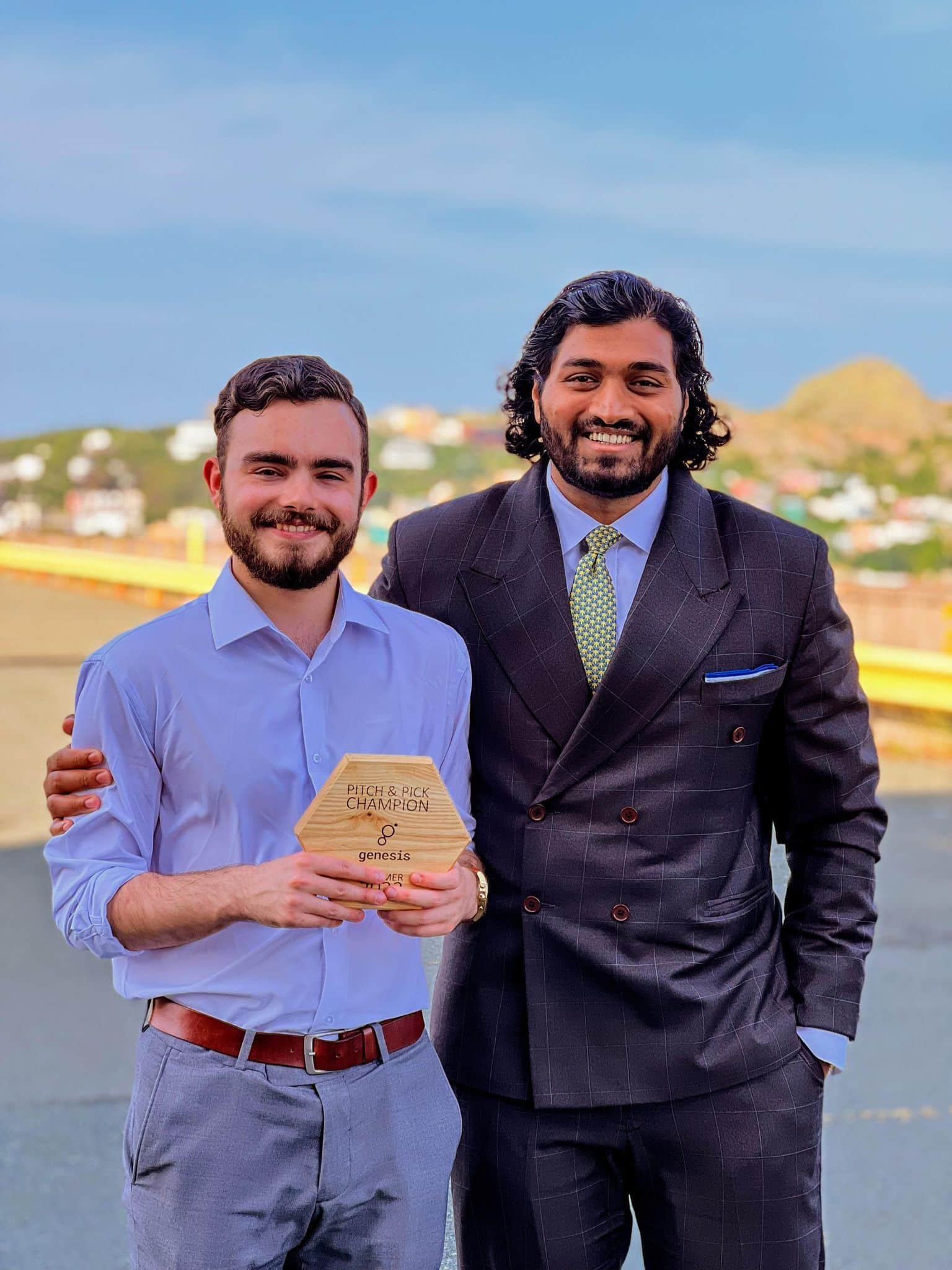
Recimply the Best: Pitch and Pick Competition Winner Aims to Reduce Paper Waste
Recimply won big at Genesis’ annual Pitch and Pick competition last week. The startup is solving the problem of non-recyclable paper receipts.

Coming Home Queer for the Very First Time
For three days in July, queer Newfoundlanders and Labradorians from all over the world celebrated a rural homecoming 30 years in the making.

The realities of conflation
How mislabeling sex work harms vulnerable communities

We’re Sex Workers and We’re Proud
Though we’re in one of the world’s oldest professions, sex work is still highly stigmatized. But we are proud of what we do.

Dancing My Way to Joy and Empowerment
Looking back on Pride month, this writer reflects on the importance of movement and collective joy.