
Government Promises Tracker

“For All of Us”
The PCs earned just enough seats to form a majority government in a stunning upset during the 2025 general election on Oct. 14, 2025.
While earning 21 of 40 seats in the house of Assembly, the party only had the support of 44.5 per cent of voters, which means it is governing a population most of which did not vote for it. This is the result of our problematic first-past-the-post electoral system.
Regardless, the PCs have made many promises that could improve the quality of life for many in our province.
The Independent has created this page as a space for journalists and the public to track the promises the PCs made before and during the election campaign, as well as any it makes after the election.
If you notice a promise we’ve missed, let us know!
Updated on Nov. 10, 2025 to add a “LABOUR & WORKERS’ RIGHTS” section comprised of questions from the Newfoundland and Labrador Federation of Labour and Tony Wakeham’s responses.
TOPICS
AGRICULTURE
The party said in its platform that Newfoundland and Labrador is “not producing enough of the food we eat,” and that by “working together with farmers, food producers and local retailers, we can grow the farming and agrifoods industry to put more local, affordable food on the shelves for Newfoundlanders and Labradorians.

To do that, the PCs promised to:
- Launch a 10-year agriculture strategy, developed with input from farmers, retailers, and experts, to strengthen local food production and connect producers with local markets. This will focus on removing barriers for new farmers, increasing food production, indoor growing, and lengthening the growing season;
- Use more Crown Lands for farming;
- Create a farm loan guarantee program to support new food producers and review grant programs to help farmers attract federal and private investment;
- Review the farm equipment bank and work with farmers to improve access to shared tools and machinery;
- Support secondary food production. We will help food producers who want to set up processing facilities navigate red tape and market their products. We will support new processing facilities which will help local farmers and food producers access local and national grocery stores.
ARTS & TOURISM
The PCs tied tourism and the arts together in their platform, saying that “with Newfoundland and Labrador’s rich heritage, striking natural beauty, talented artists and artisans, we can grow our [tourism] industry into one that is busy year-round, offering something for everyone to enjoy.”

The PCs say they will “make Newfoundland and Labrador the tourism capital of Canada” with the following promises:
- Plan for the future beyond 2026 by working quickly with tourism partners on a new strategy to replace the soon-to-expire 5-year plan. This new plan will focus on real, local experiences, better infrastructure, and encouraging people to “vacation at home”;
- Ensure reliable air access with year-round flights to Europe and expanding regional and national connections;
- Reduce the cost of air travel to, from, and within Labrador. The Liberals’ initial air travel plan ignored Labrador, their much-too-late “pilot” project failed to lower the cost of travel for all Labradorians. We will push for federal funding to upgrade Labrador airstrips;
- Place a visitor customer service lens on the provincial ferry system to make sure it is easy for visitors to book reservations and visit all of our communities;
- Simplify how tourism businesses register, list, and promote their services online. We will work with Hospitality NL to improve online booking and e-commerce tools;
- Carry out an annual visitor survey and make the results public so tourism providers can tar- get their offerings to the needs of visitors;
- Help the Heart’s Content Transatlantic Cable Station become a UNESCO World Heritage Site, drawing visitors from around the world and promoting rural Newfoundland and Labrador.
ECONOMY
The PCs said in their platform that the province is “at a turning point,” and that “with growing international uncertainty, it’s clear we need to build a stronger economy that puts our businesses first.”
The party vowed to “cut unnecessary rules and paperwork, increase trade with other provinces, and support our local businesses.” It also noted that small business owners “face too many obstacles when starting or growing a business,” and that we “need to create a pro-business environment that helps them succeed.”
The party also wants to support rural economies, while at the same time dealing with “the serious worker shortage facing our industries.”
The PCs promised to:
Trade
- Eliminate unnecessary regulations that prevent local businesses from expanding or bidding on projects in other provinces;
- Cut red tape between provinces. Products and services should be able to move freely across Canada. Different rules in each province slow things down, cost businesses money, and make everyday goods more expensive;
- Recognize professional credentials and required training across provinces. Workers certified in one province should not be forced to do additional training to work in another. Examples of required training which can be streamlined across provinces include Fall Arrest, Confined Space and WHIMIS training;
- Buy local first. When the government spends tax dollars, local and Canadian businesses should get the work—so more money stays in our communities;
- Task a Minister with helping Newfoundland and Labrador businesses, including the fishery, find international markets.
Small Businesses
- Aggressively reduce red tape to free businesses from outdated rules thus allowing them to thrive in all regions of the province;
- Make government services easier to use. We will set clear service standards, put more forms online, and speed things up by auto-filling repeat forms. We will also create step-by-step guides to help new business owners. We will increase the number of government services available online;
- Improve the business help desk. Employers will get clearer answers about the rules that ap- ply to them and can check-in if applications are delayed. We will also extend hours so help is available when business owners need it;
- Lower the small business tax to 1%.
Workforce
- Develop a strategy for population growth spanning 2026-2031, focused on workforce development, growing families, growing regions, immigration and returning Newfoundlanders and Labradorians home;
- Align training and upskilling opportunities with labour market needs to help unemployed and underemployed Newfoundlanders and Labradorians gain the skills they need for available jobs;
- Focus immigration on critical areas of labour shortage using the expertise of local individuals who have a track record of recruiting internationally;
- Fix the skilled trades apprenticeship program to make it easier for apprentices to access on- the-job training, complete in-class modules, and successfully pass their certification exams. Upon completion of their primary training, all apprentices will automatically receive their log books;
- Expand skilled trades programs with a high school pre-apprenticeship program. High school students will be given the opportunity to explore and prepare for careers in the skilled trades;
- Require local community benefits agreements for all natural resource projects and public infrastructure contracts valued over $500,000. This will ensure the principal beneficiary of our resources will always be the people of our province. This will prioritize the hiring of local skilled trade workers, awarding of contracts to local companies, and opportunity for apprentices and underrepresented groups such as women, gender diverse individuals, and Indigenous workers. Projects will be required to employ a minimum of 10% apprentices. In partnership with industry and trades unions, we will work towards the benchmarks outlined by TradesNL;
- Ensure that Newfoundland and Labrador receives its fair share of any new federal government defence spending.
EDUCATION
The PCs “believe that a well-rounded education system will prepare youth to help expand the province’s economy, rejuvenate rural Newfoundland and Labrador, and bring new industries into our province,” the party said in its platform. “Education can help reduce our province’s poverty rate, increase population health, and create a stronger community social safety net.”

Early Childhood Education
To help create more $10-a-day early childhood education spaces, the party promised to:
- Establish a permanent advisory panel of early childhood education operators and care providers. We will take advice and listen to early childhood educators and operators. We will reduce the burden of paperwork they face;
- Provide space for early childhood education in new school builds;
- Work with communities, and the public and private sectors, to create early childhood education spaces in all regions of the province;
- Support Early Childhood Educators by promoting access to pension plans and paid sick leave.
Kindergarten to Grade 12
- Conduct a needs assessment of K–12 schools and maintenance requirements. Based on clearly defined criteria—including overcrowding, structural condition, age, and projected community growth—we will implement a plan to replace schools. Priority will be given to schools in serious disrepair, such as Frank Roberts Junior High;
- Expand school meals for K–12 students. Kids can’t learn when they’re hungry—yet nearly 40% of children in our province live in food-insecure households;
- Strengthen the basics in education. We will focus on reading, writing, math, science, and computer skills—while also supporting creativity and well-being. The curriculum will better prepare students to meet national and global standards;
- Hire and retain more teachers. We will work with the NLTA to improve working conditions, reduce class sizes, tackle school violence, and increase mental health and classroom support. We will stop splitting teaching positions beyond half-time and ensure full-time roles where needed. To hire more teachers, we will train more teachers locally;
- Review the school transportation system to see if improvements can be made to consider the needs of families;
- Improve students’ access to school psychologists and social workers to support youth both inside and outside the classroom. These professionals must be available to students year- round; support should not stop in June;
- Treat Student Assistants and Teaching Assistants with respect. We will fix the policy which hires these essential classroom supports too late in the school year; we will stop the practice of laying them off over the Christmas and Summer breaks;
- Provide Student Assistants to students who need them. Too many students in our province have had their much needed support taken away from them this school year. We will work with students, families, and schools to help every child have a path to success;
- Support early assessment and intervention. We will provide tools and resources to identify and support students with physical, developmental, or learning challenges early in their education. We will strengthen inclusive education with individualized support and small-group instruction to help every student succeed;
- Expand skilled trades programs with a high school pre-apprenticeship program. High school students will be given the opportunity to explore and prepare for careers in the skilled trades.
Post-Secondary (College & University)
- Require Memorial University to be fiscally responsible with the funding it receives. We will not allow MUN to balance its books on the backs of students. We will not allow MUN to expand its footprint or increase tuition until it ends administrative bloat, resolves outstanding critical maintenance, and returns its focus to students;
- Immediately launch a review of tuition and fees at Memorial University and the College of the North Atlantic, including the provincial student loans and grant programs;
- Break down barriers to education by ensuring post-secondary programming is available to students of all regions of the province in a manner that is cost effective. This will be done utilizing distance education and by matching the offerings of the College of the North Atlantic with labour market needs in the regions;
- Align new post-secondary offerings with future labour market needs We will forecast future labour shortages and adjust class sizes in advance of these shortages to respond more expeditiously to changing labour market needs.
ENERGY
The PCs vowed to “always stand up for the oil and gas sector which has brought much prosperity to the province.”

To develop both renewable and non-renewable resources, the PCs promised to:
- Publish a comprehensive 10-year Energy Plan which will guide the development of both renewable and non-renewable resources, including oil, natural gas, mining, hydro, wind energy, solar energy, and tidal energy in an environmentally conscious manner;
- Always stand up for oil and gas development. We will reignite offshore exploration, support production growth and, most importantly, secure jobs and benefits for Newfoundlanders and Labradorians. We will internationally showcase our high-quality offshore oil and gas reserves and our world class workforce;
- Boldly promote the development of Bay du Nord. This offshore discovery has the tremendous potential to bring jobs and prosperity to our province. We will leave no stone unturned in advocating for this project. We will ensure that Newfoundland and Labrador receives its fair share of work on the Bay du Nord project, including topside work;
- Reduce the timeline from offshore discovery to production. We will work with the federal government and the offshore board to streamline approval processes;
- Push Ottawa to remove the emissions cap on offshore oil production and reinstate incentive programs such as the Atlantic Investment Tax Credit;
- Require local community benefits agreements for all natural resource projects and public infrastructure contracts valued over $500,000. This will ensure the principal beneficiary of our resources will always be the people of our province. This will prioritize the hiring of local skilled trade workers, awarding of contracts to local companies, and opportunity for apprentices and underrepresented groups such as women, gender diverse individuals, and Indigenous workers. Projects will be required to employ a minimum of 10% apprentices. In partnership with industry and trades unions, we will work towards the benchmarks outlined by TradesNL;
- Make the development of natural gas a priority by investing in a joint feasibility study, funded by the province and industry;
- Maintain vigilant oversight of wind projects to ensure there is a local community benefits agreement that genuinely serves our communities’ best interest, that decommissioning costs are transparently addressed, and that the highest environmental protection standards are upheld. We recognize the potential of wind-hydrogen to strengthen Newfoundland and Labrador’s position as a North American leader in green energy production;
- Support the development of the Churchill River and the Gull Island project. However, given the information currently available, the proposed agreement with Quebec cannot be sup- ported in good conscience. We have no reason to be confident that the Liberal deal is, in fact, the best possible deal;
- There can be no deal without real transparency and that requires a truly independent re- view. We will immediately end the Liberals sham ‘review’ that they are running with one of their donors – and replace it with a truly independent review. The results of this process will be fully shared with the public;
- Based on this independent review we will demand better terms for Newfoundland and Labrador. We will use the review to fix what needs to be fixed and to ensure Newfoundland and Labrador gets a better deal;
- We will not proceed with any deal on the Churchill River unless it is approved by the voters via a referendum.
ENVIRONMENT
“Environmental stewardship is crucial for a sustainable future,” the PCs said in their platform. “Without immediate and decisive measures, it is increasingly unlikely that the province will meet its 2030 emission reduction targets under the Paris Accord. Emission reduction plans must be realistic, practicable, and actionable in the pursuit of net zero.”

The PCs promised to:
- Work with stakeholders to review learnings from previously failed Climate Change Action Plans and then create a more attainable Climate Change Action Plan with clear and achievable emission reduction targets, by sector, and report on them regularly;
- Continue to promote Newfoundland and Labrador oil on the world stage due to its low carbon footprint and the efficiency of our industry;
- Fix the Oil to Electric Incentive Program so that more homeowners can make the switch away from oil heated homes;
- Support innovation and green technology by investing in local research that drives sustainable solutions;
- Promote environmental education and awareness through community programs and outreach;
- Work with Indigenous leaders to understand the threat that climate change has on the Indigenous way of life;
- Support communities in adapting to climate change and recovering from its impacts;
- Help develop long-term strategies while providing direct aid to residents affected by climate-related disasters, including floods, wildfires, and severe storms.
EQUITY & BELONGING
“A society must be equitable and inclusive, where people are embraced for their rich diversity, experiences and perspectives,” the party said in its platform. “We must cultivate a healthy environment where everyone feels welcomed, valued, and heard, where diversity is celebrated and where the doors are wide open to all. Everyone must feel safe, secure, and have resources to thrive.”
The PCs promised to:
Gender-Based Violence & Family Violence
- Prioritize community-led prevention initiatives and survivor support;
- Ensure trauma-informed training for justice and law enforcement personnel so victims are treated with understanding and respect. We will conduct a trauma-informed review of the justice system to improve education, prevention, and reduce re-victimization;
- Consult on establishing new legislative tools to give victims of family violence more ways to seek justice within the family law system;
- Expand Family Justice Services to give survivors of family violence better access to legal help without further trauma;
Other Equity-related promises:
- Create an independent, dedicated Advocate for Persons with Disabilities;
- Implement multi-year core operational funding to community groups;
- Fix the ineffective Liberal Pay Equity Legislation and replace it with legislation that will truly see pay equity in the province. We believe in equal pay for work of equal value;
- Inform decisions with gender based plus analysis. We will develop a robust policy analysis tool which we will make publicly available.
FISHERIES & AQUACULTURE
“By focusing on joint fisheries management and collaborating with stakeholders, we will build a robust fishery that creates jobs, supports young harvesters, and stimulates economic growth in rural Newfoundland and Labrador,” the party said in its platform.
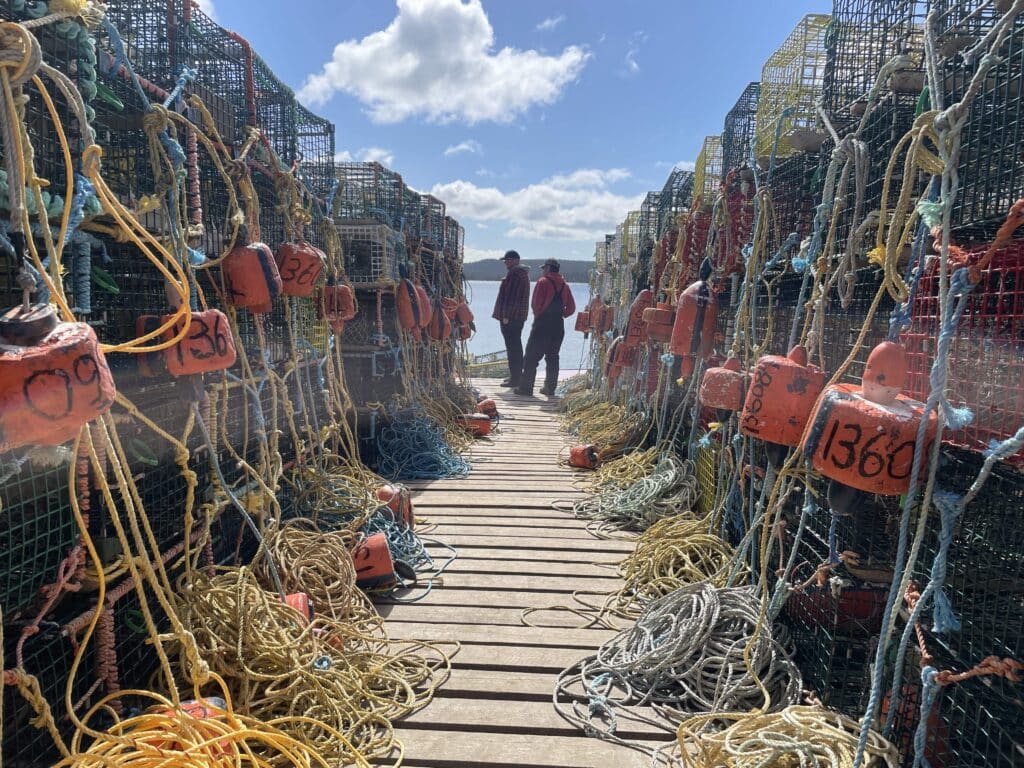
To do that, the PCs promised to:
- Appoint a full-time Fisheries and Aquaculture Minister to focus on growing both our traditional fishery and to recognize the potential of aquaculture;
- Prioritize collaboration with the fishing industry. We will never make policy or legislative changes without confirming that they grow, not hinder, the fishery. We will focus on adding value to the products we harvest and identifying new markets where we can increase the value of the sector;
- Demand an equal voice over our fishery. Ottawa should not control our fishery. We will not stop until we have joint control of the fishery while maintaining exclusive control over the processing sector;
- Push Ottawa for a fair food fishery that gives Newfoundlanders and Labradorians the same access to codfish as the rest of Atlantic Canada. This will increase food sustainability and safety on the water;
- Investigate increased harvesting of seals. We will look for more markets to sell our seal products;
- Continue to support the aquaculture Industry by ensuring a world class regulatory regime which balances natural ecosystem protection with the sustainable development of the industry;
- Oppose federal overreach that threatens local industries. Specifically, we cannot support the establishment of a National Marine Conservation Area on the South Coast, as it risks shutting down aquaculture operations and undermining the future of the very communities that rely on them. Our position is clear: we will not support the marine protected area because it puts the aquaculture industry at risk.
HEALTHCARE
In its election platform, the PC Party said Tony Wakeham’s vision is to “make sure everyone gets the right care at the right time, without having to pay extra,” and that he “will not leave rural NL behind.”
The PCs “will strive to make sure that everyone has access to a consistent healthcare provider, either a family doctor or a nurse practitioner,” the platform reads, adding residents “shouldn’t be forced to go to the emergency room or resort to virtual care as their only point of access to healthcare.” The party said having 163,000 people in the province who don’t have a family doctor “unacceptable.”

Here’s how the PC Party committed to improving healthcare…
To help everyone access a family doctor or nurse practitioner, the PCs will:
- Make sure anyone can see a nurse practitioner for free, with no strings attached;
- Double the size of our province’s nurse practitioner program and train more doctors by increasing the number of seats in our medical school. We will also bring home nurse practitioners and doctors who are now working elsewhere;
- Add 50 seats to our nursing school. We will train, recruit and retain more local nurses so that we can end the reliance on costly out-of-province travel nurse agencies.
- Bring nurse practitioners and family doctors here — and keep them here. We’ll make Newfoundland and Labrador the place they want to build their careers, with overhead support and incentives to help them set up clinics and help patients;
- Recruit additional healthcare workers by providing every student, training in a program where there are staff shortages, an offer of employment at the beginning of their studies;
- Provide paid work terms for students, training in hard to fill areas, who complete their placement within the health, social, and education services of the provincial government. This includes students who are studying to be nurses, teachers, social workers, and more.
The PCs also believe that when people need healthcare, “they should not have to worry about how they are getting there or the cost of travel.” They committed to:
- Fully cover the costs of traveling for essential care when such services are not available in your region and provide free parking at all healthcare facilities.
- Introduce a daily medical air transportation service based out of Gander. This will help rural patients receive more timely care without having to travel long distances via road;
- Fix the problems with the 911 system, including ambulance delays and a lack of funding to fire departments who respond to medical calls;
- Open an Urgent Care Clinic in Conception Bay South;
- Negotiate with the federal government to secure a national pharmacare program that lowers the cost of prescription drugs and diabetic supplies.
The PCs said healthcare “has been eroded” under Liberal governance, and that “patients are being forced to wait too long for tests, emergency rooms are overcrowded, and patients have even shown up to their local emergency room to find the doors locked.
Under a Progressive Conservative government, “decisions about rural healthcare will not be made in St. John’s,” the party said, adding it will ensure residents of rural NL have “real access to healthcare, without long waits” by doing the following:
- Create a permanent team of local, Newfoundland and Labrador, nurses and nurse practitioners. This team will provide healthcare in different parts of the province, when and where they’re needed most – especially in rural, remote, and underserviced communities. A recommendation of the Registered Nurses’ Union, this will reduce the reliance on expensive out-of-province travel nurses;
- Open the emergency rooms in Botwood and Whitbourne for 24 hours a day;
- End the cycle of rural ER closures and diversions. We’ll hire more ER doctors, nurse practitioners, and nurses so every shift is covered — even when local staff take time off;
- Reduce wait times by adding additional diagnostic equipment outside of St. John’s, Corner Brook will get their PET Scanner;
- Reduce wait times with at least 4 new MRIs in rural Newfoundland and Labrador. These will be located in the Burin Peninsula, Grand Falls–Windsor, Labrador, with the fourth MRI to be located based on need. We will hire the additional technicians needed to operate these machines;
- Provide funding to the Lionel Kelland Hospice in Grand Falls–Windsor.
In response to questions from the Registered Nurses’ Union NL, Wakeham made the following additional commitments:
- Permanent Nurse Practitioner (NP) Funding Model
Q: Will your party commit to implementing a permanent, sustainable funding model for Nurse Practitioners that allows them to provide timely, equitable care — particularly in underserved communities? What would your party’s NP funding model look like? How will it enable NPs to practice to their full scope in both primary and collaborative care settings? What is your timeline for implementation?
A: Yes. First and foremost, our plan will be implemented in lockstep with the Registered Nurses’ Union and the Nurse Practitioners Association. The funding model will be designed with your input, not designed based on presumptions or imposed from the top down, and it will enable Nurse Practitioners to practice to their full scope in both primary and collaborative care settings, because this ensures patients everywhere can benefit from the full value of your training and abilities.
Under a PC government, no one in Newfoundland and Labrador will have to pay to see a Nurse Practitioner. No strings attached. We will set up a billing system that will allow Nurse Practitioners to bill the government directly for their services. All Nurse Practitioners will be able to participate. We will act quickly to implement this billing system. The timeline will be determined by our consultations with you on the design of the funding model, but the era of the government dragging its heels will end.
In short order, you will see changes that are urgently needed and will greatly benefit everyone. Never forget that, year after year, the governing Liberals absolutely refused our calls to cover Nurse Practitioner clinic visits, despite the terrible impact on patients needing care. It is important for nurses to be heeded after elections, not just on their eve.
Nurse Practitioners play a vital role – indeed, an indispensable role – in our healthcare system. We firmly believe that making full use of the skills of Nurse Practitioners will strengthen our healthcare teams and better serve people needing care, leading to better outcomes. Recognizing that some 163,000 Newfoundlanders and Labradorians do not have access to a family doctor, giving Nurse Practitioners the ability to bill the government directly for their service will allow people to access care when they need it, without paying out of pocket. - Province-Wide Travel Locum Program
Q: Will your party commit to establishing a permanent, province-wide travel locum program that allows registered nurses and nurse practitioners to provide primary care and essential services in rural, remote, and underserved communities? What is your implementation timeline and plan for ensuring the program is equitable, sustainable, and available to all communities that need it?
A: Yes. The ongoing reliance on out-of-province travel nurses is disrespectful to local healthcare workers. It is shocking that the Liberals and NLHS let the travel nurse scandal occur. We heard from local Newfoundland and Labrador nurses who have left their jobs due to the travel nurse scandal. Nurses tell us that they feel disrespected and ignored – and of course they feel this way when they have been subject to mandatory overtime and working next to someone who costs four times as much as their salary. Had the Liberals listened to nurses instead of ignoring
and lecturing you, the vacancies that these agencies filled would never have occurred to begin with. This was a crisis of the Liberal government’s making, as nurses remember better than anyone.
We will create a permanent province-wide team of local, Newfoundland and Labrador nurses and Nurse Practitioners. This team will complete locums in different parts of the province, when and where they’re needed most – especially in rural, remote, and underserviced communities. This will reduce the reliance on expensive out-of-province travel nurses. We are determined to implement this quickly. We will do so in lockstep with the Registered Nurses’ Union and will listen to your advice on the size and composition of the team, and where and when locums should start. - Core Staffing Review
Q: Will your party commit to completing the core staffing review within six months of forming government? How will your party ensure the results of the review are implemented? What steps will you take to modernize and implement safe, data-informed staffing levels across the province?
A: Yes. Tolerating the burnout and exhaustion of Registered Nurses and Nurse Practitioners is unacceptable. Your workloads and schedules must be reasonable so you can perform your duties as health care professionals to the best of your ability. Having a safe, accessible, and quality health care system starts with supporting our health care workers.
The first step in this process is to identify the root causes and challenges facing Registered Nurses and Nurse Practitioners. The Registered Nurses’ Union must play a key part in helping a PC Government identify these issues. Informed by those discussions, we will work together to put together a realistic and achievable plan to address the issues of burnout and exhaustion. We will work together to minimize the amount of overtime Registered Nurses and Nurse Practitioners need to endure.
To help support our nursing staff, a PC Government will conduct a core staffing review. Successive Liberal government have wasted too much time already not getting this done. It is time for real change, and a review is the first step toward meaningful change, so I will commit to having this review completed within six months. Again, this will be a collaborative process, involving consultations with Registered Nurses and Nurse Practitioners.
Once this review has been completed, we will give the results to the Registered Nurses’ Union. We will work with you to implement the results. This is your profession. You know it best, and you ought to be given leadership roles in ensuring your profession’s staffing levels are modernized, safe, and data-informed across the province. - Safe Hours of Work Legislation
Q: Will your party commit to enacting safe hours of work legislation for nurses, similar to legislation in safety-sensitive fields like aviation and transportation? What would this legislation include? What is your timeline for developing and passing it? How will you ensure its enforcement protects both nurse and patient safety?
A: Yes. It is outrageous and unacceptable that nurses are forced to work to their breaking point. This puts patients at risk and also contributes to nurses leaving their positions. We envision a healthcare system where nurses are respected, where students want to become nurses, and where nurses from all over Canada look to Newfoundland and Labrador as a place they want to work. That starts with respecting nurses and listening to you.
As we know from professionals in aviation and transportation, pushing people in life-critical positions until they are too exhausted to focus or perform their skills properly is a recipe for disaster. This is a life safety issue and must be addressed with urgency, with you as nurses taking a lead role in finding solutions that will work.
What we will commit to is first sitting down with the Registered Nurses’ Union to explore more about how we can improve working conditions and hours. We will also undertake a jurisdictional review to see what best practices exist and how we can implement them here. We want to work with nurses and the Union to improve safety, work-life balance, and working conditions for nurses. - Workforce Planning and Ending Reliance on Mandatory Overtime
Q: Will your party commit to ending the reliance on mandatory overtime as a staffing tool, and investing in proper workforce planning? What specific measures will you implement — including but not limited to: Over hiring to manage peak demand and unexpected absences; Improving forecasting and staffing management systems. What is your plan and timeline to shift the system away from mandatory overtime?
A: Yes. As noted in the previous answer, we want to work with nurses and the Union to help nurses achieve a healthy work-life balance and avoid exhaustion, and for that reason, we are committed to understanding how we can improve working conditions and hours, and getting meaningful change happening. Working collaboratively with you, we will develop a working plan, a timely implementation schedule and a meaningful process to evaluate and improve how it is working.
In addition, we will create and follow a Health Human Resource Plan. This will publicly outline the mix of healthcare providers who are needed, where they are needed, and when they are needed. Healthcare workers themselves will be fully involved in creating this plan. The era of top-down, half-hearted decision-making will end. We know that the current government has released a plan, but it is incomplete and based on outdated data. It is imperative that we work together immediately to replace the failed plan the Liberals cobbled together.
Our plan will set clear targets for the numbers of healthcare professionals who should be on staff, where and in which departments, and when. We want all Unions to be hands-on in creating this. The plan will have measurable targets and reliable numbers, so health care professionals and patients can hold us accountable. - Nurse-Patient Rations (NPRs)
Q: Will your party commit to establishing safe nurse-patient ratios that reflect the acuity and care needs of patients and support retention? What ratios or ratio-setting frameworks will you consider? How will these be implemented and enforced? What is your proposed timeline?
A: Yes. As noted in the previous answer, we will follow a robust and transparent Health Human Resource Plan. A part of this plan will focus on the issue of nurse-patient ratios. We want the Union, and nurses themselves, to help lead the process of setting these ratios, because we know that it is the frontline healthcare workers who truly know best how to fix our healthcare system. - Hiring Nursing Graduates into Full-Time, Permanent Roles
Q: Will your party commit to hiring all nursing graduates into full-time, permanent positions? What is your strategy and timeline for ensuring this transition province-wide?
A: Yes. Nurses have heard us make this commitment time and again. It defines our approach, and sets us apart.
First and foremost, we believe that every nursing student should be given an offer of employment at the beginning of their studies, not at the end. We understand some students may not know which area of nursing they may want to pursue – and that’s okay. But we want to give students the certainty of knowing that a job is waiting for them, that they don’t have to look outside the province, and that their service will be fully valued as it ought to be. This will start with the first nursing class in 2026. We will also give every student who is now already training to be a nurse an offer of employment at the same time.
But more than that, we will stop the practice of hiring nurses in temporary, full-time roles only to continue to extend their “temporary” placements. Temporary hiring helps no one. It doesn’t give nurses job certainty which they need to further their lives. It doesn’t give the system the ability to plan long-term for staffing needs.
We do know that there are some cases where part-time or temporary nursing is needed, but we will work to limit this. Additionally, we know that there are some nurses who prefer to work part-time for personal reasons, so we will accommodate nurses according to their own choices. - Collective Bargaining Commitments
Q: Will your party commit to engaging in good-faith collective bargaining with RNUNL and addressing member priorities, including but not limited to: Equal pay for equal work; Fair and competitive compensation, especially compared to private agency contracts; Guaranteed access to vacation leave; Concrete, measurable actions that demonstrate respect for nurses in public policy, compensation, workload, and workplace culture. Please describe what your party will do to ensure that collective bargaining leads to meaningful improvements for nurses. What principles and outcomes will guide your negotiating mandate?
A: Yes. We will always bargain in good faith with the RNUNL. We respect nurses. We respect the Registered Nurses’ Union. We will ensure all our dealings with you are in good faith. We will listen to your concerns and try our very best to address them.
We will start the process of collective bargaining on time, we will commit to timely responses, and we will treat our province’s nurses fairly. We envision a healthcare system where nurses are respected, where students want to become nurses, and where nurses from all over Canada look to Newfoundland and Labrador as a place they want to work. That starts with respecting all nurses and the leaders they elect to represent them, and listening to them.
Instead of telling you what we will do, we believe it is better to talk and collaborate with you on what you need us to do. Priorities and actions ought to be driven collaboratively around the table, and never imposed from the top down. We really need to move past the Liberal era when nurses were told how things would be, were berated for not working hard enough, and were unceremoniously shown the door if they objected. That attitude not only created the current crisis that has cost our province hundreds of nurses and hundreds of millions in travel agency waste, but it also bred tremendous hurt and mistrust. We need to turn the page on that failed approach and instead work together as partners to fulfill the common goal we share – providing the best of care for Newfoundland and Labrador’s patients. - Accountability for Private Agency Nurses
Q: In light of the Auditor General’s findings, will your party commit to holding those responsible for inappropriate or potentially fraudulent private agency contracts accountable? What specific actions will you take — including but not limited to investigations, disciplinary measures, and referral to the appropriate authorities? How will you restore public trust and nurse confidence in NLHS and government leadership?
A: Yes. We will hold those responsible for inappropriate or potentially fraudulent private agency contracts accountable. We will make sure a full inquiry is done – any criminal activity will be referred to the police. And if it is the wish of the RNUNL, we will hold an inquiry to get to the bottom of the issue. We must get an understanding of how this was allowed to happen and put safeguards in place to protect against this, or anything like this, happening again.
It is simply wrong that out-of-province travel nurses cost taxpayers four times the salaries of our own nurses. It is simply wrong to expect local nurses to willingly go to work knowing the nurse next to them costs more and has more perks. It is simply wrong to disrespect local nurses while bringing in out-of-province travel nurses by the dozens.
Those responsible for this scandal will be removed from their positions.
To restore public trust and confidence, we will work with the Registered Nurses’ Union, we will publish monthly the number of travel nurses working in the province and the cost. We will set clear benchmarks to reduce reliance on out-of-province travel nurses. And wherever possible, we will always seek to hire local nurses first.
We will create a permanent province-wide team of local, Newfoundland and Labrador nurses and Nurse Practitioners. This team will complete locums in different parts of the province, when and where they’re needed most – especially in rural, remote, and underserviced communities. This will reduce the reliance on expensive out-of-province travel nurses. - Vision for Nursing and Public Healthcare
Q: Where do you see the nursing profession and the public healthcare system in four years? What concrete actions will your government take to realize that vision? How will you ensure nurses are meaningfully involved in shaping healthcare reform?
A: In four years, with a Wakeham PC government, the nursing profession in Newfoundland and Labrador will be transformed into one of strength, stability, and respect. Nurses and Nurse Practitioners will be central to rebuilding a public healthcare system that puts patients first — especially in rural, remote, and underserved communities.
To achieve this, a Wakeham government will add more seats to the nursing school – at least 50 seats in the first year – and expand the Nurse Practitioner program. We will provide paid work terms and job offers at the start of training for nursing students. This will help us train, recruit,and retain more local nurses, ending the expensive and unsustainable reliance on out-of-province travel nurse agencies.
In rural Newfoundland and Labrador especially, we will establish a permanent team of local nurses and Nurse Practitioners who can travel where needed most — improving access, stabilizing care, and ensuring emergency rooms stay open and fully staffed.
Nurses will be supported to practice to their full scope, reducing wait times and increasing patient care. We’ll listen to frontline healthcare workers and include nurses in shaping a Health Human Resource Plan that clearly identifies where staff are needed, and how to get them there.
Most importantly, nurses will no longer be left behind. To improve working conditions, we will always listen and consult with front line healthcare workers and their unions. Nurses have firsthand knowledge of what our healthcare system needs and we will listen.
The people of Newfoundland and Labrador deserve more than a name on a waiting list. In four years, under a Progressive Conservative government, they’ll have real access to care — and nurses and Nurse Practitioners will be leading the way. - Most Pressing System Challenge
Q: What does your party identify as the most urgent challenge facing nursing and the public healthcare system in Newfoundland and Labrador? How will your government tackle this challenge head-on if elected?
A: Nurses in Newfoundland and Labrador are facing a deepening crisis marked by severe staffing shortages, unsafe workloads, rising burnout, and increasing incidents of workplace violence. Despite long-standing warnings, systemic issues remain unresolved, placing significant pressure on healthcare workers and compromising patient care.
Frontline nurses report being stretched beyond safe limits, with insufficient staffing and support to deliver care effectively. We must fix this. We want to work with the Registered Nurses’ Union to stop this crisis and put support in place to help nurses, and that means staffing up. We must hire more nurses, train more nurses, recruit more nurses, and retain more nurses. It all starts with respecting nurses. All of which have been addressed in previous questions.
We will take the Union’s suggestion of creating an independent Health Sector Safety Council to lead coordinated efforts in preventing violence and improving safety across the system. But this will just be one step in better supporting nurses. We want to have more nurses in our public health care system, reducing the burden.
We envision a healthcare system where nurses are respected, where students want to become nurses, and where nurses from all over Canada look to Newfoundland and Labrador as a place they want to work. That starts with respecting nurses and listening to them. - Use of Agency Nurses
Q: Will your party commit to phasing out the use of agency nurses as a primary staffing strategy? What steps will you take to build public system capacity? What is your proposed timeline?
A: Yes. We commit to phasing out the use of agency nurses as a primary staffing strategy. We will always prioritize the hiring of local nurses – nurses who can afford to build meaningful long-term careers in our communities, and dedicate their lives to providing continuing and compassionate care.
It is simply wrong that out-of-province travel nurses cost taxpayers four times the salaries of our own nurses. It is simply wrong to expect local nurses to willingly go to work knowing the nurse next to them costs more and has more perks. It is simply wrong to disrespect local nurses while bringing in out-of-province travel nurses by the dozens.
To reduce reliance on out-of-province travel nurses we will work with the Registered Nurses’ Union, we will publish monthly the number of travel nurses working in the province and the cost.
We will set clear benchmarks to reduce reliance on out-of-province travel nurses. And wherever possible, we will always seek to hire local nurses first. We will build the capacity needed to reduce this reliance.
To achieve this, a Wakeham government will add more seats to nursing school – at least 50 seats in the first year – and provide paid work terms and job offers at the start of training for nursing students. This will help us train, recruit, and retain more local nurses, ending the expensive and unsustainable reliance on out-of-province travel nurse agencies.
In rural Newfoundland and Labrador especially, we will establish a permanent team of local nurses and Nurse Practitioners who can travel where needed most — instead of relying on out-of-province travel nurses we will have our own team of nurses who can complete locums when and where needed. - Paid Clinical Placements for Nursing Students
Q: Will your party commit to paying nursing students for their clinical placements, acknowledging the direct contribution students make to patient care and correcting the gender-based inequities in how student work is valued? How will your government fund and implement this change? What timeline do you propose?
A: Yes. We will pay nursing students for their clinical placements. Not only is it wrong that nursing students don’t get paid for their service, but it’s further shameful that they have to pay to participate in these clinical placements. Nursing students will be paid for their clinicals – because it’s the right thing to do.
Our timeline is to correct this injustice immediately, because it is discriminatory, financially burdensome for nursing students, and frankly indefensible to allow such inequities to persist. This should have been remedied years ago. The measure will be financed through general revenues as part of the normal budgetary process, because doing the right thing should be part of the normal course of action.
Click here to download a PDF of Wakeham’s letter to RNU President Yvette Coffey.
HOUSING
In its platform the PC Party said it will increase “the number of people whose housing costs do not exceed 30% of their incomes – giving everyone the opportunity to have a safe and suitable home within their budget,” and that its goal is to build “10,000 new homes in the province over five years.”
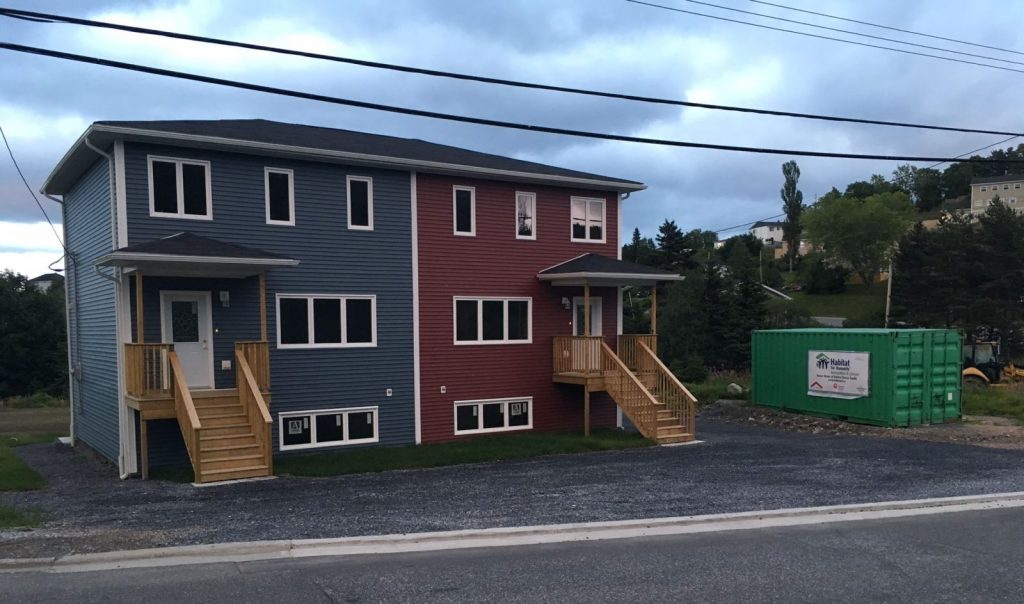
To make housing more affordable, the PCs said they will:
- Reduce the red tape surrounding new home builds and redevelopment. We will work with municipalities to encourage red tape reduction and explore modular home construction as a solution to build homes faster;
- Help create affordable and independent housing for seniors who prefer to move into a supportive community environment. Helping to create seniors’ communities will free up housing throughout the marketplace;
- Aggressively repair or replace uninhabitable NL Housing units. Where possible, we will modify large multi-bedroom units into smaller units for single individuals.
INDIGENOUS PEOPLES
“Truth and reconciliation means being honest about the issues facing Indigenous Newfoundlanders and Labradorians and being proactive in making meaningful changes to deal with the wrongs of the past that are still impacting people today,” the PCs said in their election platform, recognizing that “imposing solutions without true consultation does more harm than good.”
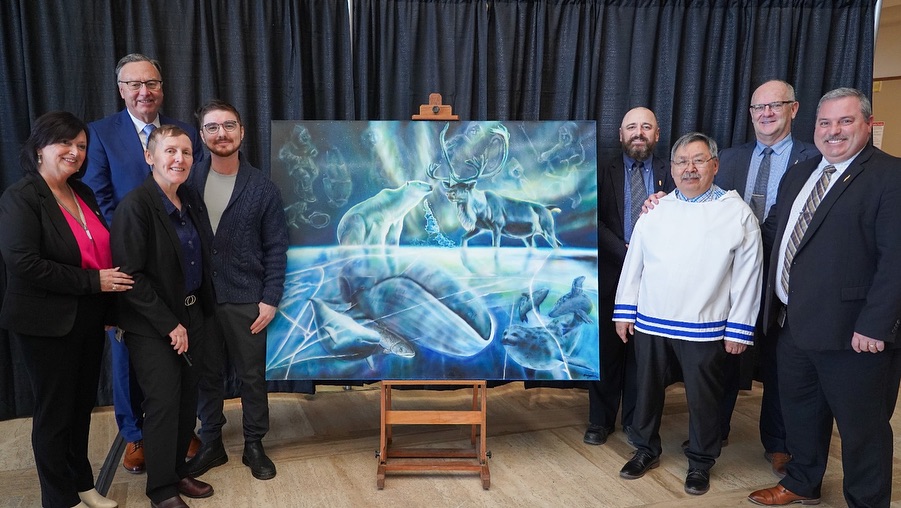
The PCs promised to:
- Make progress on the implementation of the United Nations Declaration on the Rights of Indigenous Peoples;
- Continue implementing the recommendations of the Truth and Reconciliation Commission and the Inquiry Respecting the Treatment, Experiences and Outcomes of Innu in the Child Protection System. We will do so in true partnership with Indigenous communities;
- Support the redevelopment of the K-12 curriculum so that it includes appropriate content on Indigenous histories, cultures, stories, and languages;
- Provide opportunities to Indigenous Children and Youth to learn and champion traditional language, craft, and skills. We will also provide opportunities for these children and youth to share their heritage with non-Indigenous children and youth throughout the province;
- Implement stronger civilian oversight of police services, including the creation of a Police Oversight Board that is independent of police, civilian-led, politically neutral, and representative of the province’s diverse communities.
LABOUR & WORKERS’ RIGHTS
While the PCs didn’t include a “Labour” section in its platform, Tony Wakeham did respond to a questionnaire from the Newfoundland and Labrador Federation of Labour ahead of the election.
Here are the questions and answers as published by the NLFL in an undated letter to Federation President Jessica McCormick and signed by Wakeham:
Dear Ms. McCormick,
Thank you for inviting me to provide responses to your questionnaire, which you will share with the 70,000 workers you represent across Newfoundland and Labrador. I will address each of your questions, one by one. I believe you will find my approach progressive and my openness to collaborate on solutions refreshing. If workers are tired of the status quo and looking for real change that works for all of us, look closely at what I am offering, because I think you will find it aligns closely with the objectives your workers share. I am offering to work with you on all of this. It’s time for a government that listens, delivers, and puts the people of this province first. Together, with the choices we make right now in this election, we can choose a PC government that works for all of us.
Workers’ Rights, Health and Safety, and Legislative Protections
Questions:
- Will your party commit to introducing anti-scab legislation to prevent the use of replacement workers during strikes and lockouts?
- Will your party commit to the re-implementation of card-check certification?
- What are your plans to strengthen and enforce workplace health and safety regulations?
- Will your party commit to implementing paid sick days for all workers?
- Will your party increase the income replacement rate for workers compensation which has been recommended by the statutory review process?
- What actions would your government take to address increasing incidents of violence in the workplace?
Answers:
A PC government will work collaboratively with labour unions, employers, and workers to ensure fairness, safety, and balance in workplaces across the province. This includes consulting on the specific issues you raise. We will respect workers’ Charter rights to organize and negotiate. Specifically, regarding the unionization process. We are aware of many delays with the Labor Relations Board. A delay in organizing votes does not help anyone – it creates stress and harm in a workplace. We will make sure that the Labour Relations Board follows the timelines outlined in legislation.
Regarding card-check, we are open to discussing this with unions, workers, and employers.
Workplace health and safety will be a top priority, with strict enforcement of regulations and continuous monitoring to prevent tragedies and even minor incidents that can deeply affect workers.
Any changes to paid or unpaid leave, as well as increases to workers’ compensation income replacement rates, will only be carefully considered in consultation with all stakeholders to avoid unintended consequences.
Addressing workplace violence is another urgent commitment. From healthcare and education to retail and service industries, violence is rising and must be met with stronger protections, clear consequences for offenders, and better prevention strategies. Protective measures, tougher penalties for violent offenders, and supports for those struggling with addiction will be part of a comprehensive response. The goal is to ensure workers feel safe, respected, and protected, with government leading efforts to foster harmony and reduce violence in workplaces and communities.
Strengthening and Protecting Public Services
Questions:
- Will your party commit to ending the privatization of public services? If yes, please provide concrete actions that your government will take to end privatization? If not, why not?
- If elected, what concrete measures would you take to strengthen public services in our province?
Answers:
I believe essential public services should be delivered by the public sector, and I fully respect the constitutional right of workers—public or private—to organize and seek representation from unions. This right, enshrined in Canada’s Charter, ensures that all workers are protected, regardless of whether they serve under government or private employers. Employers must meet high standards and treat workers fairly, and when they fail, it is the duty of workers, unions, government, and the public to step in. The NL Federation of Labour plays a vital role in representing workers across the province, and I see it as an important partner in protecting and strengthening workplace rights.
As Premier, I will work with frontline workers—who are the true experts—on how best to deliver services, ensuring decisions are made collaboratively, not imposed from the top down. My focus will be on providing the highest-quality services to Newfoundlanders and Labradorians at reasonable costs, ending Liberal waste, and ensuring resources are directed to real priorities. Teamwork and respect will define my administration, and unions will always have a seat at the table.
Everything my government does will be guided by one question: How will this improve the lives of Newfoundlanders and Labradorians? We have seen recent failures in public services marked by waste, mismanagement, and disrespect toward workers. The Liberals’ travel nurse scandal is a glaring example, where unionized healthcare staff were sidelined in favor of expensive temporary hires. Such reckless practices create chaos and demoralize our workforce. Careful planning and collaboration with workers and unions would prevent this. In healthcare, hundreds of millions are wasted on unnecessary or harmful procedures; in education, pressing needs go unmet while the government repeatedly restarts plans instead of implementing them. These failures show a lack of willingness to act on advice from auditors, experts, and frontline staff.
A government I lead will be different. I will listen to and support the workers who deliver our public services, making positive, practical changes that strengthen healthcare, education, and other vital systems. By working together with unions and employees, we will restore respect, improve efficiency, and ensure that public services truly serve the people of Newfoundland and Labrador.
Tariff Response and Economic Resiliency
Questions:
- What specific, actionable policies will your party implement to shield Newfoundland and Labrador’s workers, industries, and communities from the negative impacts of U.S. tariffs, such as supply chain disruptions, rising costs, and retaliatory trade measures?
- How will your party ensure our economy becomes more resilient and less vulnerable to external trade shocks?
Answers:
Canada’s trading relationship with the United States has long benefited people on both sides of the border, but recent tariffs have created new threats to our local industries, including seafood, oil, and iron ore. We will continue building markets in the U.S., but we must also diversify our markets abroad—in Europe, Asia, the Americas, and Africa—and maximize trade within Canada. A government I lead will host regular roundtables to chart strategies, identify challenges, and develop an innovative export strategy that grows local industries, creates opportunities, and encourages people to buy local.
To drive growth through trade, a Wakeham PC government will eliminate unnecessary regulations that prevent local businesses from expanding or bidding on projects in other provinces; cut red tape between provinces so goods and services can move freely; and ensure professional credentials are recognized across jurisdictions so workers certified here can work anywhere in Canada without redundant training. We will adopt a “buy local first” approach for government spending so tax dollars strengthen communities, and we will task a dedicated Minister with helping Newfoundland and Labrador businesses—including the fishery—find and expand into international markets.
Economic Justice and the Cost of Living
Questions:
- How will your government ensure that the minimum wage becomes a living wage?
- Beyond minimum wage, what policies will you introduce to help all workers keep up with the rising cost of living?
- Will your party commit to signing on to the national Pharmacare program as soon as possible following the election?
Answers:
No challenge weighs more heavily on people than the rising cost of living. Poverty has lifelong consequences. One of the best ways to prevent this is to ensure people have enough money to live on. A Wakeham PC government will review all taxes and fees, permanently remove the sugar tax, lower the gas tax, and raise the basic personal amount to $15,000—giving Newfoundland and Labrador the highest tax-free income threshold in Atlantic Canada.
We will also support workers and families directly by refunding tuition to graduates who stay, live, and work in the province, expanding the NL Child Benefit, and raising and indexing the Seniors’ Benefit. A comprehensive Poverty Reduction and Prevention Strategy will be launched with the goal of once again making our province’s poverty rates the lowest in the country. Our approach will be transparent, adaptable, and responsive, ensuring resources are directed where they are needed most.
We are committed to lowering the costs of healthcare for Newfoundlanders and Labradorians. We have heard the concerns of the Seniors’ Advocate, who has spoken about seniors in our province being forced to split their prescriptions because they cannot afford the full dosage, and we know too many families are struggling with the high cost of diabetic medications and supplies. That is unacceptable. A Progressive Conservative government will negotiate with the federal government to secure a national pharmacare program that lowers the cost of prescription drugs and diabetic supplies for the people of this province because we believe in better healthcare for all of us.
Strengthening Public Healthcare and Education
Questions:
- What is your plan to recruit, retain, and fairly compensate healthcare workers to address critical staffing shortages, improve retention and recruitment, and improve outcomes for patients and residents?
- Will your party commit to strengthening and protecting Newfoundland and Labrador’s public, universal healthcare system by banning for-profit delivery of public health services?
- How will you ensure the education system (including post-secondary) has the resources and staffing complement necessary to provide the highest quality education?
Answers:
The healthcare crisis we face today is the result of a decade of Liberal neglect. Instead of listening to healthcare workers, they dismissed their concerns, driving doctors, nurses, and other health professionals away. 163,000 people do not have a family doctor, procedures have been cancelled, and ERs are routinely only offering virtual coverage. The Liberal “solution” was to hire out-of-province travel nurses at exorbitant costs, insulting local staff and wasting public money.
As Premier, I will take a collaborative approach, working with healthcare workers and associations to retain staff, recruit new professionals, and support them from training through to practice. We will pay students for their work terms, refund tuition for graduates who stay, live and work in the province, and train more doctors, nurses, and nurse practitioners. I have already committed to implementing a recommendation of the Registered Nurses’ Union to replace travel nurses with local nurses.
Our education system is also in crisis. Teachers have warned us, yet the Liberals keep stalling, recycling plans without delivering results. Students cannot afford years of delay. A PC government will act: training more teachers at Memorial, hiring and retaining them with better working conditions, smaller class sizes, and stronger mental health and classroom supports. We will respect and properly employ Student and Teaching Assistants, commit to inclusive education, and strengthen core skills while supporting creativity and well-being. At the post-secondary level, Memorial University must end administrative waste and focus on students.
The bottom line is clear: we need urgent action, not excuses. A Wakeham government will listen, collaborate, and deliver better healthcare, stronger education, and improved outcomes for all of us.
Ensuring Local Benefits and Good Jobs
Questions:
- What concrete legislative and policy measures will your party implement to ensure that the people of Newfoundland and Labrador are the primary beneficiaries of major projects?
- Will you mandate the use of strong, enforceable Community Benefit Agreements that prioritize local hiring, ensure good union jobs with fair wages, include equity provisions for underrepresented groups, and require investment in local supply chains?
- Will you mandate the use of strong, enforceable Community Benefit Agreements that prioritize local hiring, ensure good union jobs with fair wages, include equity provisions for underrepresented groups, and require investment in local supply chains?
Answers:
A PC government, under my leadership, will require local community benefits agreements for all natural resource projects and public infrastructure contracts valued over $500,000. This will ensure the principal beneficiary of our resources will always be the people of our province. This will prioritize the hiring of local skilled trade workers, awarding of contracts to local companies, and opportunity for apprentices and underrepresented groups such as women, gender diverse individuals, and Indigenous workers. I believe that when our resources are developed, it should be done by Newfoundlanders and Labradorians.
Building a More Just and Equitable Province for All
Questions:
- How will your government actively implement the Calls to Action of the Truth and Reconciliation Commission within the provincial jurisdiction?
- Will your party commit to altering the Occupational Health and Safety regulations to mandate employers to provide menstrual products for workers?
- Given the urgent need to address the gender pay gap and ensure economic justice for all workers, what is your party’s plan to finally implement and enforce the Pay Equity and Pay Transparency Act?
- What is your party’s plan to not only create new childcare spaces but also to recruit, retain, and fairly compensate the early childhood educators required to make this expansion sustainable?
Answers:
Truth and reconciliation means being honest about the wrongs of the past and making meaningful changes in partnership with Indigenous Peoples. Imposed solutions without true consultation only cause more harm. A PC government I lead will continue to implement the recommendations of the Truth and Reconciliation Commission, the Inquiry into Innu Child Protection, and the Calls for Change—always in collaboration with Indigenous communities.
A Wakeham PC government will include appropriate content on Indigenous histories, cultures, stories, and languages in the K–12 curriculum. We will work with Indigenous communities to provide opportunities for Indigenous children and youth to learn and champion traditional language, craft, and skills, while also providing opportunities for them to share their heritage with non-Indigenous children and youth throughout the province.
Our government will create a Police Oversight Board that is independent of police, civilian-led, politically neutral, and representative of the province’s diverse communities. We will also make progress on the implementation of the United Nations Declaration on the Rights of Indigenous Peoples. Our party’s plan focuses on both expanding childcare spaces and ensuring the workforce that supports them is respected and able to thrive. We will establish a permanent advisory panel of early childhood education operators and care providers so that policy decisions are guided by the voices of those on the frontlines. By listening directly to early childhood educators and operators—and reducing the paperwork burden they face—we will make their work more sustainable.
To expand access, we will provide space for early childhood education in all new school builds, while also working with communities, and the public and private sectors, to create new childcare spaces across the province. Right now, $10-a-day childcare is out of reach for thousands of families due to a lack of available spaces, and we are committed to addressing that gap.
Transparency and Good Governance
Questions:
- How will your government ensure transparency and accountability in its decision-making processes, especially regarding public finances and contracts?
Answers:
I believe in openness and transparency. I believe in long-term planning, which means starting these processes with open dialogue and expert review long before the choices are locked in. The Auditor General is continually giving advice the government needs to heed. Frequently – as with the Liberal travel nurse scandal – the AG is finding practices that never should have happened in the first place.
Under the Liberals, best practices have been ignored. Tendering and procurement obligations have been ignored. Planning has given way to kneejerk choices scratched on the back of an envelope. Favouritism and political patronage have outraged the public, as people realize that hundreds of millions of their scarce public dollars are being squandered for friends of those in power while urgent needs are going unmet.
I will raise the bar on transparency and accountability, I will follow public procurement processes and I will ask of every decision “Is this in the best interest of Newfoundlanders and Labradorians?”
Just Transition: Ensuring No Worker or Community is Left Behind
Questions:
- Will your party commit to legislating a Just Transition Act that guarantees training, income support, and new unionized job creation for workers in transitioning industries, and ensure workers and unions have a direct seat at the planning table?
- What specific, immediate investments will your government make in Newfoundland and Labrador to create good jobs in renewable energy and energy efficiency?
- What is your plan to address the impacts of climate change in workplaces and communities (e.g. Heat stress, extreme weather, wildfires…)?
Answers:
Our party is committed to protecting both workers and the environment as Newfoundland and Labrador transitions to a cleaner economy. A Wakeham PC government will work with stakeholders, including unions, to create a new, attainable Climate Change Action Plan with clear emission reduction targets by sector, reporting on progress regularly. We will ensure workers have a direct voice at the planning table and support training, innovation, and green technology research that drives sustainable solutions, while also fixing the Oil to Electric Incentive Program so more families can switch to affordable, clean energy.
We will invest in renewable energy and energy efficiency by promoting local innovation, advancing our low-carbon oil on the world stage, and ensuring community benefits from new clean energy projects. Our approach will emphasize local job creation, with long-term strategies to diversify the economy and grow opportunities in sustainable industries.
Finally, we recognize the impacts of climate change, the recent wildfires are examples of extreme events which are becoming too common. We will strengthen emergency preparedness by reviewing recent wildfire responses, improving equipment and training, and working with Indigenous leaders and communities to adapt. We will also provide direct aid to residents affected by floods, storms, and other disasters, ensuring Newfoundland and Labrador is better prepared and more resilient in the face of a changing climate.
Sincerely,
Tony Wakeham
Leader
Progressive Conservative Party of Newfoundland and Labrador
Download the PDF version here.
LABRADOR
“Labrador is a distinctive region of the province with unique challenges and opportunities,” the PCs said in their election platform. “All our policies include Labradorians but there are specific approaches we need to take to make life more affordable, provide better healthcare, and make communities safer for all Labradorians.
“Labradorians take great pride in their regional uniqueness of the Big Land. Although Labrador contributes enormous sums to our prosperity and wealth to our province, Labradorians have been ignored and left behind by the Liberals.”

The PCs promised to:
- Create a Regional Health Council to be the voice of Labradorians;
- Reduce waiting times by adding additional diagnostic equipment. Labrador will receive a new MRI machine and the additional technicians needed to operate this machine;
- Ensure that sufficient medical flights are available for residents of remote communities and make sure Labradorians can avail of emergency air medical transport when needed;
- Review services and bed availability in Happy Valley-Goose Bay and Labrador West to explore ways to reduce the need to travel, reduce wait times, and improve patient care;
- Recognize that the remote nature of Labrador communities often exacerbates mental health concerns of individuals. We will work to increase access to mental health supports and services across Labrador;
- Collaborate with Labradorians to develop a new Northern Strategic Plan for Labrador;
- Help build new homes in Labrador. Areas such as Labrador West can grow with the proper plan and more housing starts;
- Help create affordable and independent housing for seniors who prefer to move into a supportive community environment. Helping to create seniors’ communities will free up housing throughout the marketplace;
- Use a 10-year plan to make sure there are enough personal care homes and long-term care beds. Seniors shouldn’t have to wait in hospitals for a bed;
- Work with Indigenous governments to create more housing in Indigenous communities. Indigenous communities are growing;
- Mobilize law enforcement, healthcare and addiction services, housing supports, and community organizations in a strategic effort to improve safety and public health in Happy Valley-Goose Bay. This initiative will be carried out in lockstep with municipal and Indigenous leaders;
- Station a water bomber in Labrador;
- Take action to increase the availability and affordability of food in Labrador, giving special attention to fresh products and produce;
- Reduce the cost of air travel to, from, and within Labrador. The Liberals’ initial air travel plan ignored Labrador, their much-too-late “pilot” project failed to lower the cost of travel for all Labradorians. We will push for federal funding to upgrade Labrador airstrips;
- Work with local stakeholders to explore options to reduce reliance on diesel energy generation;
- Press the Government of Canada to acknowledge the importance of raising the quality of the Trans-Labrador Highway to Canadian national highway standards with cell phone service along the highway.
MUNICIPALITIES & LOCAL SERVICE DISTRICTS
The PCs have promised to “show respect to municipal leaders,” and to “listen to them, support them, and help them implement the local solutions their community needs.”
To do this, the party said in its platform, it will:
- Pursue a multi-year planning approach for infrastructure including roads, water, sewer, and recreational facilities. We will evaluate existing infrastructure and work with communities to replace it as necessary;
- Work with municipalities to identify and address vulnerabilities to storm damage, forest fires, flooding, and update emergency preparedness plans for dealing with the increasing number of extreme events;
- Improve the delivery of safe, potable drinking water. We will work with local leaders and communities to develop workable small-town solutions that match the area’s needs. We will prioritize funds to municipalities who want to invest to create or improve a municipal water supply;
- Cut red tape and streamline regulations that are making it difficult for municipalities to operate in the best interests of the people they serve;
- Give municipalities more decision-making power regarding the Crown Land in their boundaries. The Crown Lands division of government continues to be plagued with problems despite Liberal promises of solutions;
- Support municipalities’ community safety plans.
MINING
The PCs promised to “work with developers to drive exploration and development while increasing value-added production and spinoff industries.” To do that, the party said in its platform, they will “push for competitive regulations so investment does not go elsewhere while waiting on approvals.”

In order to “unearth the potential of mining,” the PCs promised to:
- Aggressively promote the province’s wealth of undeveloped minerals worldwide to attract international interest and investment;
- Meet with mining proponents in our province to discuss any obstacles to launching or growing their operations. We will work collaboratively with them to overcome the challenges, get jobs growing, and proactively assist shovel-ready mining projects;
- Work with the mining industry to address the need for additional energy supply to facilitate growth in areas such as Labrador West;
- Work with the mining industry, local leaders and communities to ensure that services and homes are in place to meet an increase of new workers and new residents;
- Make prospecting and exploration easier by publishing maps and mineral geoscience data to help prospectors;
- Help protect communities where mines are established so there are sufficient clean-up measures to keep the local environment safe;
- Work with Mining NL, industry, and academic stakeholders to prepare the labour force for careers in the mining industry. The CNA campuses in Labrador West and Central Newfoundland will offer programming for individuals interested in careers in the mining sector.
POLICING & SAFETY
To address rising crime, the PCs promised to:
Policing & Crime Prevention
- Increase the presence of police in our communities. We will make sure there are enough police officers to respond to calls in a timely manner, to carry out fulsome investigations, and to take a preventative approach to crime reduction;
- Restore the active-duty police force at the Royal Newfoundland Constabulary (RNC) to the highest levels in ten years by filling all vacant positions while adding positions where necessary to meet provincial policing needs. This means hiring at least 21 new Police Officers;
- Hire 25 new Royal Canadian Mounted Police (RCMP) officers to increase public safety in rural Newfoundland and Labrador;
- Reinstate community-based policing to focus on crime prevention;
- Ensure there are sufficient Crown Prosecutors and the necessary support staff to ensure trials proceed without delay. A delay in prosecuting crime does not reduce crime.
- Expand mobile mental health crisis teams in the province;
- Implement stronger civilian oversight of police services with the creation of a Police Oversight Board that is independent of police, civilian-led, politically neutral, and representative of the province’s diverse communities;
- Work with federal lawmakers, police, and the court system to end the practice of “catch and release” where police officers arrest the same person repeatedly only to have them released back into society. We will also work with the federal government towards community-based bail enforcement and monitoring to better track compliance;
- Continue progress towards a new Adult Corrections Facility in the metro area. The Liberals failed to replace Her Majesty’s Penitentiary despite a clear promise to do so and substantial federal money to get it done. This failure means offenders are being released back into the community without addictions treatment, fueling a revolving door of dangerous crime;
- Support municipalities’ community safety plans;
- Support those here at home who have the expertise and passion to provide rehabilitation services. We will support the creation of new treatment centres. This will increase access to detox, rehab treatment, and sober living for those recovering from addictions. We believe in recovery.
The party noted in its platform that safety “also about safe roadways, safe schools and safe places,” and “helping to support first responders – both paid and volunteer.” It promised to:
Emergency Services
- Increase cellular coverage throughout the province by working with industry and advocating for additional investment from the federal government;
- Create a public AED registry to help 911 and the public locate the nearest device in emergencies;
- Fix the problems with the 911 system, including ambulance delays and a lack of funding to fire departments who respond to medical calls;
- Ensure that the province is as prepared as possible to respond to natural disasters, such as floods, storms, and wildfires. This will include reviewing recent emergency responses to wildfires and making improvements for the future;
- Provide volunteer firefighters with training and equipment to respond to floods, forest fires, medical calls, and other emergencies. The Liberals only committed to purchasing wildland coveralls for 35 volunteer fire departments; we will make sure that every volunteer fire de- partment has the wildland coveralls they need;
- Double the Volunteer Firefighter and Search and Rescue Tax Credits;
- Maintain a fully operational and staffed water bomber fleet. A PC government will make repairs to the fifth water bomber a priority, so it can return to operation. Once repaired, it will be stationed and at the ready in Labrador;
- Hire 50 more wildland firefighters and recruit the wildland firefighters four weeks earlier each year.
Roadways
- Fix the Liberal mistake of canceling 24-hour snow clearing;
- Enact a regular and proactive roadside brush-cutting maintenance plan to improve visibility and reduce the risk of accidents, especially involving wildlife;
- Increase moose fencing throughout the province;
- Fix roads, fill potholes, and repair pavement with a multi-year planning approach;
RURAL COMMUNITIES
To “grow and develop rural Newfoundland and Labrador,” the PCs promised to:
- Introduce a Rural Secretariat within the Executive Council that will ensure every decision is made with rural Newfoundland and Labrador in mind. With the full force of Cabinet, this Secretariat will address both economic and social challenges in rural regions;
- Take a region-by-region approach. We will work with Municipalities NL, industry stakeholders, local leaders, businesses and community organizations to help each region of this province to have a sustainable and prosperous future with a strong economy, amenities, and services readily available;
- Strengthen local economies by focusing on what each region does best, reducing duplication and competition between neighboring communities. To make this happen, the government will restore local-led economic development, and support regions in building distinct economies and maximizing their unique opportunities;
- Replace aging provincial ferries and ensure a swing vessel is available when needed. We will replace the existing, aging fleet with a modern and reliable ferry service. We will explore options to build vessels here in our province with a new strategy to build ferries in Newfoundland and Labrador;
- Increase cellular coverage throughout the province by working with industry and advocating for additional investment from the Federal Government, pairing it with provincial funding.
SENIORS
“It is unacceptable that seniors are forced to cut their pills in half because they can’t afford the cost of the medicines they need. Many seniors are living below the poverty line, too poor to stay healthy. Some seniors have been forced to take part-time jobs to make ends meet,” the party said in its platform.

To ensure all seniors in this province “have the means to live a healthy and full life,” the PCs promised to:
- Use a 10-year plan to make sure there are enough personal care homes and long-term care beds. Seniors shouldn’t have to wait in hospitals for a bed;
- Raise the Seniors’ Benefit by 20% and index it to inflation. This will give seniors who qualify an extra $300 per year;
- Help create affordable and independent housing for seniors who prefer to move into a supportive community environment. Helping to create seniors’ communities will free up housing throughout the marketplace;
- Update the criteria for support programs targeted towards seniors so that more people will qualify for essential government support programs;
- Work with the Seniors’ Advocate on strategies to help make life affordable for seniors and to increase access to healthcare. The Liberals have ignored too many recommendations from the Seniors’ Advocate;
- Petition the Federal Government to change the current OAS and GIS monthly pension payment schedules to biweekly and to allow pensioners to re-enter the workplace without claw back of their OAS and GIS benefits;
- Create laws to protect older adults and improve home care, supportive housing, personal care homes, and long-term care;
- Help seniors age comfortably at home by expanding programs and services. We will con- duct a review of the home support program to make sure seniors who need home care can receive home care;
- Make it easier for seniors to stay in their homes by improving access to repairs and safety upgrades like grab bars and ramps.
TAXATION & AFFORDABILITY
The party said in its platform that to “make life affordable for all of us,” it will:
- Reduce the amount of income tax paid by hardworking Newfoundlanders and Labradorians by raising the basic personal amount to $15,000. This means that you will not pay any provincial income tax on your first $15,000 earned. Newfoundland and Labrador will have the highest basic personal amount in all of Atlantic Canada;
- Eliminate the Sugar Tax legislation. Although the Liberals finally realized the Sugar Tax was a mistake, their regressive legislation remains in place;
- Permanently lower the gasoline tax. We will make the temporary gas tax reduction permanent, saving you 8 cents per litre;
- Make more families and individuals eligible for the Physical Activity Tax Credit by letting them claim fitness gear like sneakers and bikes;
- Review all taxes and fees charged to the people and businesses of the province with the goal of removing unnecessary fees. In 2016, the Liberals added or increased over 300 taxes and fees. Many, like higher provincial park fees, are still in place;
- Support rotational workers who travel out of province for work by introducing a tax credit of up to $2,000. This credit will help cover travel expenses for Newfoundland and Labrador residents who must pay out of pocket to work outside the province.
The PCs also promised “targeted relief for those who need it the most: seniors, students, and low-income families,” vowing to:
Seniors
- Raise the Seniors’ Benefit by 20% and index it to inflation;
- Help create affordable and independent housing for seniors who prefer to move into a supportive community environment. Helping to create seniors’ communities will also free up housing throughout the marketplace;
- Make it easier for seniors to stay in their homes by improving access to repairs and safety upgrades like grab bars and ramps.
Post-Secondary Students
- Put money back in the pockets of graduates. Graduates who stay, work, and live in this province will receive their tuition back;
- Provide paid work terms for students, training in hard to fill areas, who complete their placement within the health, social, and education services of the provincial government. This includes students who are studying to be nurses, teachers, social workers, and more;
- Recruit additional healthcare workers by providing every student, training in a program where there are staff shortages, an offer of employment at the beginning of their studies;
- Require Memorial University to be fiscally responsible with the funding it receives. We will not allow MUN to balance its books on the backs of students. We will not allow MUN to expand its footprint or increase tuition until it ends administrative bloat, resolves outstanding critical maintenance, and returns its focus to students;
- Immediately launch a review of tuition and fees at Memorial University and the College of the North Atlantic, including the provincial student loans and grant programs.
Low-Income Families
- Provide the NL Child Benefit to 3,000 more children;
- Launch a responsive Poverty Reduction and Prevention Strategy with the goal of making our province’s poverty rates the lowest in the country;
- Update the eligibility criteria to allow more families and individuals to receive essential support from government programs.
TECHNOLOGY
The PCs “envision a strong, innovation-driven economy,” they said in their platform, adding they will make NL a “top choice for investment and job creation” by “working with industry groups, businesses, and innovators,” while supporting a “culture of collaboration” and helping “local tech start-ups grow into larger companies that attract international attention.”

“To encourage the technology industry to prosper,” the party promised to:
- Work with industry to promote tech-driven solutions to problems identified in traditional industries. We will host networking sessions so innovators can showcase their innovations across the economy and work with other sectors to solve problems;
- Establish a new process for the procurement of innovation by government and govern- ment-funded entities and make sure the terms and conditions attached to projects and pi- lots do not prevent local companies from accepting capital investment. Procuring innovation is not the same as procuring goods. We will take a local-first approach to ensure that local innovators have an advantage;
- Expand the technology talent pool by training more computer scientists and providing up- skilling opportunities for unemployed and underemployed individuals seeking new careers in the tech industry;
- Create an office to support Intellectual Property. Our IP Office will assist local businesses and innovators in protecting their intangible assets;
- Make Newfoundland and Labrador a world leader in ocean technology again by restarting our ocean strategy, supporting research, and building on our strengths in fisheries, marine science, offshore energy, and Arctic exploration;
- Expand opportunities for students to learn new technologies in our K-12 school system.
See something we should add or update on this page? Let us know!