
Meet The Independent’s new research assistant, Anasophie Vallée
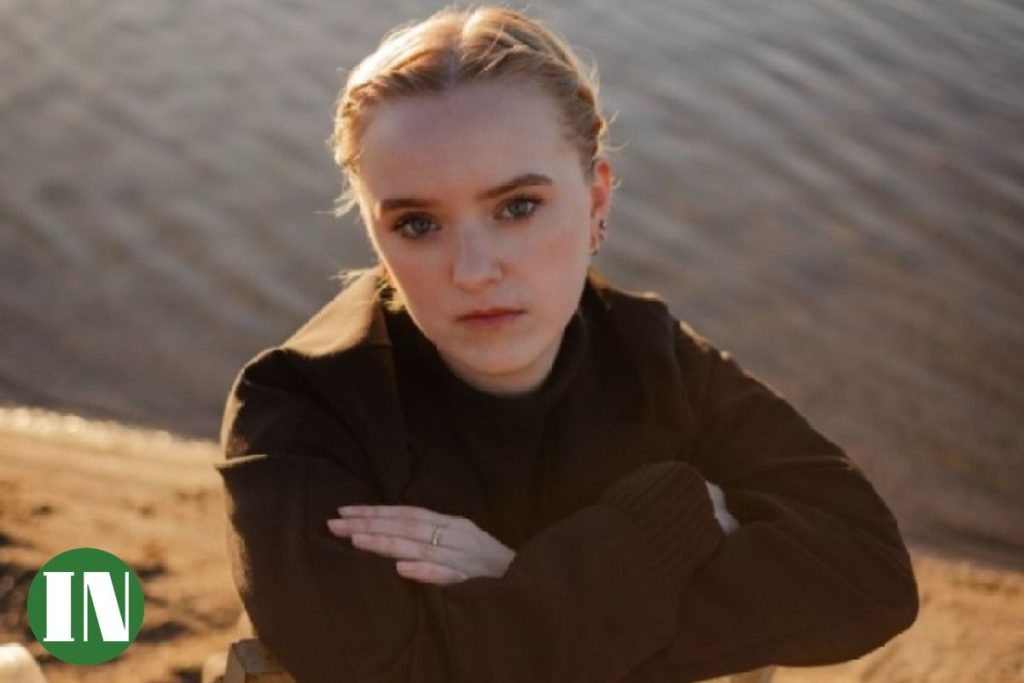
The Independent is thrilled to announce we’ve hired Newfoundland journalist Anasophie Vallée as a research assistant for the summer. You might recognize Anasophie’s name from her time at The Telegram, where she worked in 2024 and 2025 as a multimedia journalist, or from her time prior to that as editor of Memorial University news outlet The Muse.
We asked Anasophie to answer a few questions so you can get better acquainted with her, learn what she’ll be doing at The Indy, and how you might be able to help.
Anasophie, you’re back at university, though not in Newfoundland. How did you come to journalism, and why did you decide to transition from daily news back to post-secondary education?
Growing up, I was always heavily involved in the Newfoundland and Labrador dance community. For a while, I thought I would be a dancer. It seemed to be the clearest path, until it wasn’t. When I made the decision to go to university for my undergrad, I had no idea what I wanted to do. The one thing that always came naturally to me was writing. It wasn’t until I learned about Memorial University’s student editorial (The Muse) that I even realized writing articles was something I could do, that journalism was a career I could pursue. I started getting involved immediately, pitching as many articles related to the Newfoundland and Labrador arts scene as possible because that’s what I knew. Through that experience and later, as the editor of The Muse, I jumped headfirst into journalism and never looked back. Getting my first journalism job with The Telegram after my undergrad was a dream come true. I learned a great deal about Newfoundland and Labrador politics and had to adapt quickly to the fast-paced nature of daily news. During that time, I began reading and observing different journalistic approaches that seemed less conventional, both in the work of other journalists and in projects produced by Concordia University’s journalism department. I found it really inspiring, and got the itch to go back to school to learn from those doing that work and continue developing my own journalism practice in a way that felt authentic to me.
What exactly are you studying at Concordia, and how does your education tie back into your journalism career?
Will you stand with us?
Your support is essential to making journalism like this possible.
I’m doing a master’s in Digital Innovation in Journalism. My research focuses on constructive journalism, how Indigenous and non-Indigenous journalists develop their practices when sharing Indigenous stories, and how those practices may align with or challenge traditional journalistic norms. What I learn from those I’m hoping to speak with in my studies and thesis will directly inform my own work as a journalist. I find discussions surrounding practice very interesting and timely, as many journalists are challenging long-standing norms and standards in the industry. I believe our own assumptions as journalists when covering a story are deeply related to who we are and where we come from; understanding our own background and context and how it shapes and informs our reporting practice is essential to creating ethical, accurate, and truthful journalism—this is what I hope to further develop for myself in my studies and career.
Before moving to Montreal for university, you hadn’t really lived outside the province. What has the experience been like leaving home and getting accustomed to a new city, culture, and everything that comes with moving from a relatively small city to a large one?
It was definitely a change moving away from home for the first time, but not such a huge adjustment because I have family here. My dad is from Montreal, so growing up, I spent a lot of summers visiting the city. It’s been a wonderful experience so far, getting to know the city on my own and figuring out how to freelance in a brand-new place. One of my majors in my undergrad was French, and I’ve always wanted to work bilingually, so exploring that through my work has been a great way to step out of my comfort zone. But I also really miss home. Not having the ocean at my doorstep has been one of the more difficult adjustments. I can’t wait to visit home this summer.
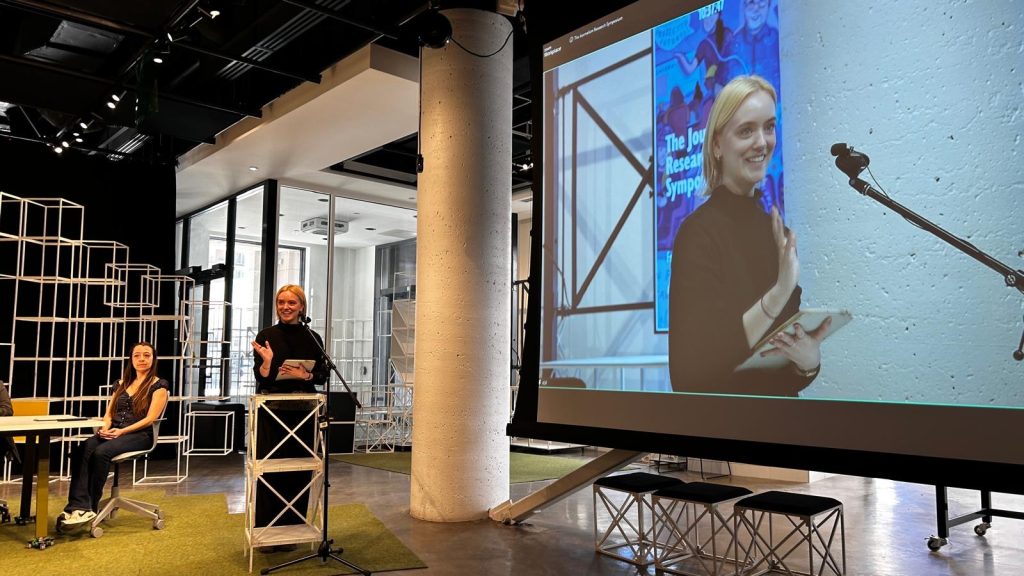
What are your interests outside of journalism and work?
My life right now is very hectic with journalism, work, and my thesis, but when I do have the time, I love reading, yoga, and dance. I’m always trying to pick up new hobbies; my recent obsession has been learning origami.
You will be helping The Indy research the provincial government’s commitments and actions as they relate to the many promises Tony Wakeham and the Progressive Conservatives made in the lead-up to the 2025 provincial election. We’ll be using that information to update our Government Promises Tracker, which is an invaluable tool for journalists and the public alike. This is going to mean digging into legislative hansards, sifting through budget documents, seeking information from the government and stakeholders, and probably filing access-to-information requests. What do you think about this experiment, and how do you think it will resonate with people?
I think it will be a fantastic and very useful resource for journalists and residents. It can be very difficult to remember all that was promised during an election campaign. So, having a hub of all the necessary information, including every promise and the progress (if any) made toward keeping those promises, is a great way to hold the provincial government accountable for what they committed to doing for Newfoundlanders and Labradorians.
What issues are you most interested in that are impacting Newfoundlanders and Labradorians right now?
One of the first stories I covered during my time at The Telegram was about the wildfires in Labrador, but even before then, I had a deep interest in how climate change is affecting our beautiful province. There are so many diverse ways we are witnessing our environment change for the worse, and those in rural and/or remote regions are disproportionately impacted by climate change. I learned a great deal about the impacts of these environmental shifts on Indigenous cultural practices in areas such as Nunatsiavut through my reporting, and I am very passionate about staying informed about the work being done to counteract these changes and how to contribute to/highlight those efforts. Also, witnessing the changes at Memorial University and the risks being highlighted regarding the privatization of post-secondary education is close to my heart.
Have you read any books or seen any movies recently that you would encourage people to check out?
I would definitely recommend reading Duncan McCue’s book Decolonizing Journalism: A Guide to Reporting in Indigenous Communities. It had a huge impact on me as a human being and as a journalist, and heavily influenced my research topic for my thesis.
Note: If you have information or insight about The Indy’s Government Promises Tracker you would like to share with us, please contact Anasophie at anasophie.vallee@theindependent.ca.

Author

Related Articles

Meet Yumna Iftikhar, the Indy’s Summer Reporter
The St. John’s native joins us fresh off an internship with CBC’s parliamentary bureau in Ottawa.

Coming Home Queer for the Very First Time
For three days in July, queer Newfoundlanders and Labradorians from all over the world celebrated a rural homecoming 30 years in the making.

Faculty, students fight to hold post-secondary privatization at bay
Australian company Navitas doubled its footprint in Canada during the COVID pandemic.