
Fact check: Long Range Mountains 2025 Federal Election Candidates Debate
Robbie Coles (Independent), Pamela Geiger (People’s Party), and Sarah Parsons (NDP) answered questions on topics ranging from the economy, health care, natural resources, climate change, inequality, and immigration
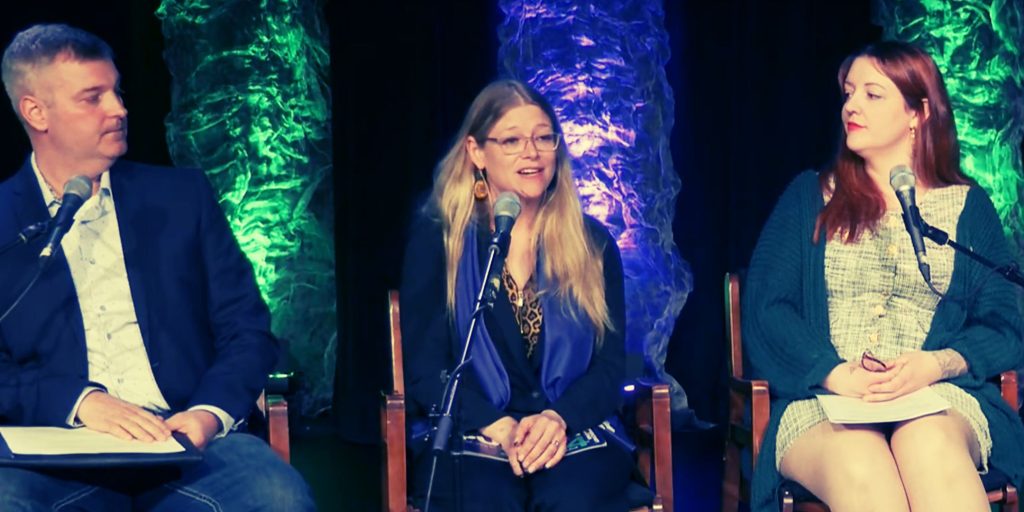
Three of the five candidates on the ballot for voters in Long Range Mountains faced off in a relaxed and conversational election debate hosted by The Independent on Monday. Robbie Coles (Independent), Pamela Geiger (People’s Party), and Sarah Parsons (NDP) answered questions on topics ranging from the economy, health care, natural resources, climate change, inequality, and immigration.
Liberal candidate Don Bradshaw and Conservative candidate Carol Anstey declined to participate in the debate.
There was little disagreement between the three candidates on the problems currently plaguing the province: inflation and affordability challenges, labour and demographic pressures, a struggling health care system, and rising global instability.
Each of the candidates had a lot to say about the struggles facing workers, particularly in the energy sector. They also spoke repeatedly about youth outmigration in rural areas, and the urgent need to “diversify” the economy in the wake of U.S. President Donald Trump’s ongoing trade war and escalating tariff threats.
Will you stand with us?
Your support is essential to making journalism like this possible.
The candidates saw eye-to-eye on a variety of other issues, too. Coles, Geiger and Parsons all spoke about the importance of expanding mental health supports, taking steps to attract more doctors and nurses by fast-tracking credential recognition, and expanding training and tuition incentives designed to keep medical and other skilled professionals in the province. There was further agreement on the need to expand resource development to create jobs and bring more locally-produced goods to export markets.
Most of the claims and statements made by the candidates were accurate, backed by evidence, and supported by lived experience and research. But some of the more eyebrow-raising claims deserve a closer look.
Below, we set the record straight on comments that are false and should be debunked.
On natural resources and energy
Robbie Cole’s claim that “We’re sitting on a wealth of natural resources, but they’re being developed to benefit others” is only partially accurate. Newfoundland and Labrador does have substantial natural resource wealth, particularly in offshore oil, minerals, and hydroelectric power. However, royalties and benefits are often shared between provincial and federal governments or large multinational companies. Projects like Muskrat Falls have also faced criticism for cost overruns and questionable long-term benefits to residents. Calls by all three candidates to fast-track permitting, take down inter-provincial trade barriers, and reduce regulation echo industry lobbying efforts, and many experts warn this can come at the expense of environmental and community oversight. What’s more, with global oil production projected to peak in 2030, the business case for further fossil fuel development, particularly in offshore oil and gas, is quickly losing appeal.
Relatedly, both Cole and Geiger expressed opposition to the carbon tax, saying it should be removed to help the economy. This is a contentious claim at best. While the federal carbon pricing system has been criticized for increasing costs, especially in rural areas, most households receive rebates that exceed what they pay, according to the Parliamentary Budget Officer. Removing the carbon tax could temporarily ease costs for some, but would also reduce funding for green infrastructure and could jeopardize climate commitments. All this is moot, however, as Mark Carney already killed the consumer carbon tax in one of his first moves as prime minister. It is unlikely to return any time soon.
On immigration
Pamela Geiger’s call for a “complete moratorium on immigration” – a key plank of the People’s Party platform – is contradicted by demographic and economic data. Immigration is identified by almost all economists and demographers as essential to tackle economic stagnation, population decline and labour shortages, ironically the same issues Geiger raised repeatedly during the debate. Indeed, immigration continues to account for the majority of Newfoundland and Labrador’s population growth, underscoring the need to retain an influx of newcomers to keep the population and labour market stable.
On climate
All three candidates understated the impacts of climate change and, while the increasing threat of forest fires and other disturbances were acknowledged by NDP candidate Sarah Parsons, the issue was mostly sidestepped. This tracks with data published by CBC showing that environmental issues are taking a backseat this election. However, Geiger effectively denied there is a problem at all, stating, “There isn’t necessarily a climate change crisis. Climate has changed the entire time we’ve been here.” While it’s true that Earth’s climate has changed over millennia, the current rate of warming is unprecedented in human history and overwhelmingly driven by human activity, according to the vast majority of scientists as well as leading international organizations including the IPCC and NASA. Newfoundland and Labrador is already experiencing the impacts—rising sea levels, warmer waters affecting fish stocks, and more extreme weather. The scientific consensus is clear: we are facing a climate crisis.
On identity and gender
Identity issues including gender diversity and inclusion were only discussed briefly, however that didn’t stop Geiger from bemoaning the so-called “woke ideologies that are going on” and calling for “wokeism” to be excised from the Canadian military (she did not elaborate). As a woman, Geiger said, she is more concerned with women’s and victim’s rights than “gender diverse people [who] don’t need to be involved in society.” These remarks conflict with the Canadian Charter of Rights and Freedoms, which guarantees equal rights regardless of gender identity or expression. Federal and provincial laws protect LGBTQ2S+ Canadians from discrimination, including in health care, employment, and military service. While Geiger framed her statement as a personal belief, it contradicts widely-shared national values and human rights legislation. The PPC candidate, it should be noted, was “heavily involved in parent advocacy at the school board level” during the COVID-19 pandemic, according to The Telegram, and has criticized what she calls the “indoctrination” of the education and medical systems, presumably in reference to the consensus on gender diversity, as well as the efficacy and safety of vaccines and other health care interventions.
Watch the April 14 Long Range Mountains 2025 Federal Election Debate in Corner Brook below.
The Independent’s debates and federal election coverage is supported by the Covering Canada: Election 2025 Fund.

Author

Related Articles

Accounting watchdog to investigate Deloitte over fake citations in $1.6M healthcare report
Chartered Professional Accountants N.L. is leading the investigation after Deloitte admitted AI was involved
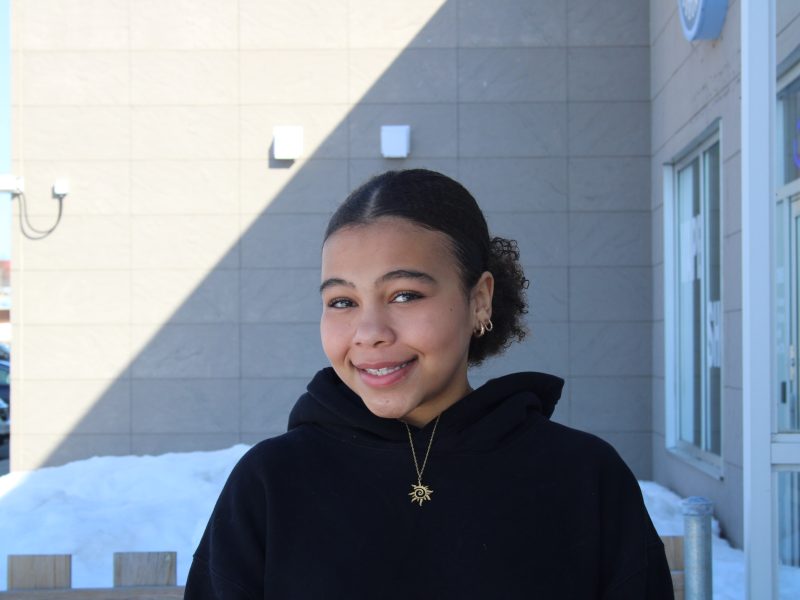
St. John’s teen says community, activism helped her find her voice
13-year-old Nyala Adam was inspired by a local summer camp focused on social justice and cultural inclusion
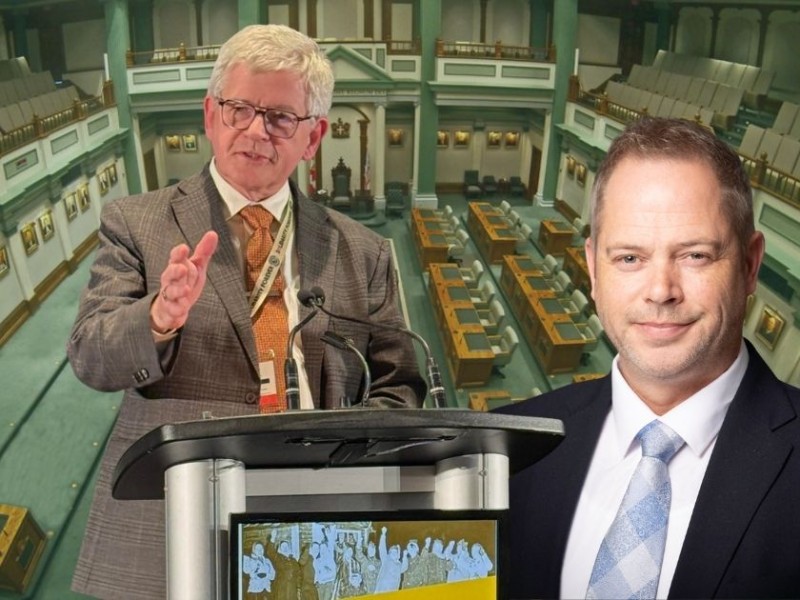
PC’s minimum wage increase ‘far from a living wage,’ says NDP leader
NDP Leader Jim Dinn is calling on the PCs to legislate wage increases