
Innu youth join calls for action on Sheshatshiu drug crisis
Angel Jourdain McKay is one of three youth seeing drugs kill people in her community
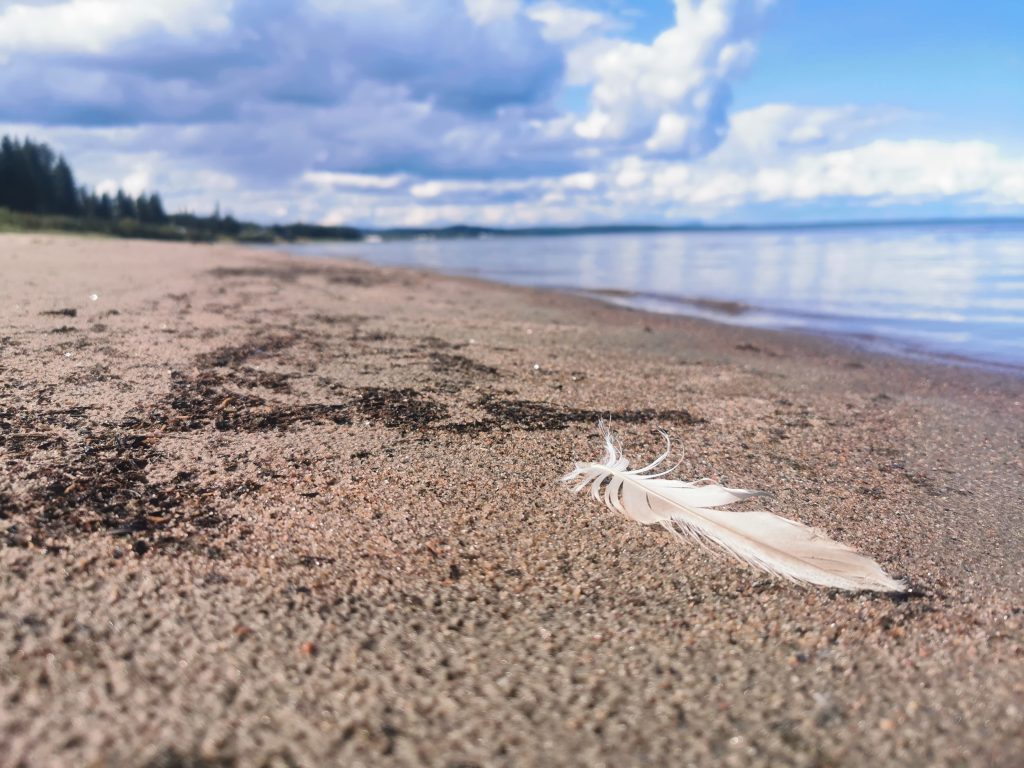
Angel Jourdain Mckay has seen the impact of drugs first hand in Sheshatshiu. The 19-year-old Innu woman said drugs and bootlegging of alcohol has been a constant problem for years, but lately more drugs have been circulating and more people are dying.
“These aren’t just drugs, they’re weapons,” Jourdain Mckay said in an interview with The Independent. “Weapons in a war that we don’t always see — but we feel it. Every single day.”
Kids are trying alcohol, cocaine or smoking crack at young ages, she said.
“I fear that if we stay going the way we are, then there’s going to be a lot of children without parents around. There’s going to be a lot more caskets built for teenagers. There’s going to be a lot of death in the upcoming years,” Jourdain Mckay said. “Even myself, as an addict, I’m just recovering now. I think if nothing changes in the next five years, I think I will be gone, too.”
Will you stand with us?
Your support is essential to making journalism like this possible.
Last winter parents and grandparents began calling for action from the Sheshatshiu Innu First Nation and RCMP to confront the drug crisis. It resulted in several emergency meetings by community members, checkpoints at entrances to the community, a curfew for closing the road into Sheshatshiu, and people being escorted out of the community.
Parents and grandparents say more criminal charges need to be laid against those dealing drugs; they also want to see more people banned from the community. Jourdain Mckay says not enough has been done to stop the flow and access of drugs.
“I’ve asked this question time and time again: When will we be protected? When is enough finally enough? When will someone step up and do something to save us?” she said.
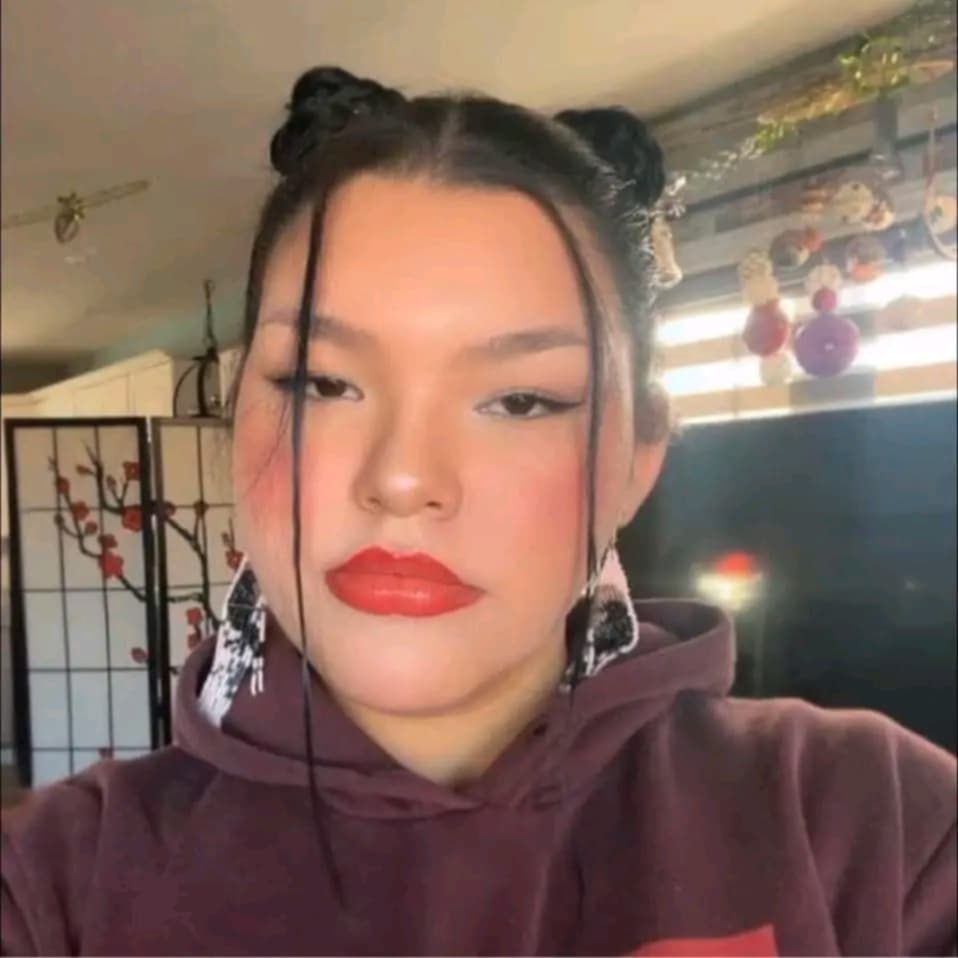
Young people in the community want help and to see change, but instead drug dealers and bootleggers face little consequences and instead can “terrorize” people in Sheshatshiu, Jourdain Mckay said.
It is a small community and information is shared widely; there needs to be a crackdown and criminal charges for people dealing drugs and bootlegging alcohol, she added.
The RCMP says drug investigations are part of normal operations within each detachment and they are unable to share further information about drug trafficking investigations in Sheshatshiu, in order to protect the integrity of any ongoing investigations. The force says just because the public is not seeing police enforcement with respect to local drug investigations doesn’t mean that an investigation is not underway.
They say the detachment is receiving information about drug trafficking in Sheshatshiu, most of which is anonymous in nature, which is challenging because they cannot clarify the information received or find out more information. People can share information anonymously through conversations where RCMP can ask additional questions at any time.
The force says right now, much information is vague and isn’t sufficient to obtain a search warrant. They need information that has specific details, that could include information about the type and quantity of drugs, how the drugs are coming into the community, and where the drugs are being held. The RCMP says it’s not seeing a large number of overdoses and its information shows only a low number of incidents at this time.
Sheshatshiu Innu First Nation Chief Eugene Hart did not respond to a request for comment by the time of publication.
Jourdain Mckay felt compelled to speak out after a woman opened her eyes to the challenges of addiction. This person was a bit older but was kind, caring, friendly and made sure Jourdain Mckay was doing okay, until the woman died of a fentanyl overdose.
“That’s when it became real for me,” Jourdain Mckayn said. “These dealers don’t care if someone dies. There’s always another buyer, another person to exploit. They’ll even beat or nearly kill their own just over a gram. There is no loyalty. There is no mercy.”
A woman in Sheshatshiu who has been watching the situation closely told The Independent earlier this year there have been more than two dozen drug-related deaths in the community over the past three years. The consistent deaths without accountability or criminal charges have left youth wanting to leave and not being able to see a future in their own community, Jourdain Mckay said.
The Sheshatshiu Innu First Nation Band Council needs to update the ‘Banned List’ of people not permitted to return to the reserve to include Innu offenders, McKay Jourdain said. The list currently includes non-Innu people who are convicted of drug dealing, sexual assault, or bootlegging, but there are Innu selling drugs and bootlegging without consequences, she said.
“It makes no sense that they’re not on the ban list because they are causing harm,” Jourdain Mckay said. “I don’t think your status or your identity should change the fact that you shouldn’t be walking among your people if you’re just planning to kill them.”
Jourdain Mckay knows she isn’t alone. She hears similar sentiments at her work with other youth at the Sheshatshiu Youth Centre.
“It saddens me that my culture that stems from togetherness, unity and strong leadership has been ruined by greed and abuse,” Innu teenager Percey Montague wrote in a statement to The Independent.
“Sometimes I wish people didn’t chase the feeling of being drunk,” Grayor Sillitt, another Sheshatshiu teen, told The Independent in a written message. The Innu teen said people can chase the feeling for fun but there is often something deeper going on, like trauma or loss. Young people need help to feel emotions and see a future for themselves, Sillitt said.
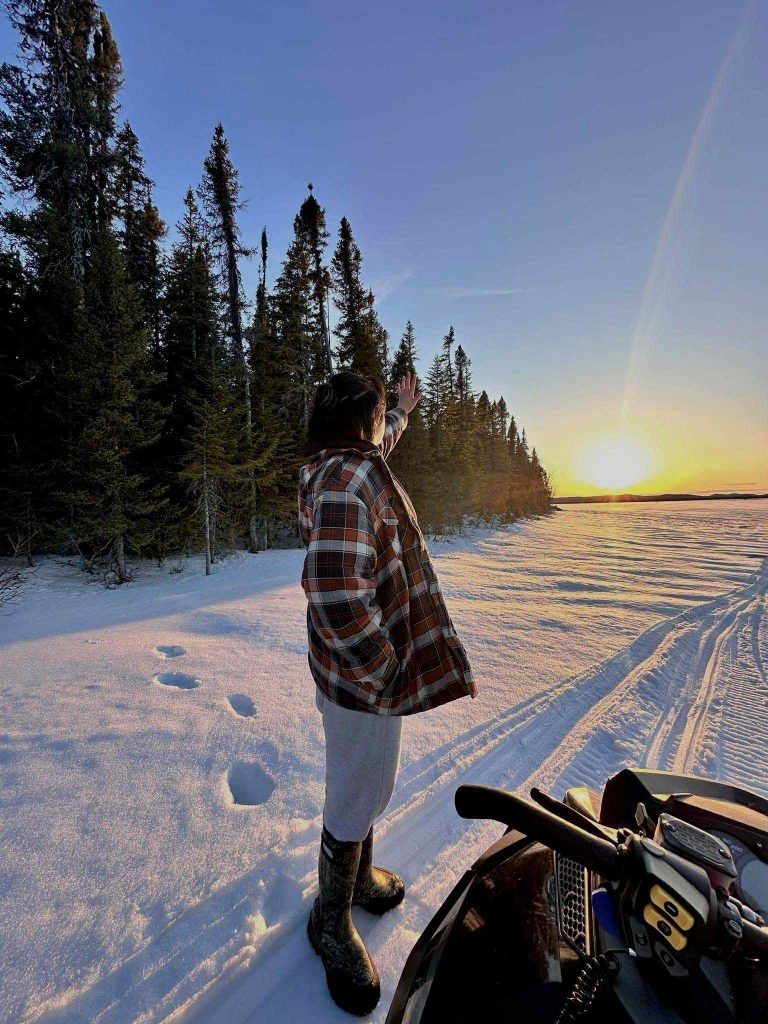
“You need to feel that pain to start feeling better,” Sillitt wrote. “This is a warning to not turn to alcohol. Break the cycle.”
Mckay Jourdain hopes the youth speaking up may help the Sheshatshiu Innu First Nation Band Council and RCMP act, to create a better future where youth don’t need to bury their parents and friends.
“How many more have to die? How many more funerals do we need? How many more young people do we have to lose before something finally changes?” Jourdain Mckay said.

Author

Related Articles
Access to information: N.L. failed to make public over 1,000 responses in a single year
Province says it’s dealing with an increase in requests, but NDP leader is concerned the mounting problems may be intentional
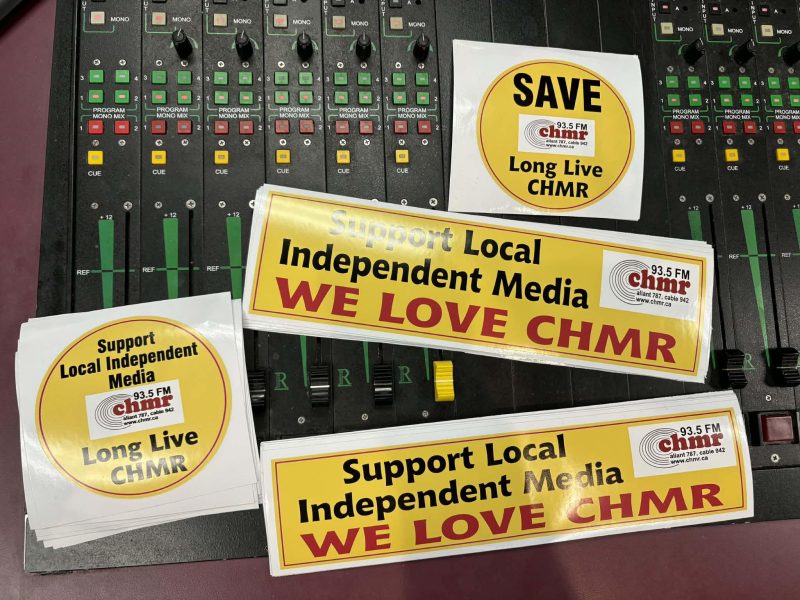
Memorial University student union walks back plan to close radio station amid backlash
‘I wish CHMR the best,’ Memorial University Students’ Union executive says ahead of vote to defund the campus radio station
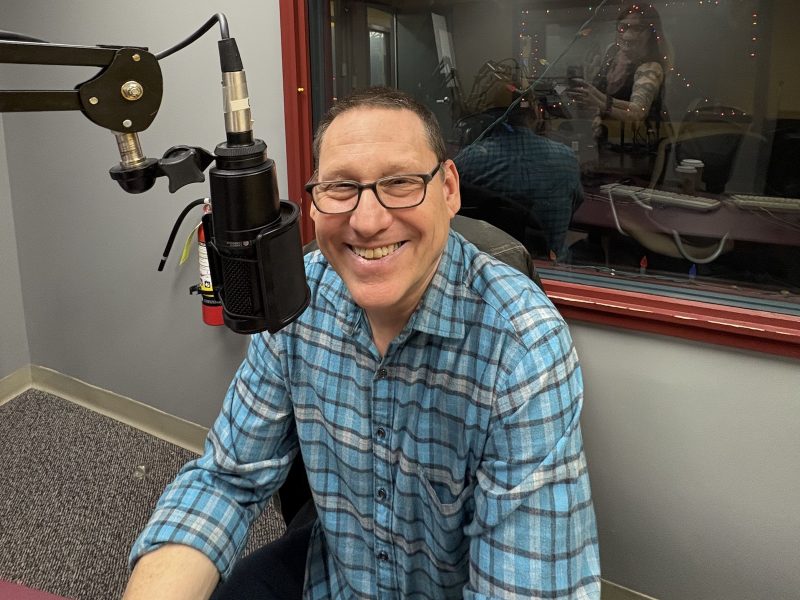
INTERVIEW: Avi Lewis says N.L. is ‘ground zero’ for the biggest challenges facing Canadians
The federal NDP candidate says socialism and economic populism are the antidote to unfettered capitalism and the ‘epic market failures’ it has brought