
Labrador mother calls on next MP to establish primary marine search and rescue station
Jeanette Russell’s son Marc died in 2021 off the coast of Mary’s Harbour

The mother of a man who died off the coast of Labrador wants to see the next Member of Parliament establish a primary search and rescue station in Labrador, as two of the three federal candidates promised to follow through on her calls.
Jeanette Russell’s son, Marc, and his crewmate Joey Jenkins died off the coast of Mary’s Harbour in September 2021. Since then, Russell has become an advocate for marine safety and started the Labrador Coalition For Search And Rescue.
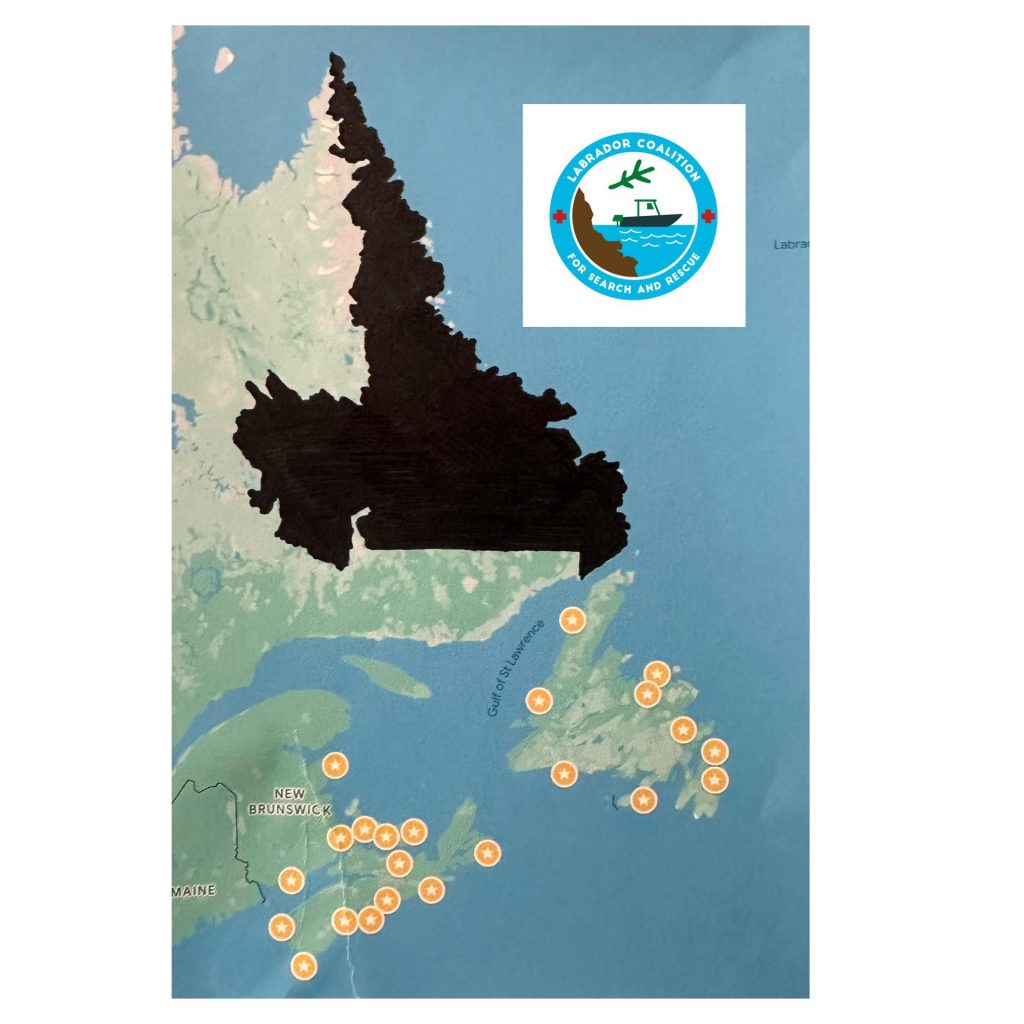
“The first thing I want to ask them to do is to frame a photo of the Labrador search and rescue black zone and put it in their office and ask questions that challenge the status quo on search and rescue in Labrador,” Russell said.
In her advocacy, Russell has been showcasing a Google Maps photograph that highlights where all the primary search and rescue stations in Atlantic Canada are, showing how, despite Labrador’s size, there are no primary stations on its coast.
Will you stand with us?
Your support is essential to making journalism like this possible.
The Canadian Coast Guard has increased Newfoundland-based search and rescue stations by 43 per cent since 2016, and Russell said it doesn’t make sense that they haven’t made further investments in Labrador. The next Labrador MP needs to pave the way to improving the situation, she said.
“Ottawa needs to see the faces of the people directly impacted by the lack of primary search and rescue in Labrador and be reminded that Labrador lives and the safety of our families matter, and be reminded that they have a duty of care,” Russell said.
All three Labrador candidates responded to The Independent. Their responses are listed in alphabetical order.
Liberal candidate Philip Earle said in a statement that establishing a primary search and rescue site in Labrador will be one of his top and most urgent priorities if elected. Earle said he will never forget what happened to 14-year-old Burton Winters in 2012, when a rescue helicopter took two days to arrive.
“That delay was unacceptable, and even one preventable loss is one too many. Labradorians deserve reliable, timely access to search and rescue services,” Earle said in a statement. “Our communities rely heavily on the land and sea, and it’s essential that we have the support we need when emergencies happen.”
NDP Candidate Marius Normore said Russell has been a tireless advocate for Labradorians and has been doing important work to bring light to the issue. Normore said that, if elected, he will proudly hang the map created by Russell in his office and work toward establishing a primary marine search and rescue centre in the region.
“For far too long, Labrador has been underserved when it comes to critical emergency services,” Normore said in a written statement. “Every minute counts in an emergency. Delays due to distance from current SAR bases have already proven fatal in some tragic cases — that’s unacceptable.”
Labrador has a unique situation, with vast coastlines, harsh and unpredictable weather conditions, and a deep reliance on marine activities for work, recreation and connections between communities; it deserves a primary search and rescue station, regardless of its population, Normore said.
Conservative Candidate Ella Wallace said in a statement that she recognizes how vital marine search and rescue is to the people of Labrador. She said she can’t make specific commitments ahead of full consultations and budget assessments, but that she supports efforts to strengthen safety and emergency response in the region.
Wallace said that, if elected, she would be eager to work with local leaders, Indigenous communities, and federal partners to explore the best ways to improve marine safety, including the possibility of a primary SAR site in Labrador.
Federal government needs to follow provincial investments: Russell
The provincial government has expanded ground search and rescue teams following the 2021 Public Inquiry Respecting Ground Search and Rescue for Lost and Missing Persons. New ground search and rescue teams have begun in the Labrador Straits, Mary’s Harbour and work is underway to expand ground search and rescue teams’ training in other parts of Labrador.
Russell said while those are important steps being taken by the province, the federal government needs to step up and do the same expansion work for the marine safety side–which is federal jurisdiction.
Russell said outgoing MP Yvonne Jones tried to make change but there was no appetite in Ottawa. Jones presented a petition to the House of Commons calling for more search and rescue resources in Labrador on June 14, 2023.
The Government of Canada’s response was tabled on Aug. 16, 2023. The associate minister of national defence, Bryan May, responded that search and rescue is a shared responsibility among federal, provincial, territorial, and municipal organizations, as well as air, ground and maritime volunteer SAR organizations.
The response said that there are resources available in Greenwood, Nova Scotia, Gander and Happy Valley-Goose Bay, with the 444 Combat Support Squadron “which operates CH146 Griffon helicopters that can be made available to support SAR operations when needed.” The response also said the North American Aerospace Defense Command modernization also included upgrades to 5 Wing Goose Bay.
“The feds have really failed to invest in Labrador,” Russell said. “We all know it’s gonna cost money, but that doesn’t mean it’s not needed.”
Often, Russell is told that Labradorians cannot expect the same rescue centres as Newfoundland because the population is smaller, she said.
Labrador represents an estimated seven per cent of the provincial population, but 62 per cent of the province’s land mass. Having less people doesn’t mean Labradorians deserve to be unsafe when out on the water, she said.
“Our lives still count. We have a robust fishery off the coast of Labrador. And you know, our fish harvesters do not have the standard of safety that Newfoundland fishermen have,” Russell said. “There’s a huge prejudice, and it needs to change.”
Different metrics are needed to understand the sheer amount of people in Labrador that use the water, such as fish harvesters, Indigenous peoples practicing their culture and more, she said.
Russell said during a time when governments are focused on reconciliation with Indigenous peoples, it doesn’t make sense to not provide Indigenous Peoples the primary search and rescue sites close to where they practice their culture.
“It really defines logic,” Russell said. “It needs change.”
The Independent’s debates and federal election coverage is supported by the Covering Canada: Election 2025 Fund.

Author

Related Articles

May Day Rally Shows New Face of Today’s Labour Movement
Turnout for May 1 march and rally in St. John’s one of the biggest yet in this province
Recimply the Best: Pitch and Pick Competition Winner Aims to Reduce Paper Waste
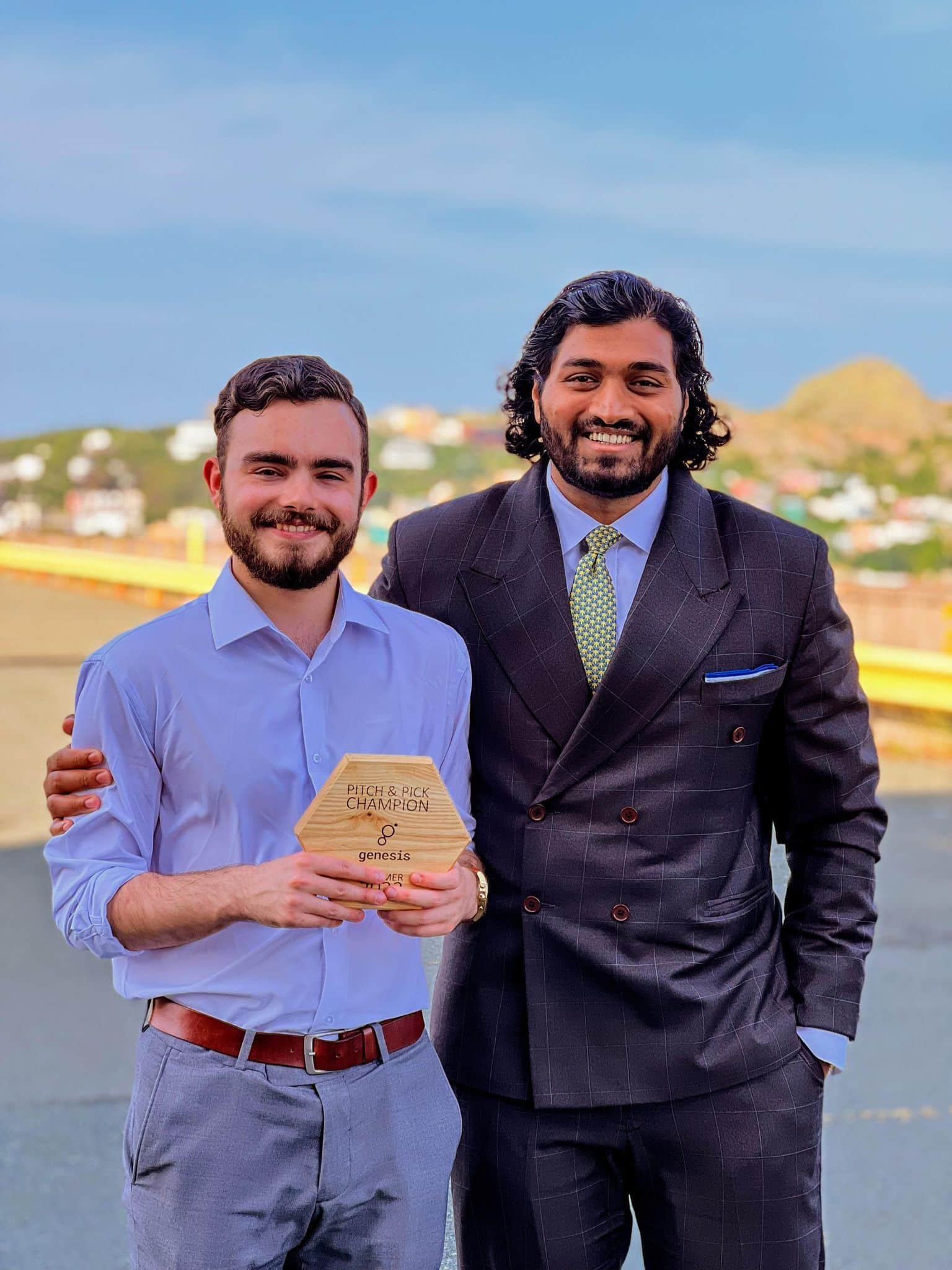
Recimply won big at Genesis’ annual Pitch and Pick competition last week. The startup is solving the problem of non-recyclable paper receipts.

Coming Home Queer for the Very First Time
For three days in July, queer Newfoundlanders and Labradorians from all over the world celebrated a rural homecoming 30 years in the making.
As Innu exhibit opens in Labrador, Grand Chief says truth must come before reconciliation
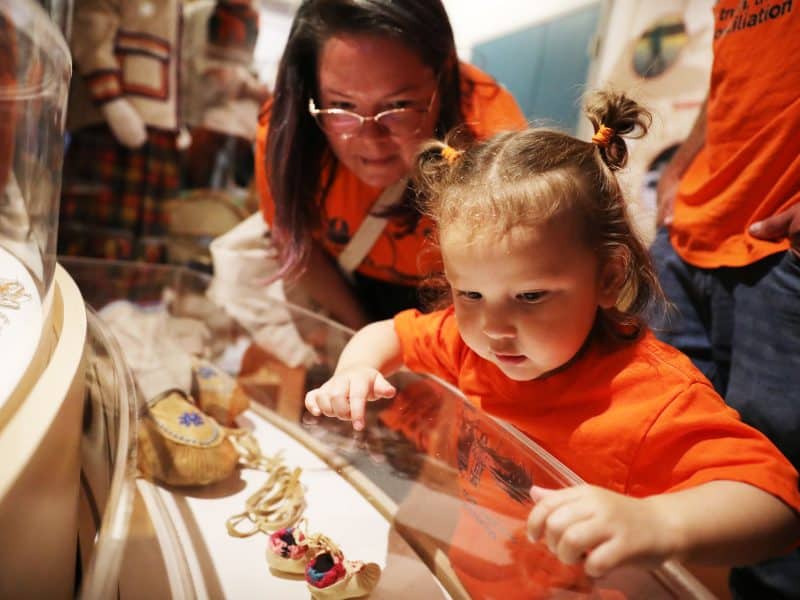
Innu Nation Grand Chief Jodie Ashini says it’s disappointing to open the Innu Pakassiun exhibit without the provincial government’s participation, but Innu know their history and who they are

Liberals’ Bill C-39 a wake-up call for Canadians: Avi Lewis
‘Cracks starting to show in the Carney consensus,’ Lewis tells N.L. NDP convention in St. John’s
As NDP convention gets underway in St. John’s, will N.L.’s third party prioritize growing rural support?
Former party candidates say it’s a steep hill to climb, but there are ways