
Labrador’s federal election candidates on housing, addictions and reconciliation
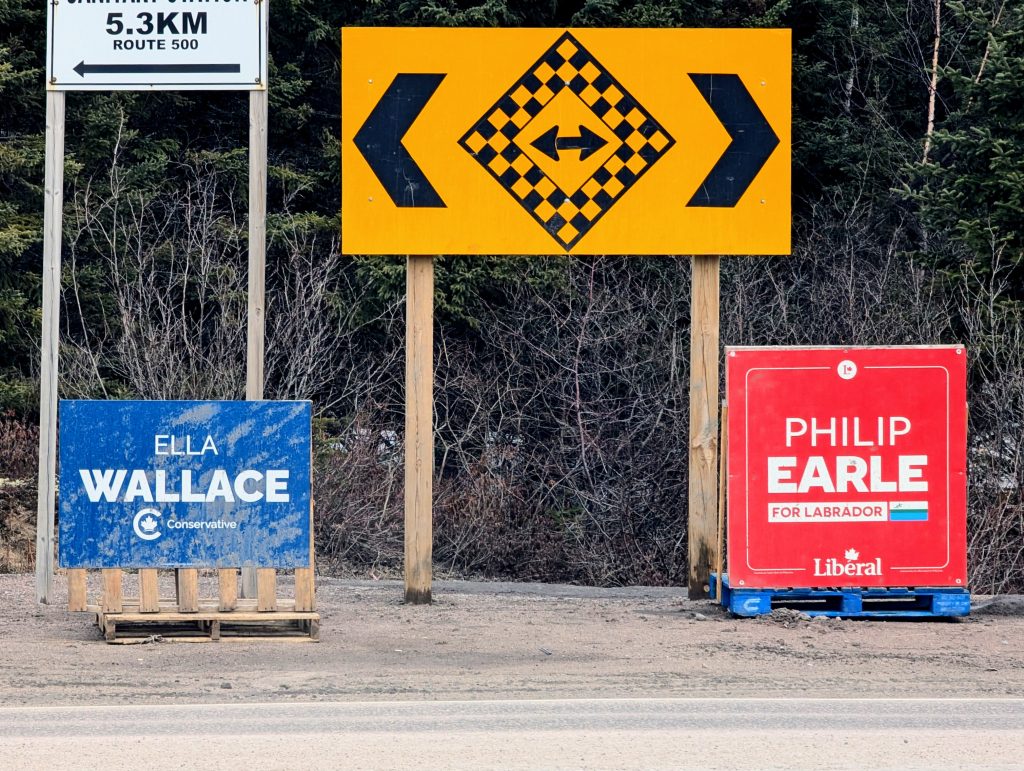
Liberal Candidate Philip Earle and NDP Candidate Marius Normore answered questions from The Independent. Conservative Candidate Ella Wallace did not respond to our requests.

We reached out to Liberal candidate Philip Earle, NDP candidate Marius Normore, and Conservative candidate Ella Wallace. Earle answered questions in person in Happy Valley-Goose Bay, Normore answered in a virtual interview, and Wallace did not respond to our request. Topics ranged from the housing crisis, addiction challenges in Labrador and reconciliation with Indigenous Peoples. Candidates are listed in alphabetical order by last name.
Read a summary of the candidate’s responses to key issues.
Housing Crisis
Liberal Candidate Philip Earle says he would be a strong advocate to build more homes, study the housing crisis, work with the federal government to create specific programs for northern communities, remove GST from homes that are less than $1 million, and that it will take collaboration with Indigenous governments to resolve the crisis in the long-term.
Will you stand with us?
Your support is essential to making journalism like this possible.
Earle says studying the housing crisis doesn’t mean putting it off, but instead understanding the complexities, especially in northern communities.
“I don’t believe that we’ve ever gotten to a point where people fully understand the severity of the matter at hand,” the former vice-president of Air Borealis said.
NDP Candidate Marius Normore, a health and safety advisor from L’Anse Au Loup, says housing is one of the most urgent issues, and that access to safe, affordable housing is a human right. Normore says the NDP has a plan to build affordable homes, with a commitment to rural and northern housing. As well, the NDP is focusing on social housing and cooperative housing, along with direct support for repairs and upgrades in communities.
Normore says the federal NDP intends to take aim at corporate landlords and housing speculators who are driving up costs for all. As a younger person, Normore says he’s seen firsthand the challenges for people trying to buy their first homes and afford a safe place to live.
“I feel like the NDP is the one party that is committed to actually tackling this and making sure that houses are being built and they’re built for families and individuals, not just for an investment.”
Addictions in Labrador
Earle says helping people battling with addictions and combating crime is going to take a holistic approach that looks at the root causes of addiction. He says the Liberal Party has policies that will be tougher on crime and help curb drugs coming into communities, but it’s important to look at mental health and why people are using drugs in the first place, Earle says. The Liberal government has come under scrutiny for its policies not being hard enough on drug-related crimes.
“It’s been an eye opener for me to be throughout the riding, to be able to talk to leadership within the communities about the severity of the issues,” he adds. “And quite frankly, I would suggest that I’m a lot like every other Labradorian and didn’t quite understand that the challenge is as severe as it actually is, statistically.”
Earle says this is an issue larger than any single community, and that if elected he would advocate to work with communities who are impacted by drugs and addictions to support what is needed. Earle said while healthcare delivery is provincial jurisdiction, the federal government provides the healthcare funding and all levels need to work collaboratively with local Indigenous governments to create a better future.
Normore says people are seeing the addictions crisis in Labrador in real time, and while enforcement is an easy response, the issue runs deeper than targeting drug dealers and traffickers. Normore says more treatment options are needed to break the cycle of addiction.
“We need to invest in rehabilitation centers, because all across Labrador that treatment is not readily available to whoever may want to actually access it. Another big one is working with the communities to see what their actual needs are and try to work out a plan,” he says.
There cannot be a one-size-fits-all approach to Labrador’s communities and it’s important to have a strong advocate to listen and fight for solutions, Normore says. While healthcare falls under provincial jurisdiction, Normore says he wouldn’t pass the buck and would instead work with the province to ensure timely access to healthcare regardless of where people are in Labrador.
Reconciliation
Earle says a Liberal government would be solidly in line with the values working towards reconciliation. Earle said the Liberal Party will only build projects with consultation with Innu and Inuit. “I believe that reconciliation is a journey, and it’s not a journey that will ever end.”
Normore says the NDP is committed to reconciliation and to ensuring Indigenous voices are heard. He says it’s crucial to have an open line of communication with Indigenous leaders to make sure they are at the forefront of any decisions.
“We can learn from the past, right? And in the past, with Muskrat Falls, some of the Indigenous groups feel like they didn’t have a seat at the table. So if we’re going to be serious about reconciliation, making sure that the groups are at the table from the beginning is key to that,” he says.
Negotiations with NunatuKavut Community Council
In Labrador, the NunatuKavut Community Council, which represents thousands of self-identified Inuit, is in negotiations to become a recognized Indigenous group, while Innu Nation, the Nunatsiavut Government and Inuit Tapiriit Kanatami say NunatuKavut is a settler organization and should not hold Section 35 Aboriginal rights.
Earle says he’s very much aware of the public conversations happening around the negotiations and allegations, and about the sensitivities around the issue. As a federal election candidate, Earle says his role right now is to listen to all perspectives.
“I need to understand,” he says. “In my full career, in my full lifetime, I’ve learned that it is better to listen than it is to speak. This is a very challenging subject, and my position right now is to listen to the parties to better understand it.”
Normore says he respects the voices and concerns raised by Inuit, Innu and NunatuKavut individuals, and that it is not his role to impose definitions of identity, but instead to listen to people on the ground and support inclusivity.
Normore said it’s important to recognize that all groups in Labrador are here to stay and Labrador is stronger when people are united. Normore said he sees himself as being the person to listen to all groups and work to find solutions that are in the best interests of all. “I respect the voices and concerns raised by Inuit, Innu, and NunatuKavut individuals, and I believe that it’s not my role to impose definitions of identity but rather to listen carefully to the people on the ground and support inclusive and just processes led by Indigenous peoples themselves,” he says. “If elected, I am committed to supporting open, respectful dialogue between all Indigenous governments and organizations in Labrador and working toward reconciliation in a way that respects history, rights, and lived experiences.”
Normore says it’s important to “see a Labrador that’s united and can prosper as a whole, right? Because at the end of the day, we are all Labradorians, right? And we want to see Labrador prosper. We want a better future for our children.”
Innu Nation land claim
The Innu Nation has been in negotiations for decades on their land claim with the federal government. Earle says the Innu should have a land claim agreement with Canada, and that the process of land claim negotiations is a clearly laid-out pathway.
“I would suggest it would be the greatest achievement of my political career, if during my tenure we could get to a land claim settlement with the Innu Nation of Labrador. It’s a process that I look forward to being a part of, and I believe we will get to that point when both sides in the discussions are happy with the outcome,” Earle says.
Normore says pressure needs to be put on the federal government to make sure that the Indigenous groups in Labrador are recognized and have the land claims they are rightfully entitled to. Normore said he doesn’t know the in-depth history of the Innu and their negotiations but would learn.
“One of the things for myself as an MP would be to learn about the history, the importance of it,” Normore says. “Learning to educate myself and being that advocate for all Labradorians, and making sure that it’s an Indigenous land claim that I’m pushing and working on behalf of that group.”
Earle is running to replace incumbent Yvonne Jones who announced she is not running in the upcoming federal election due to personal reasons. Jones identifies as Inuit and a member of the NunatuKavut Community Council. While Jones was MP, the federal government signed a memorandum of understanding with NCC to further explore federal recognition of their people.
Normore is running with the NDP, which has never held a seat in Labrador since the district was created in 1949. Normore says while his name may not be well-known throughout Labrador, being an average person is a strength as he understands the struggles people face and wants to do what he can to help all Labradorians prosper.
The Independent’s debates and federal election coverage is supported by the Covering Canada: Election 2025 Fund.

Author

Related Articles
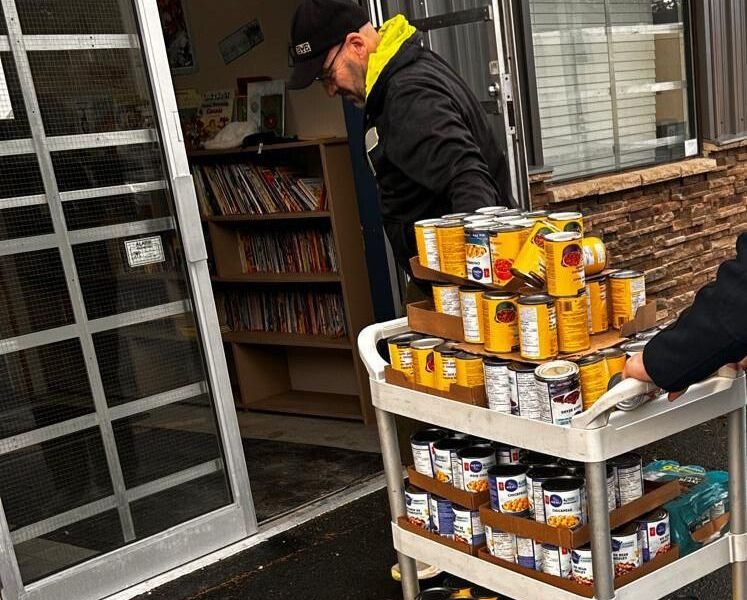
Muslim youth donate 600 pounds of food to Avalon food bank
As the province continues to see high rates of food insecurity, communities are coming together this holiday season to make sure households have food on the table
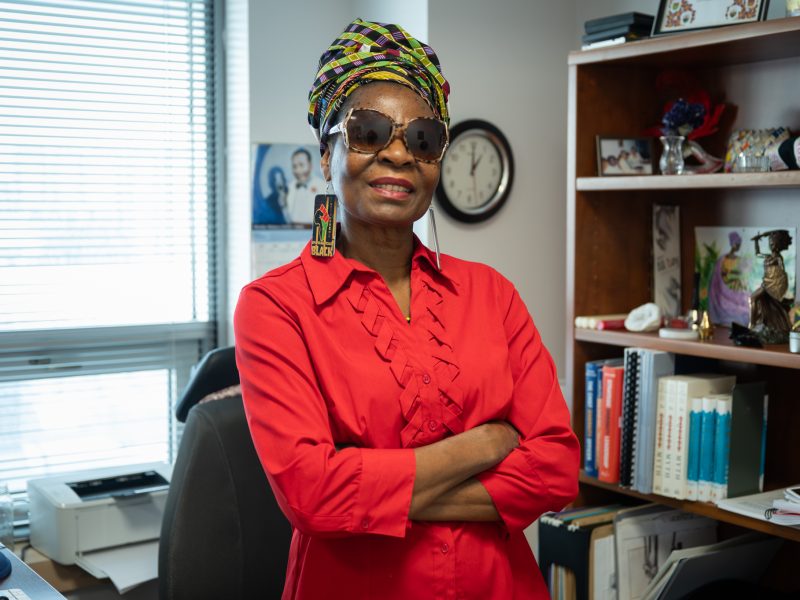
Head of Memorial University’s EDI office leaving role
In an interview with The Independent, Delores Mullings spoke candidly about challenges with the equity, diversity and anti-racism position
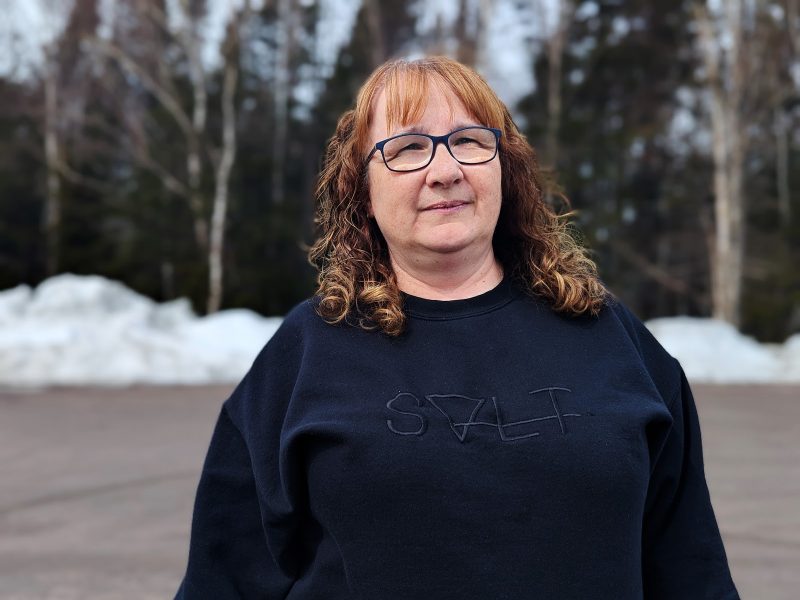
Labrador woman calls for nursing reform following husband’s death
Susanna Rumbolt says her husband Tim, who was battling cancer, should not have died following appointments with an oncology nurse in St. Anthony