
If PCs ignore climate science, residents are going to have to speak up, says researcher
Political Scientist Angela Carter says Premier-designate Tony Wakeham’s recent comments on climate change are ‘worrisome,’ but that the PCs have an opportunity to align themselves with the science

Newfoundland and Labrador’s incoming Progressive Conservative government has plans to expand the province’s fossil fuel industry, an outcome observers say would likely thwart any hope of achieving our climate targets.
Instead, they say, the PCs should be preparing Newfoundland and Labrador for a future less reliant on oil.
Angela Carter, political science professor at Memorial University, says the incoming government has the “momentous task” of ensuring the safety and well-being of children and communities by avoiding a worst-case climate scenario, and of positioning the economy to benefit from the job creation and revenue opportunities of the global energy transition, rather than being left vulnerable by a declining oil sector.
“In the next four to five years, what we do or don’t do on climate and economic transition will define where we can be in terms of climate safety or socioeconomic stability for decades to come,” she says.
Will you stand with us?
Your support is essential to making journalism like this possible.
Throughout their campaign, the PCs promised to expand fossil fuel production, which according to the United Nations and global scientific consensus, is “by far the largest contributor to global climate change, accounting for around 68 per cent of global greenhouse gas emissions and nearly 90 per cent of all carbon dioxide emissions.”
In its platform, the party pledged to call on the federal government to remove the cap on offshore oil industry emissions.
It has also committed to increasing investments in the oil and gas industry, including support for the delayed Bay du Nord project. Like their Liberal predecessors, the PCs also deceptively refer to Newfoundland and Labrador offshore oil as having a “low carbon footprint.”
Conor Curtis of Sierra Club Canada says “low carbon footprint” is marketing terminology that can be deceptive since the carbon footprint of oil typically refers to its entire lifecycle, including extraction, refining, and use. Since most of the oil produced in the province is exported and used elsewhere, the province does not count the majority of emissions which are generated from its use.
Ahead of the election Sierra Club sent a questionnaire to all political parties about their climate and environmental policies. The PC Party was the only one that did not respond. But Curtis says his organization will “gladly have a chat and share our research with anybody who comes and asks,” including the PCs.
What concerns Curtis the most is the province’s continued investments in oil and gas, despite projections that paint a grim picture for the global fossil fuel sector. Global oil production is expected to peak as early as 2030, driven by the growth of clean energy and international net-zero commitments aimed at limiting global warming to 1.5 to 2°C above pre-industrial levels.
What the new government needs to focus on
Carter says Newfoundland and Labrador should be focusing on a just transition across communities and sectors, and in partnership with Indigenous governments. Just transition refers to “greening the economy in a way that is as fair and inclusive as possible to everyone concerned, creating decent work opportunities and leaving no one behind,” according to the International Labour Organization.
Here at home, that would include building renewable energy projects that benefit local communities and are community-owned and operated,” Carter says. “So this is about rerouting our energy sector in ways that deliver benefits to communities and also align with a climate-safe future, and also align with where global energy demand is going.”
Curtis says the province’s obsession with oil and gas is using resources that could otherwise be directed toward renewable projects. He says there’s a risk the province could be “left behind” as global energy demand shifts from fossil fuels to renewable and green energy sources, and that the province needs to immediately start investing in an extensive training program to help oil and gas workers acquire additional skills so they have other career options when they need to transition into other fields.
The role of civil society
Wakeham recently denied a correlation between the oil industry and last summer’s wildfires, which led to community evacuations. There is an overwhelming scientific consensus that carbon emissions from the oil industry are driving a hotter, drier climate which is leading to more wildfires.
Carter says Wakeham’s comments are “worrisome,” but adds there’s still time for the new government to gain a better understanding of the climate crisis and how it will affect the province. “It’s dangerous for our political leaders to ignore the evidence and to not take the policy steps that are needed,” she says. “And these are policy steps that wouldn’t just give us climate safety, but would also secure us economic stability.”
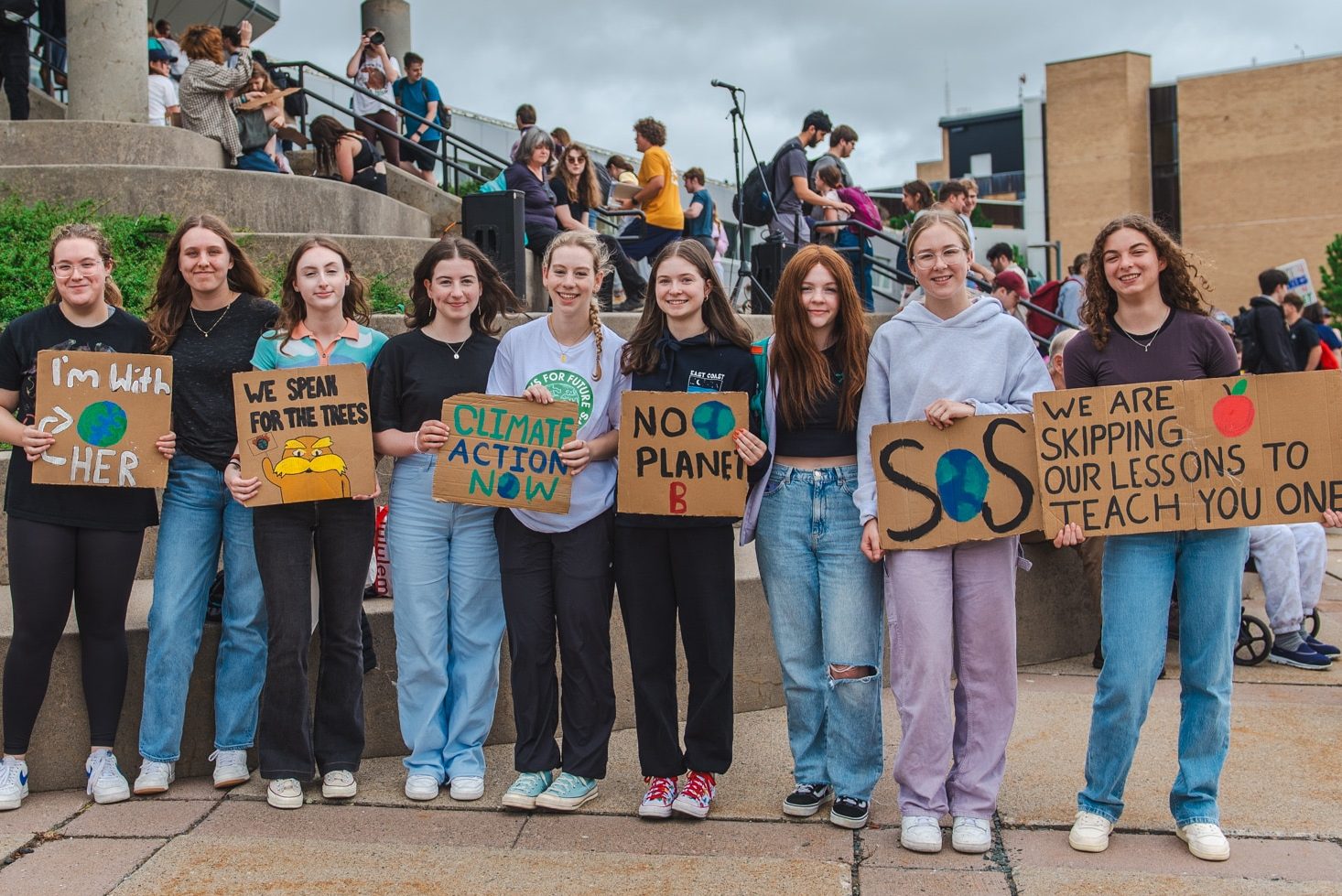
In the absence of strong political opposition to expanded fossil fuel extraction in this province, Carter says any progress on meaningful climate action will have to come from the grassroots. In March, a David Suzuki Foundation survey found that 65 per cent of Canadians say Canada should prioritize investments in renewable energy over fossil fuel development.
“We have this majority of people who want bolder climate action from governments, but it’s a silent majority,” Carter says. “People don’t speak out about it as often as they should, and this is particularly the case in Newfoundland and Labrador.”
The province’s oil industry has long been hailed as a solution to Newfoundland and Labrador’s economic problems, which is why Carter says it’s “all the more important that people who understand the issue [are] more vocal, and that they’re also letting the PCs know that we expect bold climate action.”

Author

Related Articles
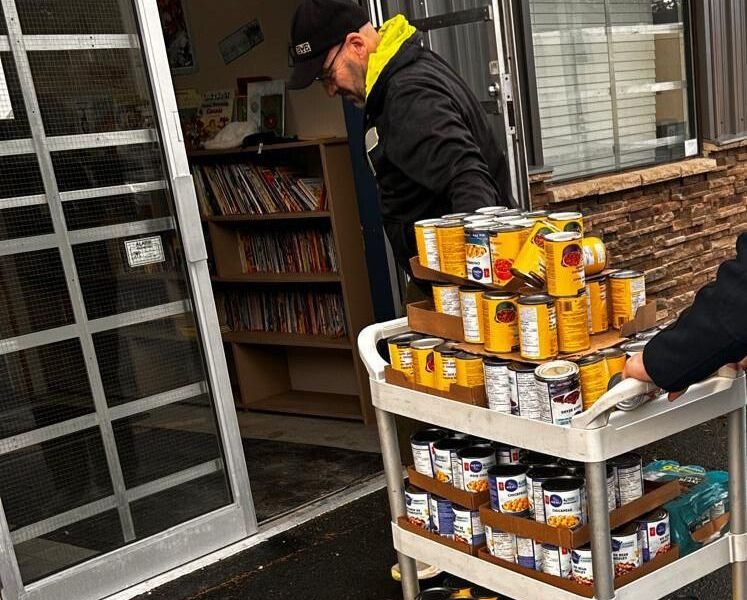
Muslim youth donate 600 pounds of food to Avalon food bank
As the province continues to see high rates of food insecurity, communities are coming together this holiday season to make sure households have food on the table
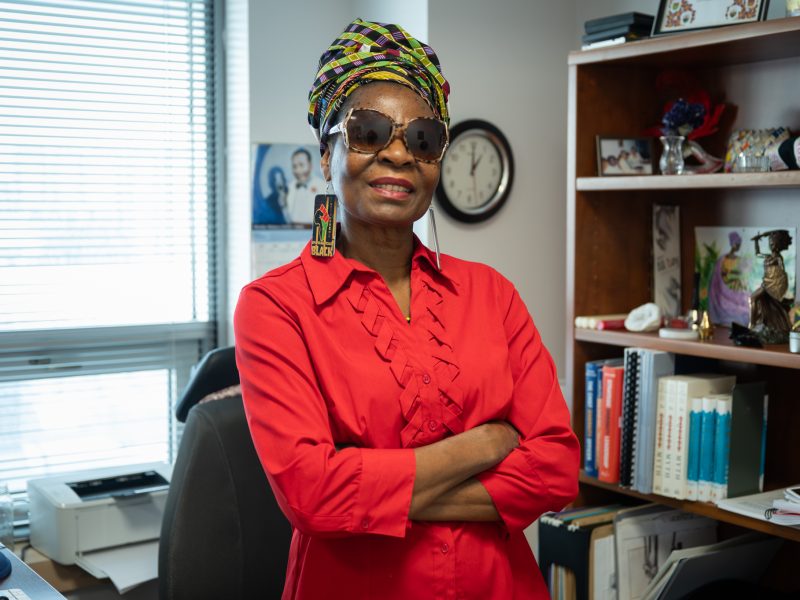
Head of Memorial University’s EDI office leaving role
In an interview with The Independent, Delores Mullings spoke candidly about challenges with the equity, diversity and anti-racism position
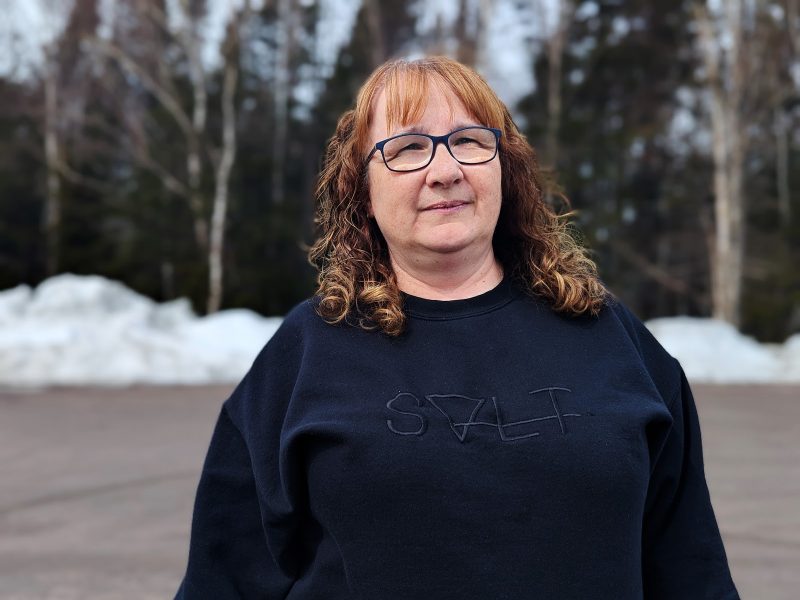
Labrador woman calls for nursing reform following husband’s death
Susanna Rumbolt says her husband Tim, who was battling cancer, should not have died following appointments with an oncology nurse in St. Anthony