
Innu open detox centre in Labrador
Gabriel Rich says detoxing with support is safer than going it alone, and can lead to a better life
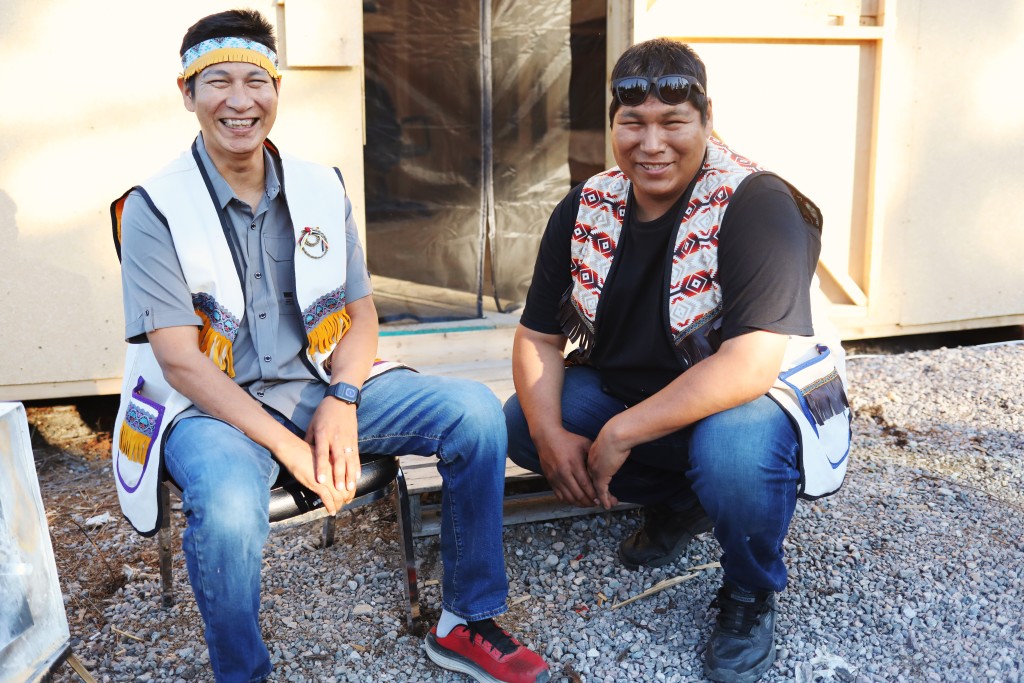
Surrounded by frame tents and new buildings on the land outside of Sheshatshiu, Gabriel Rich says he feels peace — one he would like to share with others.
“It’s the best feeling ever,” the 41-year-old from Sheshatshiu says of being at the new Kuishpitshu site. “And I think it’s going to go great. I think we need to do our part in this place, and our communities need to do their part, encouraging people to get help.”
Kuishpitshu is Innu-aimun for ‘a return to the land’ or ‘a return to one’s self.’ It’s the name of a new pre-treatment and aftercare program launched by the Mary May Healing Center to offer Innu a local, land-based option for detoxification with professional support. The Kuishpitshu Pre-treatment and Aftercare Program is officially welcoming clients as of July 18 to help Innu seeking support in detoxing from drugs in a culturally-appropriate environment.
The program will immerse Innu in their culture, traditions and language, explains Rich, who is the the project team lead for the program.
Will you stand with us?
Your support is essential to making journalism like this possible.
Growing up, he spent several months each year in nutshimit and understands the healing powers of the land. “When I was just a teenager, one elder said we need to go back before it’s really too late,” he recalls. “It’s very, very important to go back to our roots to combat addictions. I think sometimes we need to find that Innu person again, within the Innu.”
Women and men who enter the program will stay in separate tents and have different buildings for day sessions. Rich says the days will feature a mix of traditional skills, life skills, individual therapy sessions, and group therapy.
Detoxing alone carries significant risks: Rich
Innu have been calling for a detox centre in Labrador for a long time since detoxing without local, culturally-appropriate support has failed many trying to end addictions. Rich has been sober for seven years. He experienced the challenges firsthand. Detoxing alone and without proper support can lead to depression, relapses, and even suicide, he says. But with support, detoxification can change people’s lives. “You’ll never have to be alone again,” he says. “This is a place where you can ask for help.”
Rich is continuing to rebuild his life, and it’s the experience of having a loving wife who listens to and accepts him that led him to realize how vital love and acceptance are to the healing process.
George Pastitshi, Rich’s friend and cousin, is also involved in the program. He’s hopeful it will help fathers like him become more present in their children’s lives. Pastitshi says he’s in recovery and is trying to become the parent his daughter needs. “The land is the best therapy in the world,” he says. “To connect, and knowing that our ancestors used to walk through these trails, and still seeing these trails.”
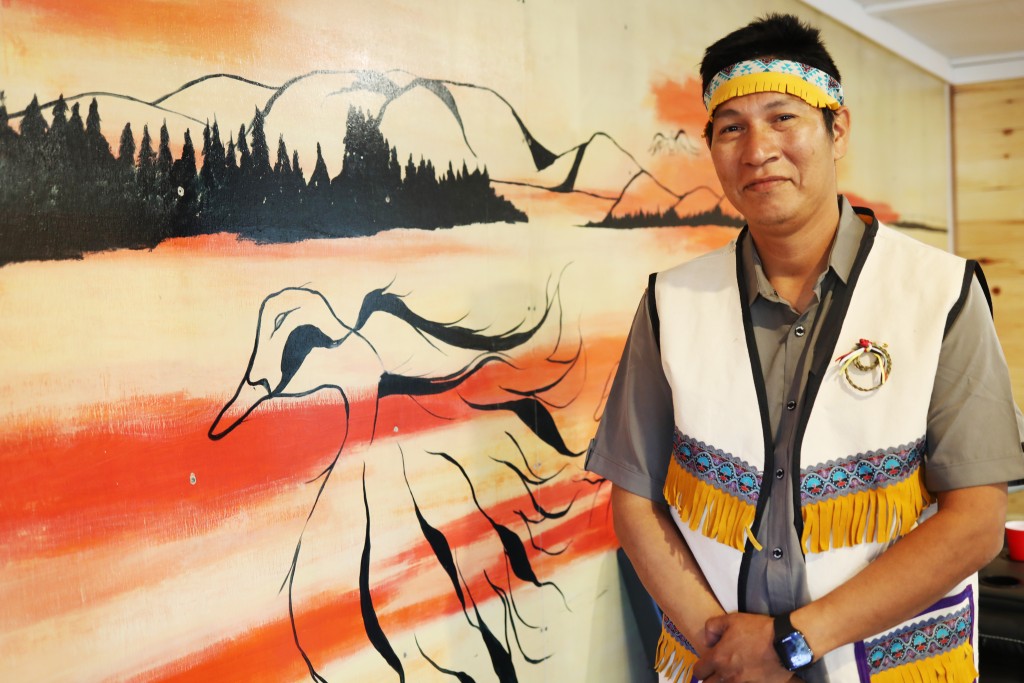
Program comes after Innu called for action
The program was launched just four months after Innu parents and grandparents in Sheshatshiu called for action on the drug crisis gripping their community. Sheshatshiu Innu First Nation (SIFN) erected blockades at entrances to the reserve, brought a curfew into effect, and escorted drug dealers out of the community. Adults and youth have been calling for further action by SIFN and the RCMP to end drug use and trafficking.
Rich estimates that in the past three years, more than two dozen Innu in Labrador have died drug-related deaths. In June, the RCMP told The Independent that the police force is not seeing a large number of overdoses and its information shows only a low number of incidents at this time.
Rich says the loss of friends and family members was a wake-up call for the entire community. “There’s a lot of grief, and people are still stuck on that grief,” he says. “And this is the place that we want to show you—that there are ways we can move forward from these things in a healthier way, instead of using alcohol and drugs drowning your pain.”
During a series of community meetings last winter and spring, Innu called for a land-based detox centre for when people are ready to begin treatment but need to wean off the substances that they are using and be supported while on the wait list for a treatment program. There are often long waitlists for admission to detox centres in Newfoundland or in other provinces, and no local options, Rich explains.
There are currently two treatment centres in the area, with the Charles J. Andrew Treatment Centre and Apanam’s Camp operated by the Mary May Healing Centre.
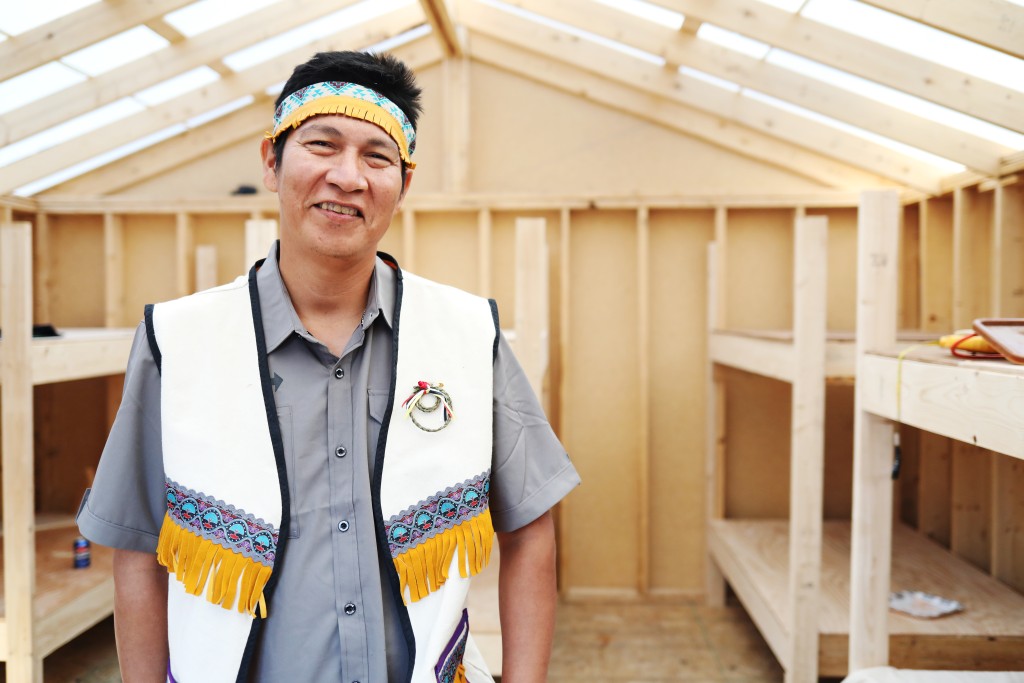
Following the calls for a detox centre, last winter Rich, his wife and other volunteers began clearing land on what they call the “3 Mile site” about five kilometres outside Sheshatshiu. The area was once used for sweat lodge ceremonies and traditional Innu practices.
It’s important to have the program established and waiting, as you can’t help a person overcome addiction until they are ready, Pastitshi says. “Even the most important person we love in the world, in our hearts—still that person won’t make us change because we’re not ready,” he says. “It starts with you.”
When a person is in the two-week-long pre-treatment program, they will have the option to apply to the Mary May Healing Centre’s 90-day Apanam Camp, or apply to another treatment program outside Labrador. After a person completes a treatment program, they can attend the after-care program for assistance transitioning back into their daily life, while also learning more traditional skills they can practice into the future.
Having pre-treatment, then after care, creates “one powerful cycle in our community, and we’re taking a lead on it. And this will be the first one in Labrador,” Rich says. Innu can apply to the program through the Mary May Healing Centre, and their time in the program can last up to four weeks, depending on individual needs.
“I want my kids to do better than me,” Rich says. “My dream is to have a healthy community across Labrador, wherever. I want that person to walk around with peace, and then they have a set of skills they have learned through here, and they’ll never forget.”

Author

Related Articles
Meaningful response to homelessness requires more than new builds, says NDP leader
Jim Dinn’s comments come in response to PC’s announcement of 10 new ‘micro homes’ in St. John’s

Muslim community commemorates 9th anniversary of Quebec City Mosque shooting
Anti-hate advocates say there’s still work to be done to combat Islamophobia in the province
PCs invite public input ahead of Budget 2026
The coming provincial budget will be the Progressive Conservatives’ first in more than a decade