
Patient leaves Labrador Health Centre to recover at home after false promise of hospital bed
Ann Marie Tobin was recovering from surgery at the Health Sciences Centre in St. John’s when she was told a bed awaited her in Labrador. When she arrived, the Happy Valley-Goose Bay resident says she was left on a stretcher in a hallway.

A Labrador woman says long-standing issues in the province’s healthcare system need to change before anyone else has an experience similar to the one she recently had.
Ann Marie Tobin went to the emergency room in Happy Valley-Goose Bay in April. The 62-year-old longtime community volunteer was experiencing dizziness and leg and stomach swelling, which was unusual for her.
Tobin was diagnosed with heart failure and told she needed a pacemaker. She was flown to St. John’s, where she had the procedure done on April 21 at the Health Sciences Centre. Then she had to recover in hospital due to other health issues which put her at risk. “In St John’s, they said that they wouldn’t let me go unless they had a bed here in Goose Bay for me,” Tobin recalls. “Because I wasn’t ready to go home yet.”
On April 29, Tobin says she was told by a nurse practitioner that there was a room ready for her at the Labrador Health Centre in Happy Valley-Goose Bay, and that it was time for her to return home to Labrador. She was transported by medevac two days later, on May 1.
Will you stand with us?
Your support is essential to making journalism like this possible.
“When I got here, it was a stretcher against the wall,” Tobin says, recalling her admission to the Labrador Health Centre. She was placed in “overflow” on the stretcher. No bed. No room. Not even a divider in the hallway to ensure privacy.



Photos submitted by Ann Marie Tobin show what she calls an “inhuman” situation, after she was left on a stretcher in a hallway of the Labrador Health Centre.
“I was stunned,” Tobin says. “And it’s very inhuman. It is. You don’t have any privacy whatsoever — none. And with my bad back, being on this stretcher is not good.” Tobin says it was difficult to rest and heal on a hard stretcher and she felt her physical and mental health were getting worse.
On May 2, Tobin says she was told by a hospital administrator it would be another two to three days before she would have a bed. Facing at least 48 hours of more discomfort on the stretcher, she decided to leave the hospital to go home and have a bed to lay in — even if it meant not having nurses or doctors monitoring her recovery.
Patients being placed on stretchers in hallways is not a new issue; Tobin says she knows she isn’t the only one who has been put in that situation. But, she says, she never should have been transferred from St. John’s if there wasn’t a guaranteed bed in Labrador.
Tobin says there are too many beds being used in the hospital for people who are waiting for long-term care. She also recognizes medical staff are often overworked and stressed while trying to care for bed patients and the overflow. While in the Goose Bay hospital, she says she estimated a patient-to-nurse ratio of 10:1.
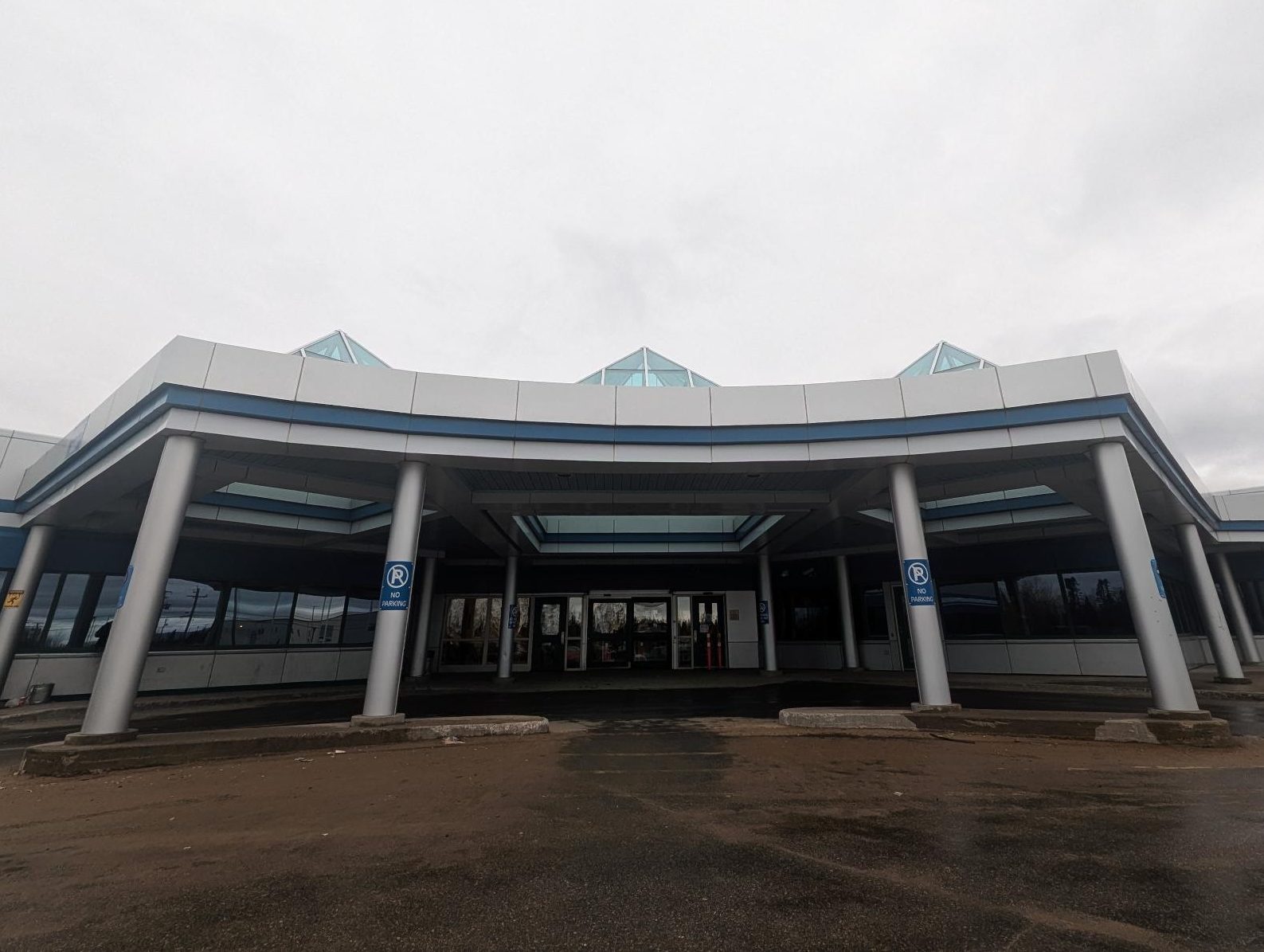
In a statement to The Independent, NL Health Services says it is “sorry to hear of situations like this,” and that it “strives to provide the best possible health-care experience for all patients, clients and residents.” The health authority says it’s unable to comment on individual cases due to privacy reasons.
The statement also says the Eastern-Urban Zone provides tertiary care and when people no longer need that level of care, they are transferred closer to home. The authority says hospitals may at times see an increase in the number of patients, creating capacity challenges. When that happens, “alternative bed spaces may sometimes be used to provide safe patient care” that is “aligned with overcapacity and/or surge planning processes.” In other words, hospital beds are not guaranteed, even when patients are told one is available.
Tobin says something needs to change so others recovering from surgery aren’t flown back to Labrador only to lie on a stretcher in the hallway. She says people should only be transferred if there is a bed available — if not in a room, then at least in an area with privacy.
“They need more beds desperately, because I’m wondering how many, besides me, are going to go home early because of this.”

Author

Related Articles

The RCMP vs. the media: Bracken trial approaches its endgame
This court case could decide the future of press freedom — and police oversight — in Canada

Accounting watchdog to investigate Deloitte over fake citations in $1.6M healthcare report
Chartered Professional Accountants N.L. is leading the investigation after Deloitte admitted AI was involved

PC’s minimum wage increase ‘far from a living wage,’ says NDP leader
NDP Leader Jim Dinn is calling on the PCs to legislate wage increases