
Sheshatshiu youth walking to Gull Island to join Innu land defenders
Gull Island is the site of a proposed hydroelectric project that would be operated by Hydro-Quebec after a Memorandum of Understanding between N.L., Quebec and Innu Nation
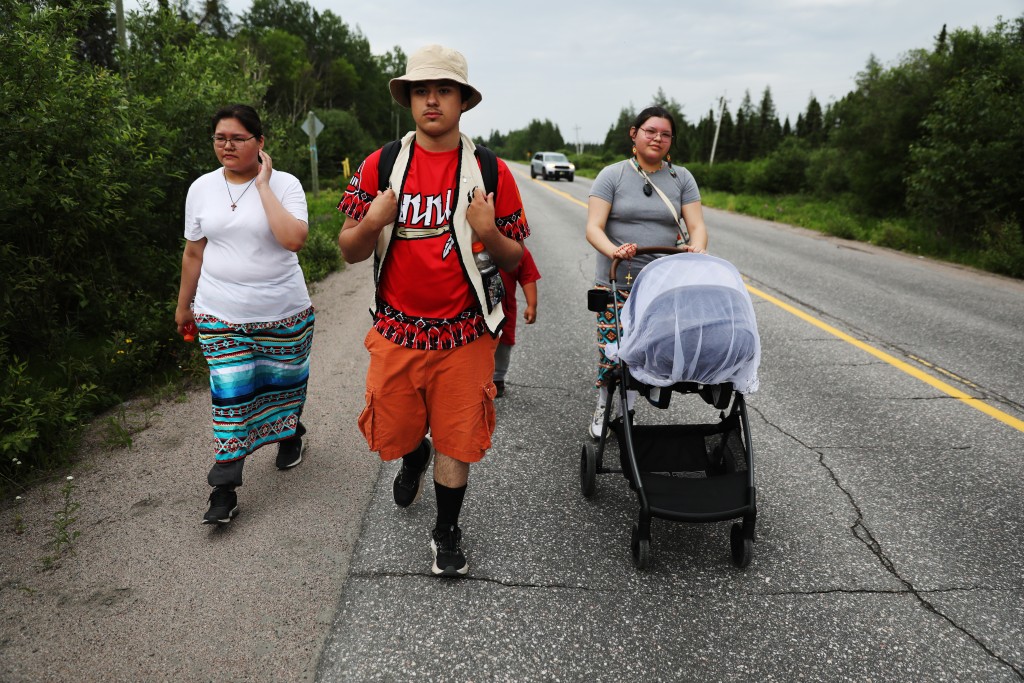
Two Innu youth have begun a 125-kilometre walk from Sheshatshiu Innu First Nation to Gull Island in Labrador. Angel Jourdain McKay and Percey Montague are walking to highlight historical Innu connections to the region and advocate for the rejection of a proposed agreement between Innu leadership and Hydro-Quebec.
The two began their walk from Sheshatshiu Monday and will be joined by supporters at different times throughout the walk.
“I believe that this is very important, as it draws roots to our culture. Someone I know personally was born in Gull Island,” Montague said Monday after starting the walk. “I believe that this walk is a way for me to connect to my ancestors, who would have been trekking into and out of Sheshatshiu.”
The pair was inspired to coordinate the walk after spending hours researching a proposed deal between Innu Nation and Hydro-Quebec.
Will you stand with us?
Your support is essential to making journalism like this possible.
On June 20, Innu Nation—which advocates for the rights of Innu in Sheshatshiu and Natuashish—and Hydro-Québec announced what they are calling a “Reconciliation and Collaboration Agreement”. In a media release, Innu Nation said the parties signed an agreement-in-principle to settle past grievances and ongoing litigation by Innu Nation surrounding the construction, operation and maintenance of the Churchill Falls Hydroelectric Complex — and to set out new principles for future developments.
“Innu negotiators were able to reach a fair agreement to address the damage this project has done to our culture, our way of life and our lands and we will be pleased to bring this to our members,” Innu Nation Grand Chief Simon Pokue said in the release.
Under the agreement, Hydro-Québec would contribute $87 million over 16 years to Innu Nation, and provide the Innu with three per cent of the dividends that Hydro-Québec receives from Churchill Falls Corporation into the future.
“The agreement in principle also sets out terms for Hydro-Québec’s collaboration with Innu Nation in the development of future facilities in the region, such as the Gull Island Power Generating Station,” the Innu Nation media release states.
The agreement will be presented to the Innu of Labrador for ratification this fall. But before the potential ratification, Hydro-Québec spent millions of dollars to start geotechnical and environmental studies at Gull Island, a culturally important site Innu use throughout the year, including each fall when members of Innu communities in Quebec and Labrador unite for a gathering. Hydro-Québec halted work at Gull Island last week after a group of land defenders blockaded a road into the site.
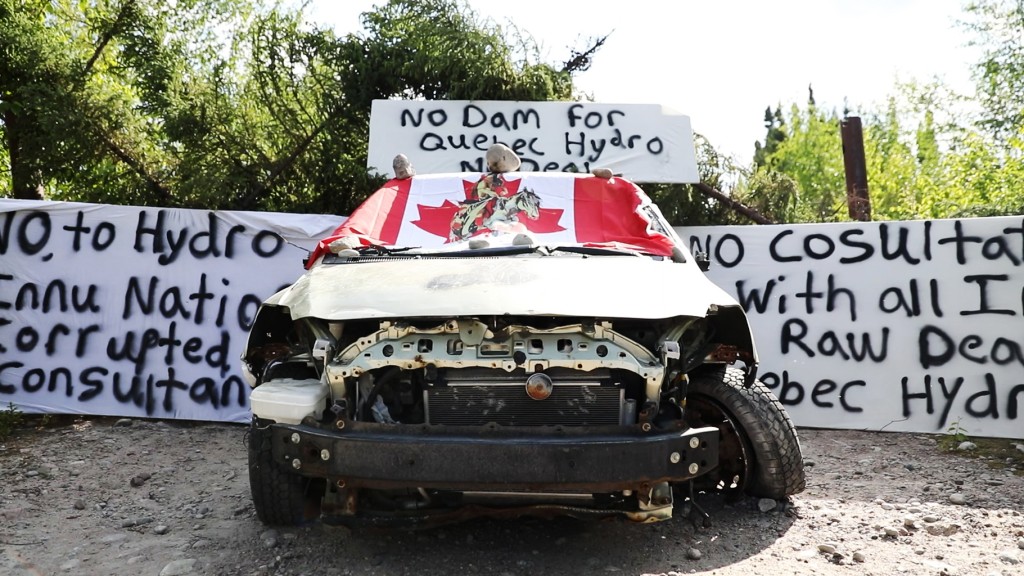
In a statement to The Independent, Hydro-Québec said it is closely monitoring this situation with openness and a full commitment to better understanding the concerns of the demonstrators and suspended the planned geotechnical work out of respect for the concerns raised. The power utility said it will continue dialogue with community representatives to understand their concerns and discuss next steps in a spirit of mutual respect. Innu Nation did not respond to an interview request from The Independent.
After the deal was publicly announced, Jourdain McKay and Montague began sharing their thoughts on the matter via social media and their community radio station; they encouraged others to do the same. Montague said money is not as important as Innu culture, traditions and lands.
“I personally believe that the deal is not beneficial to the Innu people; I believe that our land should be more important than making money right now,” Montague said. “I do believe that money could help both Innu communities, but I also believe that our culture is much more important. I’m worried that we’ll keep losing our values and trading them for money.”
Montague said the potential reservoir could destroy Innu hunting and gathering lands, and the history the land holds. As well, the deal only lasts for 16 years and will have long expired when Montague’s own children have grown up, he said. “A future where our governments don’t sell our land for money is certainly a better future,” he added.
Proposed deal a ‘slap in the face’ for Innu of Labrador
Montague and Jourdain McKay will join the land defenders already at Gull Island. They represent a growing number of Innu speaking out against the proposed agreement.
Jerome Jack of Sheshatshiu calls the proposed deal a “slap in the face for the Innu people of Labrador.” He attended the Innu Nation Annual General Meeting in Natuashish on July 1, and the parallel event in Sheshatshiu on July 3. At both meetings, leadership discussed the proposed agreement with rights holders. Jack said two months isn’t long enough to have consultations and study the proposed agreement.
“It’s a really, really low ball—the deal that [Hydro-Québec] is trying to present to the Innu people. And what is more concerning to me is they’re only giving Innu people two months to consider this deal, which is a very, very short amount of time.”
Jack says the deal is being pushed through because members of Innu Nation’s negotiating team are involved in businesses that wish to bid on the work that would happen at Gull Island — so the project would benefit some Innu far more than others. The Independent asked Innu Nation specifically about this allegation but did not receive a response.
Jack said the meeting in Sheshatshiu ended when Innu Nation leadership and negotiators “got up and walked out” prior to the traditional closing prayer at the end of government meetings. Jack said that disrespect is why he refuses to let them display the photograph of his late father Bart Jack at the Innu Nation office, and why he will be requesting to remove his grandparents’ photographs as well.

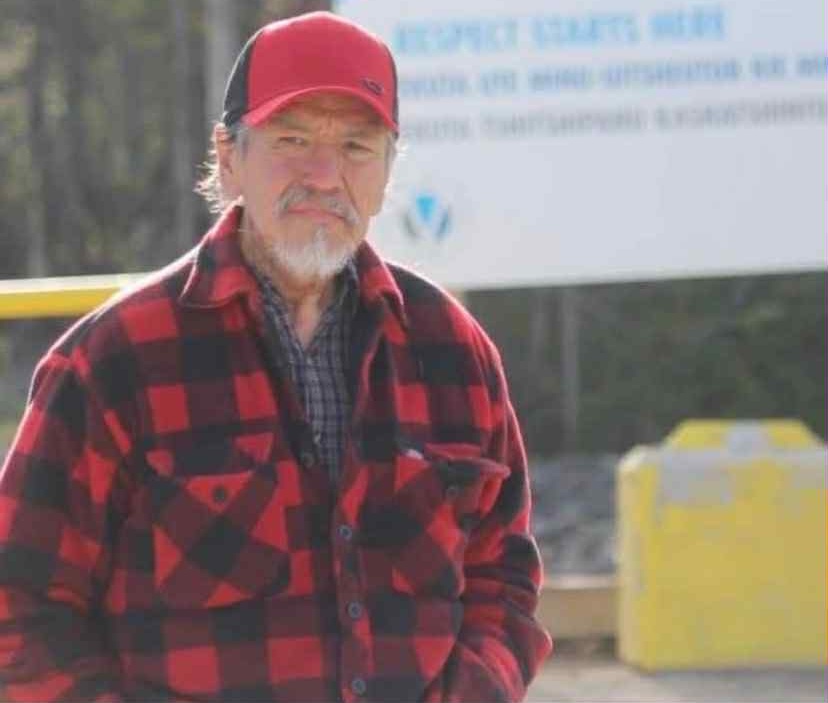
“The way these individuals are behaving is like they have no moral respect for the people they’re representing,” Jack said. “They want us to make them look like they’re knights in shiny armor, but they treat us like dirt. How can we have them represent us when they treat us like dirt?”
Jack is calling for an immediate election for Innu Nation leadership prior to Innu voting on the agreement. At the AGM in Sheshatshiu earlier this month, Jack said a motion to call an election was put on the floor three times, and each time was ignored by leadership. Innu Nation has not responded to the allegation.
“All these negotiators—elected members—are going to be collecting money, raking in the money for themselves, and don’t even care for the people that they represent,” Jack said. He hopes the Gull Island project waits a few more years so it can be done in the right way, and that Hydro-Quebec officials will visit Labrador to hold direct consultations with Innu community members.
Chenille Rich, a 22-year-old mother from Natuashish, also hopes a vote on the proposed deal will be pushed back to allow Innu time to consider the terms and fully discuss the future with Elders. “This deal, it happened all of a sudden. It was like a big smack in the face for every Innu, every Elder. They don’t even talk to the Elders either,” she said. “I don’t get why they just want a quick paycheck and just destroy the land.”
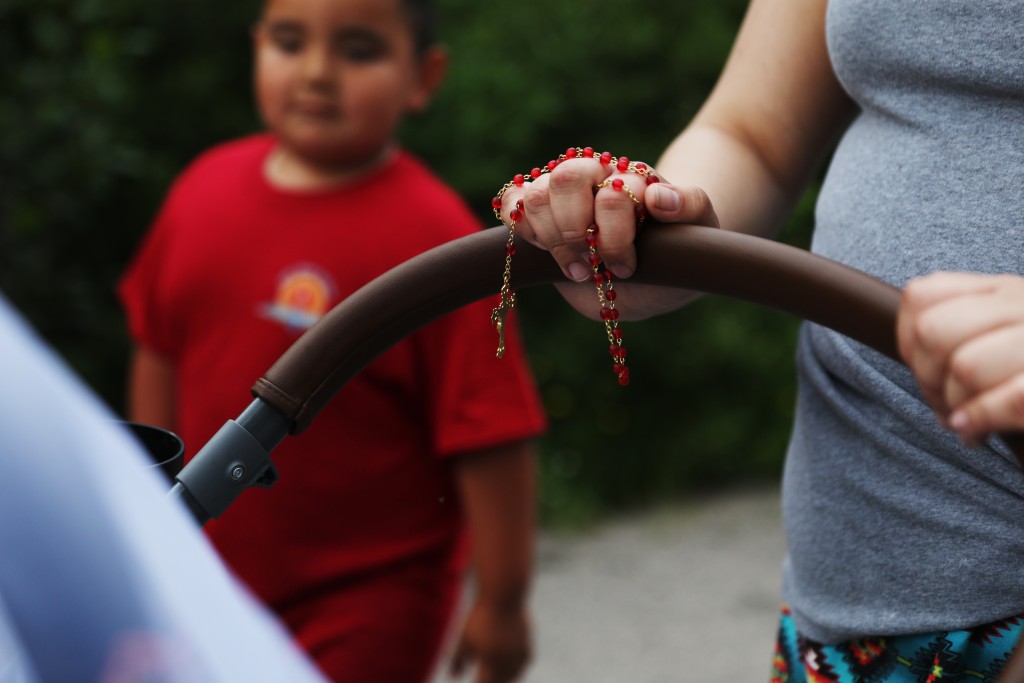
Ancestral burial sites were with the creation of the Upper Churchill Falls project in the 1960s, and Rich is worried a potential reservoir at Gull Island would flood more burial and other traditional sites. Rich grew up going out on the land with her grandmother and fears this would limit Innu children learning on the land in the future.
She wants to see open communication about the proposed development, the inclusion of more Innu community representatives—including youth—and for agreements to take the form of ongoing treaties instead of strictly financial agreements.
Rich said Innu Nation leaders were elected to do better for both communities, but “this is not better.” She said it’s more important to think about the land than the money. “It makes you feel mad for the Elders, for the future children,” she said.
Innu Nation did not grant The Independent an interview on Montague, Jourdain McKay, Jack and Rich’s concerns. Montague said it has been disappointing to see Innu Nation not respond to media requests, and that he and Jourdain McKay’s group of youth have also been trying to get a response from Innu Nation leadership without success.
“I believe that they should be more mature about the situation and actually try to respond to us,” Montague said. “It’s very telling of the type of leadership that we have. It’s really disappointing as a young person to have to experience this. It feels like we’re being ignored. It feels like we don’t matter.”

Author

Related Articles

May Day Rally Shows New Face of Today’s Labour Movement
Turnout for May 1 march and rally in St. John’s one of the biggest yet in this province
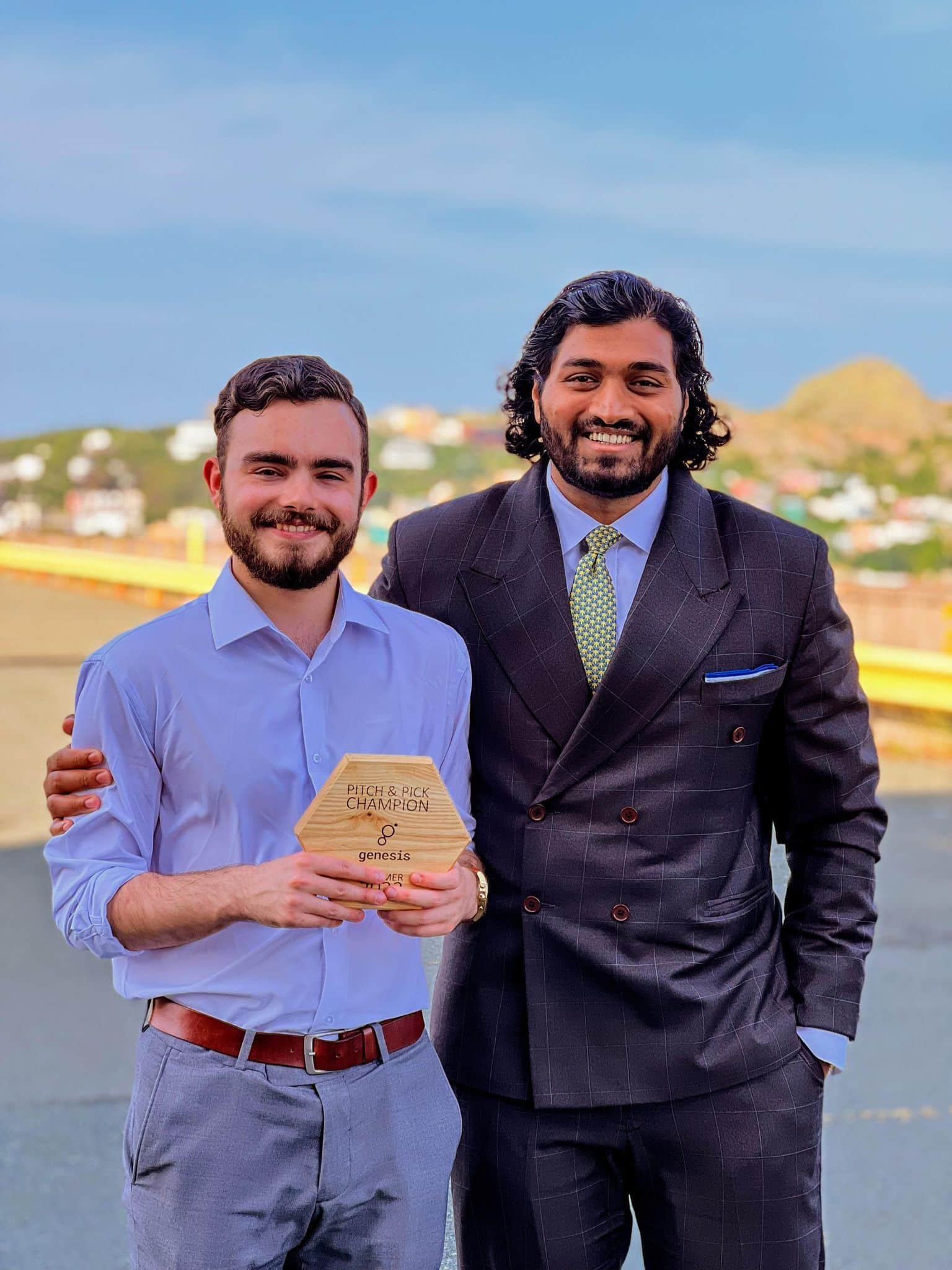
Recimply the Best: Pitch and Pick Competition Winner Aims to Reduce Paper Waste
Recimply won big at Genesis’ annual Pitch and Pick competition last week. The startup is solving the problem of non-recyclable paper receipts.

Coming Home Queer for the Very First Time
For three days in July, queer Newfoundlanders and Labradorians from all over the world celebrated a rural homecoming 30 years in the making.
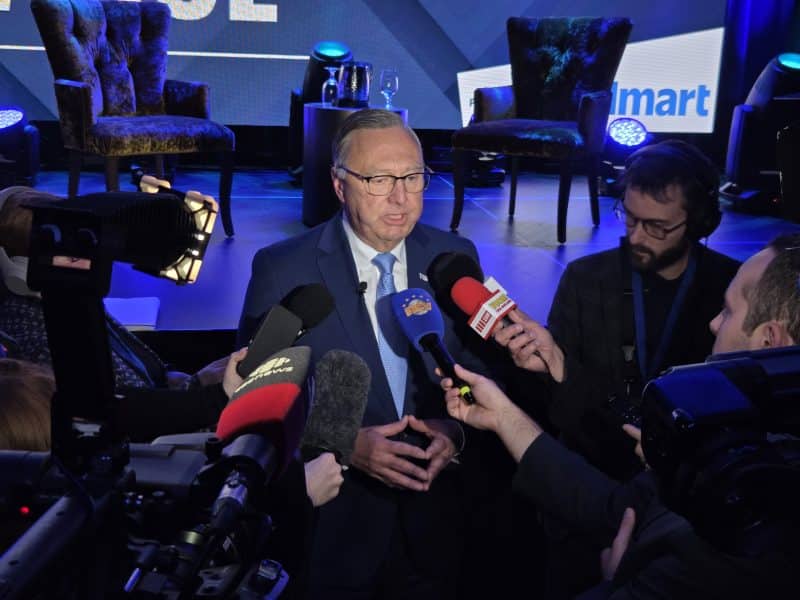
N.L. faces ‘serious liability questions’ over Ithaca Energy’s entry into province’s oil sector, legal expert warns
Premier Tony Wakeham won’t comment on Ithaca’s ‘political things’ but law professor says Newfoundland and Labrador could face legal risks based on company’s ties to Israel’s illegal occupation of Palestine

N.L.’s offshore oil could help bankroll a company linked to Israel’s illegal occupation of Palestine
Ithaca Energy’s impending takeover of Suncor’s stakes in three oil projects comes after PM’s promise to ban trade with Israel’s illegal settlements, while Ithaca’s majority owner is named on a UN blacklist for its alleged activities supporting settlements in the occupied Palestinian territories
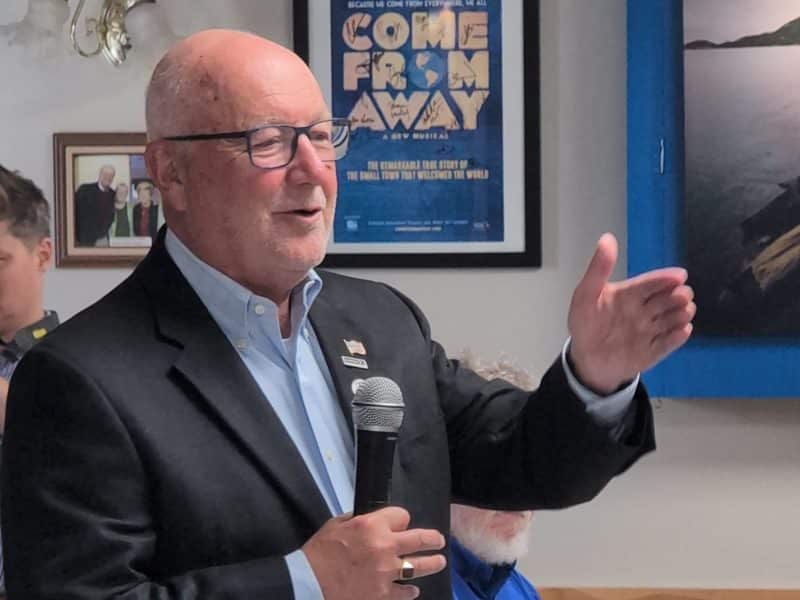
Gander didn’t protest U.S. ambassador during 9/11 visit, but still sent a clear message to Trump
There were no boos when Pete Hoekstra appeared at the 25th anniversary commemoration. Instead, Newfoundlanders kept their focus on the nearly 3,000 lives lost — and reminded America that Canada will not bow to anyone