
Meet Frey Blake-Pijogge, The Indy’s new Journalists for Human Rights BIPOC Youth Fellow
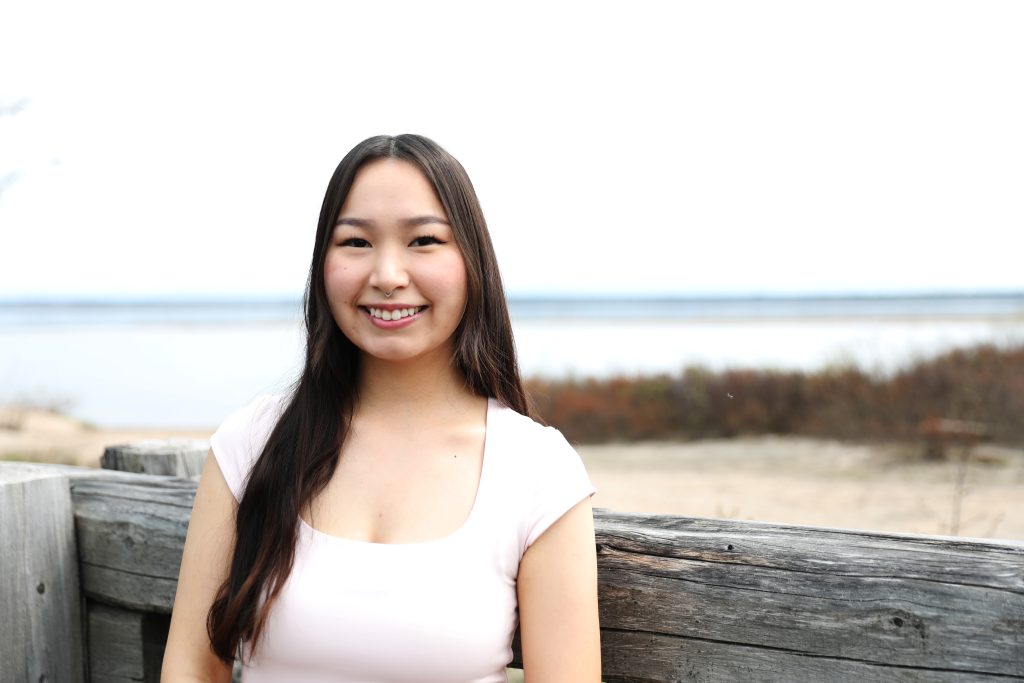
When Journalists for Human Rights reached out to The Independent to see if we would be interested in hosting a 2025 BIPOC Youth Fellow, it didn’t take any convincing. For more than two decades, JHR has operated journalism training programs around the world, including in countries experiencing war and in desperate need of eyewitness reporting. In recent years, the organization has grown to include training programs in First Nations, Inuit and Metis communities, particularly in the north.
While Indigenous folks are still widely underrepresented in Canada’s news media, some progress has been made. In 1999, the Aboriginal Peoples Television Network (APTN) became the first national (as in Canadian) Indigenous-led news broadcaster to cover Indigenous stories from coast to coast to coast. Today, there are many others which are either run by, or employing, First Nations, Inuit and Metis journalists who publish stories of local and national interest. IndigiNews, The Eastern Door, Turtle Island News, and Nunatsiaq News and Ricochet Media come to mind.
In Newfoundland and Labrador, few journalists from Innu, Inuit or Mi’kmaw communities have been able to share stories from their own communities. So when we learned that Frey Blake-Pijogge was graduating from St. Thomas University in Fredericton, N.B. with a degree in journalism, and that they were keen to return home to Labrador to work as a journalist, it felt like a match made in heaven. Incidentally, Frey told me in one of our early conversations that they were introduced to The Independent’s work during the 2016 Indigenous-led resistance to Muskrat Falls.
We are honoured and excited to welcome Frey to The Indy’s team as part of Journalists for Human Rights’ 2025 BIPOC Youth Fellowship, through which they will work with us to learn the ins and outs of producing local independent journalism while reporting stories that matter to Newfoundlanders and Labradorians.
Will you stand with us?
Your support is essential to making journalism like this possible.
We recently sat down with Frey (virtually) to ask them some questions so our readers can get to know them a better.
Tell us a little bit about yourself, like where you’re from and what life was like growing up in Labrador.
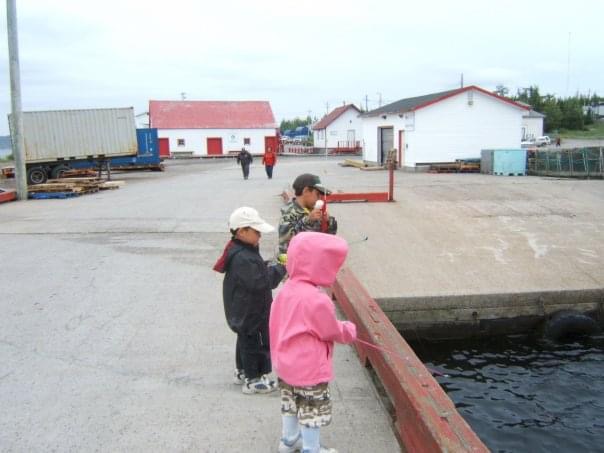
I was born in St. John’s—I was a Janeway baby—and grew up in Goose Bay. Then my family moved to Nain for a few years and then came back to Goose Bay.
I always found Labrador was very beautiful once I left the province; like I didn’t realize how the nature and the people were so connected until I left to go to university and came back. It’s definitely a different lens. And to be able to help tell stories for the people.
How do you think spending those few years in Nain impacted you or your perception of Inuit life?
I think because I have so much family in Nain, in Hopedale and Rigolet, that I didn’t really see much of a difference, besides getting to go down to my aunt’s and things like that. So it really wasn’t much of a difference as a child. But like, looking back now, there was a huge difference, just being connected to my family and being Inuk [in Nunatsiavut].
What did you do growing up? How did you occupy your time? What were your interests?
Just playing with my brothers. I have two, and one is my twin brother.
Tell us a little bit about why you decided to become a journalist.
I think being able to help people tell their stories and get it out to the public and seeing the change it can make is really important. Doing investigative journalism would be to help people with their issues—especially in Labrador—being made public, as you don’t see a lot of it in the news, which I think is a problem.
What kinds of stories interest you the most then? Are there certain issues or topics that you hope to cover?
I think environmental issues, especially climate change, as well as Indigenous rights and the arts in Labrador.
You told me previously that when you were younger your parents let you skip school to join the Muskrat Falls protests. What was that experience like, seeing Inuit and Innu and settlers all kind of come together to resist this impending destruction of the river and the land?
This was when I was 13. I was in Grade 8 and there was talk about a protest that was going to be happening. And I think there was a talk for about like a month or so, and my mom had to explain to me what was going on and how it was important to show up. My parents let me and my brothers take a week or two off of school to go protest with my dad and the rest of my family.
How did your mom explain that to you — why it was important to show up?
It was simply that they were trying to poison our waters, and we eat the fish that come out of those waters and it would affect people all the way up to Rigolet, which isn’t good.
Does your family rely on traditional food a lot?
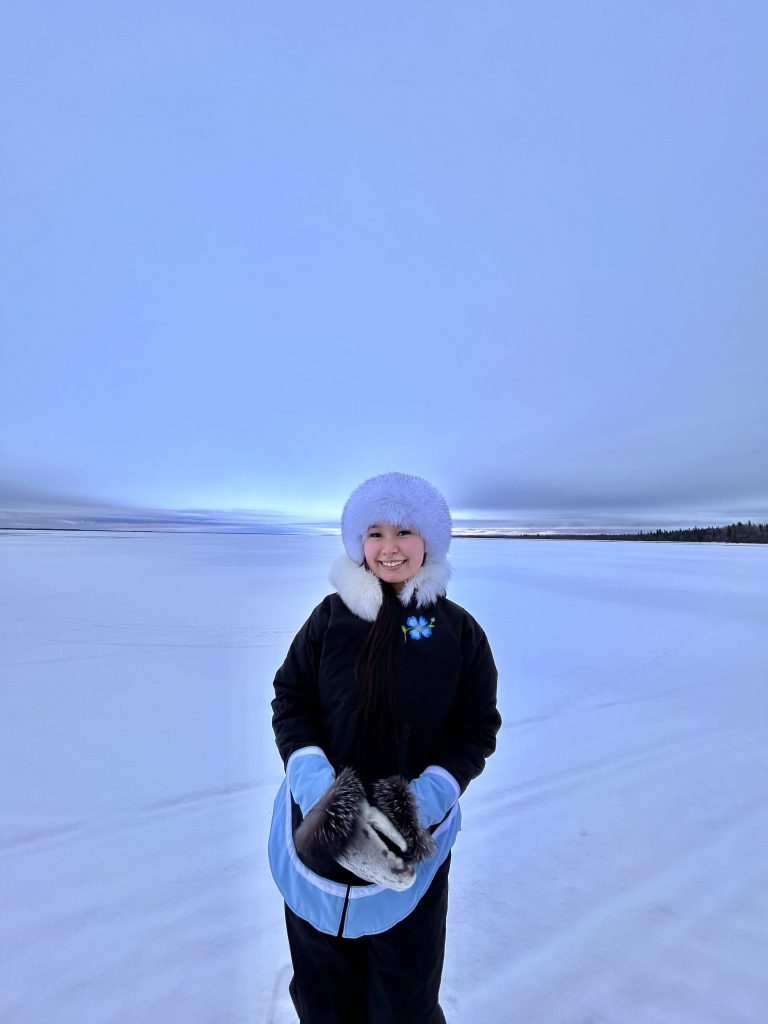
Yeah. I was fishing with my brother like two days ago.
What kind of fish were you going for?
Trout.
What about caribou, seals, and birds? What other kinds of country foods does your family harvest?
Oh yeah. All of that, really. The problem with Muskrat Falls is that it would affect basically the entire ecosystem that eats from the river and every animal that eats the stuff that eats out of the river. It would affect everything that we either hunt or fish.
Do you hear many people in the community talking about future plans for the Churchill River, like Gull Island or the Upper Churchill?
I definitely hear a lot from like, family, friends about Gull Island opening up, and how that would create more jobs, but then at the expense of the Innu.
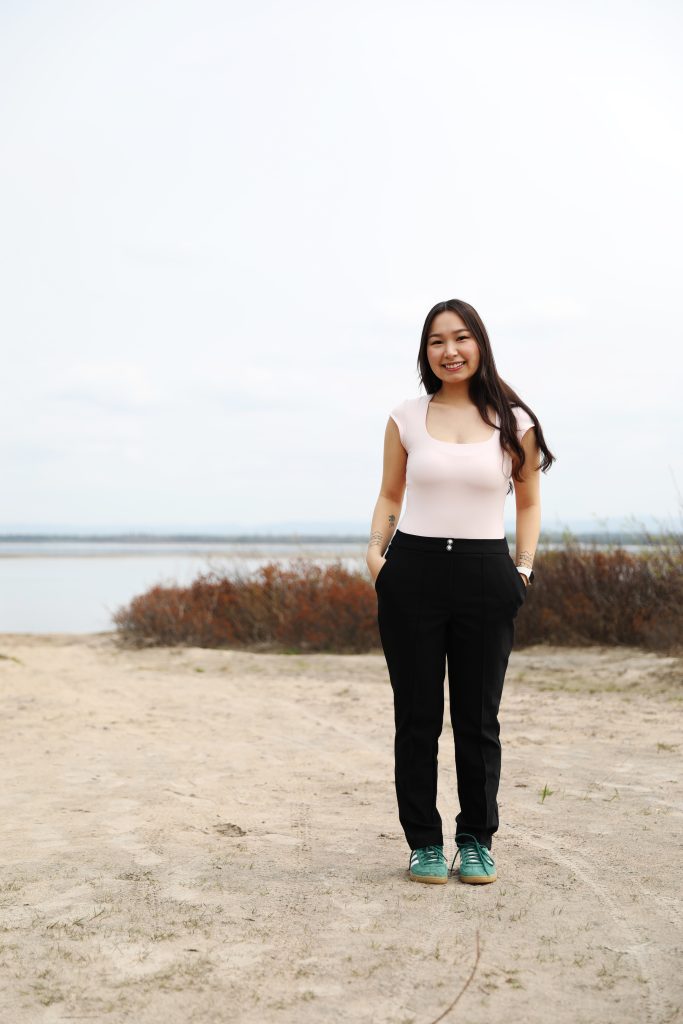
Outside of our interview, Frey said they would like to hear from folks in Labrador if they have story ideas. You can reach them at frey.blake-pijogge@theindependent.ca.

Author

Related Articles

Meaningful response to homelessness requires more than new builds, says NDP leader
Jim Dinn’s comments come in response to PC’s announcement of 10 new ‘micro homes’ in St. John’s
Muslim community commemorates 9th anniversary of Quebec City Mosque shooting
Anti-hate advocates say there’s still work to be done to combat Islamophobia in the province
PCs invite public input ahead of Budget 2026
The coming provincial budget will be the Progressive Conservatives’ first in more than a decade