
MHAs unanimously support private members’ resolution to create a Disability Advocate’s Office
Organizations representing people with disabilities are happy with the outcome, and they’re re-emphasizing the importance of moving forward under the principle, ‘nothing about us without us’
After more than a decade of advocacy from people with disabilities, progress is finally being made toward the provincial government’s establishment of an independent advocate for people with disabilities.
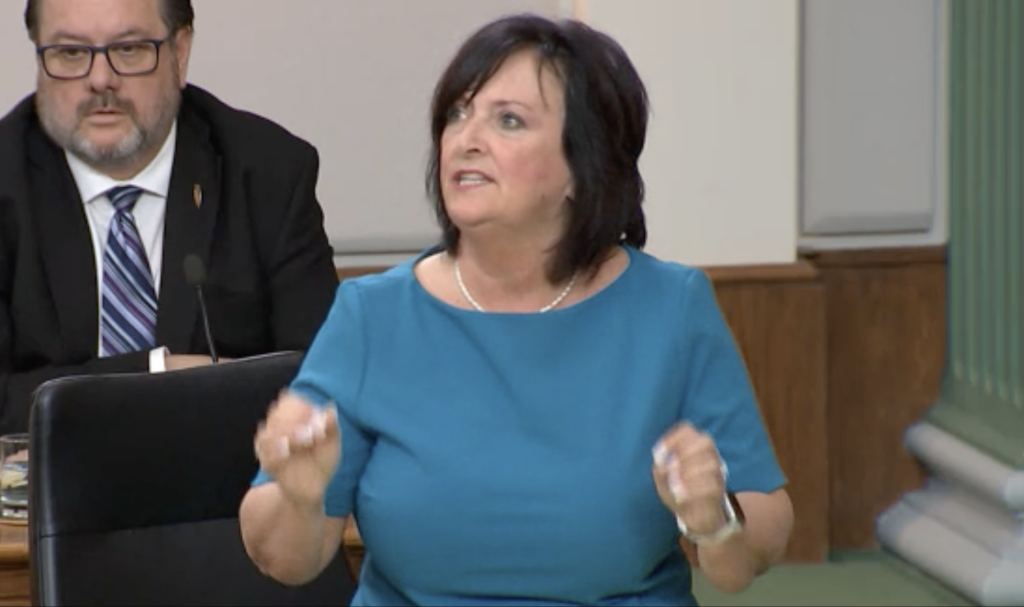
On May 21, the House of Assembly unanimously passed a private member’s resolution from Harbour Main MHA Helen Conway Ottenheimer to create a disability advocate office. Ottenheimer is the PC opposition shadow minister for persons with disabilities.
Her motion calls on the provincial government to immediately establish a dedicated Advocate for Persons with Disabilities as a standalone statutory Officer of the House, empowered to investigate issues and make recommendations guided by the principle of “nothing about us without us”. A slogan used by the disability community. The motion states that a dedicated statutory office would play a crucial role in safeguarding rights to services, including healthcare, employment, transportation, housing, and education.
While the vote doesn’t legally bind the government to create the position, it affirms that the advocate’s office is non-controversial and has support across party lines, placing further pressure on the Liberals, who have been promising the office for several years.
Will you stand with us?
Your support is essential to making journalism like this possible.
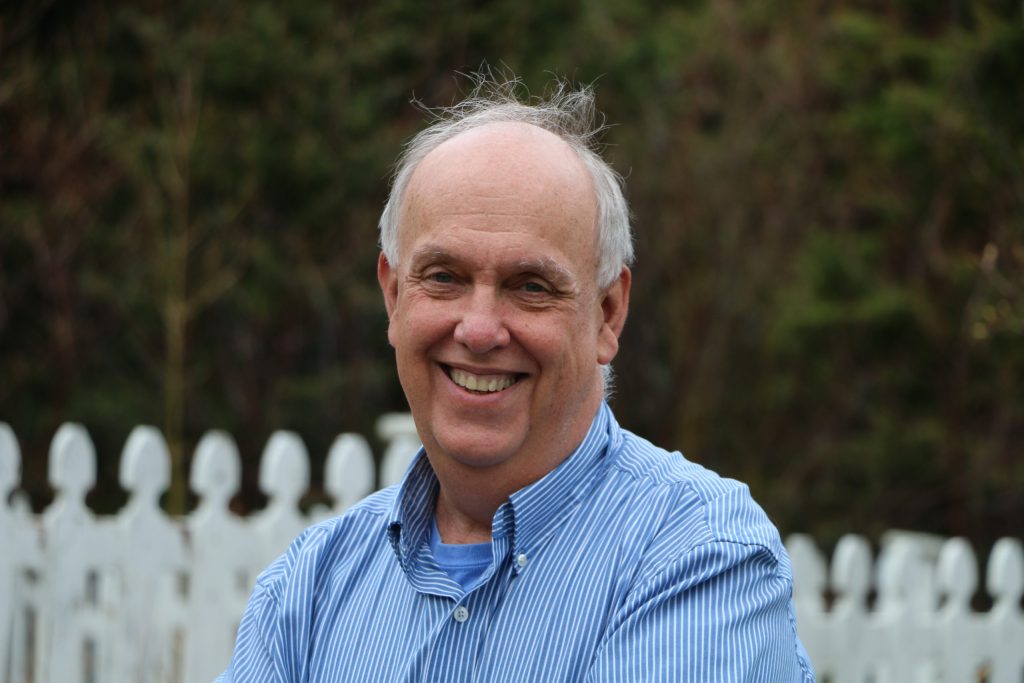
Paul Walsh, CEO of the Autism Society of Newfoundland and Labrador, says he’s “pleased” with the new development, noting little progress had been made in recent years and that the vote was a result of lobbying and advocacy efforts by disability advocates and organizations.
Nancy Reid, executive director of the Coalition of Persons with Disabilities Newfoundland and Labrador (CODNL), attended the House sitting on Wednesday. She’s “thankful” the motion passed and “appreciative” of the MHAs who spoke about their experiences with disability, either personally or as caregivers. Reid says CODNL will continue to hold the government accountable until the office is actually created. “We have a history of being consulted and then ignored,” she says.
The House heard personal statements from several ministers who shared their experiences of living with a disability or caring for a loved one with a disability. They included PC MHA Lloyd Parrott, who lost a leg in a military injury in 2007; Minister for Women and Gender Equality Sherry Gambin-Walsh, whose son was diagnosed with autism in 1999; and PC MHA Jim McKenna, whose daughter was diagnosed with a rare genetic muscle disease.
Parrott urged members to not only cast their votes but to ensure it doesn’t become “a silent vote and let it go away.” He added that the government has already had four years to act, referencing former Premier Andrew Furey’s 2020 mandate letter to then-Minister Responsible for the Status of Persons with Disabilities Brian Warr, instructing Warr to “work toward the establishment of an Advocate for Persons with Disabilities in our province.”
‘Nothing about us without us’
As both a member of the Autism Society and someone living with a disability, Walsh says the push for a disability advocate office is deeply personal. He says the promise to create the role is “great,” but also emphasizes the need for swift action. “I want to see a proper disability advocate with full investigative powers put in place as soon as possible,” he says. Walsh says the government must ensure that individuals with lived experience are involved in the design, writing, and implementation of the legislation.
For her part, Reid also stresses the importance of having people with disabilities involved in the process, noting her organization was not consulted for the 2023 Report of the Structural Review of the Statutory Offices of the House of Assembly, which recommended the existing Seniors’ Advocate’s mandate expand to include “persons with complex needs” — an idea that both the coalition and Senior’s Advocate Susan Walsh have rejected.
The Disability Advocate
Jamie Korab, the recently-appointed Minister Responsible for the Status of Persons with Disabilities, said in the House Wednesday that while he hasn’t yet received his official mandate letter from the premier, he’s been told verbally that establishing a disability advocate will be part of his responsibilities.
Korab said he has been speaking with members of the disability community, including CODNL, to better understand what the Disability Advocate’s role should involve. He said he also wants to hear from other organizations. Adding that he is “well on the way” to making the advocate’s office a reality.
Reid says organizations representing people with disabilities haven’t yet met to discuss their reactions to Wednesday’s vote, but that in earlier conversations, community members have said they want an independent advocate who has the authority to investigate the realities and experiences of people with disabilities, including individual cases of discrimination and complaints. She says it should be led by someone who has lived experience with disability and a strong background in working with disability organizations and the disability community at large. “It’s very important that the disability advocate has that lens and be able to communicate in that way,” she says. “And at the same time, liaise with a government agency and be able to have discussions at that level.”
Reid says she appreciated how MHAs shared their experiences in the legislature. “It’s great to finally see members of the House of Assembly embracing that and identifying for themselves in that space, identities and association with the community of disabilities that they may not have done previously.”
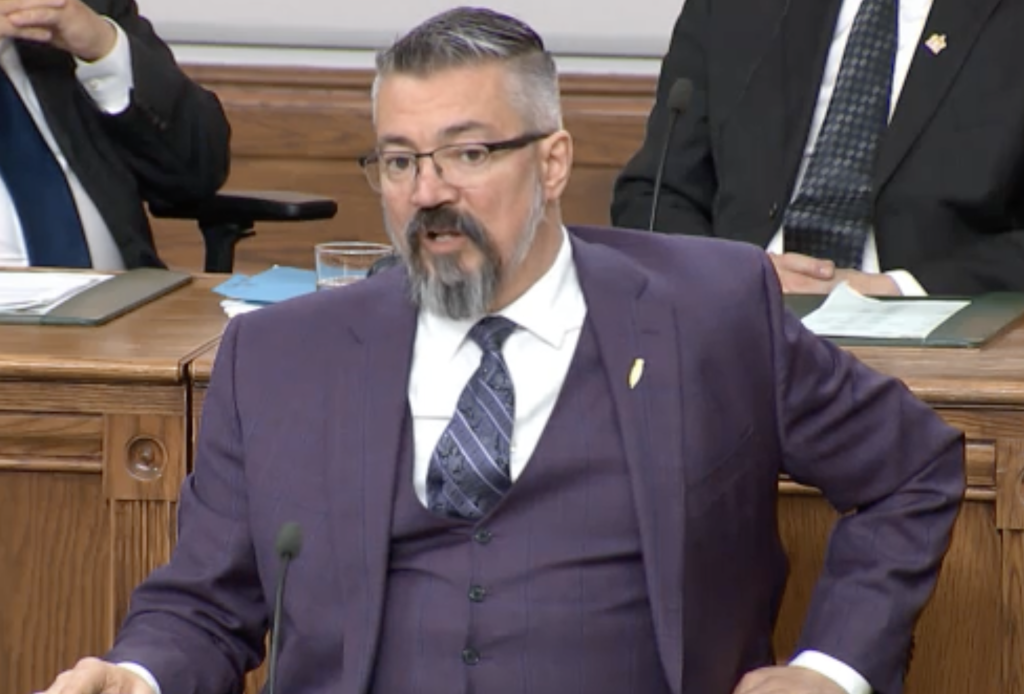
Parrott, the MHA for Terra Nova, shared that he was recently asked if he identifies as a person with a disability — and that he said no. Now, he says, he’s embarrassed by his response. “I am an individual who has a disability, and I’m proud to be a member of that community,” he said Wednesday.
There was also recognition by the House Speaker Dererk Bennett that more needs to be done to accommodate people with disabilities, even within the House of Assembly itself. Bennett acknowledged the challenges. “As we all see, our chamber is a challenge too.” Bennett said that he is working with staff, the Ministry of Transportation and Infrastructure, and the disability policy office to continue to make the legislature more accessible.
With a wavering voice, Ottenheimer used her closing remarks to stress the urgency of moving forward with the creation of the Advocate’s office. “We cannot continue around with this,” she said. “We cannot say and use the same language that we’re working on it, and we’re going to meet again.”
With the House of Assembly adjourned for the summer, any legislation would not be brought before the legislature until it reopens, likely after the provincial election. In the meantime, Korab told the House he is meeting with the community of persons with disabilities to understand what stakeholders envision the advocate’s role to look like. He and the department would then begin drafting the legislation, he said. “This is important legislation, and we will take the necessary time to ensure that we get this right.”

Author

Related Articles
New play portrays barriers facing N.L. women in politics
Women won the right to vote a century ago but are still underrepresented in public office. St. John’s playwright Ruth Lawrence’s play tackles that head on.
Meaningful response to homelessness requires more than new builds, says NDP leader
Jim Dinn’s comments come in response to PC’s announcement of 10 new ‘micro homes’ in St. John’s

Muslim community commemorates 9th anniversary of Quebec City Mosque shooting
Anti-hate advocates say there’s still work to be done to combat Islamophobia in the province