
Province announces increased income support
NDP and PCs say new changes to the Liberals’ poverty reduction strategy ignore the root causes driving poverty in the province
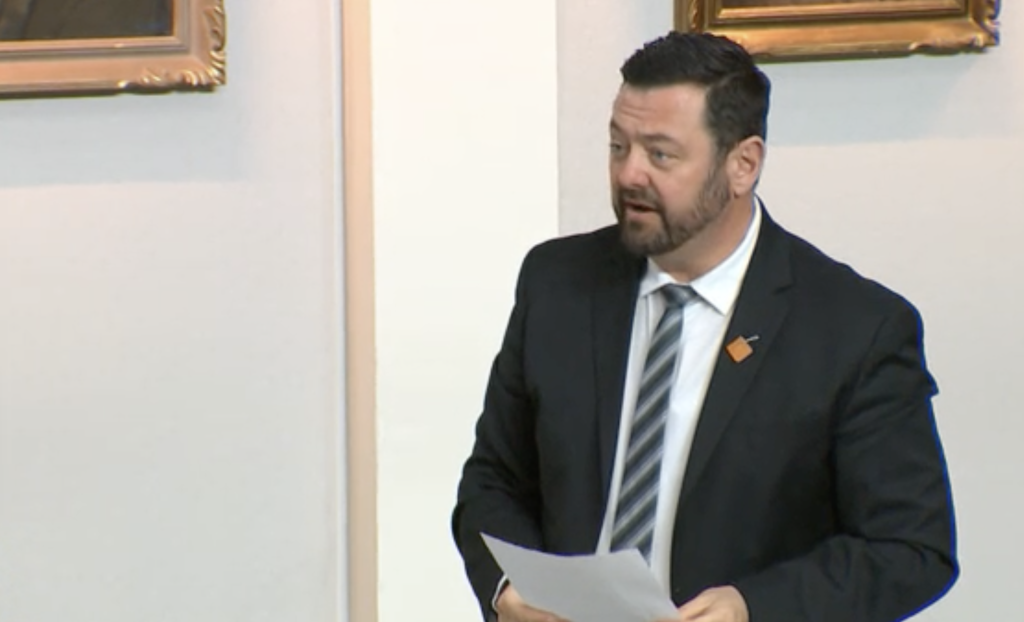
The Government of Newfoundland and Labrador has announced the second phase of its three-year poverty reduction plan, which includes increased income support.
Changes to the income support plan include a standardized monthly benefit of $561 for each eligible adult in a household. Previously, couples received a reduced combined amount of $794 for those without children and $779 for those with children.
Housing support has also increased. Single-adult households will receive up to $522 per month, while two eligible adults living together will receive $299 each or $598 combined.
One-hundred dollars will be paid out every August to help households with school-related expenses. Vision care benefits will cover up to $100 for a basic eye exam and up to $350 for eyeglasses—$290 for single vision and $350 for bifocals.
Will you stand with us?
Your support is essential to making journalism like this possible.
Beginning in July, eligible persons with disabilities in Newfoundland and Labrador will be able to keep their full Income Support payments while also receiving $600 per month in disability benefits. This includes $400 from the provincial Newfoundland and Labrador Disability Benefit and $200 from the federal Canada Disability Benefit.
Increased income support does not tackle root causes
NDP leader Jim Dinn says the changes are “underwhelming” and do not tackle the root of poverty in the province. “They’re just chipping away, as opposed to making meaningful changes that would address the social determinants of health that are called for in the Health Accord,” he told The Independent Tuesday.
Dinn says $100 every August for school support “seems like a lot, but it doesn’t take long to go through,” given the rising cost of supplies, clothing and other goods. He has been calling on the province to remove the provincial portion of HST on children’s items.
Progressive Conservative leader Tony Wakeham says the changes fall “far short of what’s really needed in our province. Letting people keep more of their benefits is important, but it won’t solve the growing crisis of affordability.”
Wakeham calls the government announcement “unacceptable,” saying the “lack of a fulsome poverty reduction and prevention plan by the Liberals is leaving people behind.” Newfoundlanders and Labradorians will face a provincial election in the coming months. Under a PC government, Wakeham says under his leadership the PCs would “launch a responsive Poverty Reduction and Prevention Strategy with the goal of making Newfoundland and Labrador’s poverty rate the lowest in the country.” He says it would be a “10-year plan with measurable targets, led through a cross-government approach and built in consultation with stakeholders and experts.”
Almost a third of residents experienced food insecurity in 2024
According to Statistics Canada, more than 30 per cent of people in Newfoundland and Labrador lived in food-insecure households in 2024. The province faces the third-highest food insecurity among the 10 provinces, behind Alberta and Saskatchewan. In 2021, 8 per cent of people in the province were living in poverty.
In November 2023, the provincial government released a poverty reduction plan aimed at reducing poverty, improving the quality of life, and enhancing long-term financial security for residents. The three-year phased plan is part of the province’s Health Accord goal to make Newfoundland and Labrador one of Canada’s healthiest provinces by 2031.

Author

Related Articles
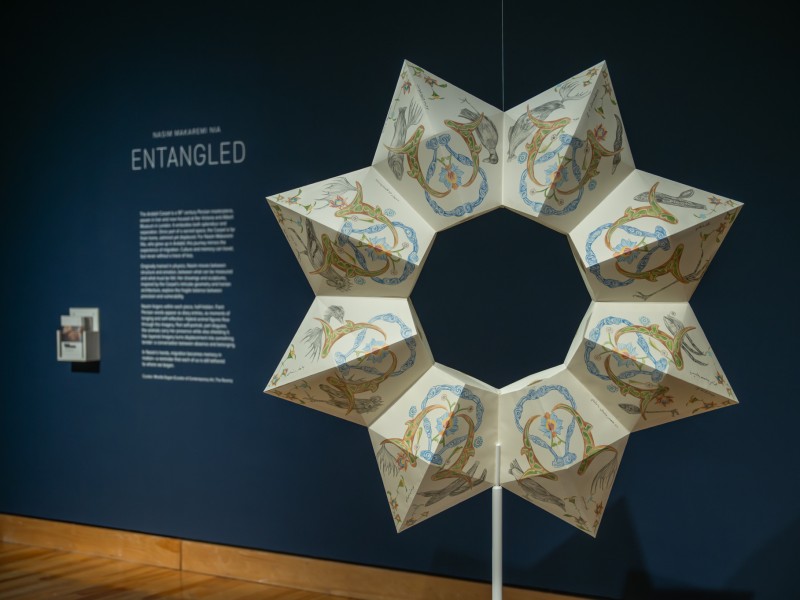
Entangled: Fragile and complex truths reflected in art
Nasim Makaremi Nia’s new exhibit tells a story of migration, transition, and identity in fantastic animal hybrids and beautifully fragile paper sculpture
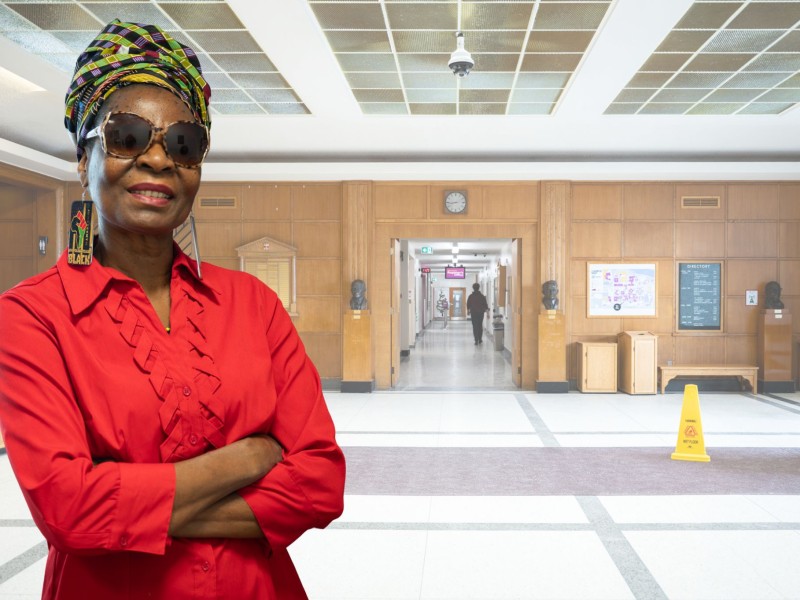
‘Institutional failure’: MUNL student, faculty unions respond to Delores Mullings’ departure
‘We must be willing to hear hard truths expressed in voices that may not sound like our own,’ says faculty union leader
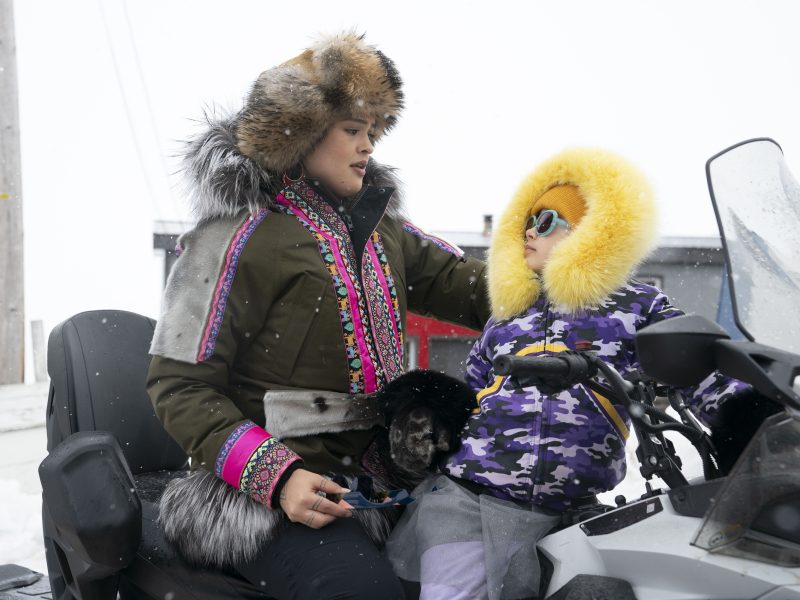
Hit comedy series North of North makes Nunatsiavummiut ‘feel seen’
‘I was completely obsessed with it from the very beginning,’ says Makkovik artist