
Why Andrea Barbour is a danger to democracy
The environment minister’s behaviour is reckless, dangerous, and mimics Trump’s totalitarian tendencies
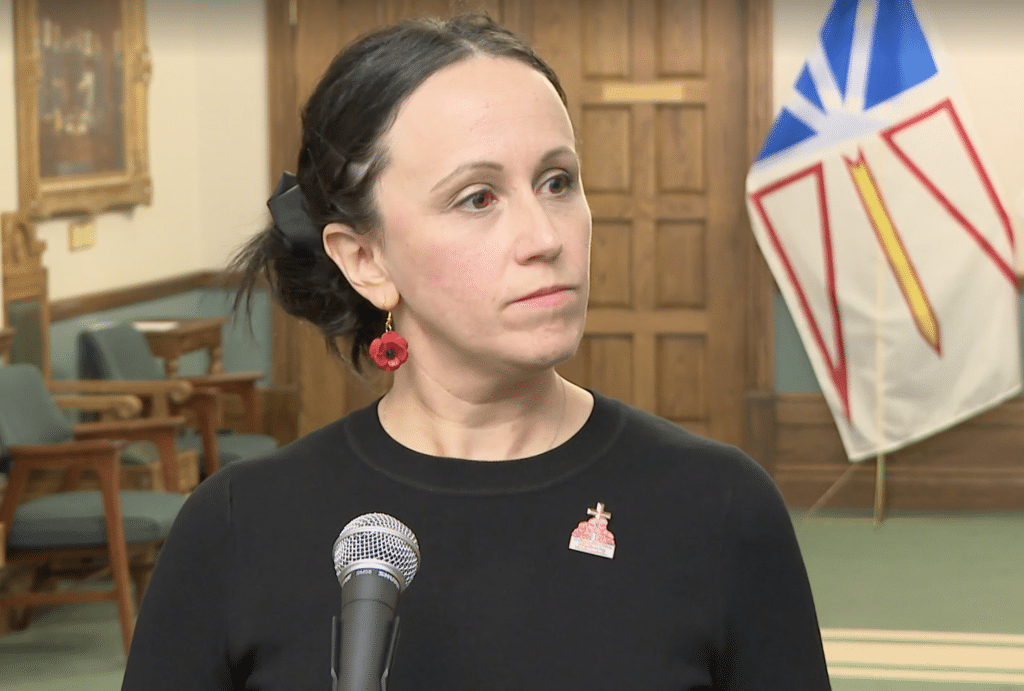
It’s time for Premier Tony Wakeham to pick a side: Andrea Barbour, or Newfoundlanders and Labradorians.
In the House of Assembly Wednesday, the environment minister leveled serious allegations against the press in response to The Independent’s reporting on internal documents revealing the government has forecast it won’t meet its climate targets: “We know that the media took the narrative, twisted it and wrote what they wanted, and they didn’t say the truth,” she said.
Despite having no evidence to support the allegation, Barbour still has not walked back her disparaging remarks.
When she finally made herself available to reporters, the former social media influencer asked us to hold her beer while she doubled down: “The media do twist narratives. It’s known. Everyone knows that,” she told members of the province’s press gallery.
Will you stand with us?
Your support is essential to making journalism like this possible.
Trumpian attack on democracy
In 2017, Conservative MP Cheryl Gallant became one of the first Canadian politicians to pull a tactic from Donald Tump’s playbook when she described Canadian reporting as “fake news”.
Canadian Journalists for Free Expression swiftly condemned Gallant’s attack, saying that “denouncing media institutions and encouraging public mistrust for rigorous and ethical reporting are recognizable hallmarks of totalitarianism. There are disturbing precedents for this behaviour in 1930s Germany, Egypt’s military dictatorship and the contemporary United States,” the organisation wrote in a letter to the MP.
Since then, far-right political figures are increasingly undermining trust in news media as part of their effort to weaken one of the most important accountability mechanisms democratic societies have: the fourth estate.
It doesn’t always work in their short-term favour; just ask Pierre Poilievre. But each time, they succeed in gradually eroding public trust in journalism.
Thankfully, the Trumpian tactic hasn’t been deployed here — until now.
Last week New York Times Publisher A.G. Sulzberger explained the impact of Trump’s continual attacks on the media. “When you attack the press and undermine its ability to ask that question you don’t want to answer, and to tell the public that thing you wish was kept secret, it becomes easier to act with impunity as you go after society’s other institutions.”
What other institutions could the Wakeham government have in their crosshairs?
Access to Information legislation under review
If you listen closely to the House of Assembly audio during Barbour’s tirade Wednesday, you can hear someone prompt her to use the word “snapshot” when describing the information we revealed in our reporting. She immediately repeats the word.
Our province’s access-to-information legislation is under statutory review, which could lead the PCs to table amendments in the House of Assembly to strengthen or weaken the public’s right to know what our government is doing internally.
Newfoundland and Labrador has the strongest access-to-information legislation in Canada, in part because it gives us access to — you guessed it — draft documents. It’s much harder, if not impossible, to obtain the same records in other provinces.
If Premier Wakeham shares Barbour’s belief that public knowledge of the government’s work on our next climate action plan is worthless, it’s conceivable the PCs could use their majority government to strip us of our ability to access this kind of information.
As I told CBC Friday, if journalists only reported on matters of public interest only when governments want us to, we wouldn’t be doing our jobs. The public has a right to know what their elected officials are doing — even if during a “snapshot” in time — when it comes to policy-making and decisions that will impact our lives.
All eyes on Premier Wakeham
If the premier is the least bit concerned about the slippery slope Barbour has laid before his government, he would publicly condemn his minister’s behaviour and tell the people of the province whether he and his caucus share her belief about journalists and the media.
If he doesn’t, Wakeham’s silence will signal to the rest of us that he is willing to erode public trust in Newfoundland and Labrador’s fourth estate — and therefore our democracy — for the benefit of his own party and government.
Author

Related Articles
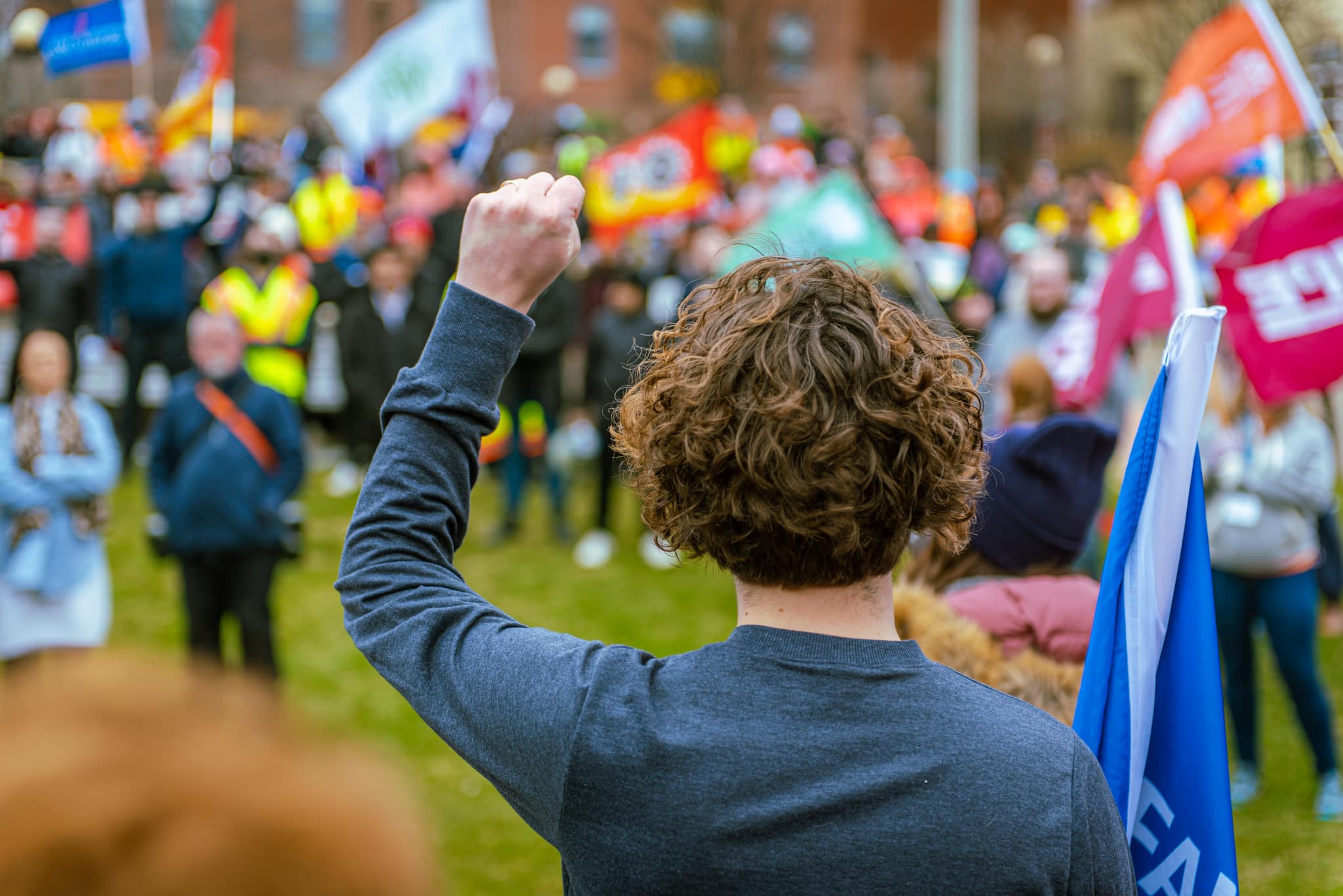
May Day Rally Shows New Face of Today’s Labour Movement
Turnout for May 1 march and rally in St. John’s one of the biggest yet in this province

Recimply the Best: Pitch and Pick Competition Winner Aims to Reduce Paper Waste
Recimply won big at Genesis’ annual Pitch and Pick competition last week. The startup is solving the problem of non-recyclable paper receipts.

Coming Home Queer for the Very First Time
For three days in July, queer Newfoundlanders and Labradorians from all over the world celebrated a rural homecoming 30 years in the making.
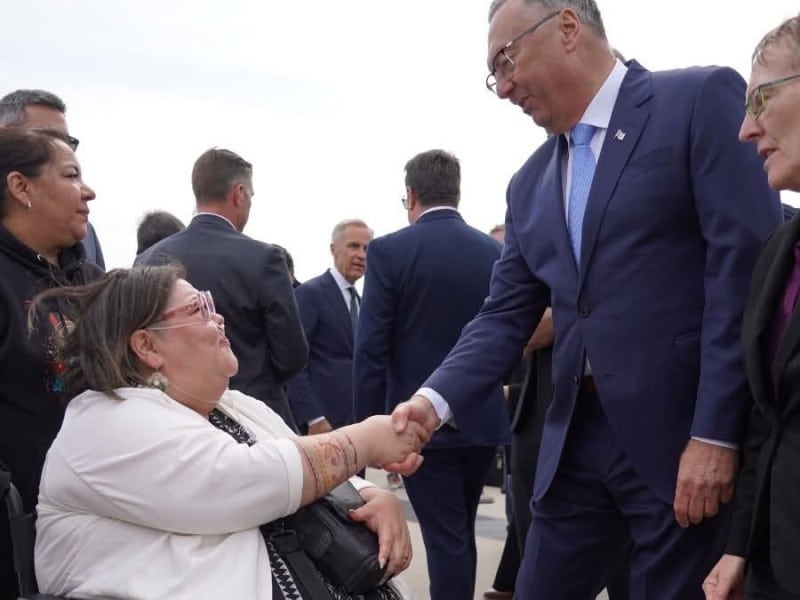
The Wakeham government doesn’t care about Indigenous Peoples
11 years later, the province is still not publicly sharing details on its alleged efforts to implement the Truth and Reconciliation Commission’s calls to action
Workers deserve allyship, not lip service
On Labour Day 2026, some tips for Labour Minister Lloyd Parrott
The PC’s subtle Throne Speech caveat
Wakeham government quietly places an asterisk next to its promise, ‘For all of us’