
Is it finally time to say ‘no’ to NATO?
What benefit does the average Canadian gain by having billions of dollars go towards an organization that dismantles peace efforts and promotes war and conflict in all corners of the globe?
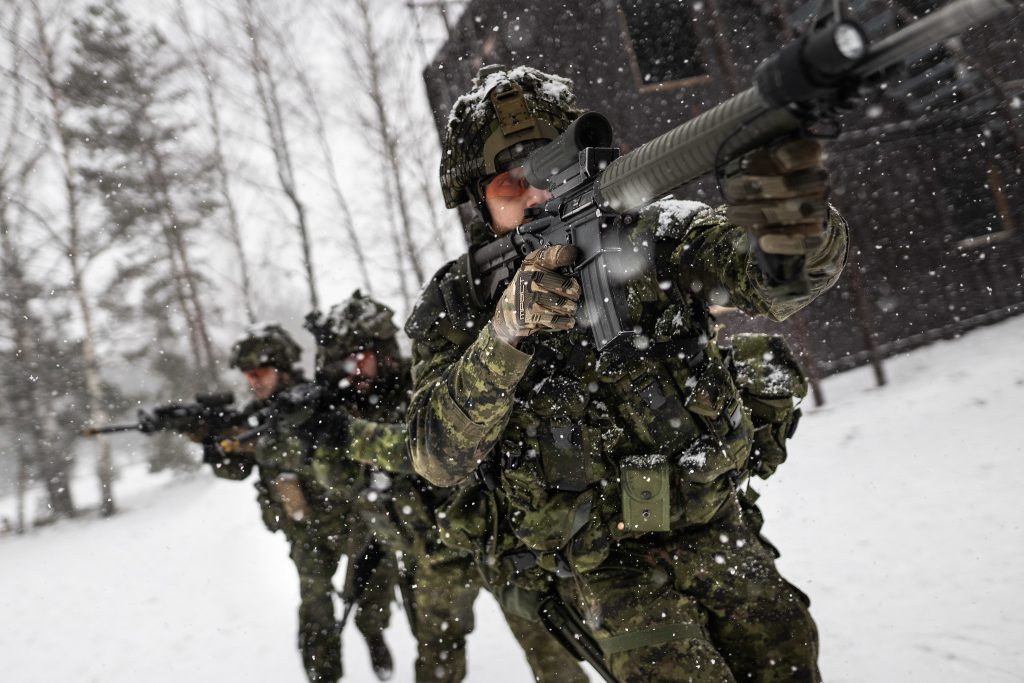
This month marks the 75th anniversary of the founding of NATO.
The North Atlantic Treaty Organization is an intergovernmental military alliance formed amidst the Cold War and has been a key factor in escalating armed conflict throughout the world since its inception.
Canada, along with the U.S. and 30 other member countries, have been engaged in a number of unnecessary military campaigns due to the treaty each member agrees to upon joining NATO. This is exemplified with the “principle of collective defense,” enshrined by Article 5 of the treaty, which stipulates that “the Parties [of NATO] agree that an armed attack against one or more of them in Europe or North America shall be considered an attack against them all.”
As long as Canada remains in NATO, we also take on the enemies of every other member country whether those enemies pose any threat to Canadians or not.
Will you stand with us?
Your support is essential to making journalism like this possible.
NATO has been the subject of controversy in several conflicts. Many interventions led by NATO forces have been in conflicts and regions not directly affecting the security of member states, contrary to Article 5 of the NATO treaty, such as the 2015-2021 mission in Afghanistan, and NATO’s 2011 intervention in the Libyan civil war. These instances did not involve the attack of any member state of NATO, rendering NATO forces as an actor free to exert their dominance on regions outside of member state borders.

Rather than maintaining peace, NATO has served as a means for the maintenance of Western military dominance across the globe, and a key tool for the maintenance of U.S. imperialism and hegemony. Prolonging conflict and war is within the interests of NATO and it has been a key component in preventing peace in Ukraine. In April 2022, Boris Johnson, former prime minister of the UK, a founding NATO member state, visited Kyiv to block a potential peace treaty between Ukraine and Russia.
It was reported that one of the conditions for this peace deal was for Ukraine to agree to not join NATO. Though Johnson has denied his influence, the treaty was not signed, likely due in part to his intervention; thousands have since died in a war that has been ongoing for over two years. NATO and its member states use their military and economic prowess to aggressively enforce a geopolitical world order that aligns with the interests of their leaders, using both physical weapons and economic weapons such as sanctions to punish those who do not follow suit.
NATO membership is very expensive. NATO places significant financial obligations upon member states in order to maintain its operations, requiring two per cent of member state GDP to go towards NATO operations. Many member states, including Canada, do not meet this two per cent of GDP requirement, a reality perhaps made infamous by former U.S. President Donald Trump, who has criticized other NATO member states for not contributing their share. However, for Canadians, this still amounted to approximately $38 billion given to NATO in one year alone. This is in the background of an estimated 2.4 million Canadians living in poverty as per 2022 Statistics Canada data, with a rising cost of living, in addition to our underfunded health-care system.
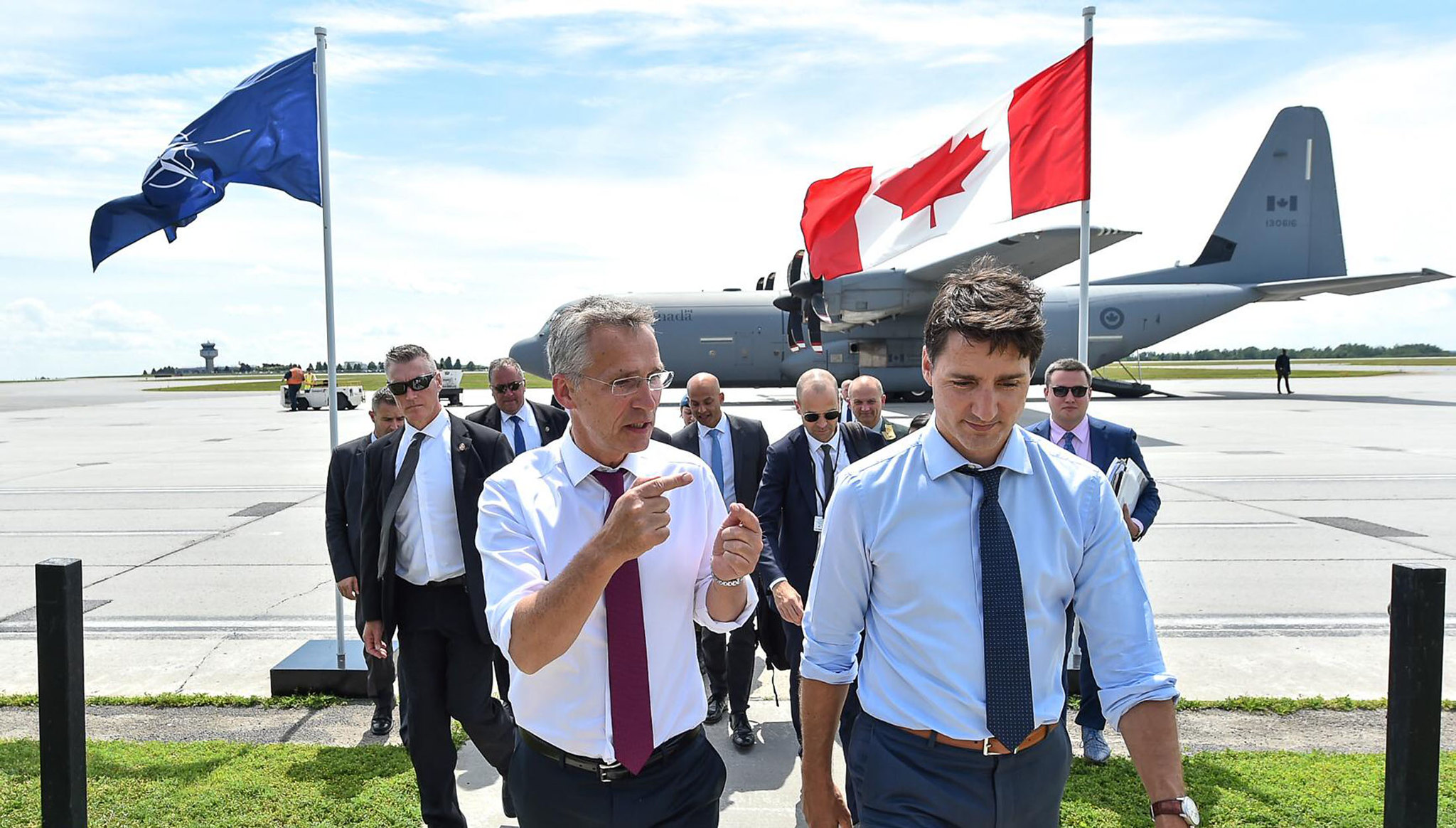
NATO’s actions have directly led to the erosion of global peace, continuation of war across the globe, and the deaths of thousands. In Canada, we must ask ourselves: can we afford to spend upwards of $38 billion per year — and potentially $58 billion by 2029-2030 — on a military alliance that does not serve the interests of Canadians?
What benefit does the average Canadian gain by having billions of dollars go towards an organization that dismantles peace efforts and promotes war and conflict in all corners of the globe? Are we really willing to put Canadian lives on the line for conflicts instigated by other nations?
Is it finally time to say ‘no’ to NATO?
Author

Related Articles

Meet two of St. John’s local heroes of transportation
Can community members help make walking safer in winter? Megan Clemens and Myles Russell think so

International Women’s Day is not a celebration
How do we build a fighting feminist movement?
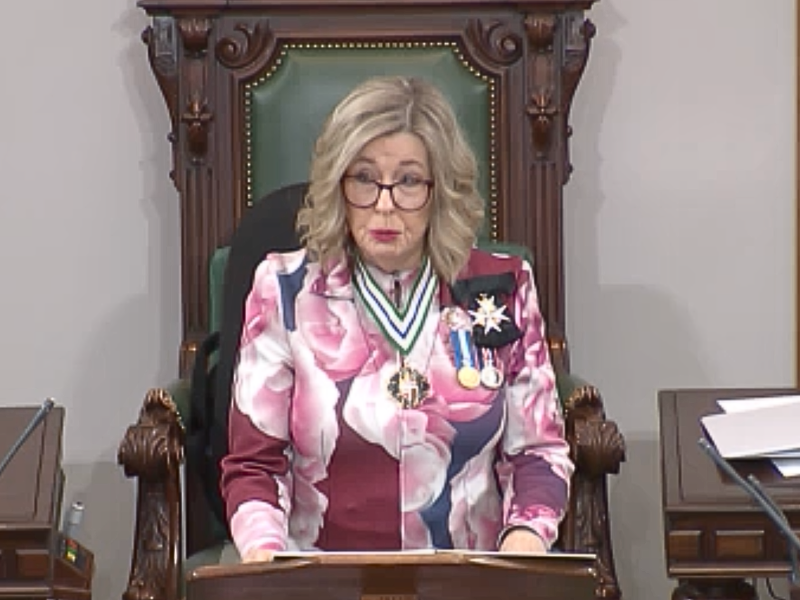
The PC’s subtle Throne Speech caveat
Wakeham government quietly places an asterisk next to its promise, ‘For all of us’