
Harlow operating within budget before Memorial decided to sell it: former head of U.K. campus
Emails show President Janet Morrison ‘inundated’ with messages over sale of Harlow Campus, while documents suggest former campus head was making progress at reducing costs
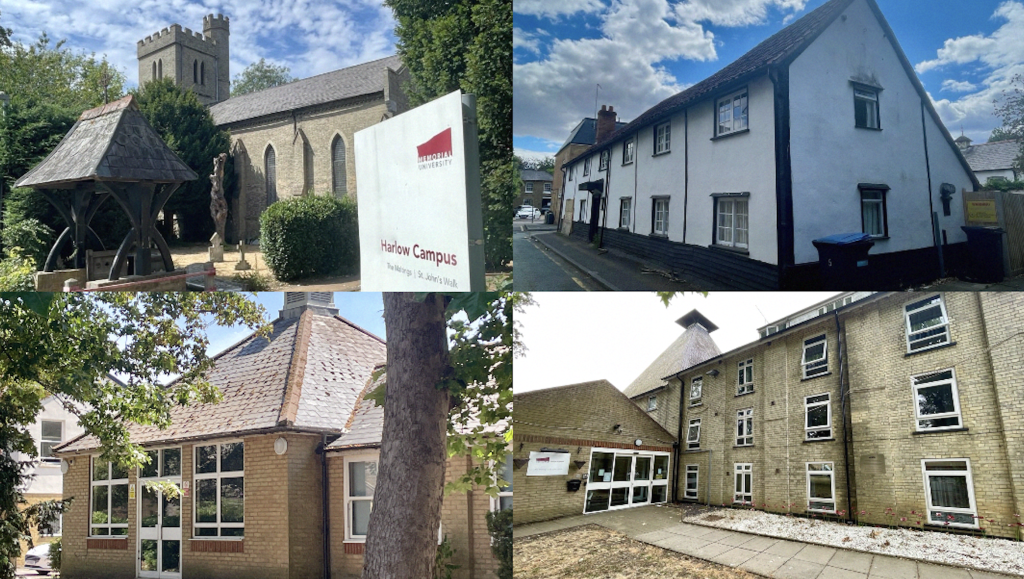
Documents and emails analyzed by The Independent suggest Memorial’s Harlow Campus was making money, had hundreds of thousands of dollars in reservations on the books, and that the former outgoing Harlow head said progress was being made to turn the UK campus’s finances around.
Despite the apparent progress at Harlow, Memorial University’s administration announced in January 2026 that Harlow would close and be sold off, citing costs and fluctuating enrolment.
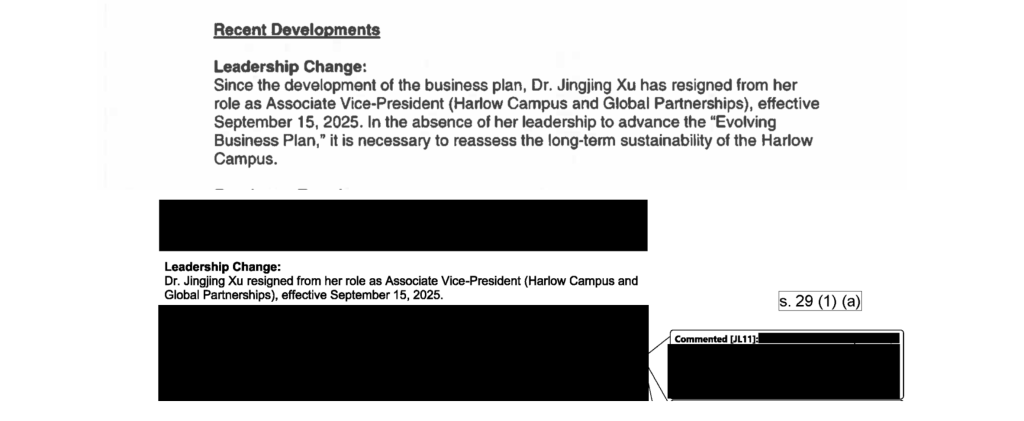
The documents, released through access-to-information requests, also suggest the resignation of Associate Vice-President Dr. Jingjing Xu, who oversaw the operations of Harlow, could be used to justify the closure, despite Xu’s claims she was reducing costs and operating within budget.
MUNL’s Board of Regents, under chair Justin Ladha, along with direction from President Janet Morrison, maintained that costs, and low enrolment in recent years, are two of the main reasons for the closure of Harlow.
Will you stand with us?
Your support is essential to making journalism like this possible.
Xu’s short tenure was marred by controversy and allegations of conflict of interest hiring under then President Neil Bose. After Morrison was appointed Bose’s successor, Xu would eventually threaten to sue the university and resign amidst tensions surrounding the release of her employment contract and salary information being made public.
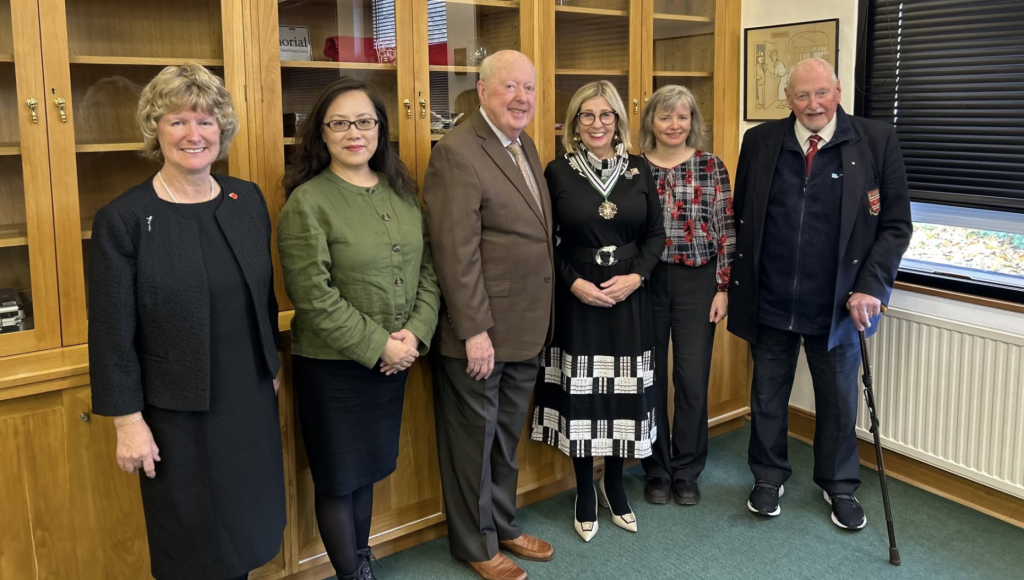
Memorial administrations have been contemplating the future of Harlow for years. A scathing Auditor General’s report from 2023 highlighted spending and compensation concerns broadly at Memorial University, with Harlow oversight one of the areas singled out. In 2024 the Board of Regents gave Harlow three years to “achieve a sustainable campus with reduced expenses and new revenue streams.” Xu had been tasked with overseeing some of that. The documents suggest that before she left Harlow Xu was making progress at reducing the campus’s operating costs.
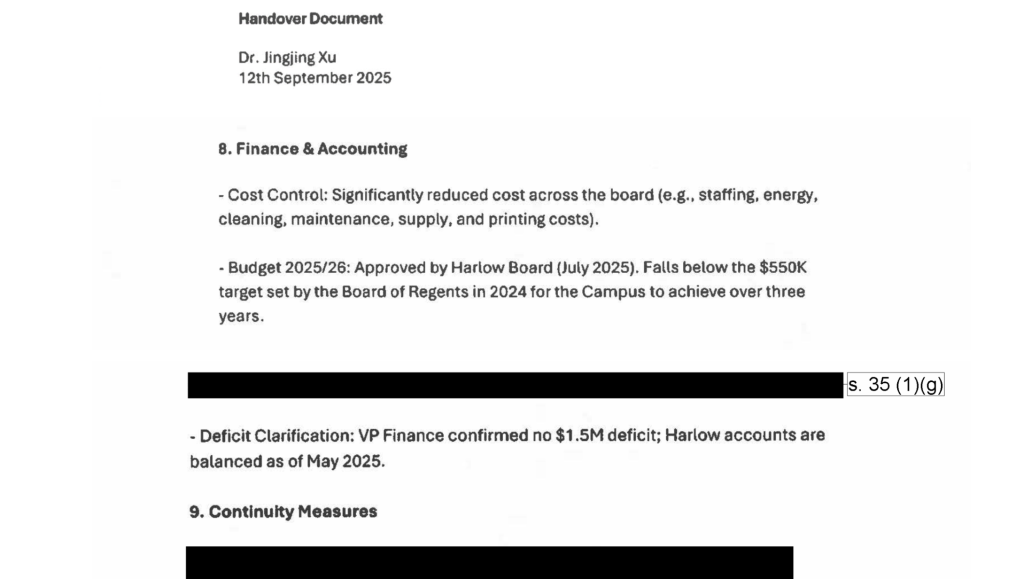
In a handover package provided to administration by Xu before her departure, she said “cost[s] across the board” had been significantly reduced and that the 2025/26 budget approved by the Harlow Board “falls below the $550k target set by the Board of Regents in 2024 for the Campus to achieve over three years.”
Under another heading in the handover package called Deficit Clarification, Xu also wrote that the “VP Finance confirmed no $1.5M deficit,” and that “Harlow accounts are balanced as of May 2025.”
Around the same time Xu would have been packing up her things to leave, emails show one of the directors of MUN (UK) Ltd., which governs Harlow, Garrett Doyle, wrote Xu thanking her for her work.
“I just wanted to drop you a quick note to say thank you for all the time and effort you’ve put in at the Harlow campus,” Doyle wrote. “You’ve made a real impact, especially with the improvements around process and cost control.”
Xu responded, “It has been a privilege to lead the Harlow Campus. I am pleased with the progress we have made here […] I really hope Harlow will continue to contribute to the success of MUN and the outstanding student experiences that Janet is committed to fostering as the new President,” the emails reveal.
Xu’s resignation took effect Sept. 15, 2025. That same month, she joined the University of Huddersfield as Dean of the School of Business, Education, and Law.
The Independent reached out to Xu to ask her about the revelations but she declined to comment.
VP’s departure cited as reason Harlow could be shut down
The trove of documents, made public by journalist and activist Matt Barter, show another email sent from the Vice President Academic, Dr. Jennifer Lokash, on Sept. 29, which said a new interim general manager for Harlow would be hired on a nine-month contract. The announcement of Harlow’s closure came about four months later.
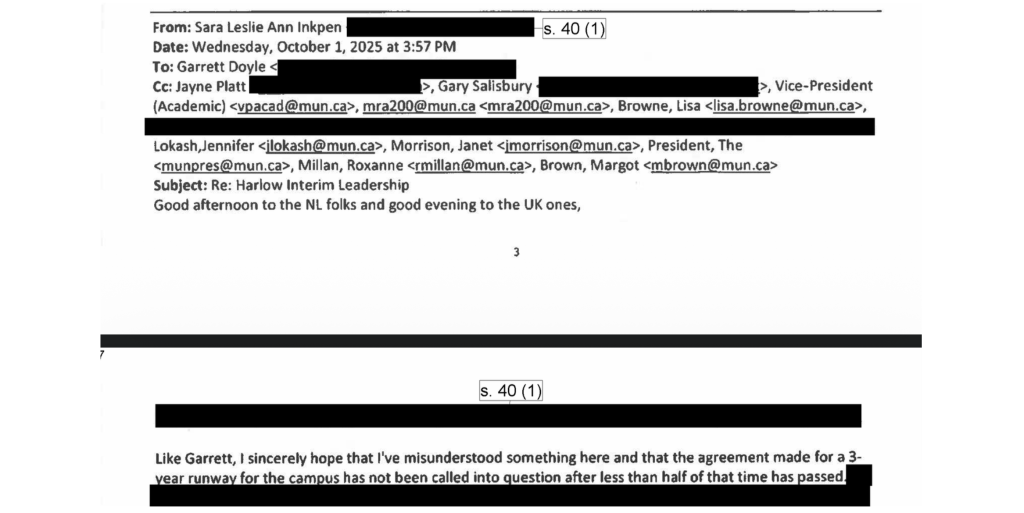
A few days later, in an Oct. 1 email, another director of MUN [UK] Ltd., Sara Inkpen, expresses concern. “Like Garrett, I sincerely hope that I’ve misunderstood something here,” Inkpen writes, “and that the agreement made for a 3-year runway for the campus has not been called into question after less than half of that time has passed.”
Matthew Filmer was chosen as Xu’s successor and assumed the role of interim general manager of Harlow at the end of October 2025.
Two weeks after Xu’s resignation a MUNL Board of Regents document dated Oct, 2, 2025 cites Xu’s departure as a reason why Harlow could be closed. “In the absence of her leadership to advance the Evolving Business Plan, it is necessary to reassess the long-term sustainability of the Harlow Campus,” the confidential briefing note reads.
Updated versions of this note have this reference to Xu removed. It was signed by Morrison and addressed to Ladha.
Documents show Harlow represents fraction of 1 per cent of Memorial’s total budget
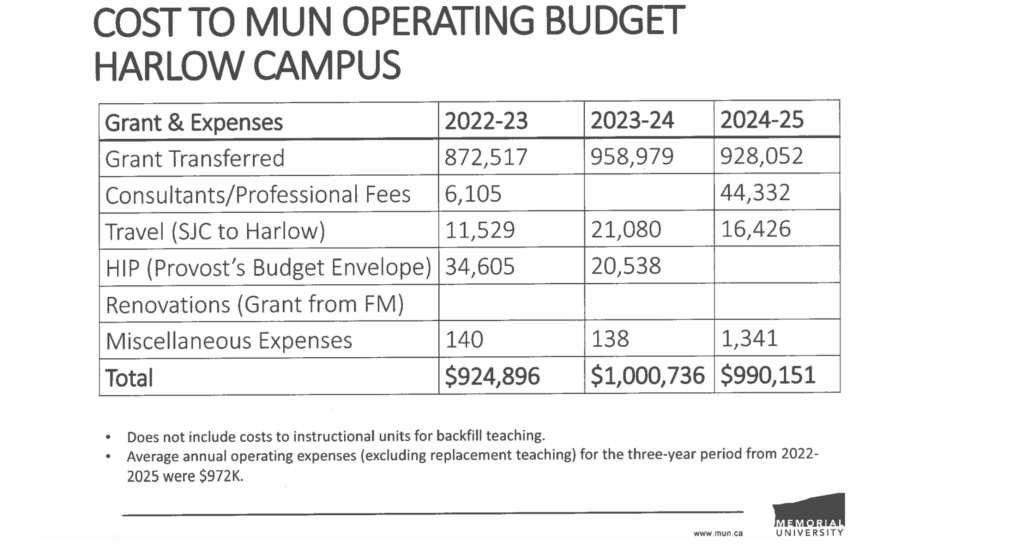
Through justifying its closure university administration maintained Harlow was, on average, running up around $1 million per year in operating costs. Harlow’s revenues came partly through tuition fees and money generated from functions at the campus. The lion’s share, however, came from an annual grant from the university’s operating budget to the tune of hundreds of thousands of dollars.
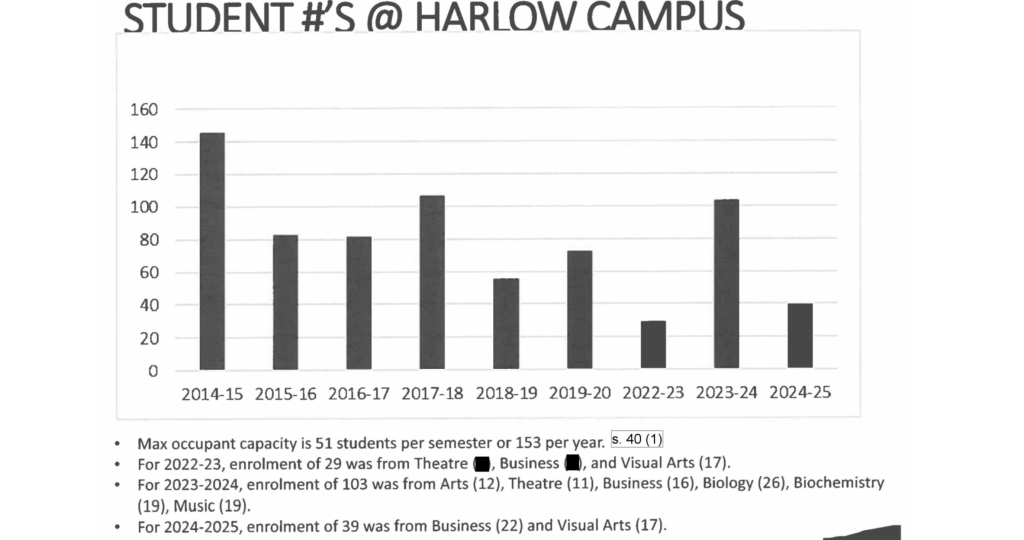
Graphs analyzed by The Independent show how that funding and revenue has fluctuated over the decade prior to Memorial’s decision to close the campus.
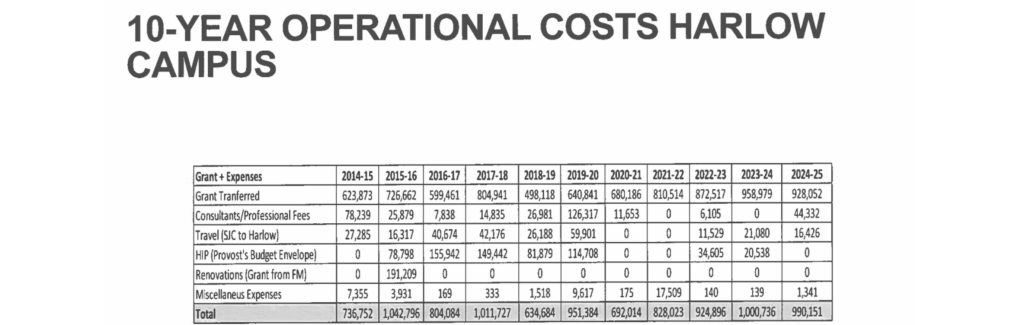
The Independent asked Morrison’s office why grants for Harlow Campus averaged about $900,000 each year for the last three years of its existence, more than any other allocation since 2014.
In an emailed statement, Memorial’s Manager of Communications and Media Relations Chad Pelley said the higher grant allocations from 2022 to 2025 represent funds to sustain Harlow, and the funding allocations exist “regardless of fluctuations in enrolment.” No clear reason was provided.
In 2025 the Government of Newfoundland and Labrador gave Memorial $316 million for its core operating grant, an additional $78 million for the Faculty of Medicine, while announcing another $70-million over the eight years “to help with deferred maintenance of university infrastructure.”
Memorial’s administration says Harlow’s deferred maintenance costs were approaching $2 million, and that the decision to close Harlow, as well as other university-owned buildings in St. John’s, were partly due to a more than $20-million shortfall.
On Aug. 13 2026, the administration said the university operated within a board-approved budget of $468.6 million. “As a result of significant effort across the institution, Memorial ended 2025-26 with a modest operating fund surplus of $2.7 million.”
In the days leading up to Memorial’s Jan. 28, 2026 announcement, when Morrison and Ladha revealed the university’s decision to divest of the properties, documents show Morrison’s team calculated the total square footage of Harlow.
“Total gross square footage (GSF) of all Campuses (owned buildings, St. John’s, Signal Hill, Harlow, Grenfell and The Launch): 5.346 million square feet,” one email read. “Removing Harlow reduces the total GSF of all Campuses by 18,175 square feet to 5.328 million square feet (0.34% decrease),” the email reads.
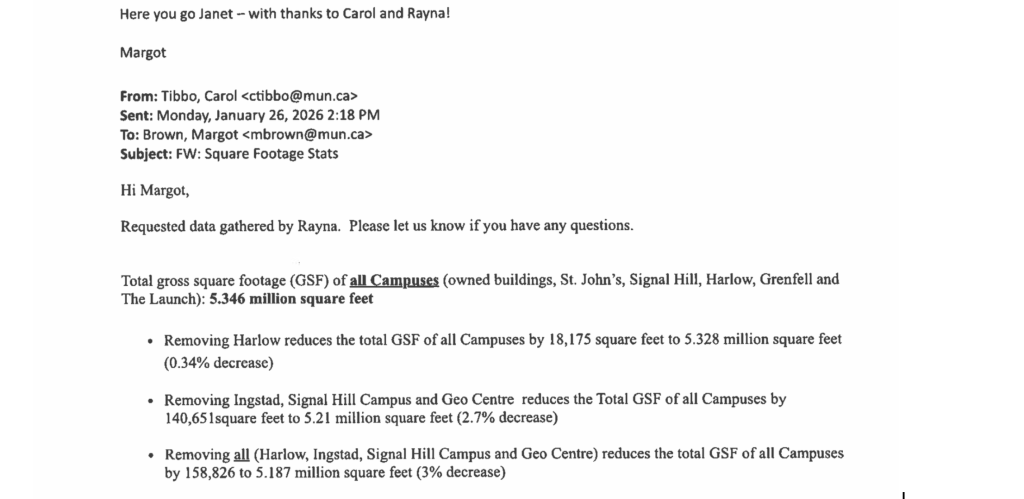
“Can we agree that there is value in referencing a reduction in total [Harlow, Ingstad, Signal Hill Campus and Geo Centre] footprint of 158,826 square feet,” Morrison asked in a Jan. 27 email. “teamwork!” she said to those who helped calculate the figures.
Harlow’s approximately $1-million annual operating costs amount to about 0.2 per cent of Memorial’s total operating budget for the most recent year. While there are multiple references to Harlow’s “physical footprint,” administrators in their emails don’t frame it similarly as a financial footprint.
MUNL says enrolment figures are students only, doesn’t account for other Harlow uses
Enrolment, which the university says has been in decline at Harlow, has also been cited as a main reason for the shuttering of the UK property. But the documents found in the emails show higher numbers, and money coming into the campus.
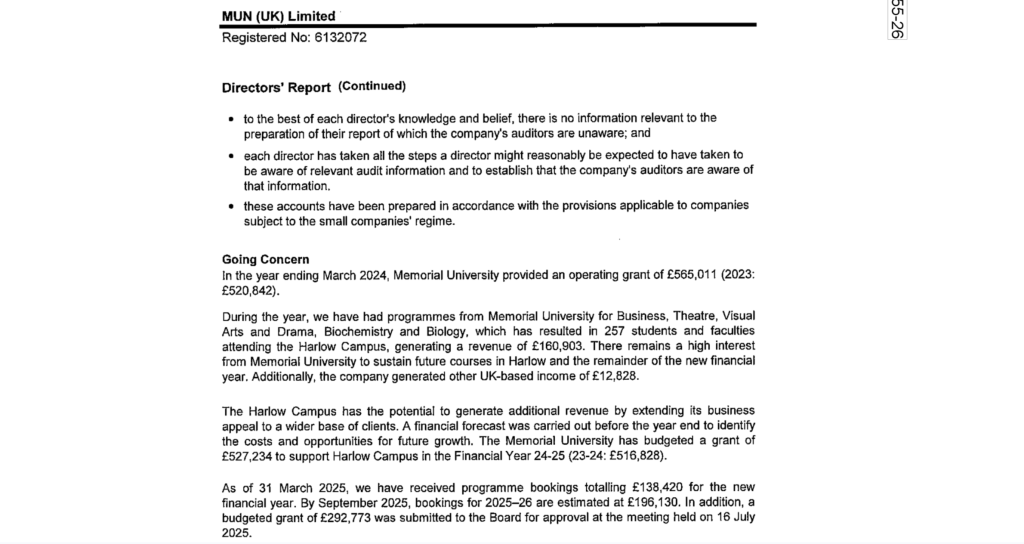
A section titled Revised Financial Statements says, for the year ending March 2024, that 257 students and faculty members attended Harlow Campus, which generated revenue of GBP 160,903 (about CAD $300,000).
A graph produced and used by administration shows about half that number of students.
“There remains a high interest from Memorial University to sustain future courses in Harlow,” the document says. “An additional 12,828 GBP (about $24,000 CAD) was also brought in from “other UK based income.”
The document says that, as of March 2025, there were GBP 138,420 (about CAD $260,000) of bookings on the schedule, and that by September 2025 the value of bookings for the 2025-26 year was estimated at GBP 196,130 (approx. CAD $370,000).
Visual Arts Professor Gerard Curtis, who The Independent spoke with, accused the administration of using lowball figures because, “it looks better for them when it looks like they’re not making money.” The Independent asked Morrison’s office to clarify the discrepancy between the numbers. Pelley said Memorial is using numbers in line with “student enrolments in courses at Harlow.”
Pelley said others are citing data that include Harlow numbers which show “non-student use of the campus,” like faculty or alumni using the facility for accommodations. Pelley said over the years there have also been “a variety of external and community groups whose participation contributed modestly to accommodation revenue [at Harlow] but would not be reflected in student enrolment data.”
Pelley said Morrison’s office is “confident” its enrolment data is accurate.
The Independent also asked Morrison’s office about the figures in the year-end financial documents, and about Xu’s statement that she was reducing costs at Harlow.
In an emailed response on Aug. 31, Pelley said “any decisions made on Harlow Campus were made using verifiable figures, and Memorial divested of Harlow Campus because the annual operating cost could no longer be justified.
“The fundamental question was whether we should continue to operate a campus abroad that costs $1M a year for a maximum of 153 students/year, when our buildings here at home – used by all students and faculty – need so much work,” he added.
President ‘inundated’ with emails over Harlow sale, tried to rally support for decision
The documents released through access-to-information legislation also reveal Morrison was “inundated” with emails over the sale of Harlow Campus and would later try to rally other Memorial leaders to support her and the Board of Regents in their decision to sell key university properties.
Months before the university announced it would sell off its campus in the UK, along with three other major properties in St. John’s, the president and her administration held consultations on the future of Harlow, during which they solicited feedback on what would become the pending closure.
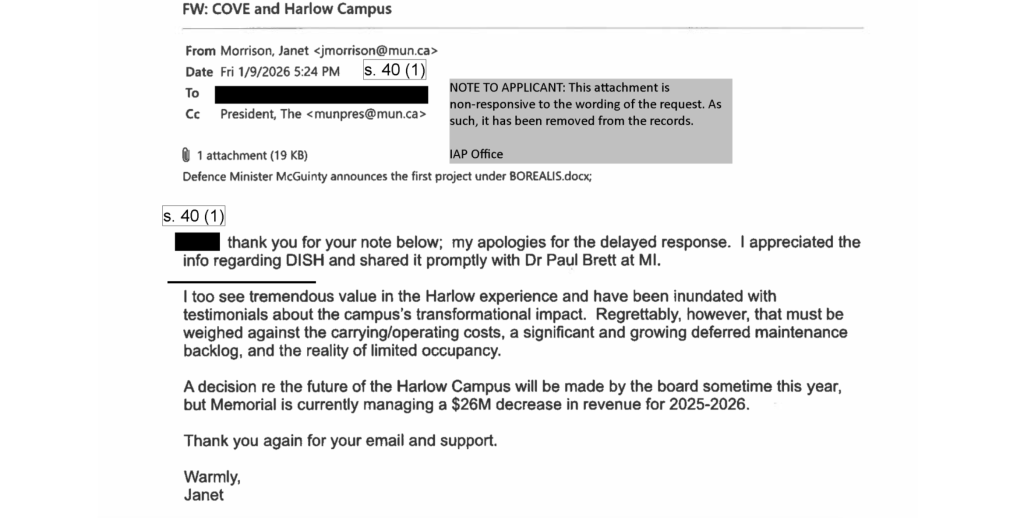
The consultations and subsequent announcement prompted many to reach out to Morrison directly, asking the president to reconsider the decision. In her response to one of those emails, Morrison acknowledged her email inbox was flooded with messages from students, staff, alumni, and others opposed to the property sales.
“I too see tremendous value in the Harlow experience and have been inundated with testimonials,” Morrison wrote, adding any feedback about the decision to sell Harlow has to be “weighed against” things like operating and maintenance costs and enrolment numbers.
Numerous emails suggest Morrison should have better considered the role a publicly-funded educational institution like Memorial plays in supporting an asset like Harlow, rather than treat the university as a for-profit business.
“The option of selling off Harlow campus […] could bring in a quick and temporary inflow of funds and reduce some operational costs, but the consideration of this option concerns me greatly,” one person told Morrison.
Closing Harlow “would do a disservice to our students and faculty,” another email reads, continuing on to say that “various ideas [about the future of Harlow] have been floated in the past, without success, but that doesn’t mean we stop trying.”
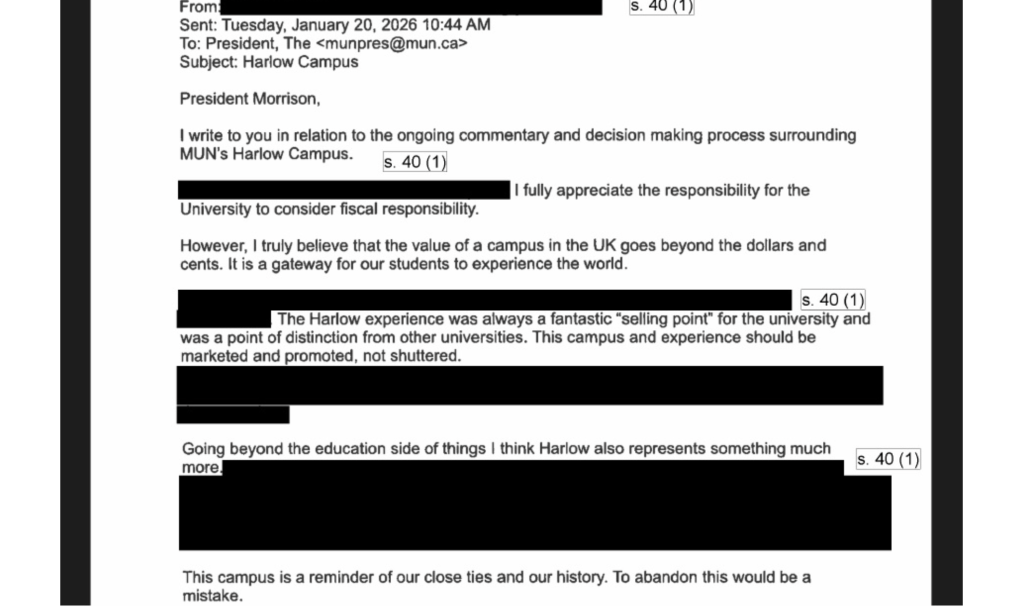
In another email, the sender says they “fully appreciate the responsibility for the University to consider fiscal responsibility,” but that they “truly believe that the value of the campus in the UK goes beyond the dollars and cents.” The person goes on to say the “campus and experience should be marketed and promoted, not shuttered,” and “to abandon this would be a mistake.”
“It is not as if I don’t understand the financial stress the university is experiencing. What worries me is that we might end up sacrificing our reputation,” another person writes in a letter.
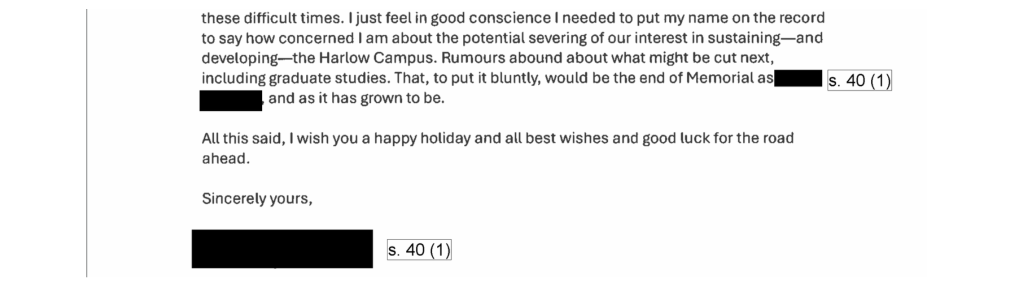
“I just feel in good conscience I needed to put my name on the record to say how concerned I am about the potential severing of our interest in sustaining – and developing – the Harlow Campus. Rumours abound about what might be cut next, including graduate studies. That, to put it bluntly, would be the end of Memorial as [redacted], and as it has grown to be.”
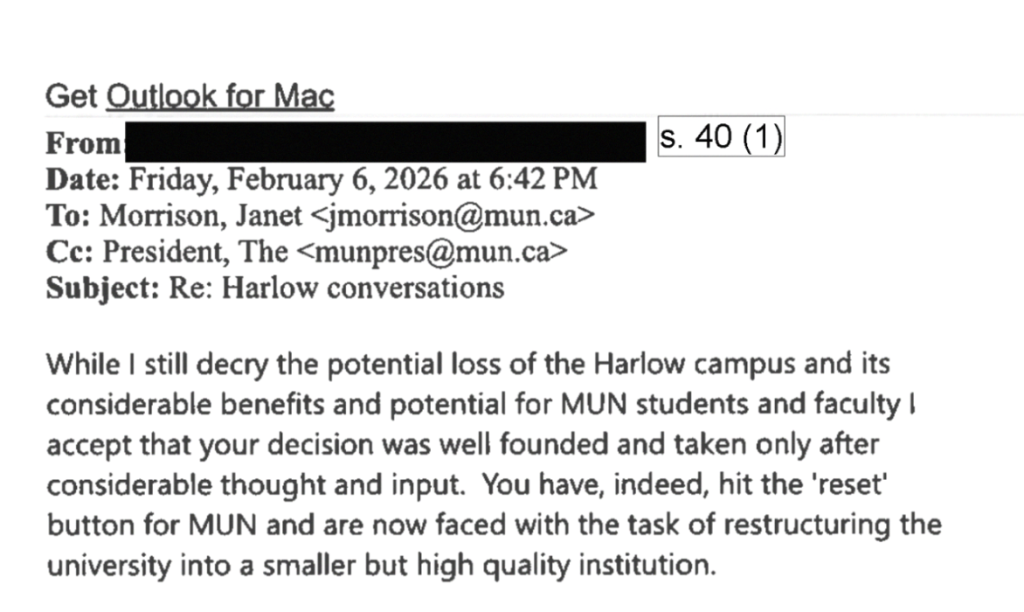
Another email accepts Morrison’s decision but expresses a clear expectation. “While I still decry the potential loss of the Harlow campus and its considerable benefits and potential for MUN students and faculty, I accept that your decision was well founded and taken only after considerable thought and input,” the message reads. “You have, indeed, hit the ‘reset’ button for MUN and are now faced with the task of restructuring the university into a smaller but high quality institution.”
When word of Harlow’s pending closure reached the UK, the emails reveal, British Member of Parliament for the constituency of Harlow, Chris Vince, felt obligated to request a meeting with Morrison. After that meeting, Vince followed up by email saying, “I do, following our conversation, understand why you have come to [the decision]. I hope moving forward we can also find ways to preserve the links between Newfoundland, Labrador and Harlow.”
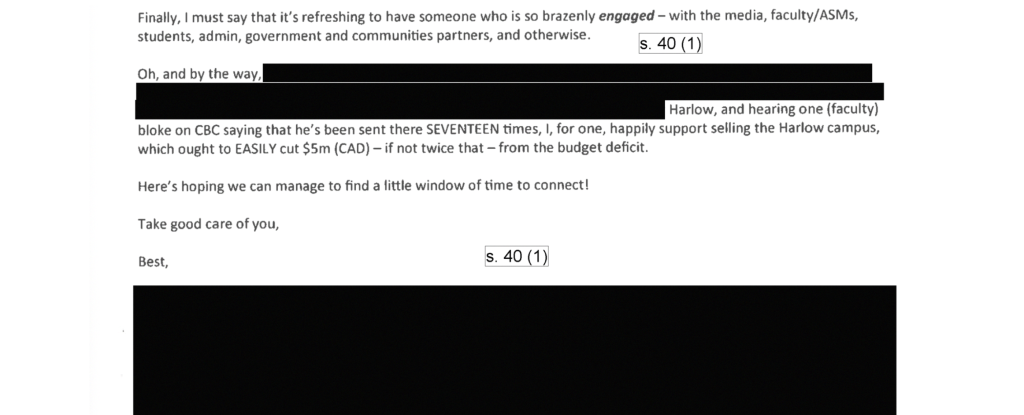
Few emails support Memorial’s decision to close Harlow. One praises Morrison’s efforts, saying, “it’s refreshing to have someone who is so brazenly engaged. [When it comes to] Harlow, and hearing one [faculty] bloke on CBC saying that he’s been sent there SEVENTEEN times, I, for one, happily support selling the Harlow campus,” they write, asking Morrison to consider them someone who is eager to get more involved with university operations.
It appears the president personally responded to several of the messages she received, often thanking the individual for getting in touch and sharing their perspective on Harlow, then letting them know Memorial University was facing “significant financial challenges.”
Hours before the Jan. 28 announcement by Morrison and Ladha, the president emailed other university leaders, including some department heads, notifying them of what was coming.
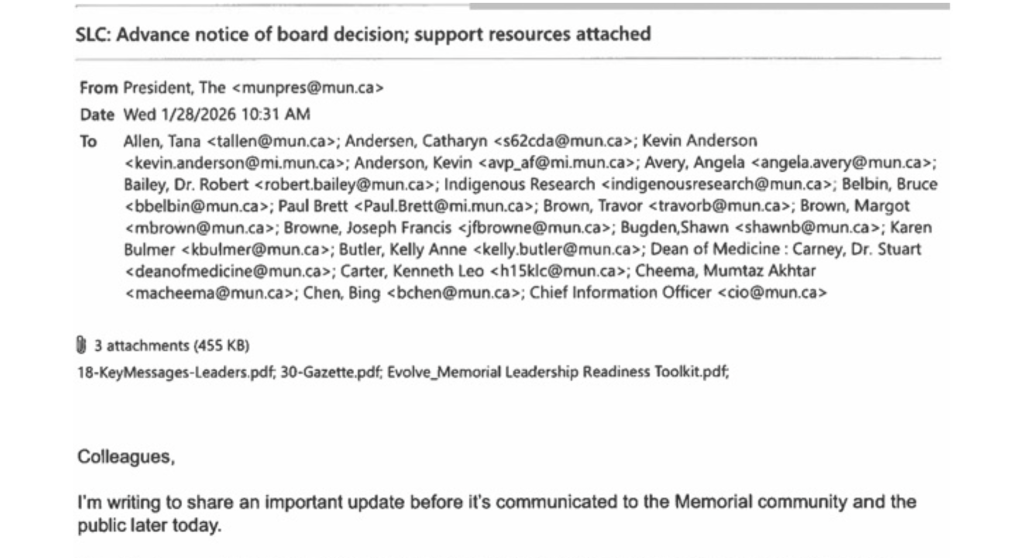
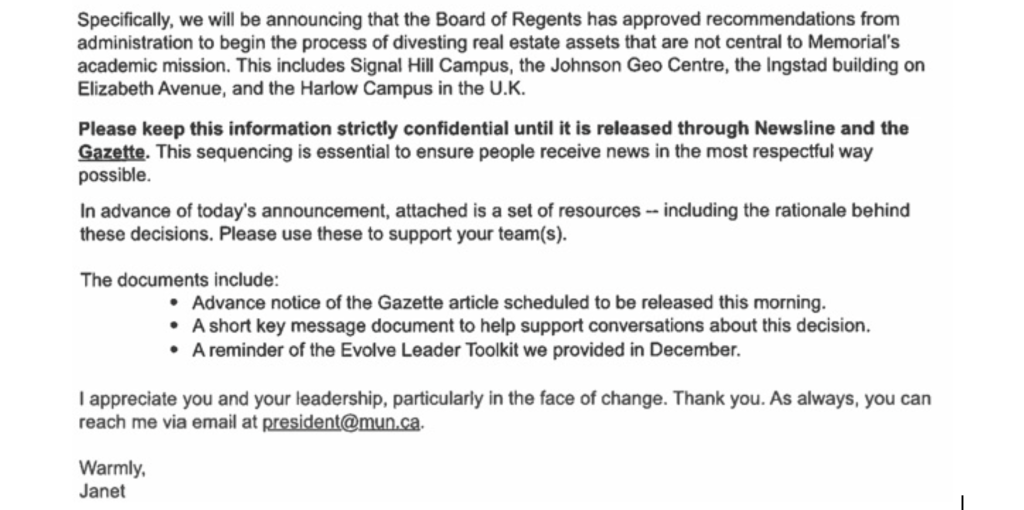
“I expect you to convey, with confidence, that these decisions will help us further protect academic delivery, better maintain our infrastructure and ensure we remain well-positioned to support Memorial’s current and future learners,” Morrison wrote in the email.
Some 5K students have studied at Harlow since 1969
Following the Second World War, Britain’s New Town Programme was implemented to draw people out of London to address labour shortages, while also providing them with new housing. A total of 25 new towns were built in England, including Harlow, while the existing Harlow community became known as Old Harlow, where Memorial’s campus would be located.
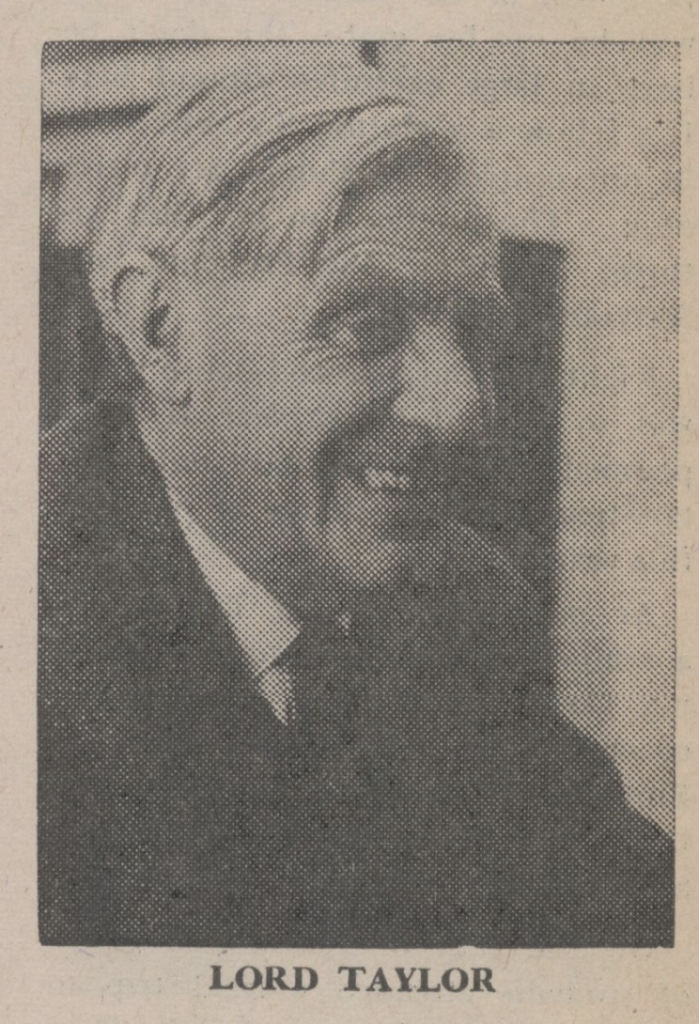
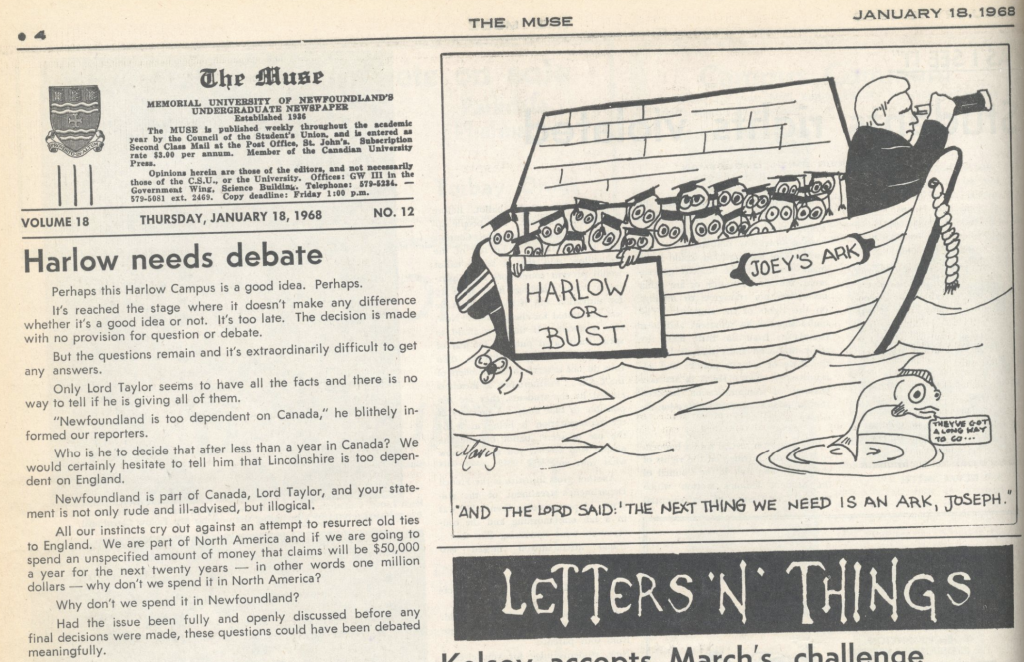
In 1967, then Newfoundland and Labrador Premier Joey Smallwood asked Lord Stephen Taylor of Harlow to become the president of Memorial University. During his tenure, Taylor helped establish Harlow Campus. “I think it would be rather fitting if the oldest town in the New World were linked to the newest town in the Old World,” he said at the time.
In 1968, a board of 15 trustees was appointed, and a year later “a dilapidated Victorian Maltings dating from around 1870 in St. John’s Walk, Old Harlow, as well as some disused Victorian school buildings not far from St. John’s Church,” were acquired and converted into a residence and faculty accommodation.
A scan of The Muse archives shows more than 130 references to the word ‘Harlow.’ Among the returns are numerous classifieds tempting students to enroll for a semester abroad, as well as articles dating back to 1990 suggesting professors, then, were trying to up the number of students attending Harlow. Memorial’s St. John’s campus even had a Harlow recruitment office at one point.
Today, Harlow consists of the Maltings building, home to the Lord Taylor lecture hall, and the Cabot House, St. John’s House and St. John’s Cottage residences. There are also the Market Street flats, two self-contained apartments dating back to the mid-18th century.
The campus opened in August 1969, housing Memorial professors and local students from Harlow. In the fall of 1970 the first Newfoundland students from Memorial’s School of Social Work resided there for three months. Engineering students would later begin to complete their internships at British factories, and education students would do their placements in Harlow schools. Harlow went on to welcome students from Memorial’s arts, sciences, visual arts, theatre, and business programs.

By the time the campus closes for good, some 5,000 students from two dozen disciplines will have worked and lived there since Harlow became Memorial’s international campus in 1969.
Business prof says ideas to save Harlow were shrugged off
“If we were closing the Labrador campus, the Grenfell campus, Bonne Bay campus – if we were closing any of the other campuses – I think there would be a lot more of an uproar,” says Memorial University Business Administration Professor Tom Cooper.
Cooper says the public would lose “crown jewels” during Memorial’s centennial year if properties like Harlow, the Signal Hill campus and the Johnson GeoCentre come under new ownership.
He taught annually at Harlow for several years and says he lived permanently and worked in the UK for about a decade, much of it in London, while also completing his PhD. Cooper feels qualified to say the campus, a 40-minute train ride north from London, could have had a healthy future with Memorial under stronger and more creative leadership.
“We will never get this back as a province or a university. Once it’s gone, it’s gone,” he says. Twenty years from now, the decision could be regretted, Cooper adds. “Sometimes an administration comes in and they make normative decisions: ‘This is good. This is bad,’” he says. “And they haven’t really thought through all the options.”
After news broke that Harlow would be sold, Cooper developed a series of proposals designed to lift Harlow into what he believes could be a future multi-discipline and industry hub for Memorial.
“I wanted to see if there is a way to save Harlow, not because of its history, but because Memorial needs an international platform that really produces more value,” he explains. “We live in an international world these days, not just within the boundary of our province, but how we position Newfoundland for the future.”
But Cooper’s plan was shrugged off by university administrators whom he says told him Harlow “had run out of time.”
His first proposal is to turn Harlow Campus into a gateway between Atlantic Canada and Europe, transforming it from the “traditional study-abroad-campus” it has been, to a more focused platform that would connect Memorial University and Canadian ideas on research, education, investment, trade, and innovation with European markets. “That was the kind of major philosophy,” Cooper says.
A second pillar of his Harlow transformation plan leans into the trade tension created by the current U.S. government, and positioning Harlow to better build trade bridges between Atlantic Canada and European markets. Pointing to “what’s going on with our friends down in the United States, and the prime minister trying to position us in this post-United States hegemony world,” Cooper says Harlow is well positioned because of its close proximity to London and its accommodations and boardrooms.
A third piece of Cooper’s plan proposes to grow academic and industry programming around sectors where Newfoundland and Labrador has strengths, like energy, technology, and culture, he says. “I envision making Harlow a research innovation platform” that would bring in visiting scholars while offering interdisciplinary residencies and research opportunities, he says, explaining Harlow would no longer operate under a “standalone model” but instead do more to bridge Atlantic Canada to Europe.

Cooper says he submitted his proposal to Morrison, but heard nothing back. “The university didn’t have to choose between continuing to operate Harlow exactly as it did historically and closing it,” he says.
So he shopped the ideas around to people and organizations interested in saving Harlow. Though he would not disclose who, Cooper said he spoke to funding agencies, external groups, and some wealthy alumni who were interested in securing the future of Harlow – conversations he says it appears those in charge at the university were not willing to have.
In the emails released through access-to-information requests, Memorial’s Board of Regents’s memos explicitly state “multiple initiatives to revitalize interest, including positioning Harlow as a ‘Gateway to Europe,’ developing executive training programs, leveraging distance education, and launching the Harlow Incentive Program (HIP), have yielded limited success.”
Asked what specific attempts were made to turn Harlow into a gateway to Europe and how it was determined that those attempts had failed, Pelley said past efforts like developing executive training programs and new distance education opportunities “did not see significant new revenue streams, and accommodation revenue remained flat.”
Pelley said Memorial is an institute of “teaching, learning and research,” and that “finding alternative uses for the campus […] that are outside the scope could be deemed a questionable use of student tuition fees and government funding.
“We have consciously chosen to ensure we are directing our limited funds to our core academic mission,” he said.
Harlow closure will hurt local economies and strip students of unique experiences
Some pubs in Harlow Town have had Newfoundland and Labrador flags on their walls for years, collecting dust as patrons come and go. Next year a section of Harlow Town Park known as Newfoundland Garden turns 30. Trees native to Newfoundland were planted there in 1997 to mark Cabot 500 and Harlow New Town’s 50th anniversary.

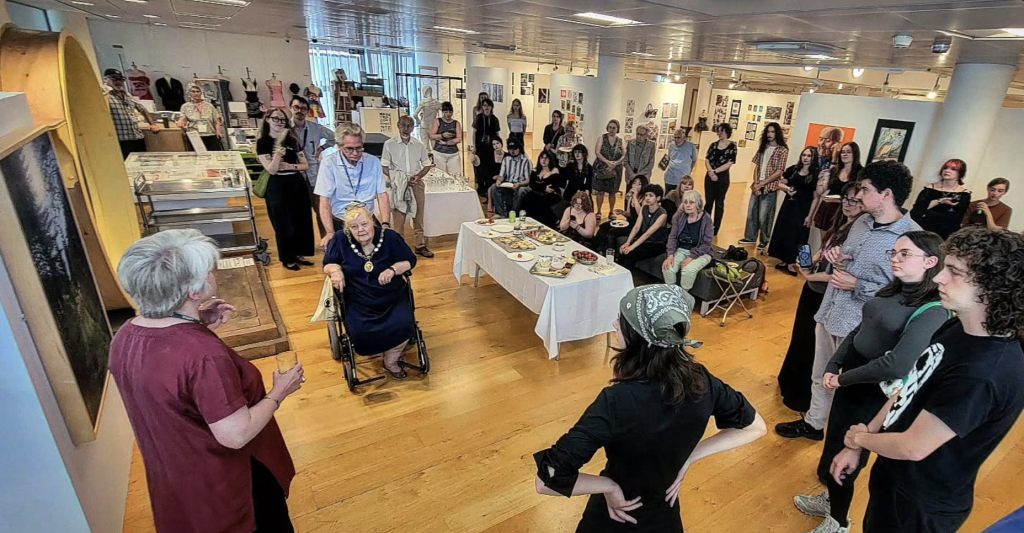
Visual Arts Professor Gerard Curtis says since word spread that Memorial intends to sell the campus, locals in Harlow have been asking him “who the idiot is” that thought selling it was a good idea.
Curtis has been travelling between Corner Brook and England to teach at Harlow for more than 30 years. He says the impact Memorial’s presence has had on the region is deep and far reaching. Some of his former students have married and now live in the region. Meanwhile, Harlow residents who have built friendships with Memorial students have visited St. John’s and the province. These are relationships that have endured decades, he says.
“We have a local here who for 40 years has been greeting students, showing them the sort of etiquette of pubs, and has given them rides and trips out to the beach and the seaside,” he explains.
“Economically, socially, culturally – it’s been sort of exactly what Lord Taylor wanted, the sort of linking of the two areas and creating that type of international bridge. It’s that long-term relationship that really we need to have a vision about, and the federal government should be stepping in.”
Some of the emails Morrison received were likely spawned from a letter-writing campaign to save Harlow, which Curtis encouraged people to support. But his own letter writing didn’t stop with the president. Curtis penned letters to various politicians, including Prime Minister Mark Carney.
In the letter, Curtis says politicians should be doing more to prevent the loss of Harlow, especially in the shadow of tensions with the U.S. administration. He also believes Carney would be more inclined to intervene given the prime minister’s time as governor of the Bank of England and his government’s desire to strengthen trade relationships with the UK and Europe.
Curtis didn’t hear back from the Prime Minister’s Office but says he received a response from provincial Education Minister Paul Dinn’s office, “basically saying […] it’s [Memorial’s] decision what they do.’
“This is a significant moment of time within Canadian history, when we’re trying to develop our links with the EU and with England,” Curtis told The Independent during a recent interview from his apartment in Harlow. “It is perfect timing to actually have a campus here.”
Curtis says Harlow’s deferred maintenance bill of nearly $2 million is “largely a failure of the Board of Regents to keep on top of remediation and repair.”
He says some of the buildings have asbestos and leaks, while another building needs repairs after being damaged by a vehicle. He also says conversations are needed over what to do about two graves located on the properties. “They’re running into a whole series of issues and problems that are actually going to diminish any potential sales,” he says.
Curtis says Harlow residents – who now number around 100,000 – have long viewed the Memorial campus as a driver of the local economy, and that many of them, including local councillor Joel Charles, call it a “sad closure” of a chapter of history in Old Harlow.
‘Absolutely devastated’: instructor says Harlow offered unmatched hands-on experience that shaped generations of artists
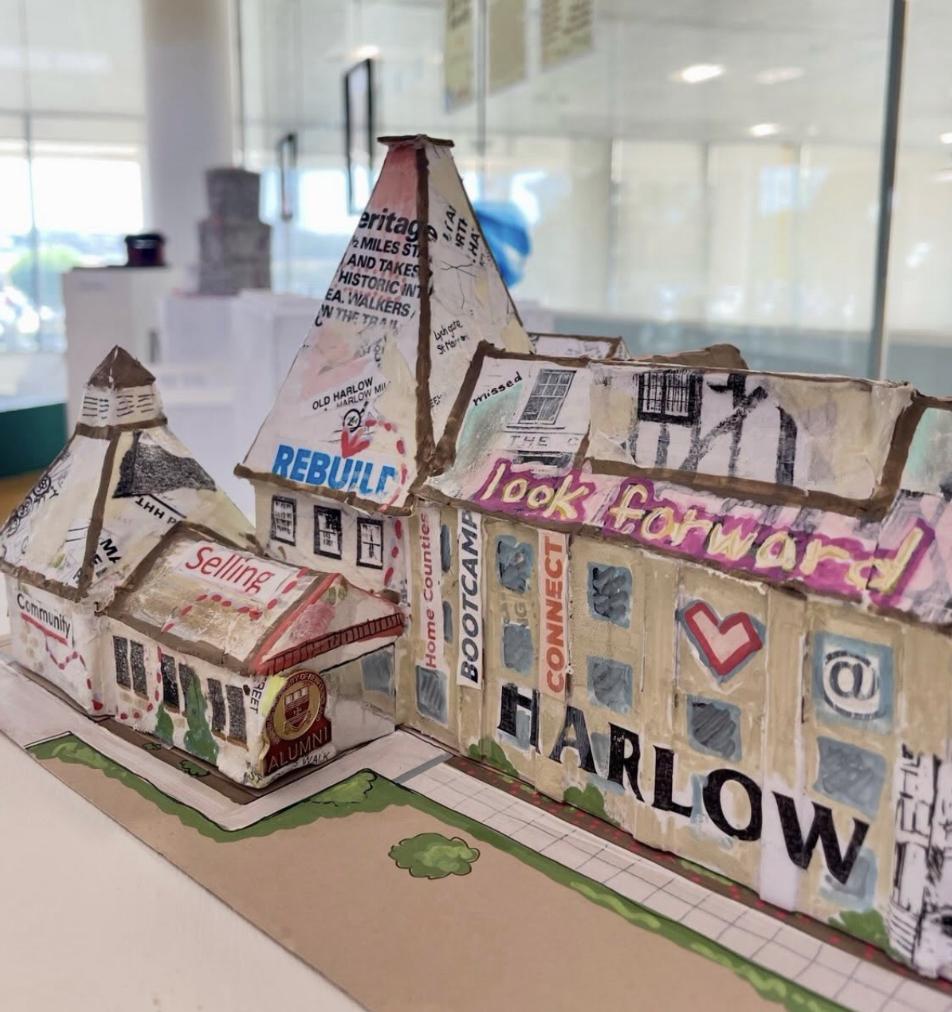
College of the North Atlantic Art & Design Essentials instructor Mia Penney did her first Harlow placement 17 years ago. This summer she returned with an alumni group to tour the campus one last time. “It was a very unique group of alumni from all different years,” she says. “So making all these new connections and being able to kind of hang out with this group of visual artists was incredibly special.”
Led by Curtis, Penney describes her first trip as influential to her life and career: a sort of art boot camp, getting to explore a foreign land’s art, architecture, and theatre, and visiting galleries from London to Cambridge and places in between. “Harlow is the anchor,” Penney says. “As an instructor, now I can see how valuable it is to give students an opportunity to see important works of art in person and explore England, fully immerse yourself in that history and art.
“One of my students actually got into Grenfell this year for the visual arts program and she had been talking so much about the Harlow trip,” she continues. “And when it hit that the campus probably will close she was absolutely devastated not to have that opportunity. And I think that kind of really brought it home for me of what is being lost.”
The final act
In his final act as unofficial Harlow ambassador, Curtis is preparing to return to Grenfell Campus in Corner Brook after taking alumni like Penney on what was likely the last ever tour of Memorial’s UK campus. They intended “to close the campus, effectively,” he says. The alumni returning for a second time “really wanted to come back and cram it in while they could.”
“I’m the last person standing here, going down with the ship in many ways. I have the last student group. I have the last alumni group. We’re closing up the facilities, effectively, unless we can save them.”
Curtis says he thinks future donors and philanthropists are paying close attention to Memorial’s handling of the situation, and that the university’s decisions could affect future gifts like Harlow or the GeoCentre.
“I tend to think that the ongoing failures of MUN as an institution are echoed in this,” he says. “It just strikes me as not being direct and honest with the people of the province in a way that they should be talking about Memorial. And it’s really just a warning to the people of the province that once these are gone, you are not getting it back.”

Author

Related Articles

May Day Rally Shows New Face of Today’s Labour Movement
Turnout for May 1 march and rally in St. John’s one of the biggest yet in this province

Recimply the Best: Pitch and Pick Competition Winner Aims to Reduce Paper Waste
Recimply won big at Genesis’ annual Pitch and Pick competition last week. The startup is solving the problem of non-recyclable paper receipts.

Coming Home Queer for the Very First Time
For three days in July, queer Newfoundlanders and Labradorians from all over the world celebrated a rural homecoming 30 years in the making.

As Innu exhibit opens in Labrador, Grand Chief says truth must come before reconciliation
Innu Nation Grand Chief Jodie Ashini says it’s disappointing to open the Innu Pakassiun exhibit without the provincial government’s participation, but Innu know their history and who they are

Liberals’ Bill C-39 a wake-up call for Canadians: Avi Lewis
‘Cracks starting to show in the Carney consensus,’ Lewis tells N.L. NDP convention in St. John’s
As NDP convention gets underway in St. John’s, will N.L.’s third party prioritize growing rural support?
Former party candidates say it’s a steep hill to climb, but there are ways