
Labrador woman calls for nursing reform following husband’s death
Susanna Rumbolt says her husband Tim, who was battling cancer, should not have died following appointments with an oncology nurse in St. Anthony
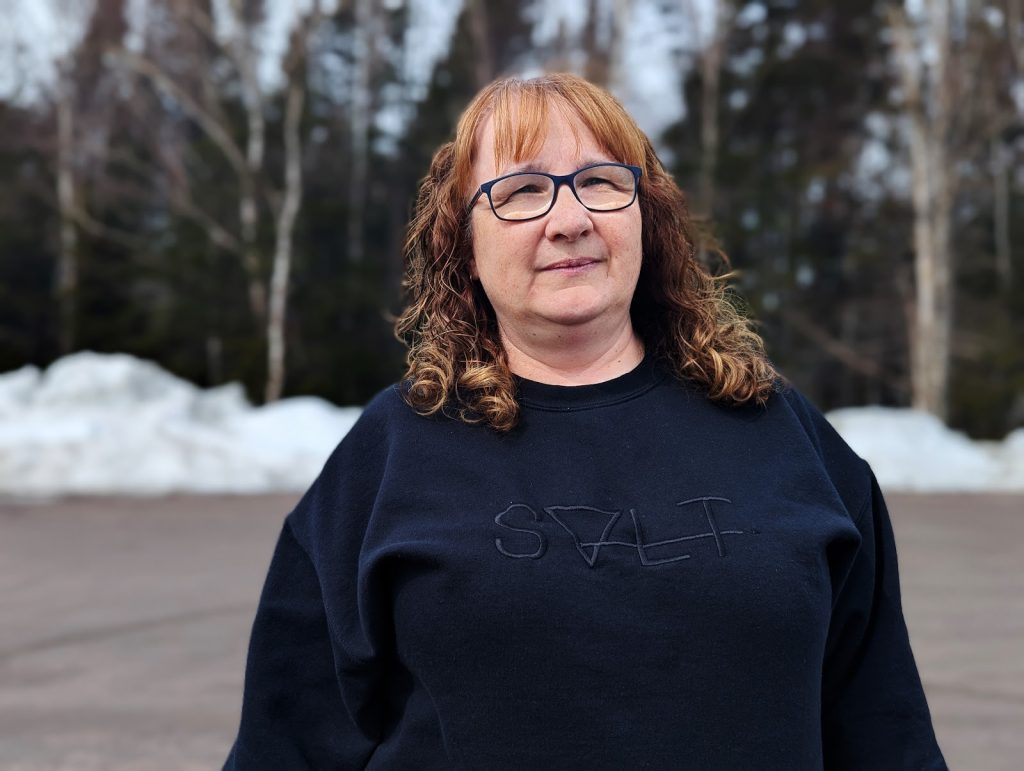
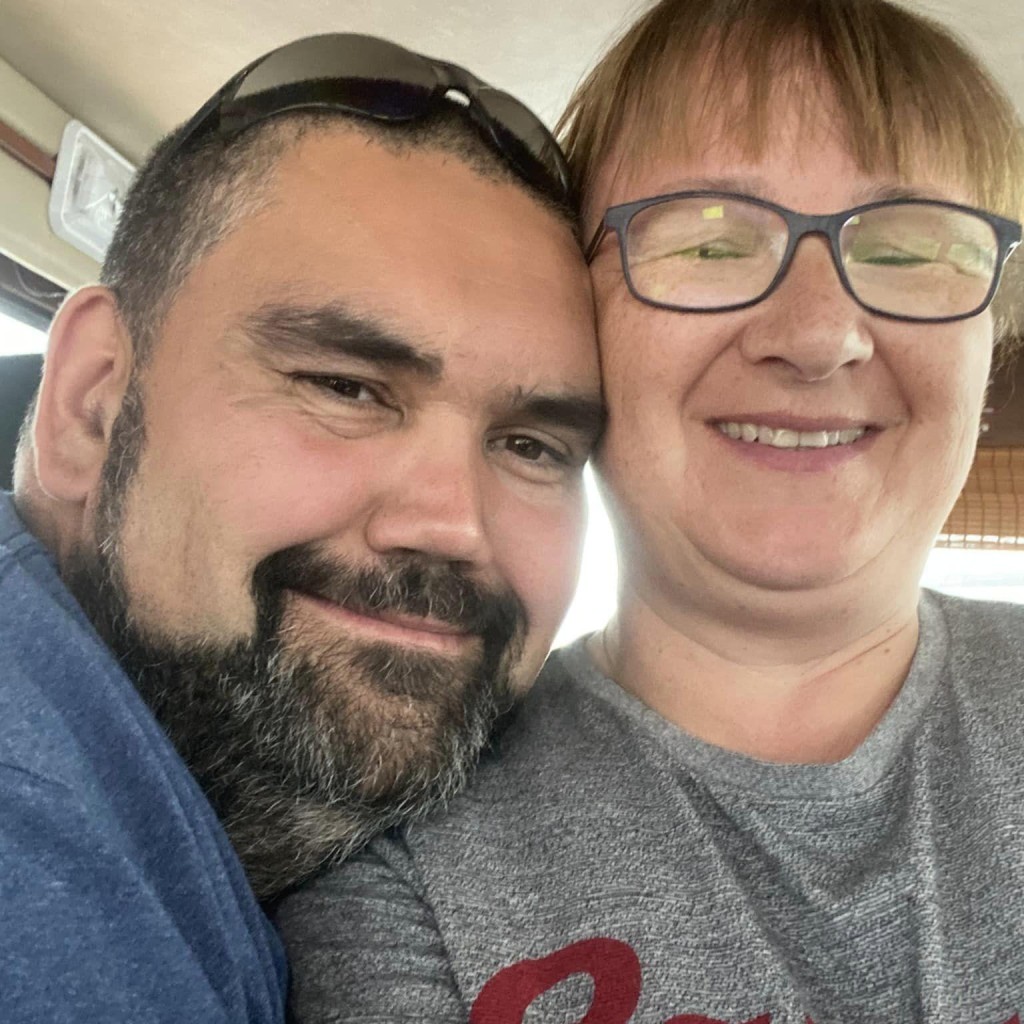
Susanna Rumbolt says her husband Tim should not have died while seeking cancer treatment in Newfoundland and Labrador’s healthcare system last year.
The Mary’s Harbour woman is calling for an apology, increased training for oncology nurses, and greater transparency for cancer patients after Tim Rumbolt died of a blood clot in March 2024.
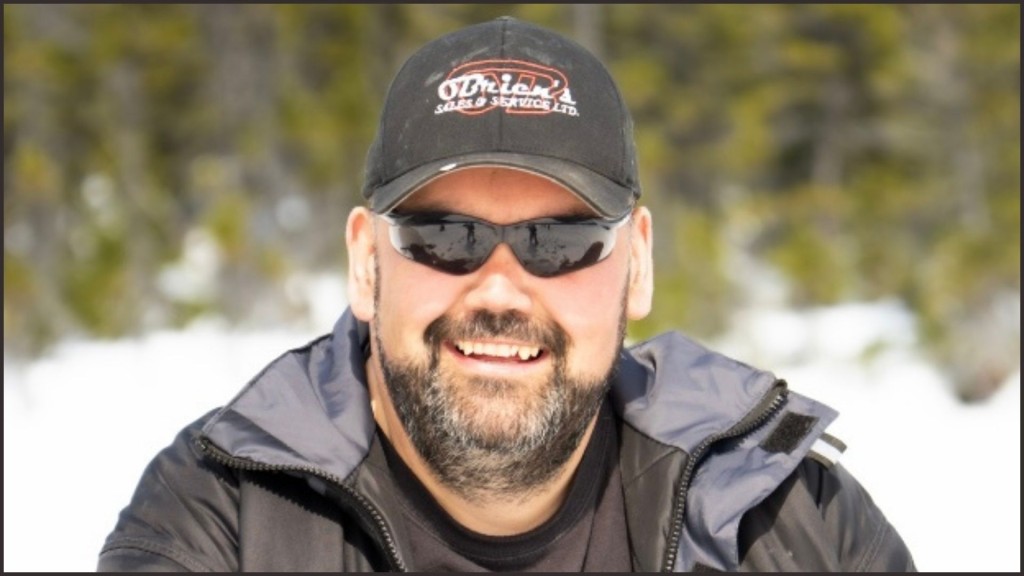
Susanna says Tim was a good man and a great father who changed her life for the better. The two married in 2014 and Susanna says Tim accepted her two adult children as his own. Tim was on the Mary’s Harbour town council, a member of the southern Labrador community’s volunteer fire department, a co-coordinator for the recently-formed Mary’s Harbour Ground Search and Rescue team. Susanna says he volunteered whenever someone in the community needed help.
In November 2023, at the age of 42, Tim was diagnosed with colon cancer. Weeks later he was prescribed 12 rounds of chemotherapy, which began in January 2024 at the Charles S. Curtis Memorial Hospital in St. Anthony, Susanna explains. After his sixth round of chemo, she recalls, Tim began to experience pain in his leg.
Will you stand with us?
Your support is essential to making journalism like this possible.
On March 18, 2024, Susanna and Tim told the cancer nurse who saw them that day they were “concerned about his leg pain” and “concerned about a blood clot,” Susanna recalls. Cancer nurses are registered nurses specializing in oncology and the main point of contact throughout a patient’s treatment, according to a provincial health authority website.
The couple also mentioned the leg pain to the doctor Tim saw that day in St. Anthony, Susanna recalls, explaining the doctor and nurse told the couple the pain could be due to low magnesium; however, tests showed Tim’s magnesium levels were fine.
No other tests were ordered at the time, she says, and 48 hours later Tim’s health had worsened to the point he couldn’t walk without pain. “I brought it up again on Wednesday, March 20, 2024, and I said, ‘Maid, you’re going to have to check his leg again,’” Susanna recalls. “‘You’re going to have to check his leg again for a blood clot because we’re really, really worried. He’s gotten a lot worse. He can’t walk,” she says.
“And we were dismissed.”
Susanna says she and Tim were told by the nurse that day there was no doctor available and that Tim’s leg pain could be due to varicose veins, not a blood clot. She says the nurse advised them to buy Tim a pair of compression socks, which they did before returning home to Labrador.
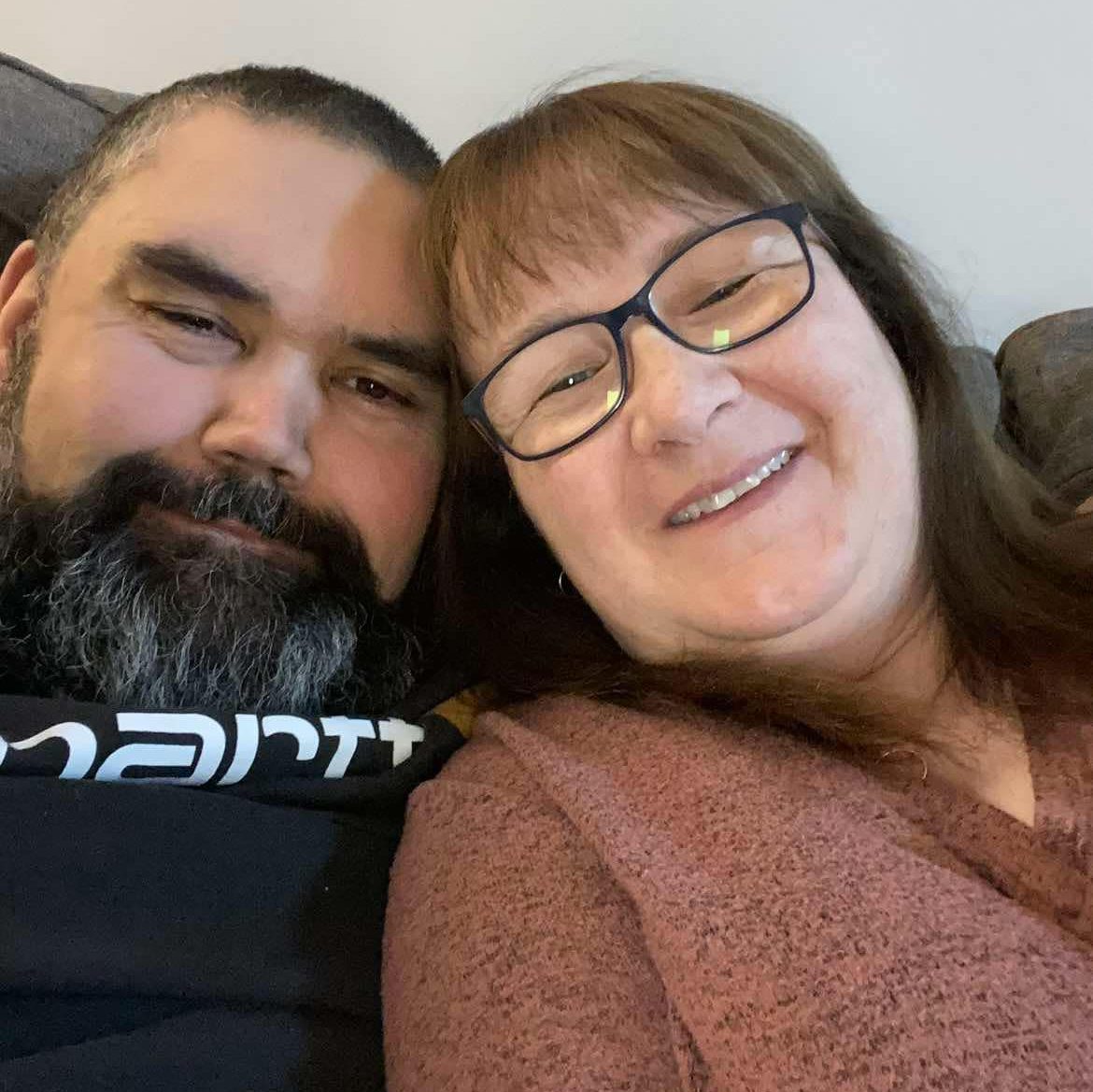
Around 9 a.m. on March 23, 2024—three days after the March 20 appointment in St. Anthony—Susanna noticed Tim sitting in his armchair. Shortly after, she brought her husband breakfast. Then, around 9:50 a.m., she heard a loud thump. Tim had collapsed out of his chair and was lying on the floor. Within moments he was unconscious, Susanna recalls, so she began performing CPR.
In the panic, and while performing CPR, Susanna says she was desperately trying to call for help. She couldn’t remember the number to the local clinic so she called Tim’s brother, who arrived at the house and called 911 while Susanna continued CPR on her unresponsive husband. Eventually a nurse from the local clinic arrived and continued CPR until an ambulance arrived and transported Tim to the Mary’s Harbour’s clinic. After 10 injections of epinephrine in an attempt to restart his heart, at around 1:35 p.m., Susanna says she asked the paramedics and nurse to stop. The 42-year-old father was dead.
Medical notes omit key details
According to Tim’s medical records, which have been reviewed by The Independent, a medical note from the March 18 appointment says Tim was concerned about a “left leg spasm […] which based on pt [patient] improved when starting chemotherapy.”
The medical note from Tim’s March 20 appointment two days later does not mention Tim’s legs at all.
Susanna was shocked to learn the medical notes from the two appointments weren’t accurate, and that the March 20 note doesn’t mention their concern of a potential blood clot. She says Tim specifically complained about “leg pain” during both appointments.
“To my knowledge they are legally required to document patient care,” Susanna says, referring to the nurse who saw Tim during his appointments. “She did not do this.”
Tim’s autopsy report from the province’s Chief Medical Examiner, also reviewed by The Independent, says he likely died of a “massive pulmonary embolism secondary to deep venuous thrombosis.” In other words, Tim developed a blood clot in his lower body which then travelled upward to his lungs and became stuck in the main pulmonary artery.
Blood clots are the second-highest cause of death for cancer patients, after the cancer itself, according to The Canadian Cancer Survivor Network, which says about 20-25 per cent of cancer patients are diagnosed with blood clots at some point during their treatment.
“What if they’d listened and they’d actually discovered the blood clot on that Wednesday, or even the Monday? Tim might still be here, and I might not have to be going through everything I’m going through,” Susanna says.
“They didn’t listen. It should never have happened.”
‘I feel responsible for Tim’s death’: nurse
On April 8, barely more than two weeks after Tim’s death, the oncology nurse texted Susanna with what the widow believes is an admission of guilt: “I want to call you, tried several times but couldn’t do it,” the text says. “I feel responsible for Tim’s death.”
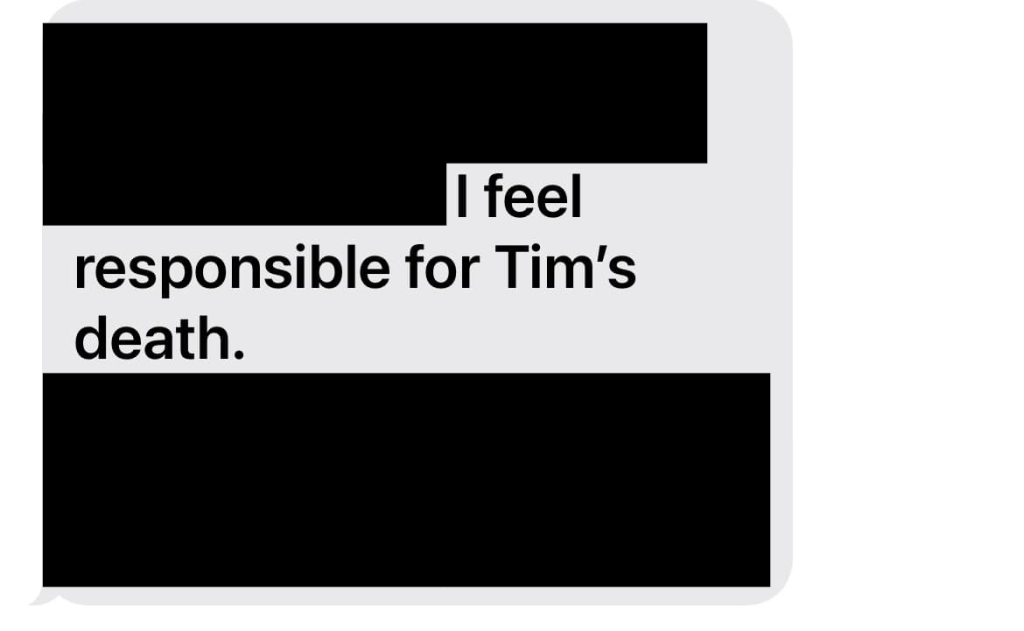
Susanna says she never replied to the text. She was grieving and in the process of filling out paperwork related to her husband’s death. Then, a few weeks later, she says the nurse called her and claimed Tim “downplayed his pain.”
She believes the nurse dismissing their concerns over Tim’s pain, not documenting complaints of pain in the medical notes, and admitting she felt responsible for Tim’s death, are evidence of the need for sweeping changes to how oncology nurses provide care, and to the protocols surrounding cancer patients who complain of leg pain.
She is hopeful that by sharing her experience, NL Health Services will introduce new protocols and further training for oncology nurses so that no other patients experience what Tim did.
The Independent contacted the nurse responsible for Tim’s care; she declined to be interviewed. We are not naming her at Susanna’s request because Susanna believes the issue is systemic and not isolated to her husband’s case.
Newfoundland and Labrador Health Services (NLHS) is unable to discuss specific cases but said it offers sincere condolences to Tim’s family and loved ones. In a statement, NLHS said it is committed to “upholding professional standards and ensuring the highest quality of care for all patients.”
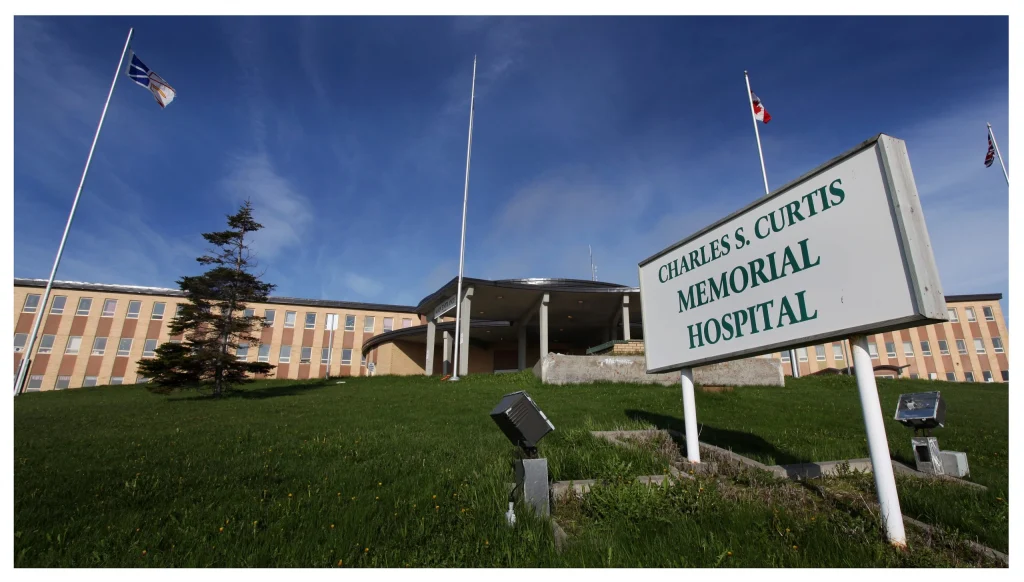
The health authority explained specialized registered nurses “play a critical role in the clinical team, [but] it is not within their scope of practice to diagnose or order diagnostic tests unless they have received additional training to become a nurse practitioner or RN prescriber. Without that additional training, all diagnoses, orders for diagnostic tests, and treatment are directed by a physician or nurse practitioner,” the statement says. “RNs are responsible for using their knowledge and skills to assess patients and using their clinical judgment to determine findings which is then communicated to physicians or nurse practitioners.”
Asked about the lack of medical notes following an appointment, NLHS said registered nurses are required to follow the documentation standards set out by the College of Registered Nurses of Newfoundland Labrador. Those regulations say documentation is “an integral part of nursing practice and occurs following the provision of care. Care is not complete until documentation is complete.” The college also says nurses “are responsible and accountable for documenting the care they provided.”
College of Registered Nurses dismisses complaint
Months after Tim’s death, Susanna filed a complaint with the College of Registered Nurses of Newfoundland and Labrador (CRNNL). She explained her version of events.
The college’s Complaints Authorization Committee interviewed the nurse in question and dismissed Susanna’s complaint. The decision report returned to Susanna, and reviewed by The Independent, says the nurse in question told the college she had advised Tim and Susanna on March 20, 2024 to go to the emergency room for his leg pain.
It’s a claim Susanna vehemently denies. “ Tim was never, ever advised—[during] any of his treatments—to ever go to the emergency department,” she says. “Tim was on 100 per cent chemo [and] was very susceptible to infection. Why in the hell would he go to emergency? Every doctor, every nurse, every bloodwork, everything that ever happened for Tim for his chemo happened in the chemo room in St. Anthony. He was never put in a different room unless there was a CT scan, and that was it. There was never ever a time that they ever advised us to go to the emergency department with him, ever.”
Susanna’s interpretation of the college’s review of her complaint is that “there wasn’t enough evidence to confirm what I had alleged,” she says.
In its written decision, the college did not address the omissions in the medical notes from Tim’s appointments—including details about Tim’s leg pain, Tim and Susanna’s concerns it may be a blood clot, and whether Tim was advised to seek emergency care—which would have cleared up the conflicting accounts of what actually happened.
The college did reprimand the nurse for texting Susanna, however, and instructed her to review appropriate training materials related to communications and documentation.
The CRNNL follows complaint procedures laid out in provincial legislation, said Brenda Carroll, the college’s director of professional conduct review.
Carroll said complainants are free to share documents related to their complaints, but the college is unable to speak to specific cases. She also said the college doesn’t favour one side or another in complaints, and that its role is to protect the public.
When someone files a complaint, the college works to understand what the nurse either did or failed to do, then the complaint is formally submitted to the college’s registrar. Sometimes nurses take full responsibility for an allegation and work to remedy the situation with the college’s complaints authorization committee.
Other times, if there are conflicting accounts and a complaint is within the college’s scope, it proceeds to the committee, Carroll explained. “That committee cannot pick and choose between this story or that story, weigh one person against the other, assess credibility, give weight to evidence. They have to look at all of the information on the table and say, ‘If all of this were true, would this amount to conduct deserving of sanction?’ And then they’ll make a determination.”
Provincial legislation says the committee can conduct an investigation itself or appoint a third-party investigator, conduct a practice review into the nurse’s practice or appoint a person to conduct a review, or refer the allegation to the college’s quality assurance committee. Carroll said the committee’s investigations can be done either through an adjudication tribunal—like an administration hearing—or through a full investigation or hearing.
“The committee makes a decision based on the information that is before them, keeping in mind the best interest of the public and the protection of the public—that’s the mandate,” she added.
If a complainant is unhappy with the committee’s findings, they can appeal the decision to the Supreme Court of Newfoundland and Labrador, Carroll explained.
Susanna sought legal advice at the time. She decided she didn’t have adequate grounds to appeal since the medical notes from Tim’s appointments did not contain Tim’s complaints of leg pain or the nurse’s alleged referral to emergency.
She says despite the dismissal, there need to be changes so no one else dies a preventable death. She wants to see further training for oncology nurses, and new protocols for when cancer patients complain about pain in their legs or potential blood clots. She would also like an apology from the health authority for how Tim’s care was handled.
“Tim deserves this. He deserves accountability. I deserve the accountability, I deserve the apology. I mean, I’m the one that got to wake up every morning without my husband,” she says. “And if someone else’s life gets saved because of Tim’s situation and in his name, well then that to me, is success. Because it should never have happened.”

Author

Related Articles

Accounting watchdog to investigate Deloitte over fake citations in $1.6M healthcare report
Chartered Professional Accountants N.L. is leading the investigation after Deloitte admitted AI was involved

PC’s minimum wage increase ‘far from a living wage,’ says NDP leader
NDP Leader Jim Dinn is calling on the PCs to legislate wage increases

Changing Trails: Nunatsiavummiut losing traditional routes as climate change wreaks havoc in Labrador
Open brooks and thin ice are putting Inuit lives at risk