
New play portrays barriers facing N.L. women in politics
Women won the right to vote a century ago but are still underrepresented in public office. St. John’s playwright Ruth Lawrence’s play tackles that head on.
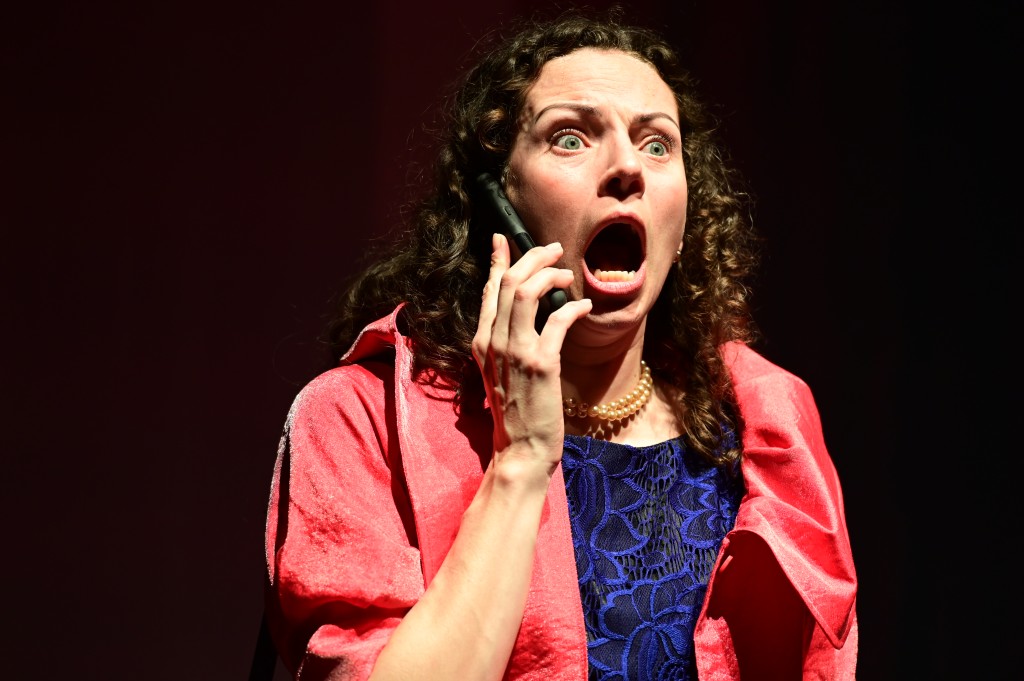
Beyond the campaign trails, podiums, and other public-facing aspects of running for political office, If She Runs depicts the lived experiences of two women who grapple with the desire, and barriers, to enter the world of electoral politics in Newfoundland and Labrador.
Playwright Ruth Lawrence wanted to “pull back the veil” on what it really means to run in an election here, the celebrated actor and director recently told The Independent during one of the play’s dress rehearsals.
She said PerSIStence Theatre asked her to write a play inspired by the 100th anniversary of women’s right to vote, and that she knew of folks who were either running for public office, or considering it, often unaware of everything the election process entails.
“I love an election. I always have,” Lawrence said. “Some of my earliest memories are watching leadership conventions on TV.” So she jumped at the opportunity to write the play.
Will you stand with us?
Your support is essential to making journalism like this possible.
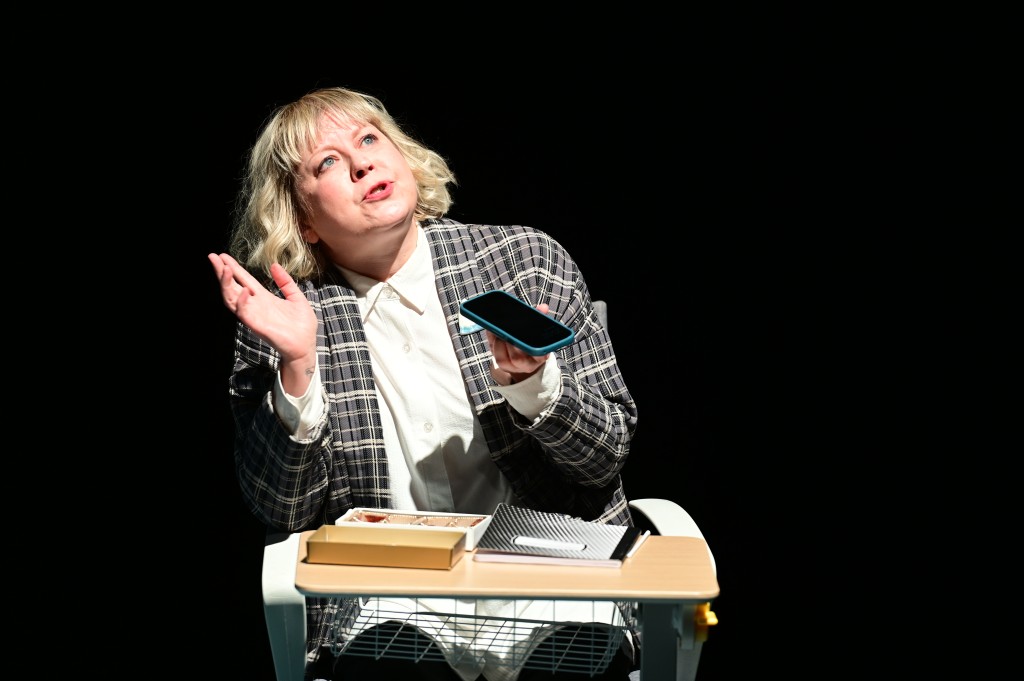
If She Runs follows the journeys of two women, Viola and Dawn, who decide to enter politics. Each of the play’s three acts highlights a different stage of their journeys: the nomination process, the election campaign, and two years’ serving in office.
But Viola and Dawn aren’t monochromatic characters. “I set them up on purpose to have quite different backgrounds, very different support systems, different careers, so all of that is different,” Lawrence explains, adding the women’s journeys unfold in parallel to one another. “I didn’t want to tell the story of two women fighting against each other,” she said.
Allison Moira Kelly, this show’s director, said If She Runs deliberately counters the belief that women must compete with one another other. Kelly said there’s an underlying assumption that space for women in politics is limited, “so they’ve got to kneecap eacho ther for the one seat at the table.”
Instead, Kelly thinks it’s more interesting to explore the pressures and conflicts around them.

Lawrence agrees. She said that during interviews with local women politicians—while researching for the play—she was glad to hear women found ways to support each other.
She said some of her interviewees described how women politicians would gather in bathrooms, leaving behind formalities and party allegiances to simply talk with and support one another, asking questions like, “How can I help you with that? Is there something I can do?” Lawrence recalled.
Two-ness, carpets and columns
Kelly explained she represented the story’s “two-ness” by giving the two women different parts of the stage, each highlighted by lights, then creating moments where they converge. “I really wanted the stage to feel equal parts one and equal parts the other,” she explained. “I wanted them to feel like they both had a place on the stage.”
The director was inspired by the carpets in the House of Assembly. “I find there’s something so interesting about a play about running [in politics, and] we can’t hear anyone coming. I just think it’s so cool,” she said, explaining the carpets used in the play “dampens foot sounds.”
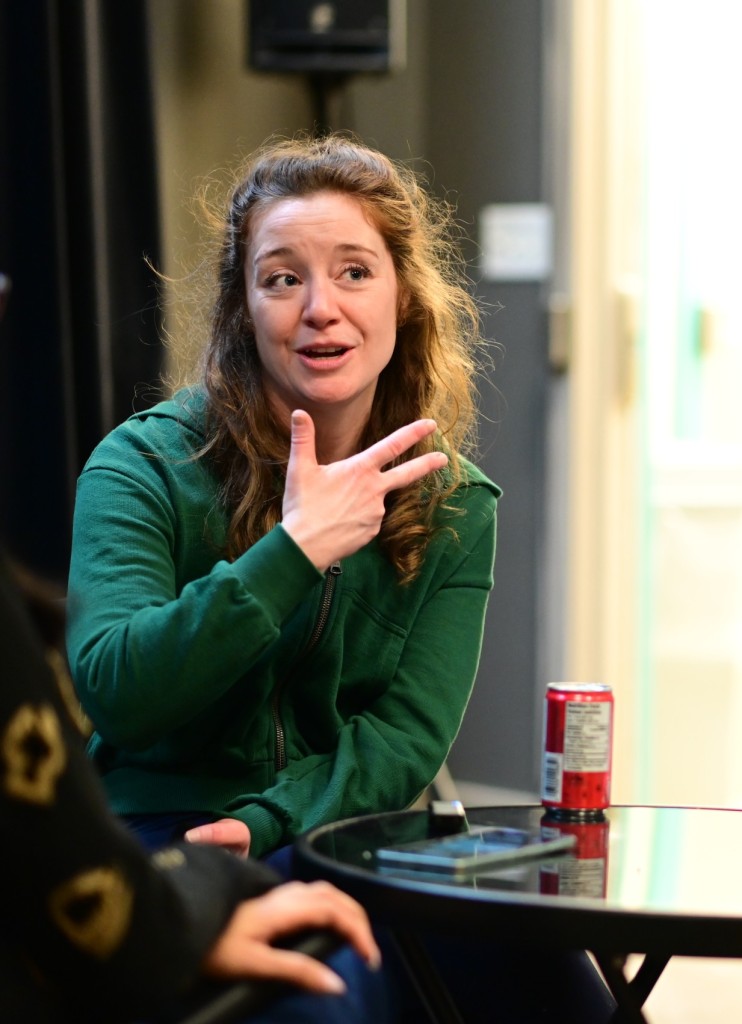
Kelly says she wanted an element in the set that conveyed a sense of oppression for the women, drawing inspiration from the columns in the House of Assembly. So the play’s set designer, Diana Daley, created drop sheets which are integrated into both the world of the play and its storytelling.
In 1925, women in the Dominion of Newfoundland gained the right to vote. A century later, the province’s big political parties fail to achieve gender parity, Lawrence said. Although many strong women have served in provincial politics over the years, she finds it shocking that more women are not leading parties and securing elected office.
In the 2025 provincial election, 10 women and gender diverse people were elected to the House of Assembly, just one more than in the 2021 election. At the same time, the NDP became the first party in provincial history to surpass gender parity in the election campaign when it ran 21 women and gender-diverse candidates.
Deepesh Paudel, who plays multiple roles in the play, came to St. John’s from Nepal to pursue a post-doctorate. While working on the play, he says he’s learned a lot about provincial and federal politics. If She Runs has helped him understand “the challenges that [women] go through while running for politics.”
Thursday’s opening only affirmed the importance of tackling the important political issue through theatre. “I could see them laugh and applaud,” Paudel told the Independent following the performance. He hopes the play’s audiences leave with a deeper understanding of how challenging it is for women to run in politics.
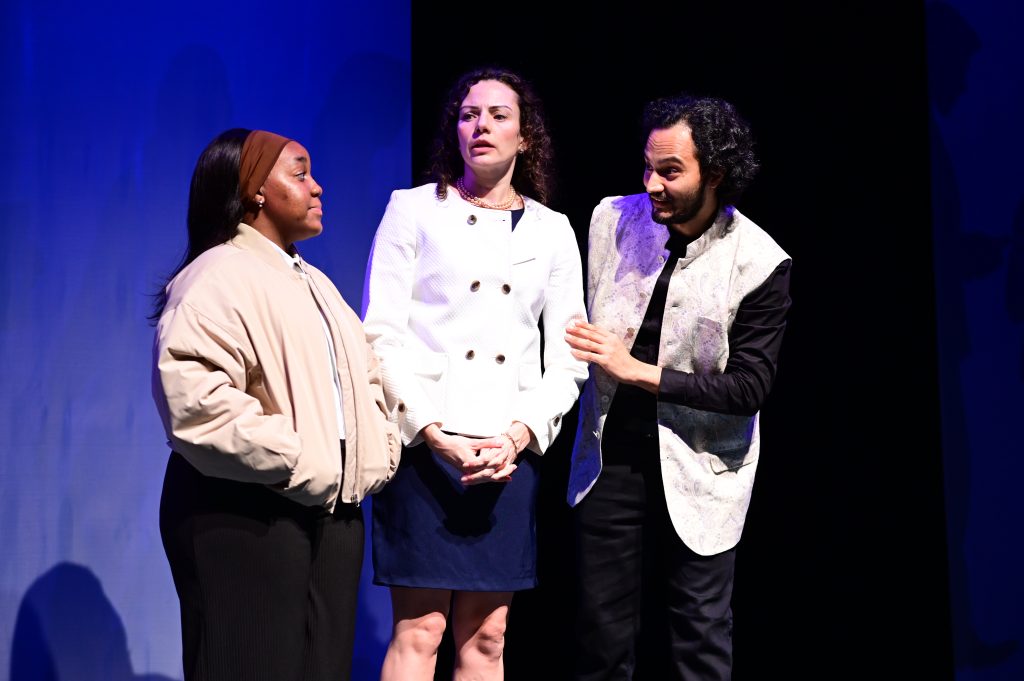
“Not only in terms of the bigger systemic hurdles, but also the everyday nuances—things that are posted online, and how people in their own fraternity, especially men, look at them.”
If She Runs wraps Sunday with its final performance at the LSPU Hall.

Author

Related Articles

Accounting watchdog to investigate Deloitte over fake citations in $1.6M healthcare report
Chartered Professional Accountants N.L. is leading the investigation after Deloitte admitted AI was involved

PC’s minimum wage increase ‘far from a living wage,’ says NDP leader
NDP Leader Jim Dinn is calling on the PCs to legislate wage increases

Changing Trails: Nunatsiavummiut losing traditional routes as climate change wreaks havoc in Labrador
Open brooks and thin ice are putting Inuit lives at risk