
PC’s minimum wage increase ‘far from a living wage,’ says NDP leader
NDP Leader Jim Dinn is calling on the PCs to legislate wage increases
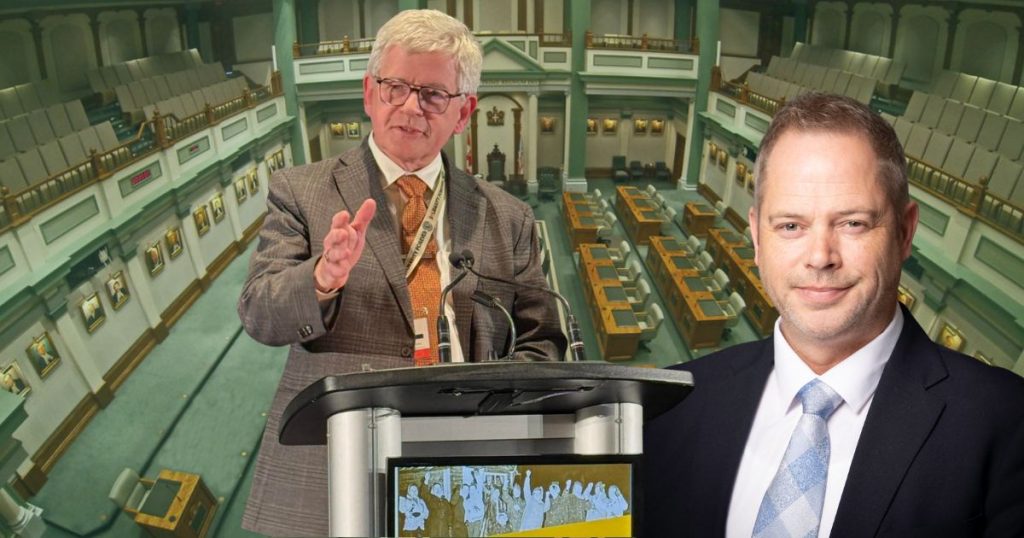
The provincial government’s regulated 35-cent increase to Newfoundland and Labrador’s minimum wage—bringing it to $16.35 an hour—falls far short from the living wage workers need to support themselves and their families amid a cost-of-living crisis, says the province’s NDP leader.
On Feb. 26, Labour Minister Mike Goosney, announced the province’s new minimum wage would take effect April 1, in accordance with Newfoundland and Labrador’s Labour Standards Regulations. “Affordability is a key pillar of the Provincial Government’s platform,” the PCs said in a news release. “This adjustment reflects an ongoing commitment to help workers and businesses manage rising costs.”
But NDP Leader Jim Dinn says the increase doesn’t do enough to help low-income earners and their families, and that the province must commit to “putting [workers] on a path to a living wage.” Dinn, who represents the district of St. John’s Centre, also said the NDP would like the PCs to legislate wage increases “to ensure accountability and transparency regardless of what government is in power.”
The province’s Labour Standards Regulations require the government to adjust the minimum wage on April 1 of each year, based on Canada’s Consumer Price Index. For years, economists and advocates have argued for a living wage — the hourly wage necessary for a worker “to earn to cover their basic expenses and participate in their community,” according to Living Wage Canada.
Will you stand with us?
Your support is essential to making journalism like this possible.
In Newfoundland and Labrador, a living wage ranged from $24.40 (Central Newfoundland) to $28.30 (Northern Peninsula and Labrador), according to a 2025 report from the Canadian Centre for Policy Alternatives (CCPA). Published in August 2025, the CCPA’s Living Wages report says achieving a living wage “can come from increased wages, public programs that reduce the cost of living, or a combination of the two.”
The Centre also noted that the 2025 living wage didn’t grow “as quickly as it could have due to some relief from inflation and the impact of federal government policies targeted at helping lower-income households.” It also noted that the living wage in the Labrador and Northern Peninsula region, the wage, “already high, has grown considerably again this year.”
In its 2026 budget submission, the Newfoundland and Labrador Federation of Labour said while the regulated annual minimum wage increases “represent acknowledgement that wages must rise, they fall dramatically short of what workers actually need to survive.”
Responding to last week’s minimum wage announcement, the NLFL said “tying annual adjustments solely to the Consumer Price Index is fundamentally inadequate because it means that the minimum wage will never close the gap with a true living wage.” The Federation also said higher minimum wage “represents one of the most powerful tools to address unaffordable work. It puts money directly into workers’ pockets through regular paycheques, respecting their dignity by ensuring labour is fairly compensated.
“The longer government delays meaningful action, the more difficult closing the gap becomes.”

Author

Related Articles
Memorial University student union walks back plan to close radio station amid backlash
‘I wish CHMR the best,’ Memorial University Students’ Union executive says ahead of vote to defund the campus radio station

INTERVIEW: Avi Lewis says N.L. is ‘ground zero’ for the biggest challenges facing Canadians
The federal NDP candidate says socialism and economic populism are the antidote to unfettered capitalism and the ‘epic market failures’ it has brought
What a Newfoundland community can learn from B.C.’s first major LNG facility
As talk about developing an LNG export project in Newfoundland and Labrador continues, residents have questions — and the answers might be on the other side of the country