
Photos returned to Innu ahead of Labrador exhibit showcasing history, culture
Cultural Guardian Jodie Ashini hopes the archival photographs will help strengthen youth’s connection to Innu culture, and ultimately improve mental health
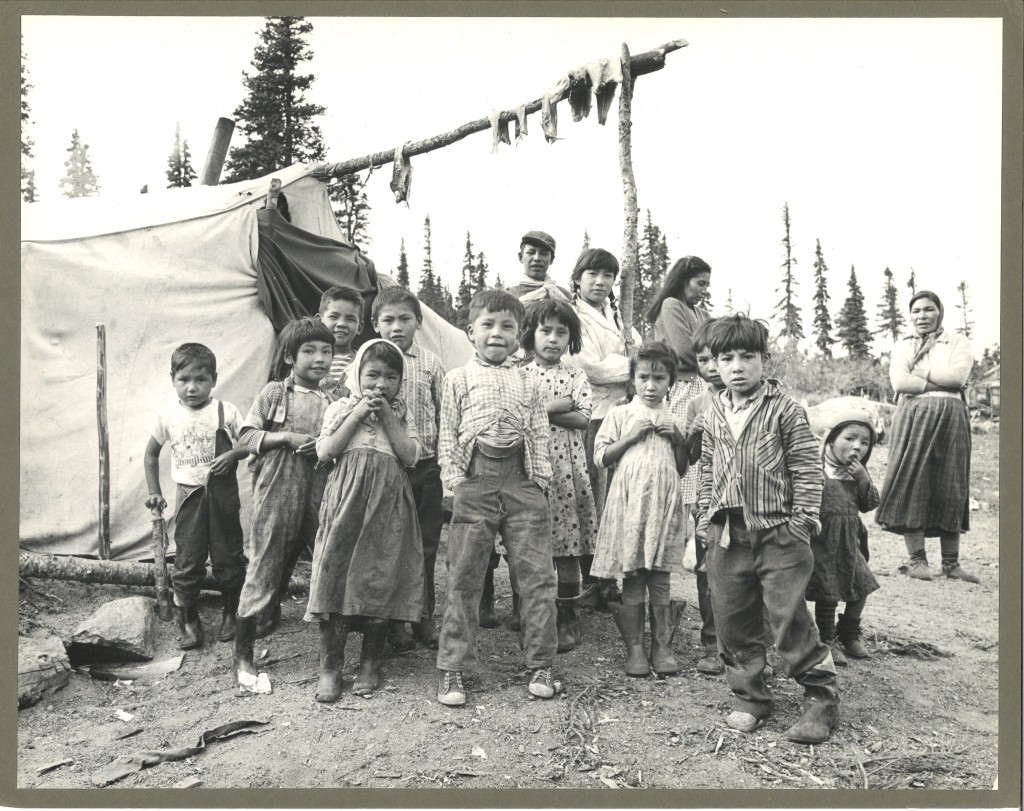
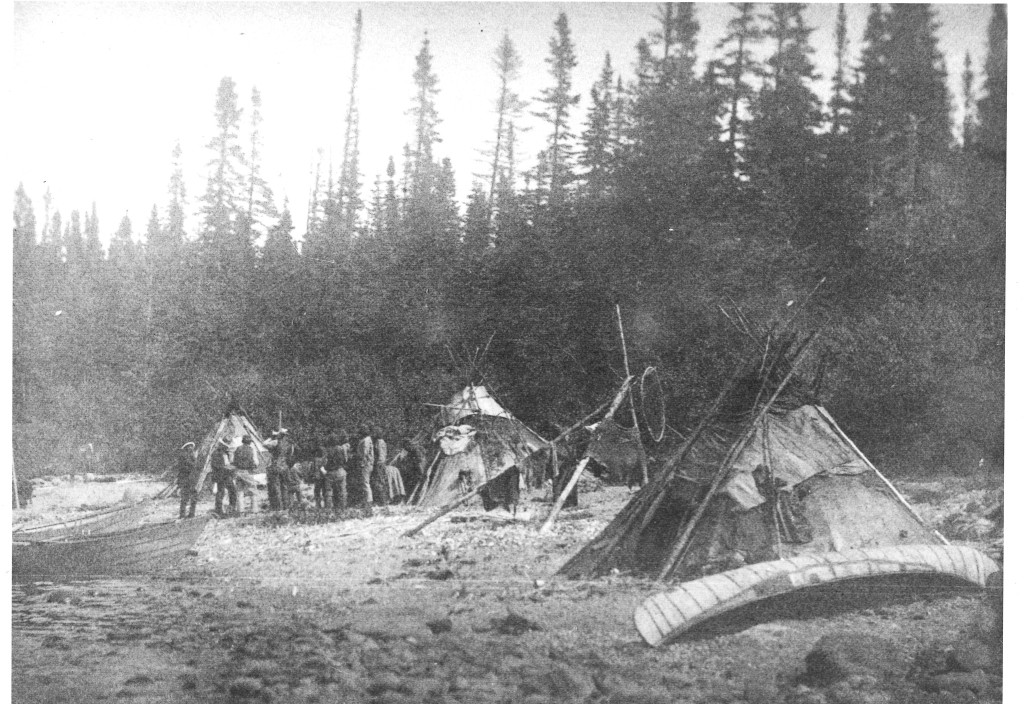
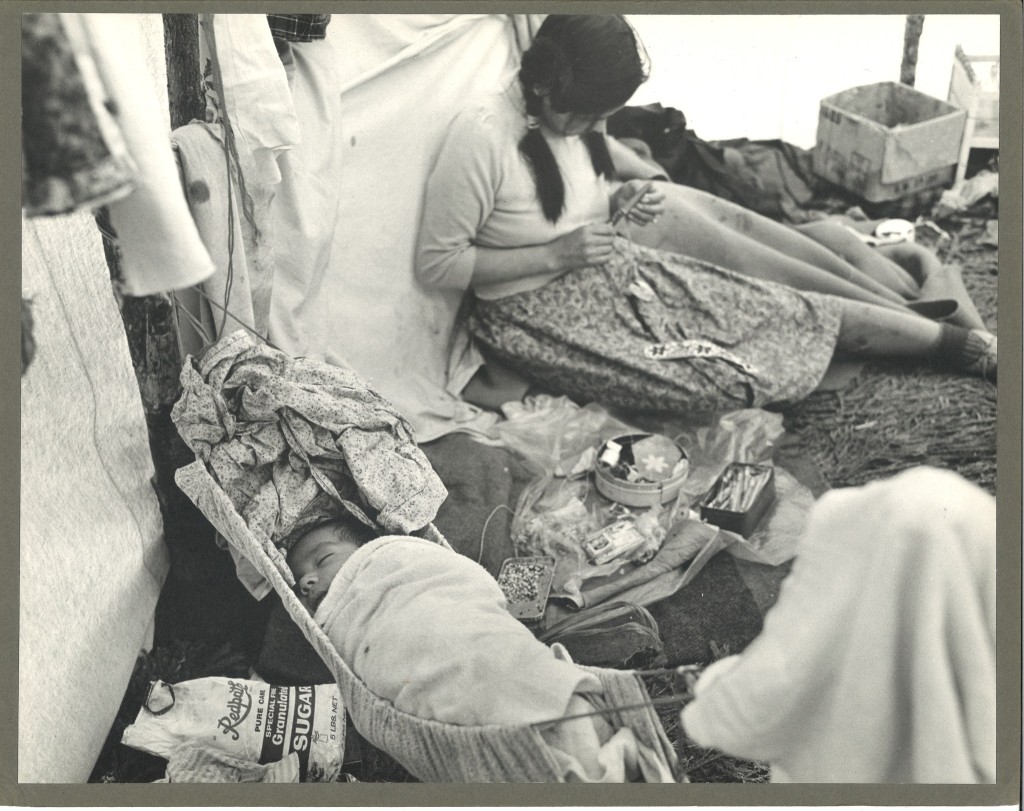
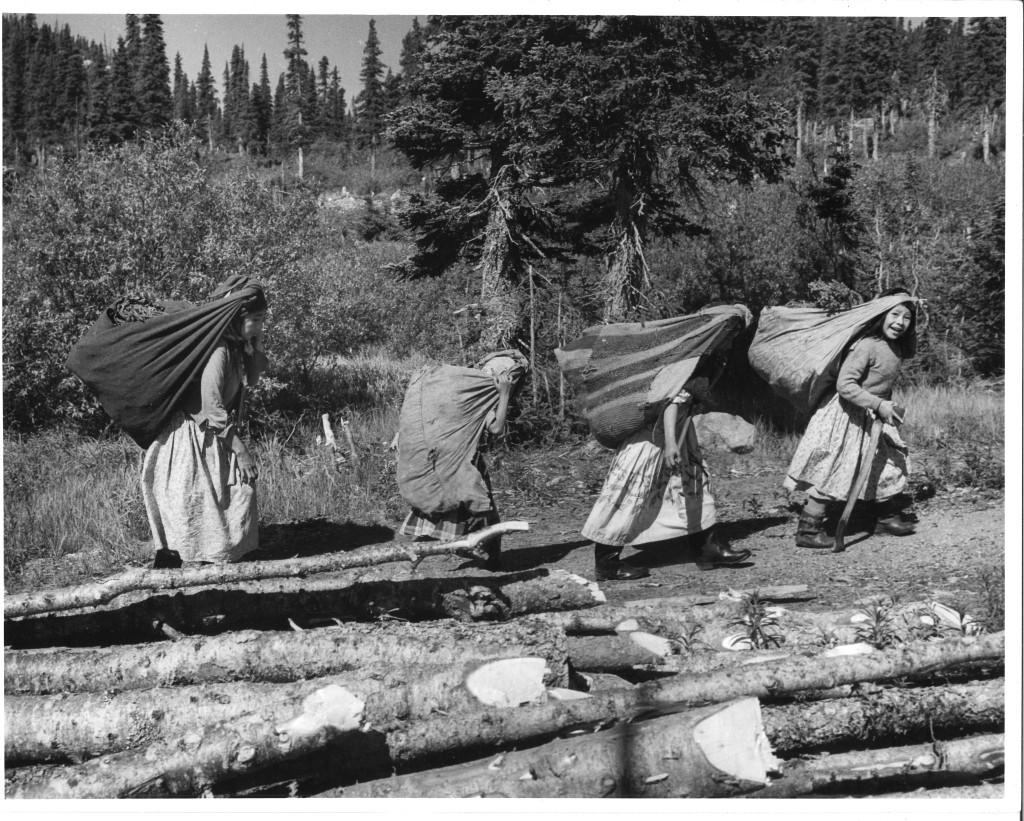
Boxes of archival photographs depicting Innu life in the early-to-mid 20th century have been returned to Labrador.
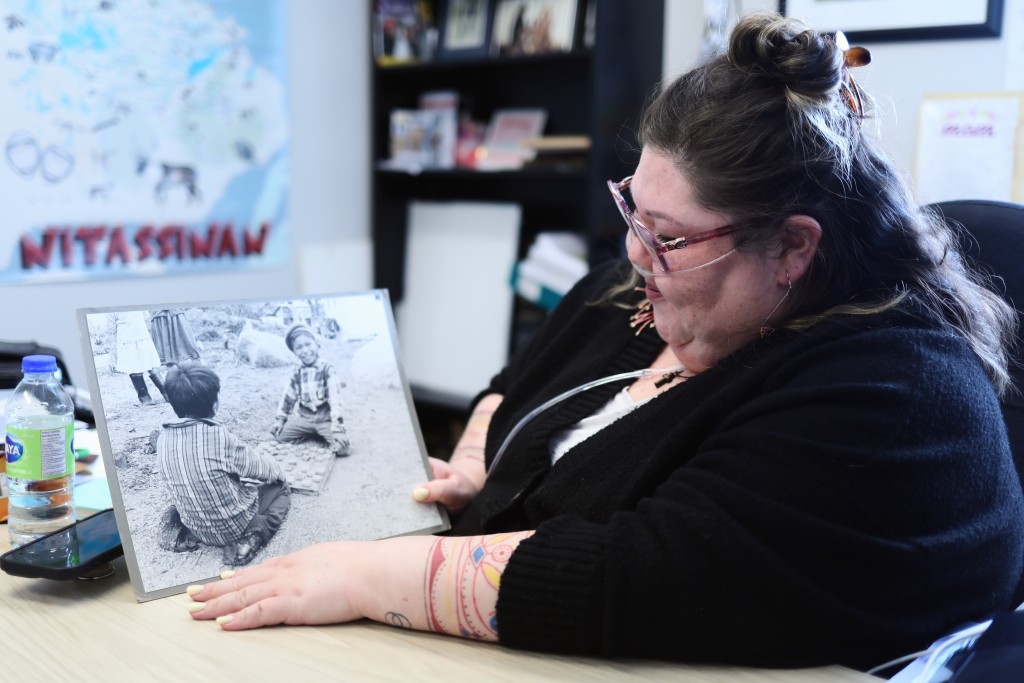
For almost a decade, Innu Nation Cultural Guardian Jodie Ashini has been working to repatriate cultural artifacts to the Innu communities of Sheshatshiu and Natuashish, continuing cultural preservation work led by her late father and former Innu leader, Daniel Ashini.
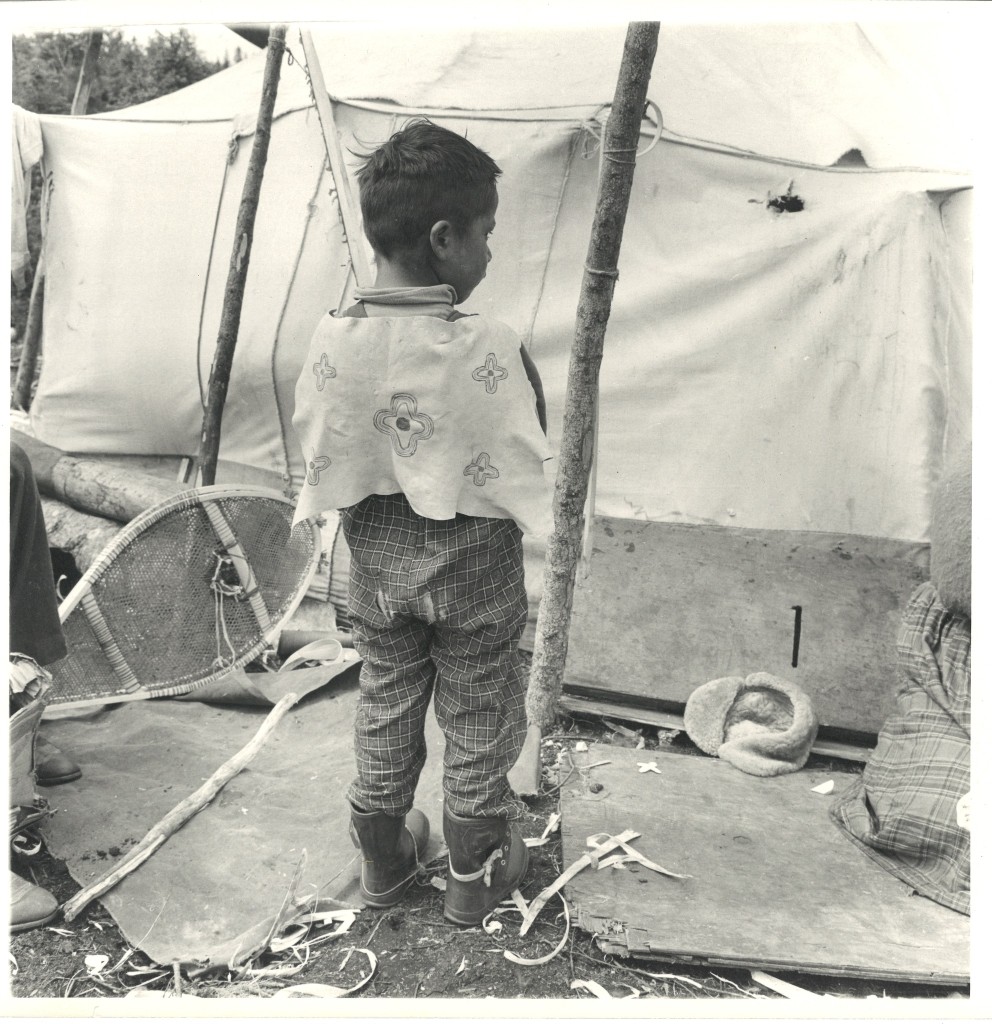
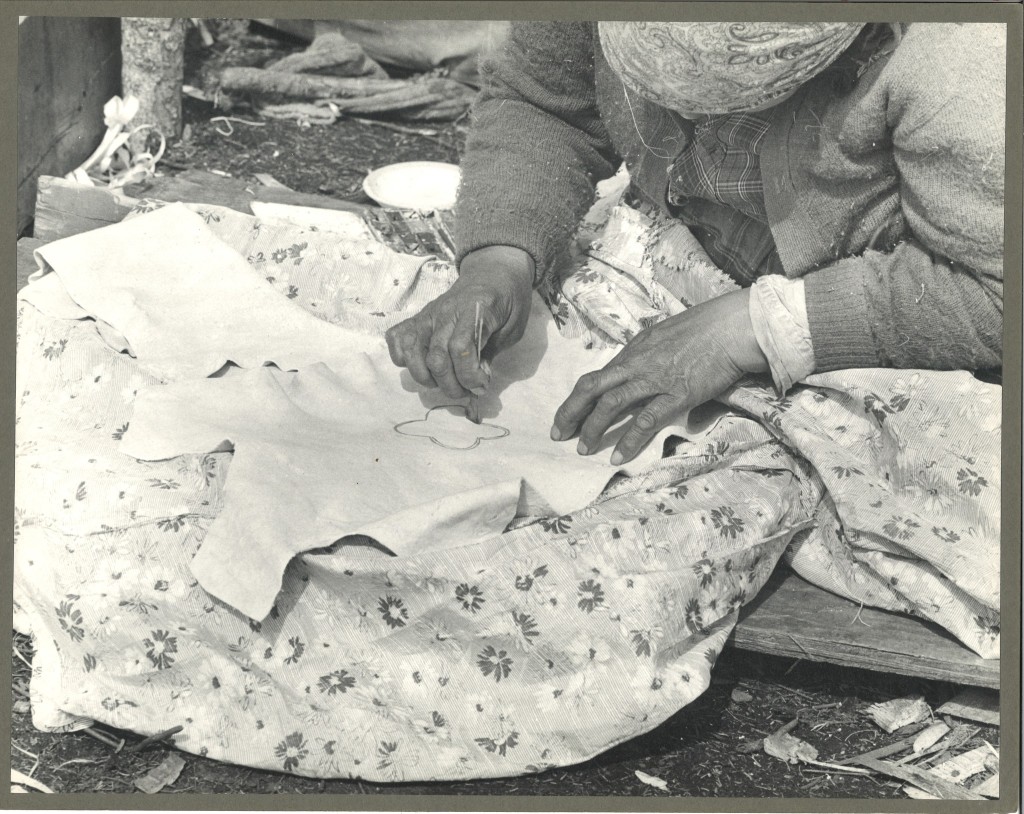
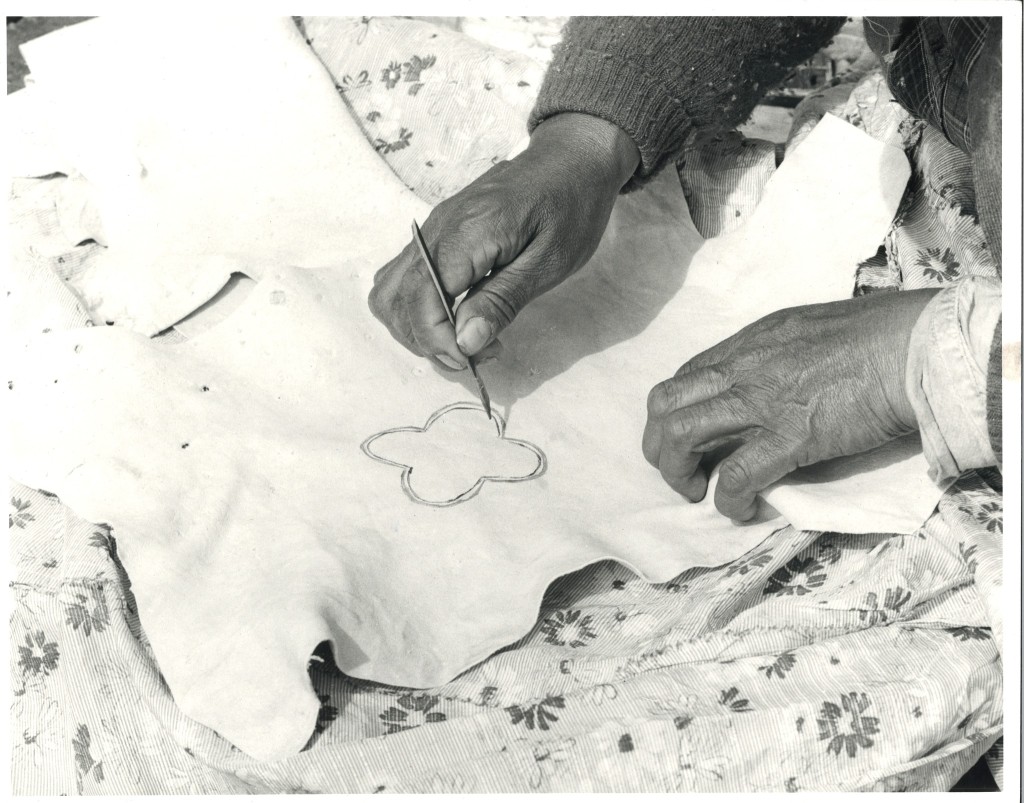
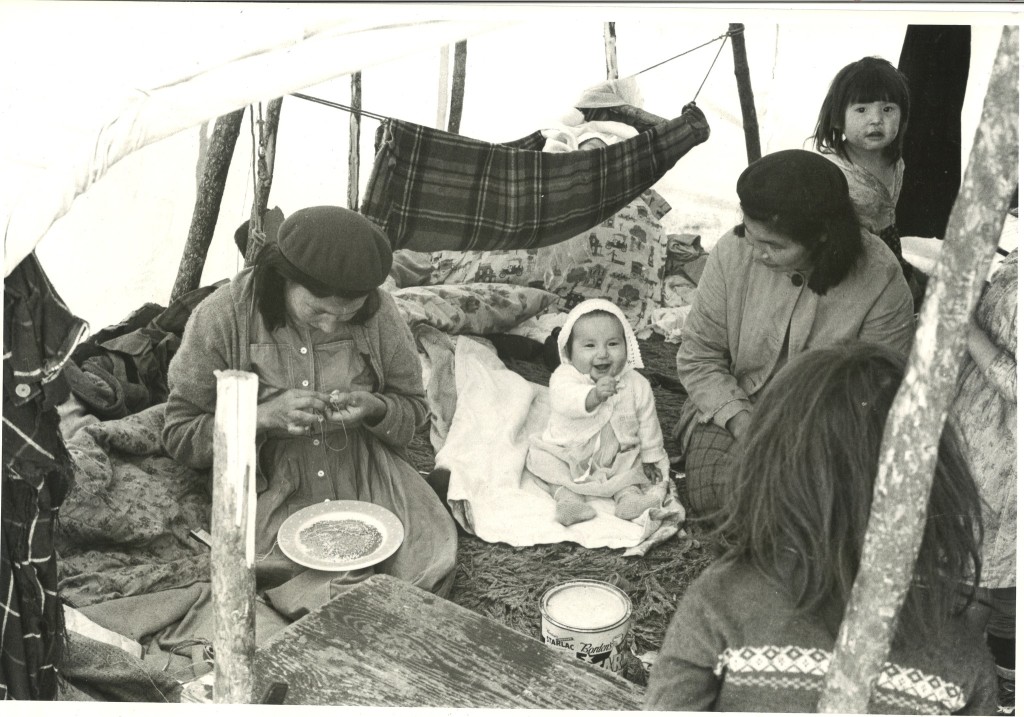
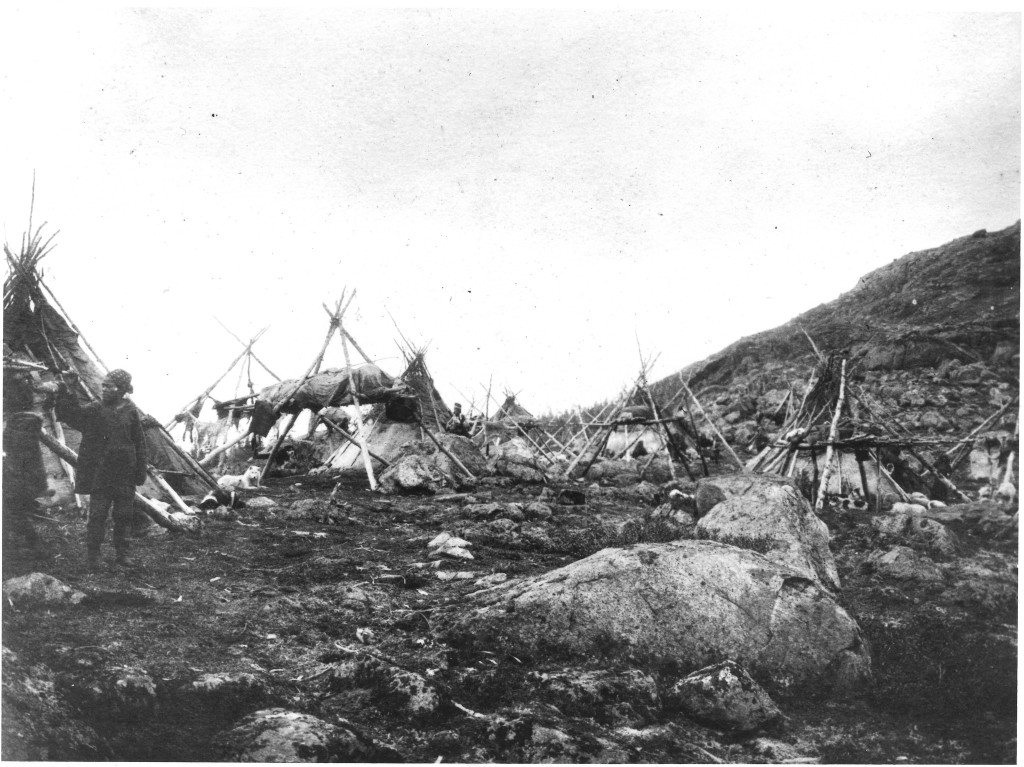
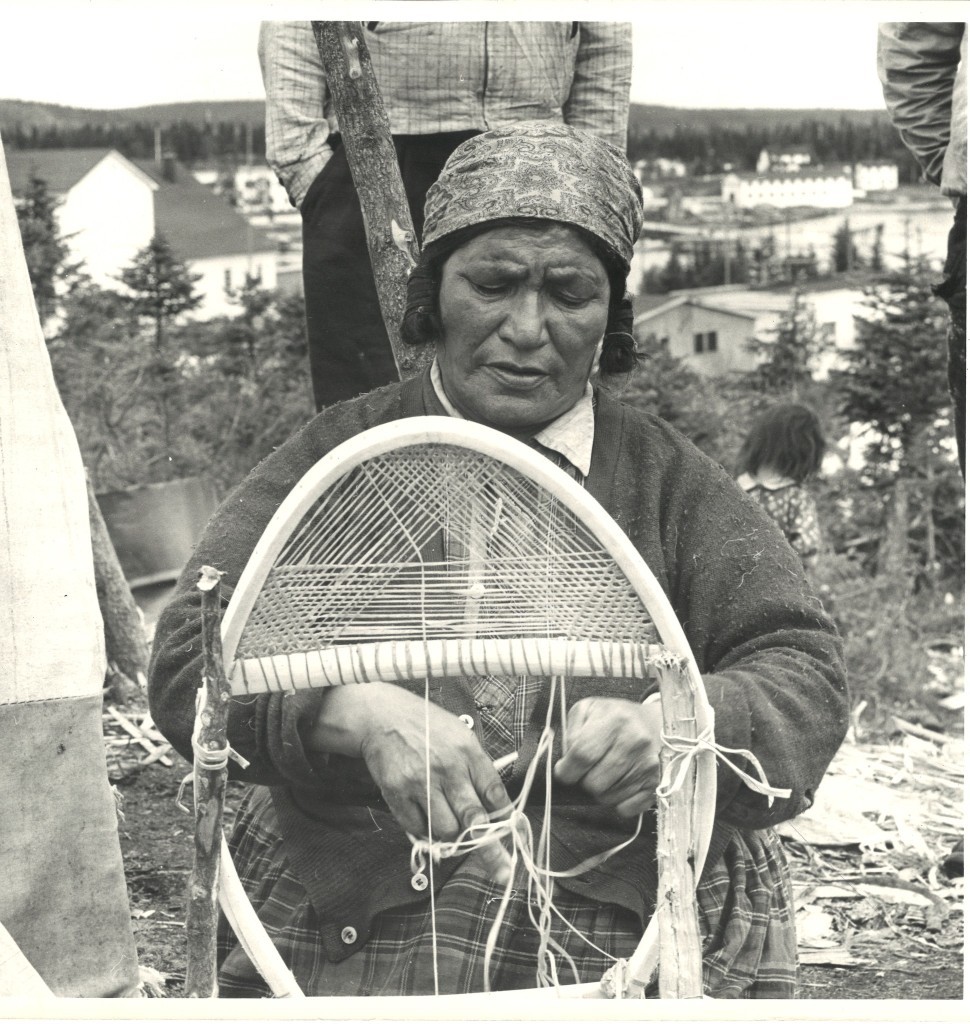
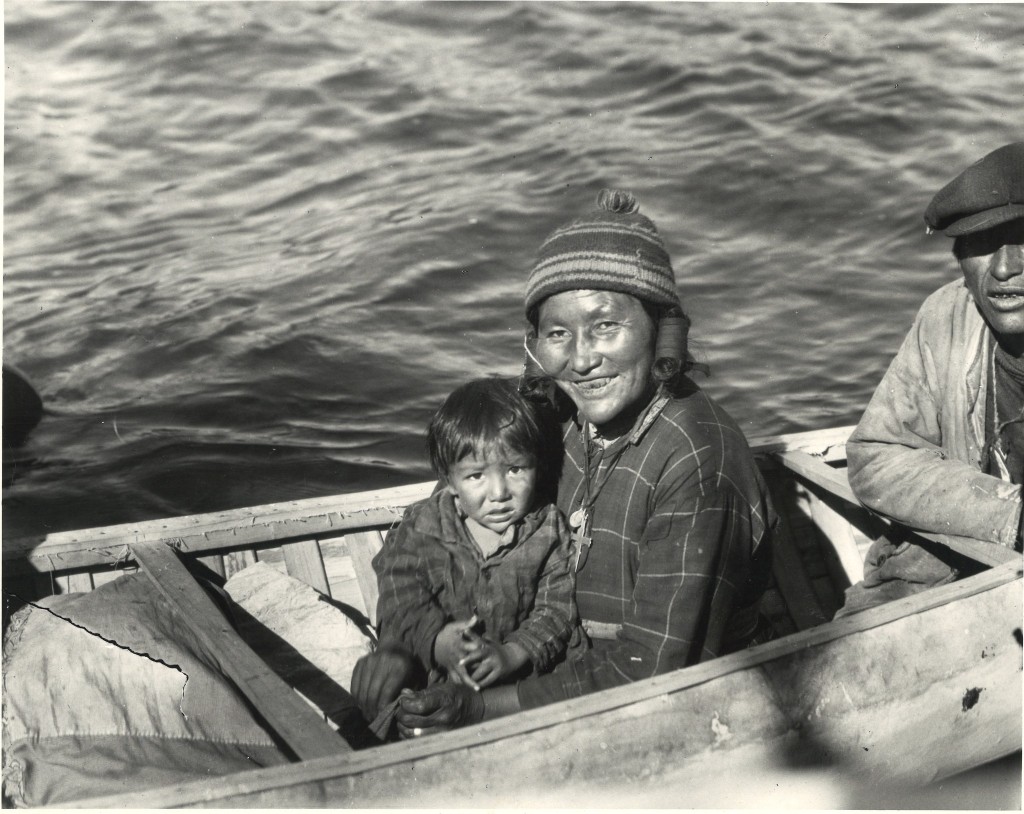
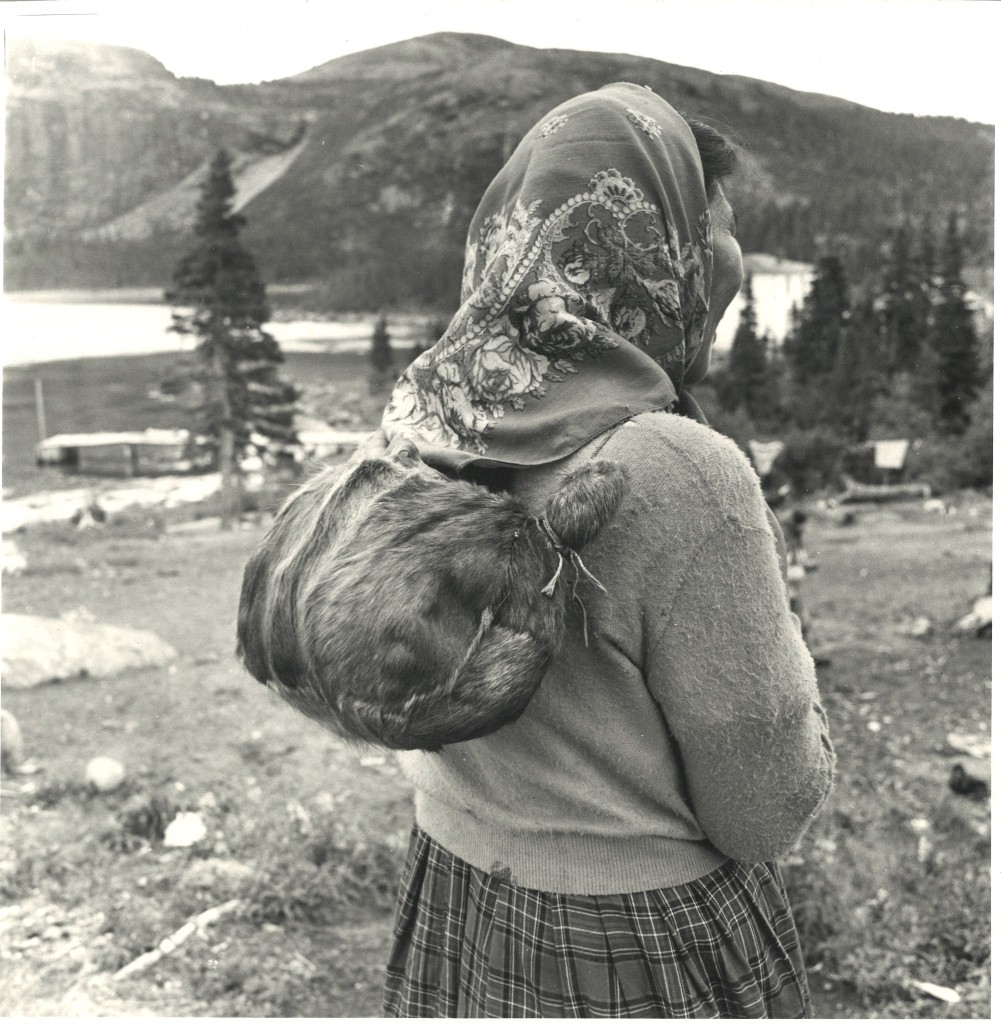
Jodie says the Innu have now received more than 300 photographs that were housed in museums and private collections. The latest came from the Royal Ontario Museum in Toronto, which received more than 100 photos from the family of late anthropologist Ray Webber, who studied the Innu from 1902 until the 1960s. “To have these pictures, it is pretty valuable for telling our Innu story to the youth and letting them really understand what life was like before communities.”
Will you stand with us?
Your support is essential to making journalism like this possible.
The photographs represent Innu life and struggles in the years leading up to their coerced settlement into communities. But the pictures show something more than challenges, Ashini points out.
“There was life. There was so much to a campsite,” she says. “You can read it in those pictures – there was no animosity. It was love. It was happiness. They were thriving.” She says the clothes Innu are wearing in the photos may appear torn or dirty by today’s standards, “That didn’t matter [to them]. They were thriving,” she explains. “In their minds, they had it easy compared to what we have now.”
To be used in exhibit
Ashini and other Innu are preparing to showcase the photos in an exhibit that she says will take back the narrative surrounding Innu history and culture, while hopefully connecting youth to their past. “It’s really powerful to be able to put that story together, to protect that story and preserve it,” Ashini says.
“Everyone gets an idea of who the Innu people are because of these puzzle pieces finally coming together after years and years and years of being away from home,” Ashini said.
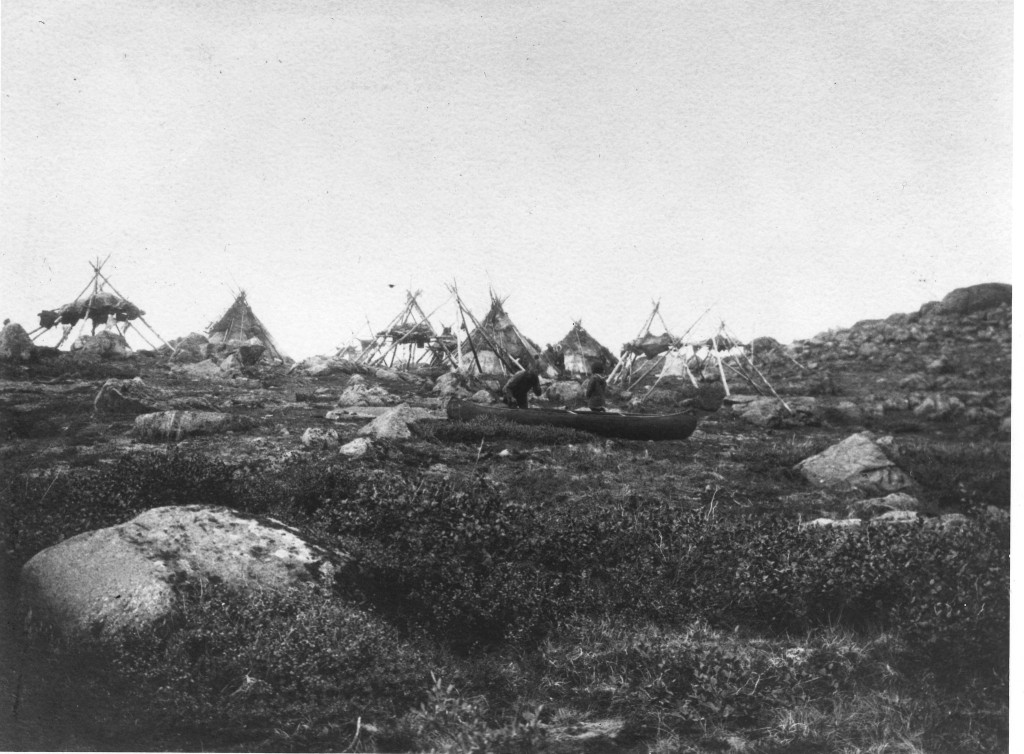
Prior to the 1950s the Innu were self-sufficient nomadic hunters, living between camps on the Quebec–Labrador Peninsula, an 800,000 square kilometre territory called Nitassinan, meaning “our homeland” in Innu-aimun.
Mushuau Innu, who now live in Natuashish, were forcibly relocated by church and government officials in 1948 to the coastal community of Nutak. A year later they returned to their territory and the hunting life. In 1967, the federal and provincial governments relocated them again, this time to Davis Inlet, where Innu were given poorly insulated homes with plumbing infrastructure but no running water. In 2002, they were relocated to Natuashish, a place of their choice. The Sheshatshiu Innu were settled in the 1960s, when provincial government policies criminalized Innu hunting and mandated children’s enrolment in non-Innu schools.
Younger generations in Sheshatshiu and Natuashish have been disconnected from their culture and history, leading to a number of social problems in both communities, Ashini said. Both communities have struggled with mental health, addiction and have had some of the highest suicide rates in the world.
Reconnecting the youth to their past through these photographs and artifacts could help, Ashini says.
“I just really want to always point out that this is for them to understand and get that grasp and sense and pride of who they are,” she explains. “There’s so much more than what people just see in the media or what people see or read in a book. There’s so much more to our story. And I think it’s so important for youth to understand that.”
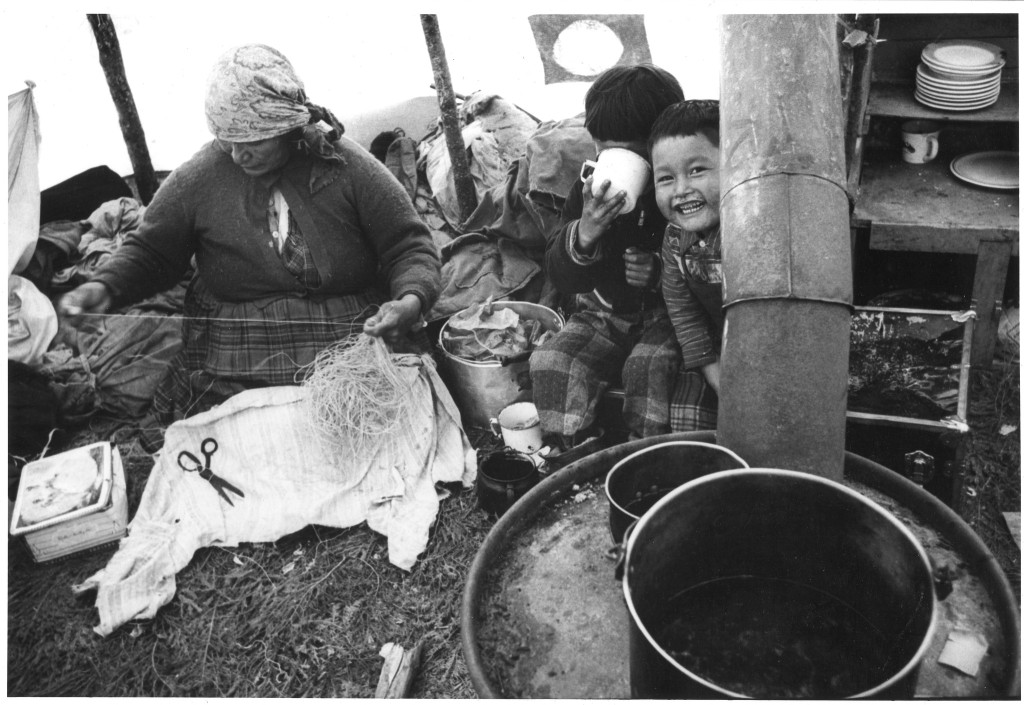
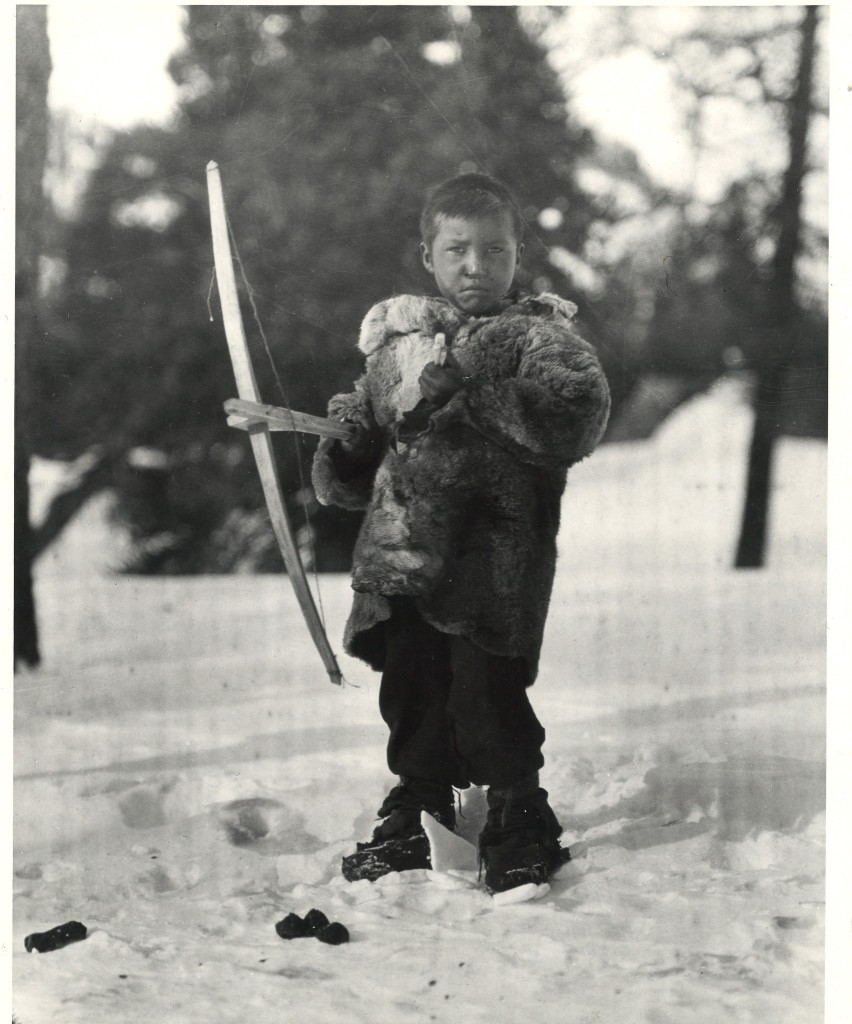
“We walked thousands of kilometers in a year to survive. And I think for them, getting that in perspective and really understanding our true history and story and past, it’s going to really impact them,” she contines. “It gives that sense of pride back of who we are, not a reason to fight, to continue fighting for what they believe in.”
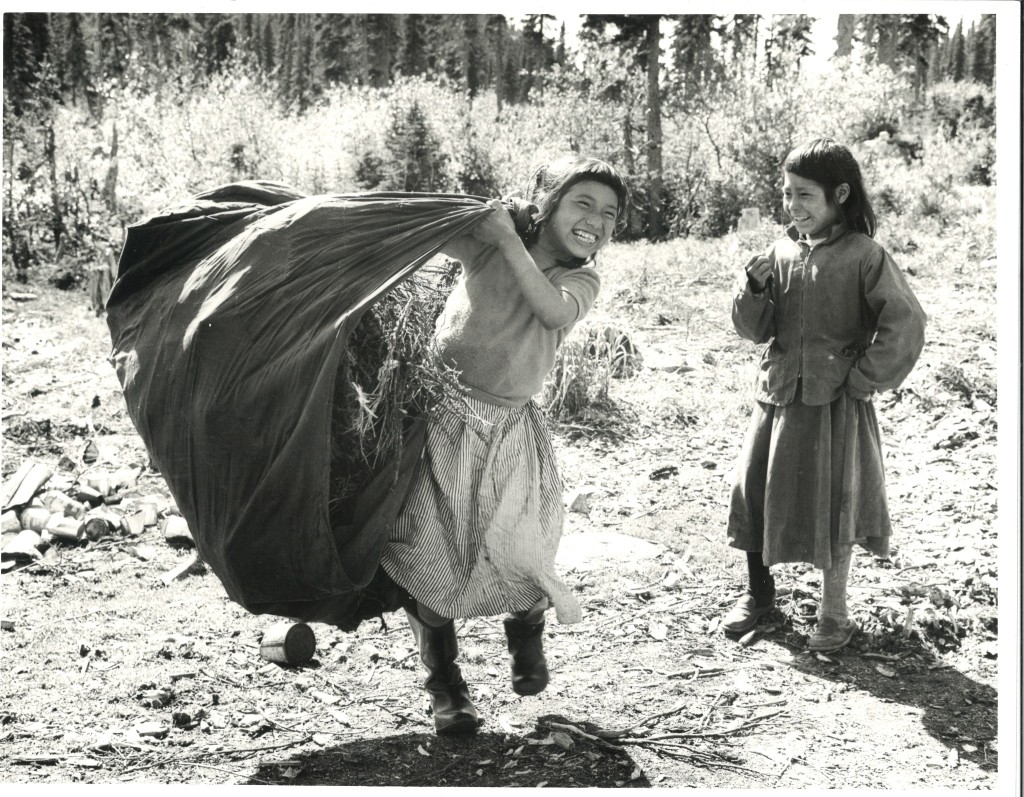
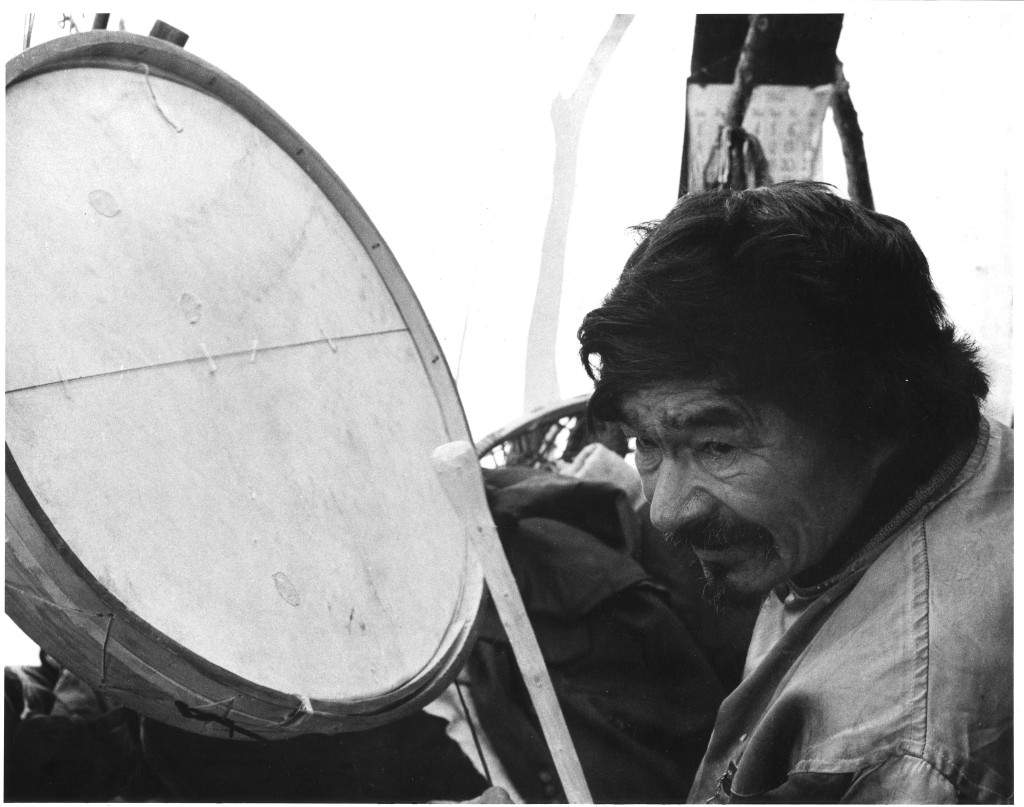
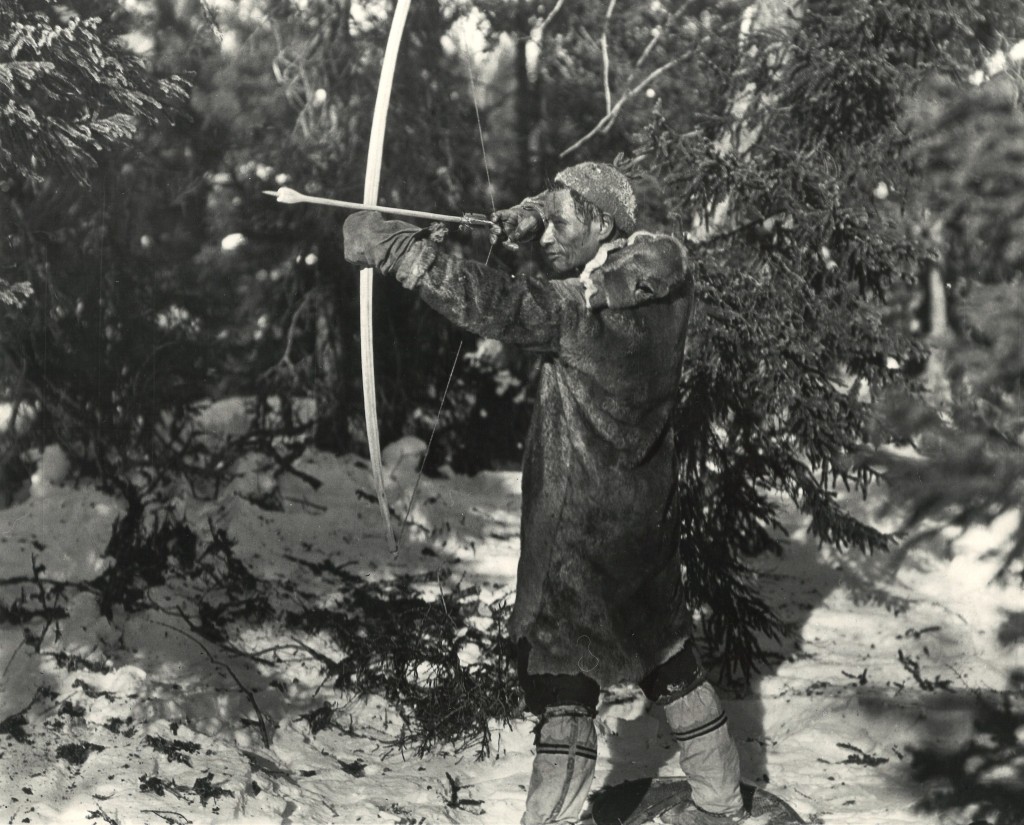
The photographs show Innu youth playing checkers, carrying spruce boughs, babies sleeping in strung-up cradles, women making snowshoes, and men hunting and drumming. They show Innu in their homeland, Nutshimit, the Innu-aimun term for “home” which is capitalized to show respect for the land. Nutshimit is “where we belong,” Ashini says. “It’s where we’re at peace, where [we’re comfortable], where our minds are at ease, where we just concentrate on living and nothing else.”
The community of Sheshatshiu recently lost its oldest Elder, who was 96 at the time of her passing. Ashini said the work to preserve the cultural heritage of Innu is more important than ever as the last generation of Innu who lived on the land is aging. “What they hold is so important, so valuable to the work that I’m doing [in] trying to put our history together,” she says, “and their information is what’s going to complete it.”
The photographs also arrived with the anthropologist’s notes. Ashini is fact-checking the notes with Innu, as anthropologists and other researchers have been known to include their own perceptions in their notes.
Ashini is now preparing for an upcoming exhibit at the Labrador Interpretation Centre on June 21, 2026 before it goes on the road outside Labrador. “There’s never been an Innu exhibit developed just by Innu people,” she explains. “It’s time we are able to tell our own story, and this is exciting to be able to do that now.”
Before the exhibit, Ashini hopes to gather names and stories of as many people in the photos as possible. The exhibit will be offered in Innu-aimun and will include audio components, photographs and artifacts, she explains.
“We’ve got 70 items from the Canadian Museum of Heritage, and then we got more from The Rooms, where both collections are owned by us and will be coming home once our land claim is ratified,” Ashini says, welcoming other museums, researchers or individuals with photographs or Innu artifacts to reach out to her.

Author

Related Articles
Gander didn’t protest U.S. ambassador during 9/11 visit, but still sent a clear message to Trump
There were no boos when Pete Hoekstra appeared at the 25th anniversary commemoration. Instead, Newfoundlanders kept their focus on the nearly 3,000 lives lost — and reminded America that Canada will not bow to anyone

Watchdog says it can’t investigate Deloitte over use of AI in $1.6M government report
Internal emails reveal Deloitte helped craft government’s response to The Independent’s investigation
Will declaring an epidemic help end gender-based violence?
Three provinces in Atlantic Canada have made formal declarations — but is that enough to quell violence against women, girls and gender-diverse people?