
St. John’s to host first Dyke March
Organizer Shaylin Smith says the July 16 event will mark a ‘return to grassroots protest’

This year’s St. John’s Pride festival is bigger than ever, with a total of 48 events over 12 days. But one of those events is likely a big first. On July 16, the festival will feature what is probably the province’s first-ever Dyke March.
There is no textbook definition of what a dyke march is. Wherever they emerge, they’re imbued with the spirits, identities and protests unique to that place. They’re led by lesbians, queer women, trans and gender diverse folks. They’re loud, raucous, and boisterous. Often, they’re just as much about offering a defiant grassroots challenge to the corporate orderliness of Pride parades as they are about challenging patriarchy, misogyny and transphobia in broader society. They often take place during Pride seasons, but without the permits, police and corporate presence that has come to define many formal Pride parades.
Shalyn Smith of Spaniard’s Bay came out as queer at the age of 11. But it wasn’t until she left the province and was working in Vancouver that she attended her first dyke march.
“I really hadn’t experienced that before, being surrounded by so many dykes,” she says. “Experiencing that first-hand was so powerful. It was a display of community safety and resilience.”
Will you stand with us?
Your support is essential to making journalism like this possible.
That was in 2021. The experience is still vivid for her today.
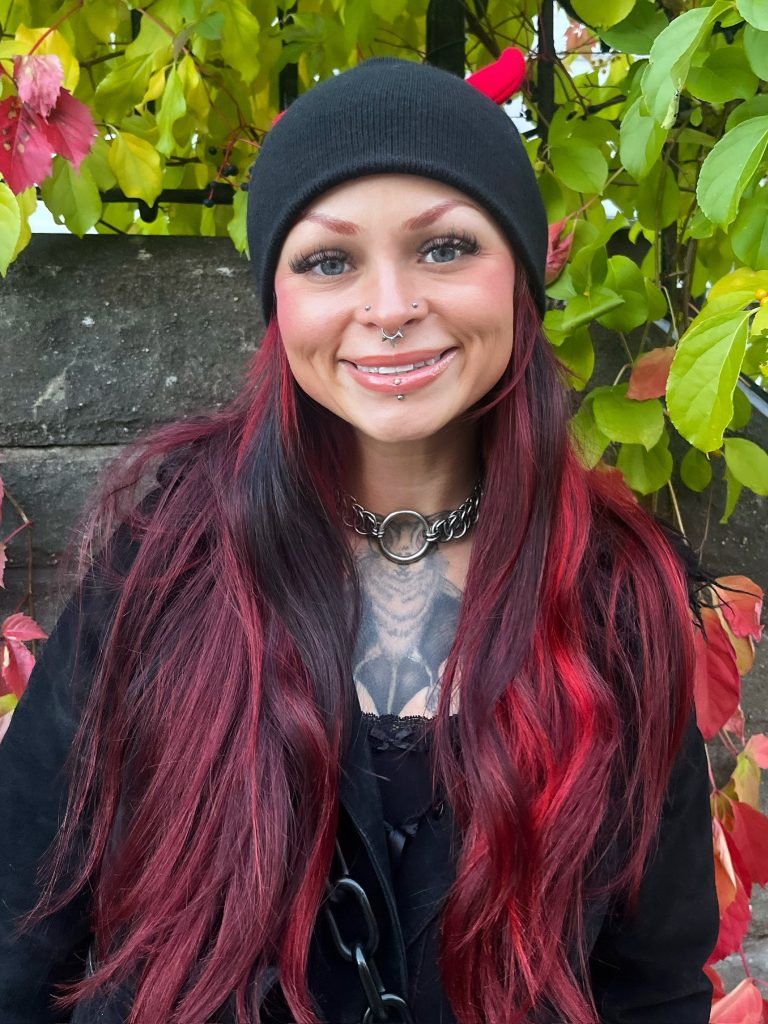
Dyke March organizer Shalyn Smith says the new event is “about resistance.” Submitted.
“It is so powerful. The sound and the sheer energy of it is what stands out the most — the incredible feeling of safety and collective power,” she recalls. “When you’re on a dyke march you’re seeing generations of people marching together. You’re seeing the elders who fought for our rights, alongside young trans dykes who are finding their voices today. It’s like this political anger alongside massive, overflowing joy.”
When Smith returned to the province last year, she resolved to bring that same spirit of dyke energy and community building with her.
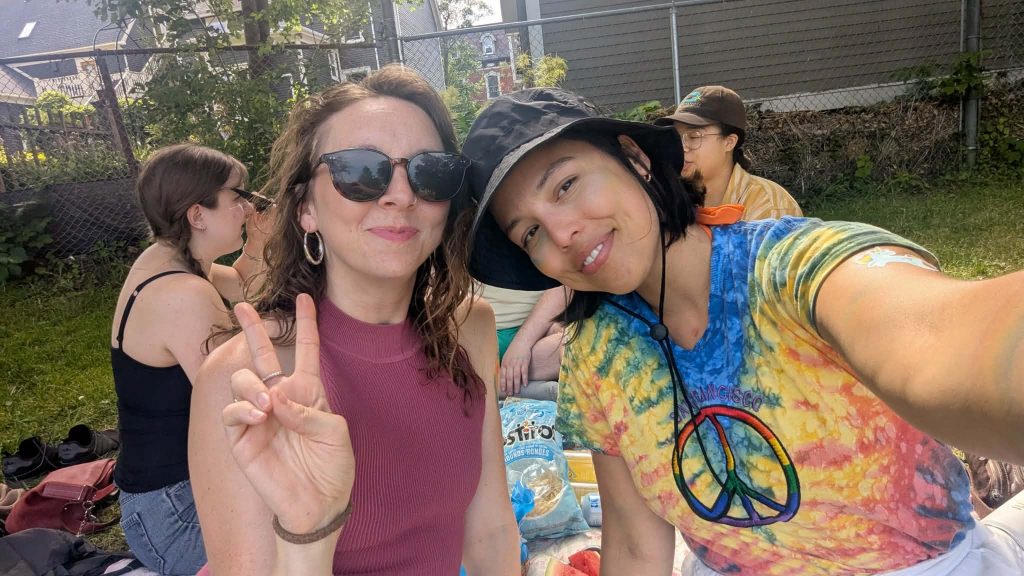
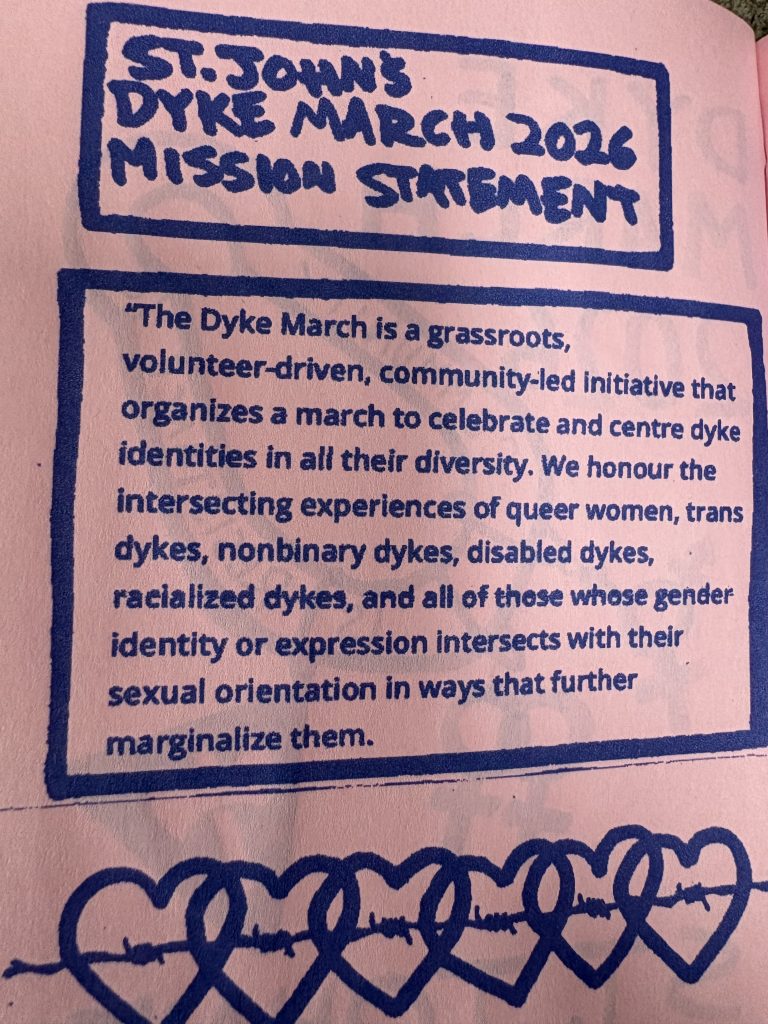
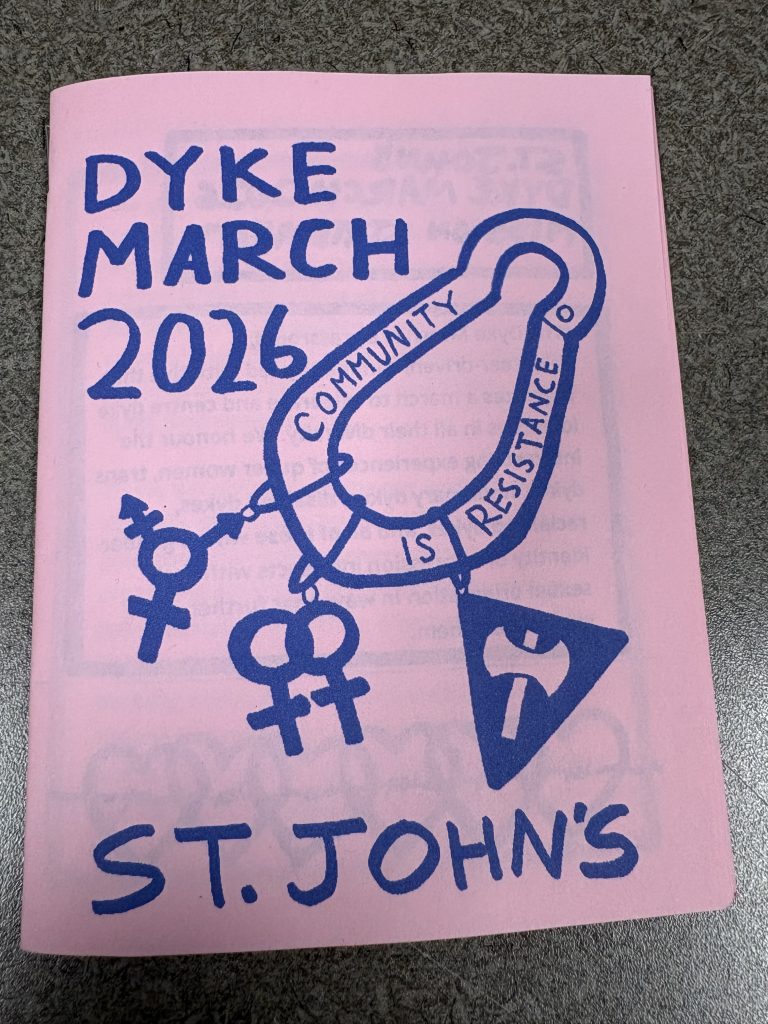
Though the event coincides with St. John’s Pride Week, it’s being organized autonomously. Smith put out a call on social media for interested volunteers and approached local activists, eventually assembling a small team of volunteers. Together, they have coordinated gathering to make signs, zines and poster art. St. John’s Pride has been supportive, says Smith, and provided funding and promotion for the event. Local community members have contributed artwork and produced a zine chronicling the history and importance of dyke marches.
A history of organizing
Renata Lang, who attended a community sign-making gathering last weekend in preparation for the march, says the new event is creating “an intentional space for women who are attracted to and love women in this province.”
Just being among the roughly three dozen community members who gathered to make the signs invigorated her. “The activity of using markers and pencils and creating imagery evoked a very youthful and excited feeling,” Lang explains. “I was on the ground, socks and shoes off, hands going. I feel like a lot of queer folks, we find community in the online world […] and sometimes we feel safer that way. But it’s so great to be in person, in each other’s presence.”
The roots of public protest by queer women in Canada is often traced to a 1981 lesbian-rights march in Vancouver. Later that same year the Toronto-based group Lesbians Against the Right organized a ‘Dykes in the Streets’ march in that city.
The first official ‘Dyke March’ has its origins in a 20,000-strong women’s march organized jointly by Lesbian Avengers and ACT-UP Women’s Network, as part of the broader 1993 March on Washington for Lesbian, Gay, and Bisexual Rights and Liberation (with an estimated attendance of over 1 million people). There, the Lesbian Avengers famously participated in a fire-eating protest in memory of the murders of Black lesbian Hattie Mae Cohens and white gay disabled man Brian Mock, both of whom were killed when their Salem, Oregon apartment was firebombed in October 1992. The Washington event then inspired other dyke marches in cities across the US and elsewhere, including a 1996 march in Toronto that’s been cited as the first officially-labelled dyke march in Canada.
Queer women’s organizing in Newfoundland and Labrador also has a strong history. Prominent lesbians played key roles in the cooperative movement which responded to this province’s economic and political collapse in the 1930s and ‘40s. Besides grassroots activist groups like the YWCA and St. John’s Status of Women Council — both of which played important roles in lesbian organizing and featured prominent dykes in leadership roles from their early days — community organizing around lesbianism as an identity here dates back to at least 1977, with the emergence of Gay Organization of Women in Newfoundland (GOWN), a short-lived lesbian group.
While women played an important role in other provincial queer organizations, dyke-specific organizing emerged again in the early 1990s with the establishment of Newfoundland Amazon Network (NAN), a vibrant and active group which played a key role in bringing about legislative change and human rights protections on the basis of sexual orientation in the province.
‘A deeper level of love’
Lang says, for her, exploring dyke identity is not just about challenging binary norms around gender and sexuality. It’s also about recognizing a more complex spectrum in the feelings and relationships she has with other women. In a society that tends to pigeon-hole people into stark categories like ‘stranger’, ‘friend’ or ‘romantic partner’, she says there’s more nuance in how our relationships with each other shift, evolve and express themselves.
“Being a dyke, to me, means being a woman who loves other women,” she says. “For me, it was discovering that love, after over 30 years of living and unpacking my own relationships, that I’d had with other women in my life — and distancing myself from heteronormativity.
“It was realizing, as a woman over 30, that the love I had for women was more than just friendship, more than just respect. It was a deeper level of love. And I find that it’s constantly evolving. Being a woman who loves women is also about discovering that love can look and feel so multifaceted. It’s meant, for me, experiencing connection, attraction, love, pleasure, and joy in ways that are distinct and unique, and that need to be nurtured and protected.
“Being a dyke does not have to be an exclusive definition of only loving or existing in one way. For me, it’s about including all women who have learned that they have romantic feelings or attractions towards other women. And having a space that’s distinct, because that experience – being a woman, loving other women – is distinct from other experiences of queerness.”
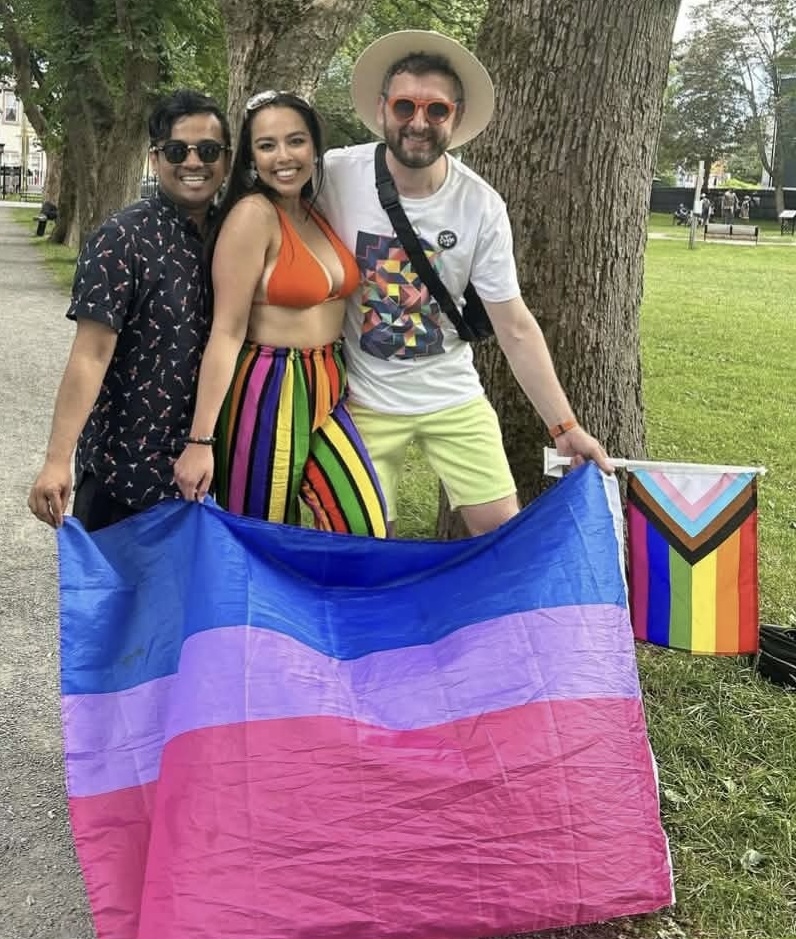
Heteronormativity doesn’t have to inherently include patriarchy and misogyny, says Lang, but often it does.
“Being a dyke is important to me because when you are a queer women, you exist in a way that decenters men. The journey of decentering men is also the journey to freedom. You don’t need to abolish men, but there’s a difference between co-existing with respect and existing within patriarchy. To me, being a dyke is powerful because it inherently teaches you how to decenter men in a way where you’re not learning to serve or please them. You’re learning to exist in a way that is the most true to yourself, your needs, and the needs of your community.
“I’ve had to do my own repair and healing over the ways that I had perpetuated patriarchy. We’re all unpacking heteronormativity — that’s a universal experience. But I realized […] that I had carried beliefs and ways of moving in the world that could have been oppressive towards women, towards queer women. So I find that leaning into being a dyke is also about my own healing and inner work, so that I can move through the world differently, and can connect with other women differently.”
‘Silenced and erased’: No dyke march without trans dykes
Historically, as well as now, lesbian organizing was fuelled by a recognition that women are often marginalized in broader mainstream organizing.
“Historically, lesbians, especially trans dykes and queer women in general, have been sidelined and had our contributions erased from the Pride movement,” says Smith. “Even within the broader queer movement, lesbians, trans dykes and queer women have been silenced and erased from our history.”
It was only in the late 1990s that queer organizations in Newfoundland and Labrador began actively embracing the fight for trans rights. But trans women and gender-diverse people have played a central role in dyke organizing historically, and that’s reflected in the fiercely trans-inclusive nature of most major dyke marches around the globe.
Trans rights have emerged as a central focus of human rights struggles in recent years, with legislative attacks on trans women’s rights in particular in jurisdictions like the US, UK, and even Canadian provinces like Saskatchewan and Alberta. Amid this backdrop, the rights of trans women are a key issue for dyke organizing here and elsewhere, Smith explains.
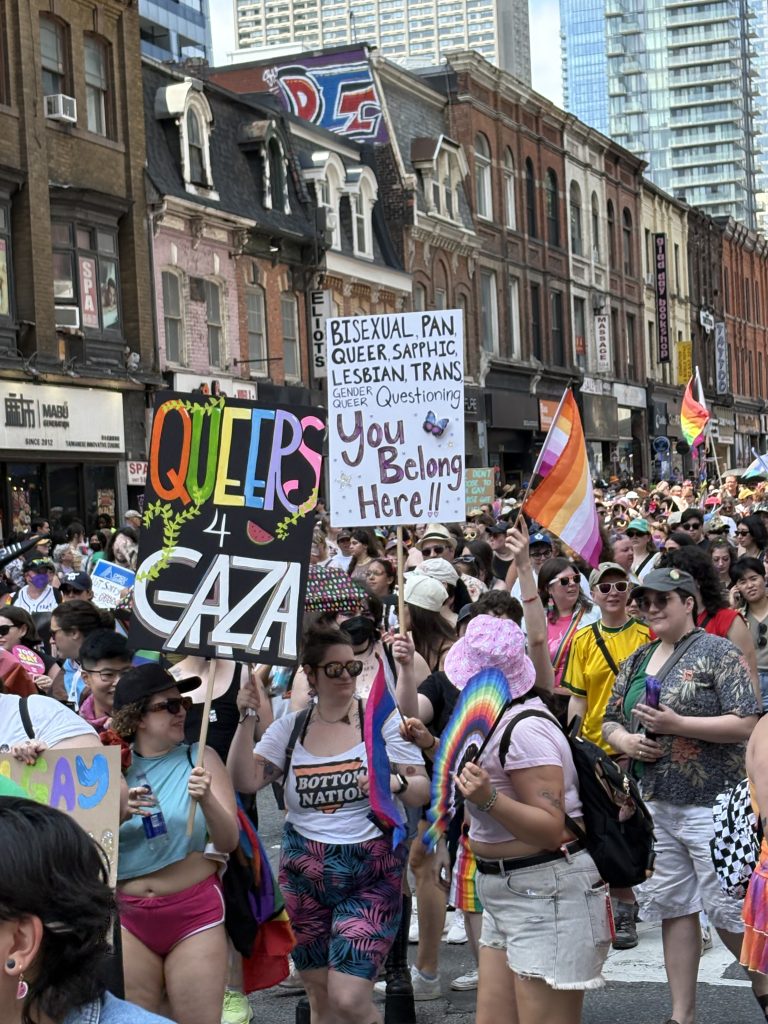
“Trans inclusivity was not an afterthought for us at all — it’s one of the foundational building blocks of what we wanted to create here,” she says. “Even within queer spaces, trans dykes have been historically pushed further and further into the margins. Our theme for this first Dyke March is ‘community is resistance’ — so when we say that, we mean our liberation is inseparable from trans dykes, trans safety, and trans joy. There is no dyke march without trans dykes.”
Unlike mainstream pride parades, dyke marches have a history of operating at a more grassroots level, without corporate sponsorships, permits or police liaisons.
“A lot of people feel that mainstream pride has become heavily corporatized and washed down,” says Smith. “So to me, dyke march is a return to grassroots protest. It’s an unapologetic space for our visibility, our community, our resistance and our resilience. It’s creating space for that community, and space to stand up for others as well, because although we have rights today we’re watching rights being stripped away south of the border. So it’s about resistance. We have to actively fight for the rights we have. So this is about nodding to the work that’s already been done, but also about remaining present because at any moment someone can come along and try to take them away. We need to stay vigilant and informed, and community is the best way to stay informed.”
Dyke organizing is more vital now than ever, says Smith.
“When we think about what’s impacting dykes globally and across Canada, it’s clear that our struggles are deeply interconnected with the broader human rights movements that are also occurring,” she explains. “We’re seeing a terrifying rise in anti-trans rhetoric. There’s been an onslaught of political attacks on Two-Spirit, LGBTQ-plus people. We are in a massive housing insecurity crisis. Myself, I have chronic illnesses and navigating that has been awful with the systemic gaps in our healthcare system. Accessibility is non-existent. And that accessibility is disproportionately impacted. It impacts marginalized queer folks globally.
“We’re witnessing a devastating amount of violence and displacement. That’s why our framework explicitly includes solidarity with the broader anti-colonial movement and liberation struggles across the globe,” Smith continues.
“Across the world, women’s rights are being stripped away every single day. Our liberation as dykes is closely tied not only to trans rights and safety, but housing security, disability justice, and Indigenous sovereignty. That isn’t just a random list, it’s an intentional framework for solidarity. We’re all interconnected. If I stand by and watch rights be taken away from my neighbour, and I don’t stand up for them, it’s only a matter of time until my rights are taken away. If we don’t stand up for each other, it’s only a matter of time before the boot falls on us.”
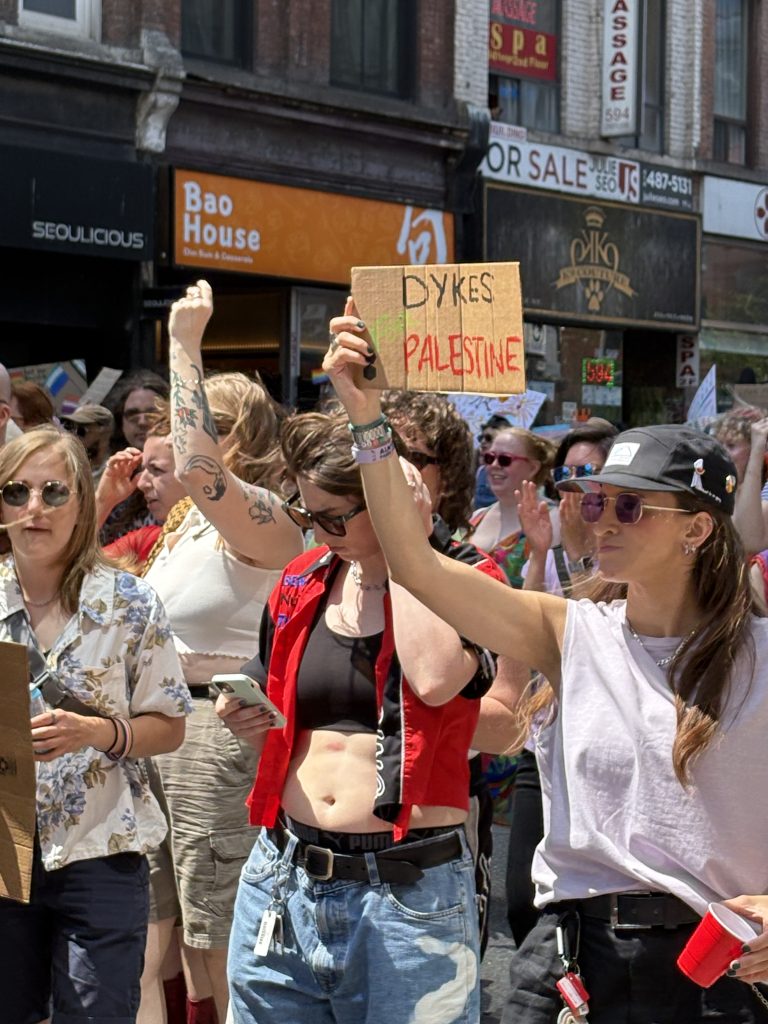
At the same time, says Lang, younger generations offer hope.
“I’ve seen a lot more acceptance and encouragement and allyship and community for queer folks and among queer folks in these younger generations,” she says. “And they’re unapologetic about it. They’re exploring their identities and orientations more, and their peers are accepting of that. When I’ve gone into the school system to do diversity sessions […] when the subject of gender and sexuality is brought up, there isn’t contention. There aren’t snickers. They blink their eyes at you, and they’re like: ‘Yes, and?’
“It’s taken us a hell of a long time to finally get to a place where we can teach gender and sexuality within the formalized school curriculum, and so now these younger generations are growing up, learning about it in a constructive way, and are being taught that this is just another normal aspect of identity.”
‘Love very loudly’
For Smith, reflecting on her own childhood, that change is long past due.
Spaniard’s Bay, in Conception Bay North, is home to fewer than 3,000 residents. Smith came out as bisexual at the age of 11, but says back in the 1990s she didn’t feel comfortable fully exploring her identity. Returning home last year, she noticed a lot there has changed. “When I came back there was even more queer representation than when I left, even since the beginning of the pandemic. We have a really changed landscape.
“Growing up in a small community, it can feel like you’re the only person in the world who feels the way you do,” Smith reflects. “There’s a specific isolation that comes when you’re not seeing yourself represented. I only knew of a few lesbians growing up. There wasn’t much lesbian representation.”

She recalls coming across the Russian musical duo t.A.T.u. as a teenager. Although not actually lesbian, the band tapped into a strong queer following because of the homoerotic imagery it used (for which it was later accused of queerbaiting). “When the video for All The Things She Said came out I watched that on repeat for months,” Smith said.
“I definitely did experience a lot of homophobia. And, of course, I internalized that. Thankfully I’ve been able to work through that and now I’m doing well, but it’s very difficult to overcome internalized homophobia.
“That’s why I love very loudly, very publicly, with my girlfriend — because I want it to feel safer for the next person. I’m very loudly gay, because I want the young person who feels like they don’t have representation to see me holding my girlfriend’s hand, and have that become just a normalized thing for them.”
The St. John’s Dyke March is scheduled for Thursday, July 16, beginning at Harbourside Park at 5:30 p.m.

Author
Related Articles
May Day Rally Shows New Face of Today’s Labour Movement
Turnout for May 1 march and rally in St. John’s one of the biggest yet in this province
Recimply the Best: Pitch and Pick Competition Winner Aims to Reduce Paper Waste
Recimply won big at Genesis’ annual Pitch and Pick competition last week. The startup is solving the problem of non-recyclable paper receipts.

Coming Home Queer for the Very First Time
For three days in July, queer Newfoundlanders and Labradorians from all over the world celebrated a rural homecoming 30 years in the making.
As Innu exhibit opens in Labrador, Grand Chief says truth must come before reconciliation
Innu Nation Grand Chief Jodie Ashini says it’s disappointing to open the Innu Pakassiun exhibit without the provincial government’s participation, but Innu know their history and who they are
Liberals’ Bill C-39 a wake-up call for Canadians: Avi Lewis
‘Cracks starting to show in the Carney consensus,’ Lewis tells N.L. NDP convention in St. John’s
As NDP convention gets underway in St. John’s, will N.L.’s third party prioritize growing rural support?
Former party candidates say it’s a steep hill to climb, but there are ways