
Meet The Indy’s new Journalists for Human Rights fellow, Ana Maria Alcantara
Ana Maria has a wealth of experience in journalism and social justice work, which will inform a forthcoming podcast series
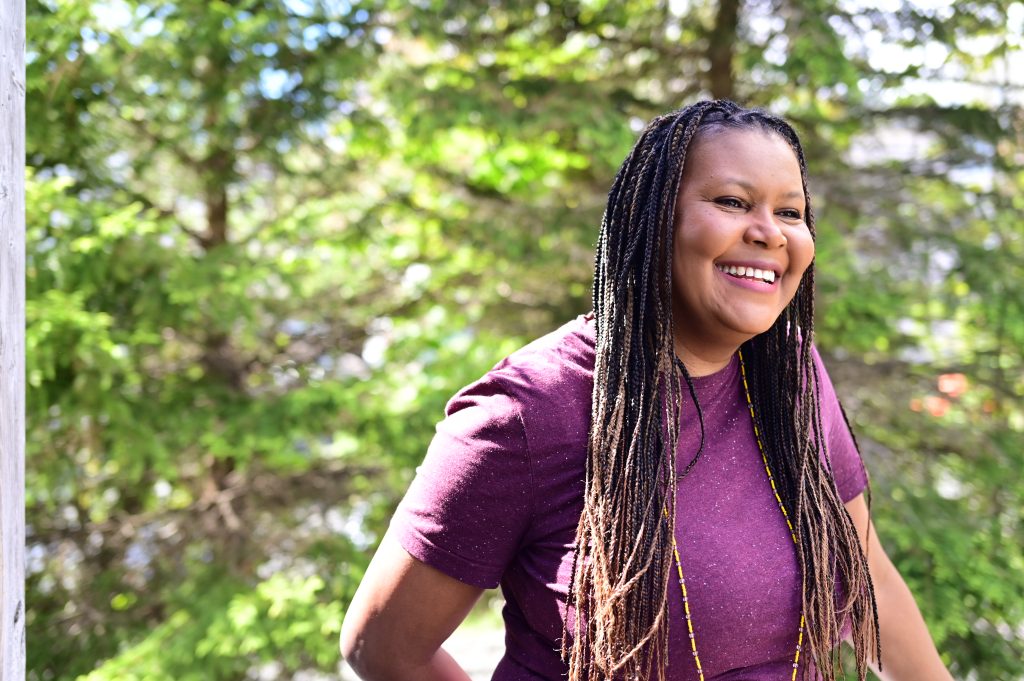
In partnership with Journalists for Human Rights, The Independent welcomes journalist Ana Maria Alcantara as a 2026 JHR BIPOC Fellow.
Ana Maria has a wealth of experience in journalism and social justice work, making her a perfect fit for our latest fellowship. Together, we are going to create a podcast series based on certain social-justice-related themes for release later in 2026.
She answered some questions from The Indy so that you can get to know her better.
You have experience in journalism, including in your home country of Brazil. Can you tell us a bit about your work as a journalist, both in Brazil and here in Newfoundland and Labrador?
My journalism career began in Brazil, where I worked across print, digital, public relations, communications, and television media.
Looking back, I realize that what has always interested me most is people. Throughout my career, I have been drawn to stories that help us understand how broader social issues are experienced in everyday life, whether related to culture, education, territory, gender, race, public policy, inequality, or community development.
Will you stand with us?
Your support is essential to making journalism like this possible.
Over the years, I have worked not only as a reporter but also in communications, content production, editorial planning, audience engagement, and community outreach. I often joke that, at this point in my career, I have accumulated a little bit of everything: successes, mistakes, moments of joy, frustrations, and more challenges than I can count. But I think that is what experience really is. Each job, each project, and each community has taught me something valuable.
One aspect of my journey that has shaped me as a journalist is that I have also worked outside traditional newsrooms, particularly in culture, tourism, museums, and community engagement. Those experiences gave me a broader understanding of how institutions, governments, and communities interact.
Since moving to Newfoundland and Labrador, I have remained connected to journalism and storytelling through community media, radio, research, and public engagement initiatives. As an immigrant, I have also gained a new perspective on themes such as belonging, identity, and community, which naturally influence the stories that catch my attention and spark my curiosity.
What I enjoy most about journalism, whether in Brazil or here in Newfoundland and Labrador, is the opportunity to meet people, listen carefully, and learn something new every day. For me, journalism is ultimately an exercise in curiosity. It’s about understanding people, building relationships based on trust, and helping tell stories that allow us to better understand the communities we share.
You’re currently working on a research project with Dr. Delores Mullings at Memorial University. The project is called Beyond the Threshold: A Global Consultation Series for Women Aspiring to and Navigating Senior Leadership. Can you tell us more about this project and how you came to be involved?
It’s been a fascinating experience so far. Beyond the Threshold is a global consultation project that brings together women who are already in senior leadership roles and women who aspire to get there. We’re engaging participants from different sectors, countries, and professional backgrounds to have honest conversations about leadership, institutional culture, barriers, opportunities, and what sustainable leadership can look like for women.
What I find particularly interesting about the project is that it’s not just about identifying challenges. It’s also about listening to women’s experiences and turning those insights into publicly-accessible resources that can help organizations and institutions create more supportive and inclusive leadership environments.
I became involved in this project in a fairly organic way. I had shared my CV with a friend, Laurabel Mba, and mentioned that I was looking for opportunities where I could combine my background in journalism, communications, research, and community engagement. She passed my CV along to Dr. Mullings, who then reached out to me about the position.
In some ways, it felt like a natural fit. Dr. Mullings and I share many interests around social justice, equity, community engagement, and creating meaningful change, so I was excited by the opportunity to work with her.
My role involves coordinating consultations, supporting outreach and partnerships, engaging with participants, and helping ensure that the knowledge we gather reaches the communities and institutions that can benefit from it.
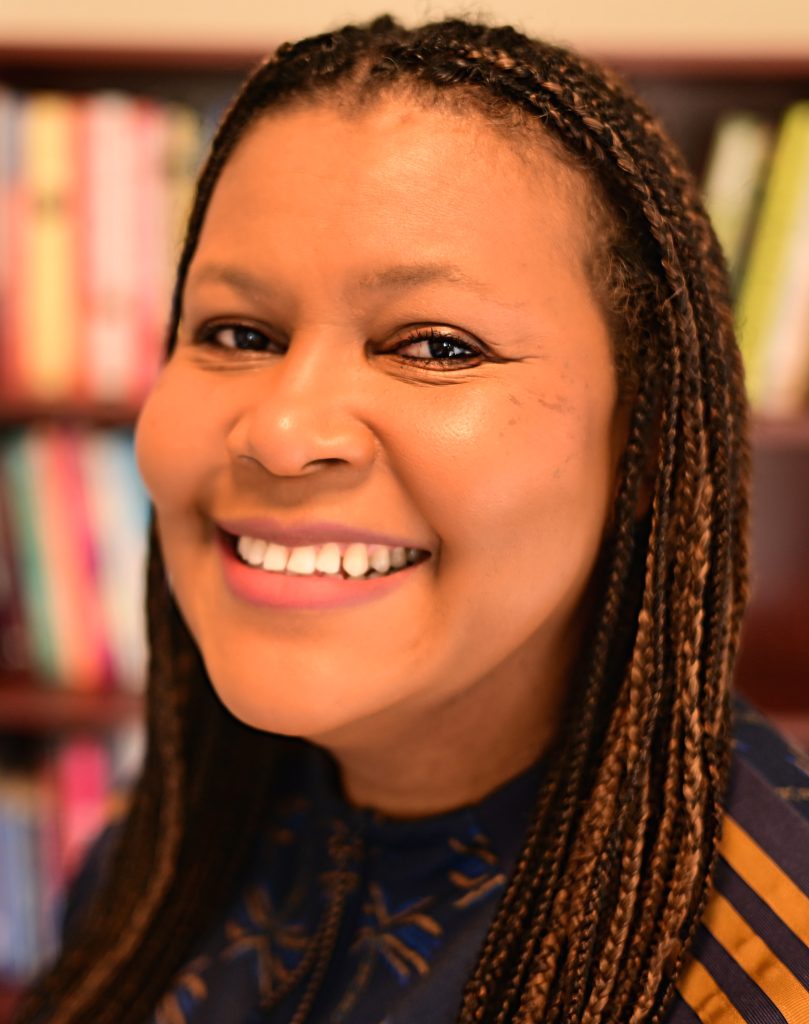
As a journalist, one of the things I enjoy most is listening to people’s stories, and that’s probably the part of the project that excites me the most. It has been both inspiring and challenging. We are engaging women from different countries, cultures, and professional backgrounds, so the scope is truly global. At the same time, that diversity is what makes the project so exciting. Every conversation has the potential to generate new insights and perspectives that can help shape more inclusive and effective leadership practices.
And working with Dr. Mullings has been a tremendous learning experience. She is a remarkable scholar and leader, and being part of this project has allowed me to grow professionally while contributing to a work that I believe can have a meaningful impact far beyond academia.
As a journalist, what issues and stories are you interested in covering — and how do they relate to your lived experience?
[Laughs] The short answer is: quite a lot.
The longer answer is that I’ve always been interested in stories about people, communities, and the social structures that shape everyday life. Throughout my career, both in Brazil and now here in Canada, I’ve been drawn to stories that help us better understand issues such as belonging, inequality, immigration, culture, public policy, gender, race, and community development. What interests me most is not only the issue itself, but how larger social issues are experienced by real people in their daily lives.
My perspective is certainly influenced by my own journey. I’m a Black Brazilian woman, an immigrant, and someone who has worked across journalism, communications, culture, and community engagement. Moving to Newfoundland and Labrador gave me a deeper understanding of what it means to start over, navigate unfamiliar systems, and build a sense of belonging in a new place. It also gave me new perspectives on the challenges that shape communities.
Some topics resonate with me on a personal level. For example, the growing polarization around gender issues is something that concerns me as a person, a woman, a wife, a mother, a researcher, and, of course, as a journalist. But I think one of the most important lessons journalism has taught me is that our job is not to make the story about ourselves.
People sometimes ask me how I separate my personal views from my work as a journalist. My answer is that journalism is an exercise in listening. We all have our own experiences and perspectives, but when I am reporting, my role is to be curious, ask thoughtful questions, seek evidence, and create space for others to tell their stories. My responsibility is to help people understand complex issues through accurate, fair, and human-centred reporting.
I’m also deeply interested in stories that are often overlooked. Stories from smaller communities, cultural organizations, newcomers, workers, artists, and everyday people whose experiences can tell us something meaningful about the society we live in.
Ultimately, what keeps me passionate about journalism is curiosity. I believe journalism is, above all, about connection. The stories that interest me most are the ones that help us better understand one another, our communities, and the world around us.
We are in the early stages of planning a podcast series. What draws you to the medium of audio journalism and storytelling, and what do you hope to accomplish with the podcast?
What draws me to audio journalism is its intimacy. There is something powerful about hearing someone’s voice. The tone, the rhythm, the pauses, the moments of hesitation or conviction. These things create a connection that feels very direct and personal. It’s almost like someone is sitting across from you saying, “Let me tell you something important.”
I’ve always loved stories, but I’m especially fascinated by people’s voices. A voice carries emotion, personality, humour, vulnerability, and lived experience in ways that written words sometimes cannot. As a journalist, I think there is something incredibly valuable about creating space for people to tell their own stories in their own voices.
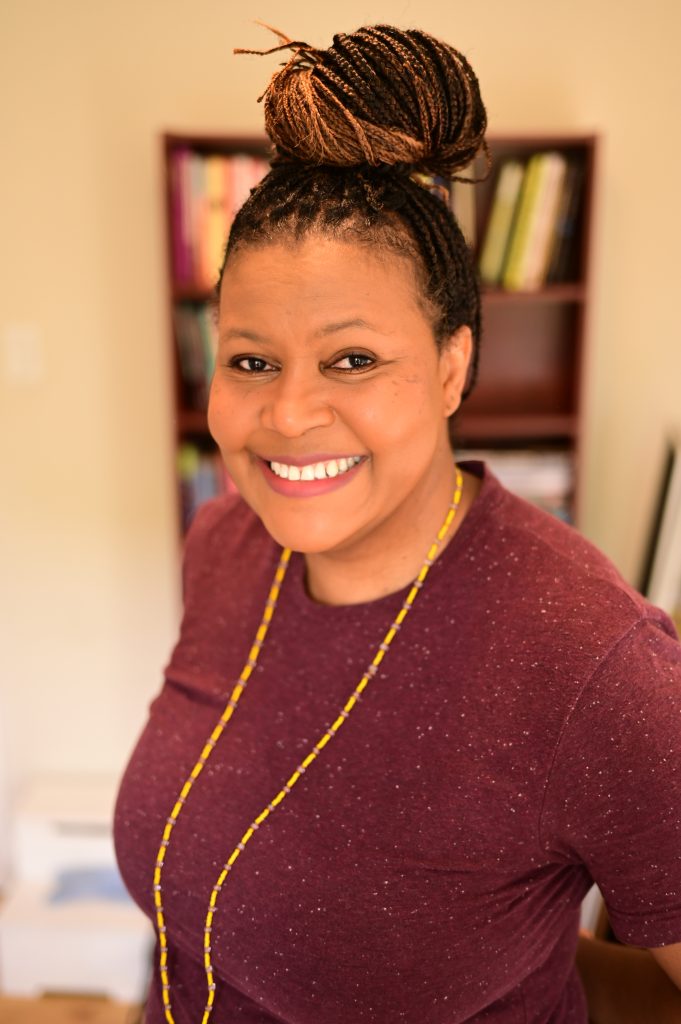
Part of that interest also comes from my experience in radio and podcasting, which taught me the importance of listening. Not just hearing what people say, but paying attention to how they say it and what that can reveal about their experiences and perspectives.
What I hope to accomplish with this podcast is to create thoughtful conversations that inform, engage, and connect people. I’m interested in stories that go beyond headlines and help audiences better understand the communities, issues, and people that shape Newfoundland and Labrador.
I would also like to bring forward voices that are not always heard in mainstream media. Some of the most interesting stories come from people who are rarely asked to share their experiences. As someone who came to Newfoundland and Labrador as an immigrant, I’m particularly interested in stories that build understanding across different communities and perspectives.
For me, the best stories are the ones that help us better understand each other. If listeners come away having learned something new, challenged an assumption, or connected with someone else’s experience, then I think the podcast will have achieved something valuable.
Have you read any books or seen any movies recently that you would encourage people to check out?
One of the most recent series’ I watched was The Prosecutor on Netflix, and it really stayed with me. The documentary follows Sayuri Herrera Román, a prosecutor in Mexico City who investigates cases of femicide and gender-based violence. What struck me most was not only the individual stories, but also how many of the broader issues felt familiar across different countries and cultures.
As a journalist, I’m always interested in how larger social issues are experienced in people’s everyday lives. The series does a powerful job of moving beyond statistics and headlines to show the human impact of violence, loss, and the search for justice.
It also connected with something I’ve been reflecting on lately: the importance of naming things. The language we use to identify social problems shapes our ability to recognize them, discuss them, and ultimately address them. Naming an issue is often the first step toward making it visible.
I would definitely recommend the series. It’s a compelling documentary, but what stayed with me most was its humanity. It encourages us to think about how social problems are experienced by real people and why those experiences deserve to be seen, understood, and discussed.
Author

Related Articles
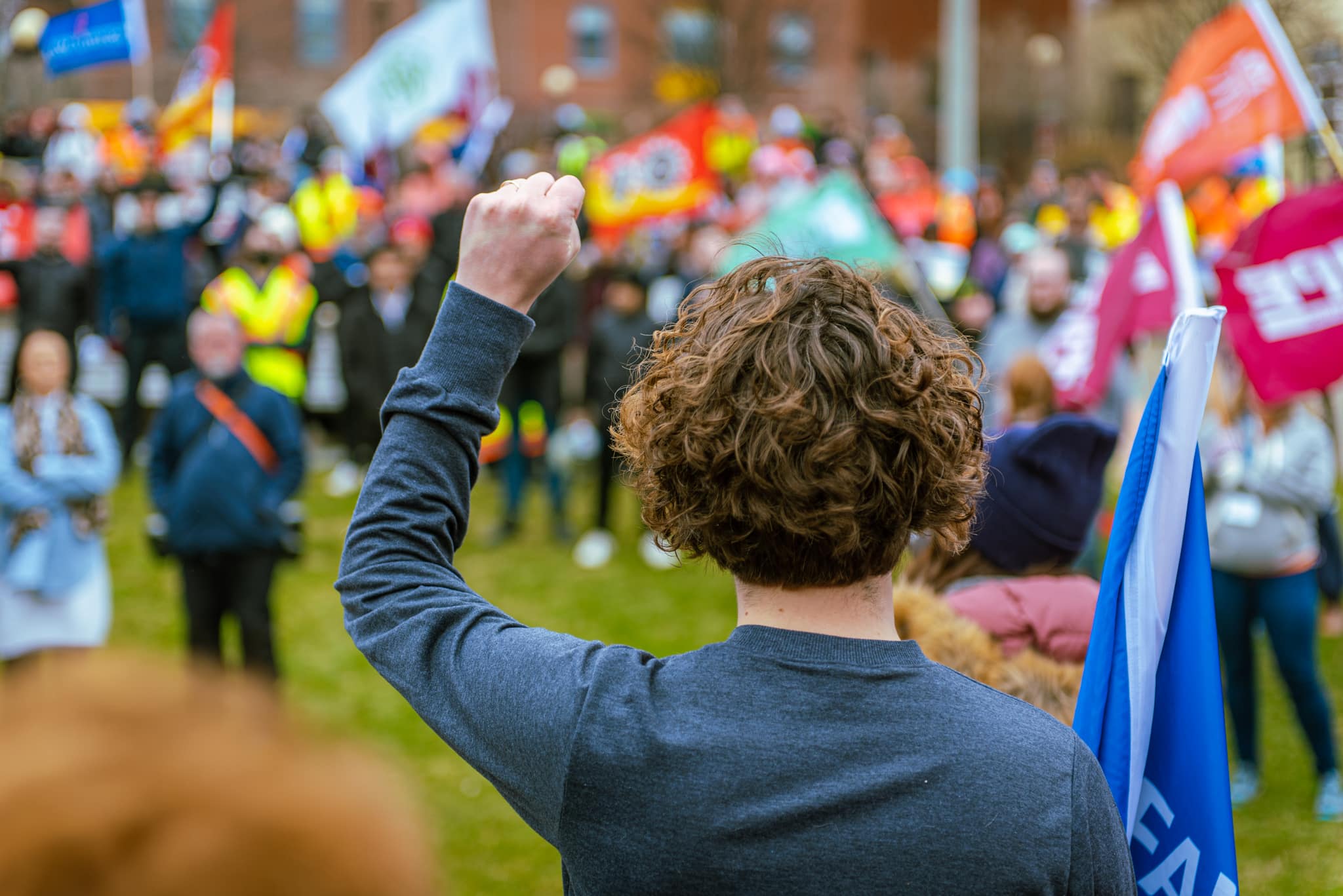
May Day Rally Shows New Face of Today’s Labour Movement
Turnout for May 1 march and rally in St. John’s one of the biggest yet in this province
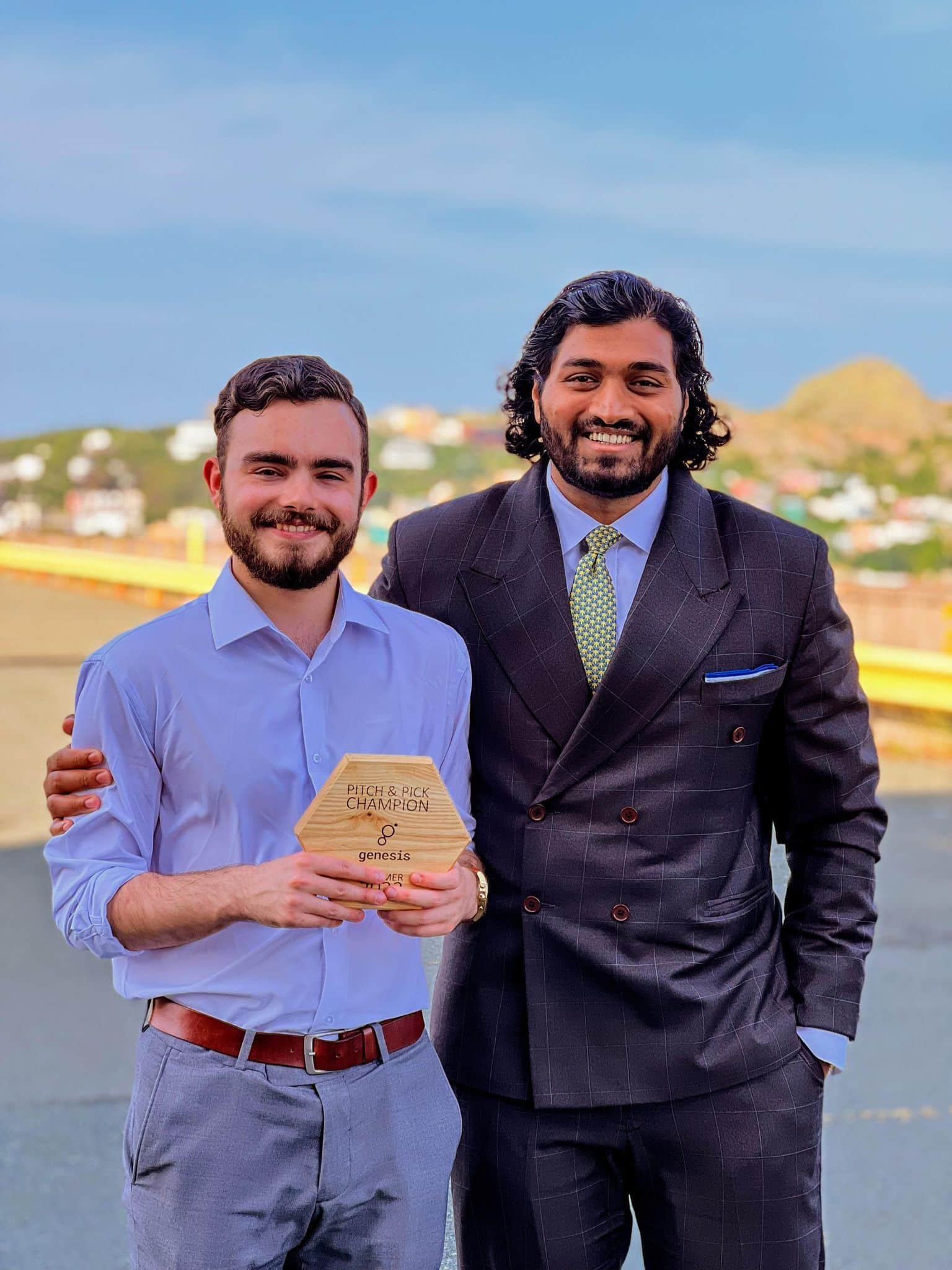
Recimply the Best: Pitch and Pick Competition Winner Aims to Reduce Paper Waste
Recimply won big at Genesis’ annual Pitch and Pick competition last week. The startup is solving the problem of non-recyclable paper receipts.

Coming Home Queer for the Very First Time
For three days in July, queer Newfoundlanders and Labradorians from all over the world celebrated a rural homecoming 30 years in the making.
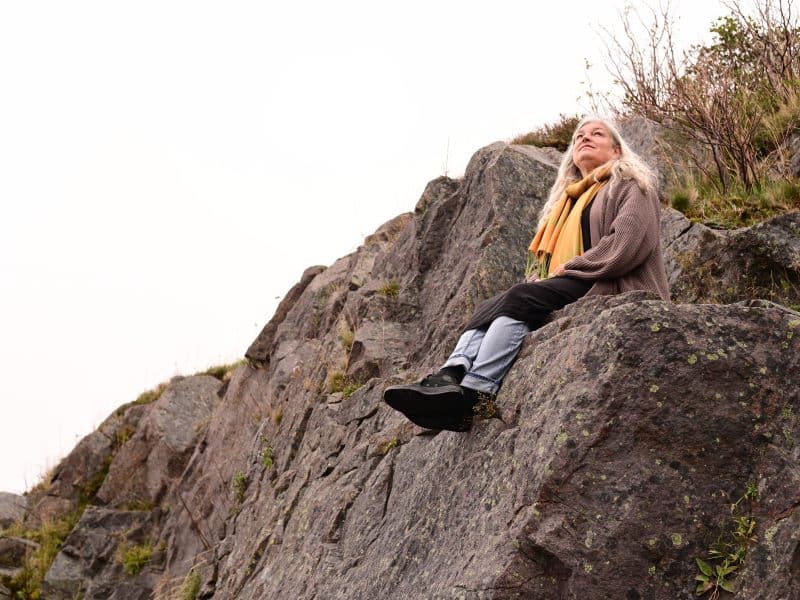
Meet The Independent’s new publisher!
With a background in the non-profit sector and a deep desire to see independent journalism thrive in Newfoundland and Labrador, Michelle Bush has found a home at The Indy
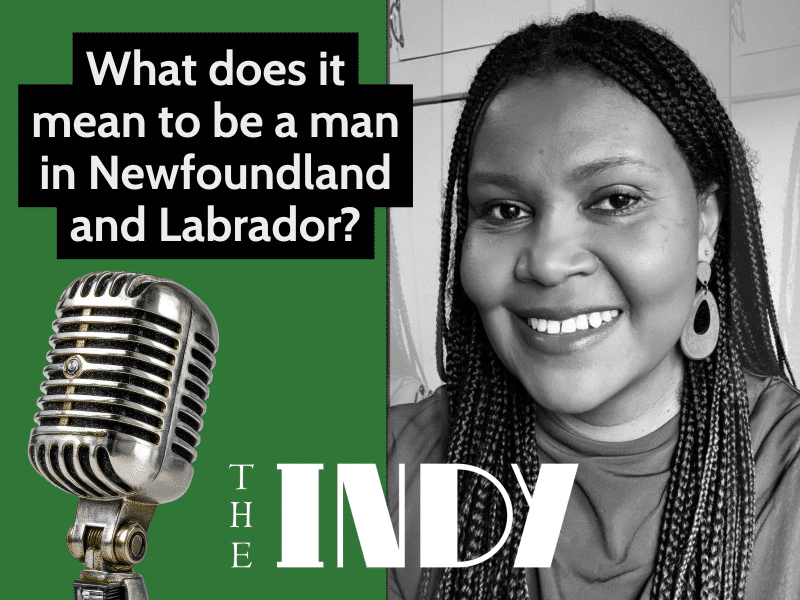
Men of N.L.: I want to hear from you!
We’re making a new podcast exploring what it means to be a man in NL today and the experiences that shape men’s lives
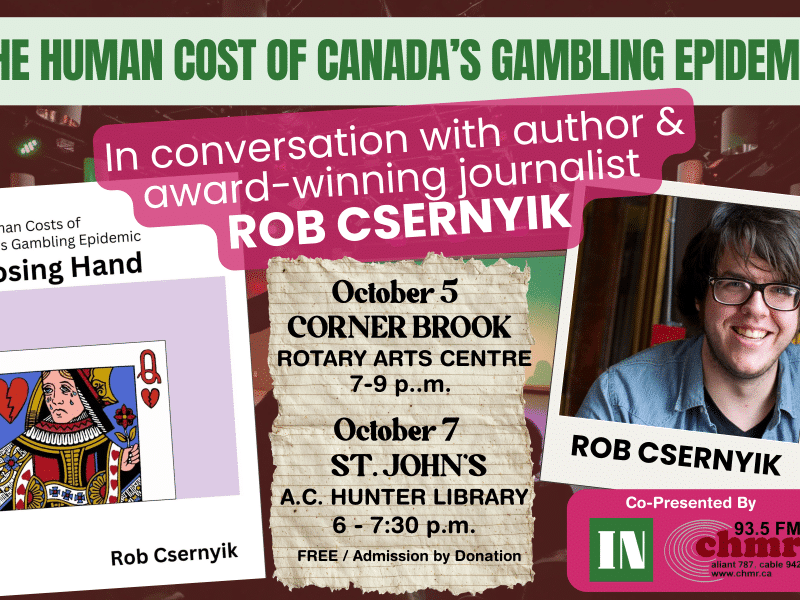
EVENTS: In Conversation with Award-winning Journalist and Author Rob Csernyik
Join us in Corner Brook (Oct. 5), St. John’s (Oct. 7), or online