
Veteran journalist Kenny Sharpe joins Indy as a reporter/editor in St. John’s
With 20 years’ experience, the Conception Bay North native will cover St. John’s and the Avalon
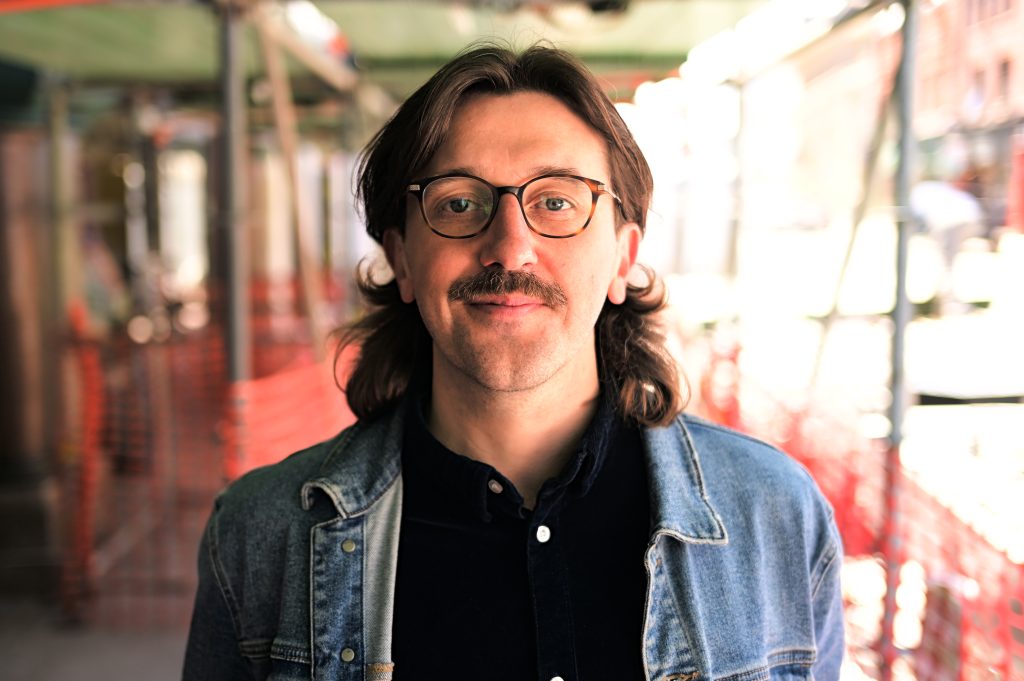
The Independent is proud to announce veteran journalist Kenny Sharpe has joined our team and will be covering stories in St. John’s and the Avalon Peninsula.
Kenny has 20 years’ experience as a journalist and has worked for major outlets in Toronto and Berlin.
He recently answered some questions from The Indy so we can get to know him better.
Kenny, we’re excited to have you join our team. You’ve been in journalism for quite some time now, and it all began with a gig at Memorial University’s The Muse, then VOCM. Why did you choose journalism as a career (and way of life, as we like to say in the profession) and what has your experience been like working at larger news outlets like the Globe and Mail, CBC and Reuters?
When I first graduated high school and went to MUNL I was doing what I thought I had to do. I had no idea student media was even a thing. After trying to figure out where I wanted to go with my studies, I discovered The Muse, where I started volunteering, writing, taking photos, helping with the segment Mouth Off, all while meeting some lifelong friends and connections that I still have 20 years later. Those experiences and first years at The Muse made me realize there were opportunities to grow and jump to other journalism brands and organizations. I used to joke that I got my Master degree at VOCM and The Muse, when really those were the first years of what would become my career.
After 10 years working in journalism and 10 years since I had started volunteering at The Muse, I actually did my Master degree in journalism in Toronto. Not knowing if I was making the right choice, it actually would lead to some of the best and most unforgettable opportunities of my life, like when I worked as national reporter with The Globe and Mail, getting to interview artist Kent Monkman for example. Along with working with CBC on international news programs and for years coordinating coverage with reporters around the globe.
Will you stand with us?
Your support is essential to making journalism like this possible.
Those experiences then led me to working as a foreign reporter in Germany based at Reuters through the International Centre for Journalists. So it all is connected in some long and winding way. Working for larger outlets can feel like you get lost sometimes in the bureaucracy and red tape of them all. But I learned to always remember to stay grounded and to keep coming back to my roots and my beginnings. Doing that has given me the perspective and the drive I channel to keep going in journalism. It’s been wild and entertaining and refreshing to see what opportunities come at you next when you do take the long and winding road.
Before attending MUNL and embarking on a career in journalism, you grew up in Conception Bay North. What was it like growing up there, and how have you stayed connected to the community there?
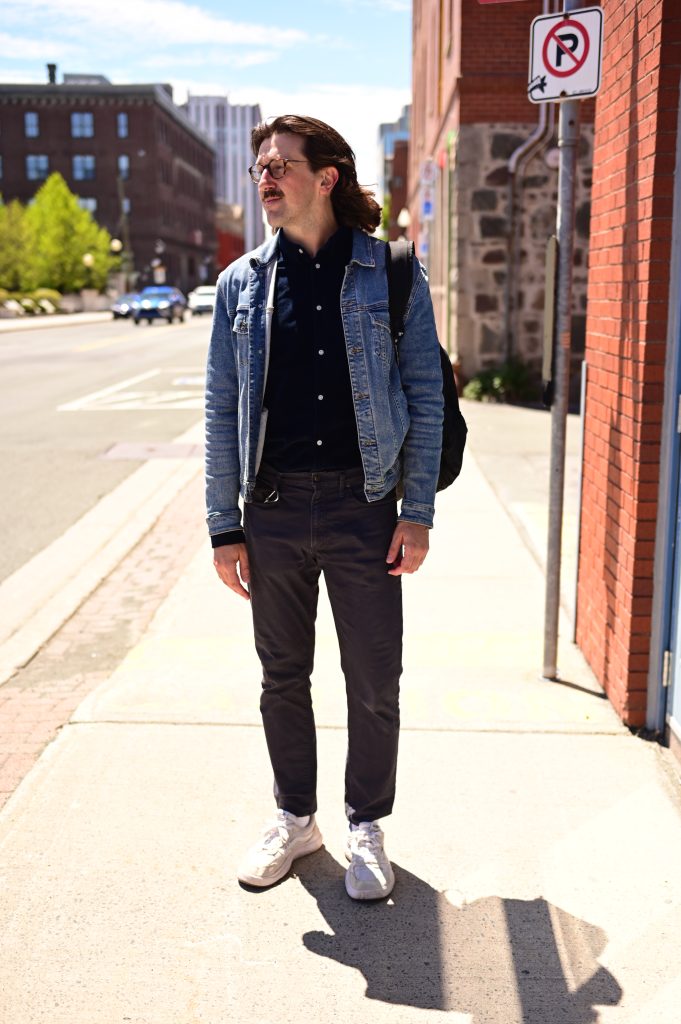
My families are from the Upper Island Cove and Bay Roberts areas, but a lot of my friends were from towns around, so I always said I grew up between Brigus and Island Cove and places in between. I was raised by my grandparents and they gave me a great upbringing. Memories of having the freedom to roam and explore. Nan singing out from the back door, ‘Supper is ready,’ and me hearing it literally kilometres away. Having to be home when the street lights came on kinda thing. A different time than now.
The area also has its challenges, things you don’t realize until you’re older looking back. But the sense of community, its uniqueness, its beauty and a whole list of other things, old and new, that make CBN such a cool place to be from has kept me connected. When I lived away it would be looking forward to returning to see friends, maybe ordering takeout from Country Delight or E&E. Or today, when I drive out to visit family or to go hiking. Sometimes I’ll just park or sit and stare at Fergus Island or French’s Cove and think it’s one of the most idyllic places on earth. Again things you don’t realize, or have the perspective about, when you’re busy growing up around it.
You spent several years working for CBC in Toronto. How did living and working in Canada’s biggest city change your perspective on journalism, but also on life in Newfoundland and Labrador?
Good question. I think part of my answer is that I realized there are actually so many opportunities to get involved with journalism. Being from Newfoundland and Labrador there is sort of a blinding effect that can happen, where you may think there are only a small handful of outlets to get involved with, or try to navigate. But attending Toronto Metropolitan University, and living in the city, and the connections that came, and all the side journeys, made me realize that anyone who is interested could have a career in, say, magazine and long-form writing, podcast editing, photography, or working as a reporter, videographer, copy editor, graphics maker, opinion writer. There are hundreds of outlets across Canada and the US, and more beyond, doing amazing things, that if shown or realized, anyone with an interest could pursue and become a contributor for.
Outside of legacy brands, Canada has a lot of amazing examples of newer, future-looking journalism start-ups and brands — some of them like The Independent — that now have years of success under their belts navigating the destruction Google and some social media have caused. There’s a future for them and you in it, and a whole wild world of journalism out there.
So whether you’re from the Avalon or Lab City, Wabush, or growing up out around the bay, you need to know that you can in fact write about tech or the far-right for The Atlantic or Washington Post. You can report on hockey or soccer for TSN. You can investigate for the Fifth Estate. Or be a war correspondent. Or live and report across the north or from South America. It’s my own personal perspective that changed and grew alongside my world view.
What do you see as some of the biggest challenges facing Newfoundlanders and Labradorians in 2026?
In no particular order, I believe there needs to be a focus on inspiring younger generations so that they know there is a future full of opportunities for them after Grade 12. There is a sense that the future of St. John’s is in need of better planning for its future, so it can be as vibrant as it can be. I feel there is a disconnect between what neighbours and residents are experiencing, versus what some politicians at different levels try to make them believe — be it about healthcare access, having a doctor, or the taxes they pay versus services they receive.
Also trying to figure out a path forward where Newfoundland and Labrador can have a sustainable and viable energy sector is crucial, to help with our dependency and effect the massive fluctuations in the price of gas and oil have on everyone. Making post-secondary college, trade-school or university education and training more accessible, seems like it’s becoming more of a barrier for more people, so that’s another challenge. Making sure our province does its part to lessen the effect globally that pollution-driven climate change is having on the earth. Parts of the internet are cesspools — that’s also a huge challenge. Just to name a few.
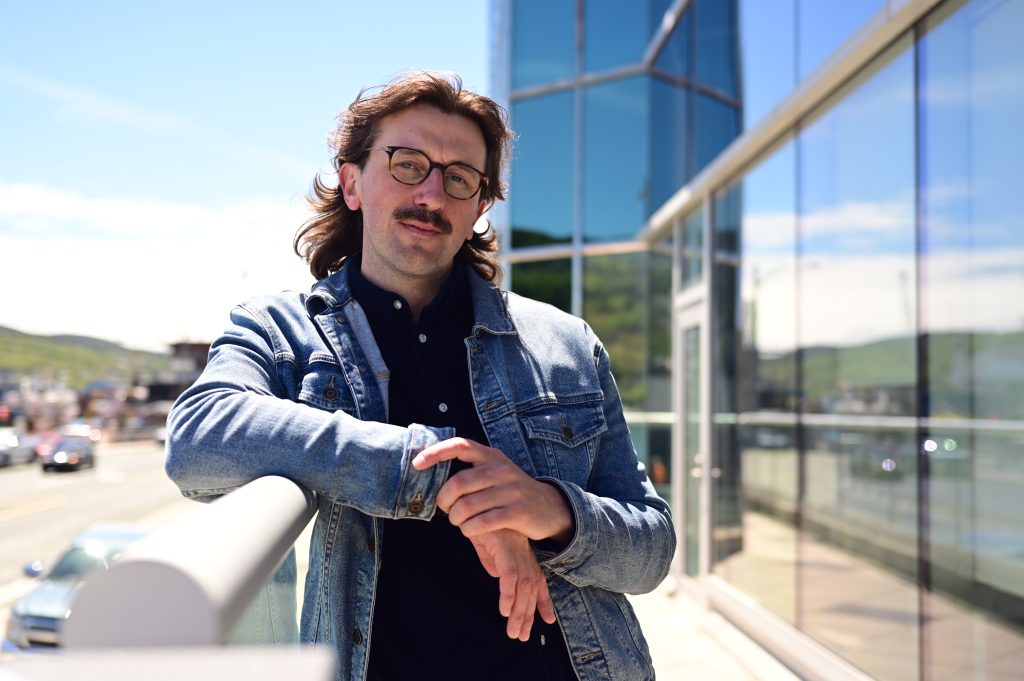
What issues and stories are you most interested in reporting on?
It’s always been a bit hard to answer this question, so I would say I’m interested in reporting on the modern Newfoundland and Labrador experience. Bringing to light things people believe should or should not happen in their worlds. Highlighting ideas to make being from here more enjoyable, or inclusive, or affordable. Being aware and making others aware of policies, from the municipal to provincial to federal to corporate levels, that could be improved upon — so things like our resources and coastlines and neighbourhoods and communities can be protected and improved. So my interests are broad. I don’t like to be cornered into using catch phrases or words when asked something like this. But it’s reporting on issues and stories and experiences that make us better in the long run which interests me most.
Have you read any books or seen any films lately that have stuck with you?
I think I’ll go with a documentary film here. That’s the first thing coming to mind that’s most recent and left me wowed. It’s the documentary called Mr. Nobody Against Putin, which won an Oscar this year. It is footage from teacher Pasha Talankin in rural Russia. Talankin teaches grade school to youth, but is also his school’s designated videographer.
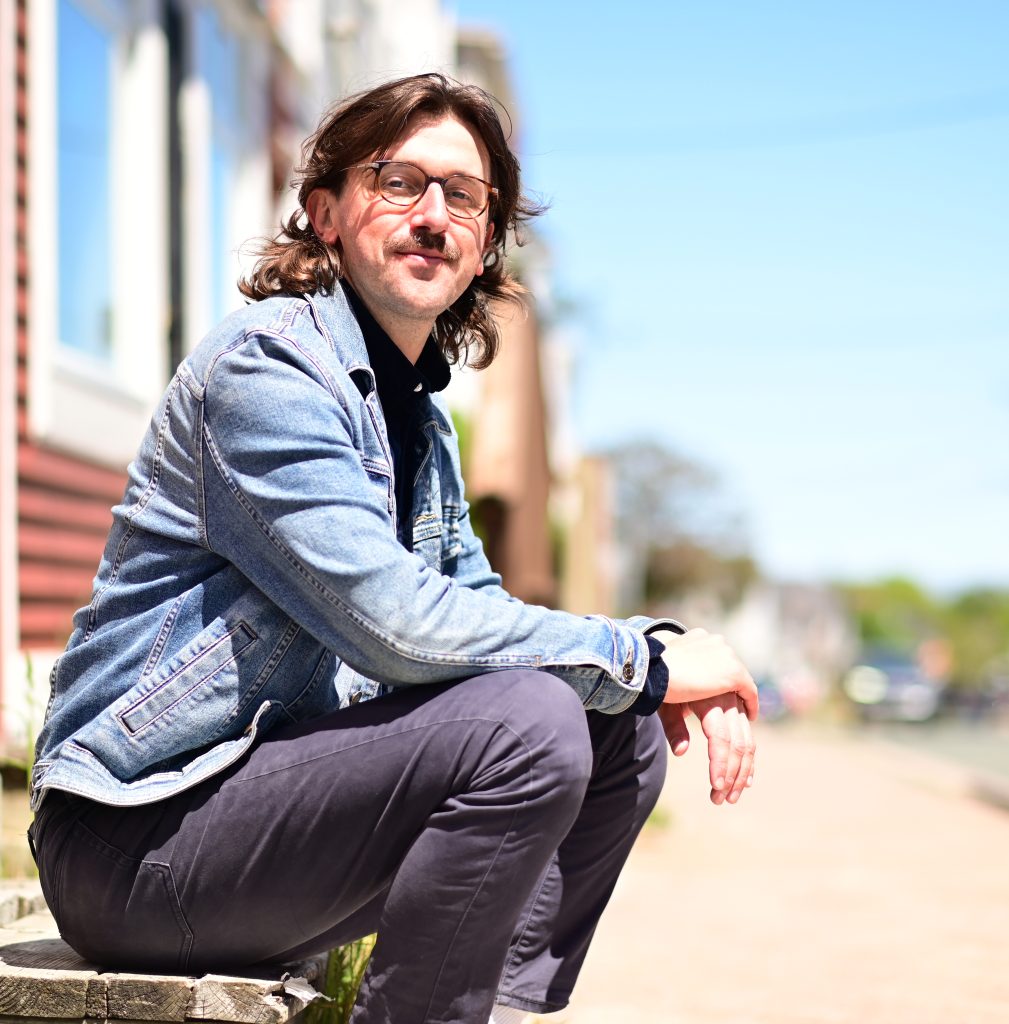
When the Russian government decides to use its military against Ukraine, Talankin’s school, along with countless others, begin to receive orders from the Russian government to film students reciting and being taught war propaganda. Talankin opposes this but sees an opportunity where he can continue being the school’s videographer, but decides to start shipping his footage out to journalists in Europe so they can help create the documentary and document how youth are being brainwashed in modern times. To the point where Talankin eventually sees his students being drafted against their will to fight in the war, and even his school becoming a training ground. All while he is filming. The documentary went on to serve as a realtime documentation of what was happening to youth across Russia and the widespread impacts propaganda and messaging can have. It’s powerful, and real — watch it if you can. It was one of those things that reminded me that we all have our part to play.
Do you have tips or story ideas for Kenny? Email him at kenny [dot] sharpe [at] theindependent [dot] ca.

Author

Related Articles
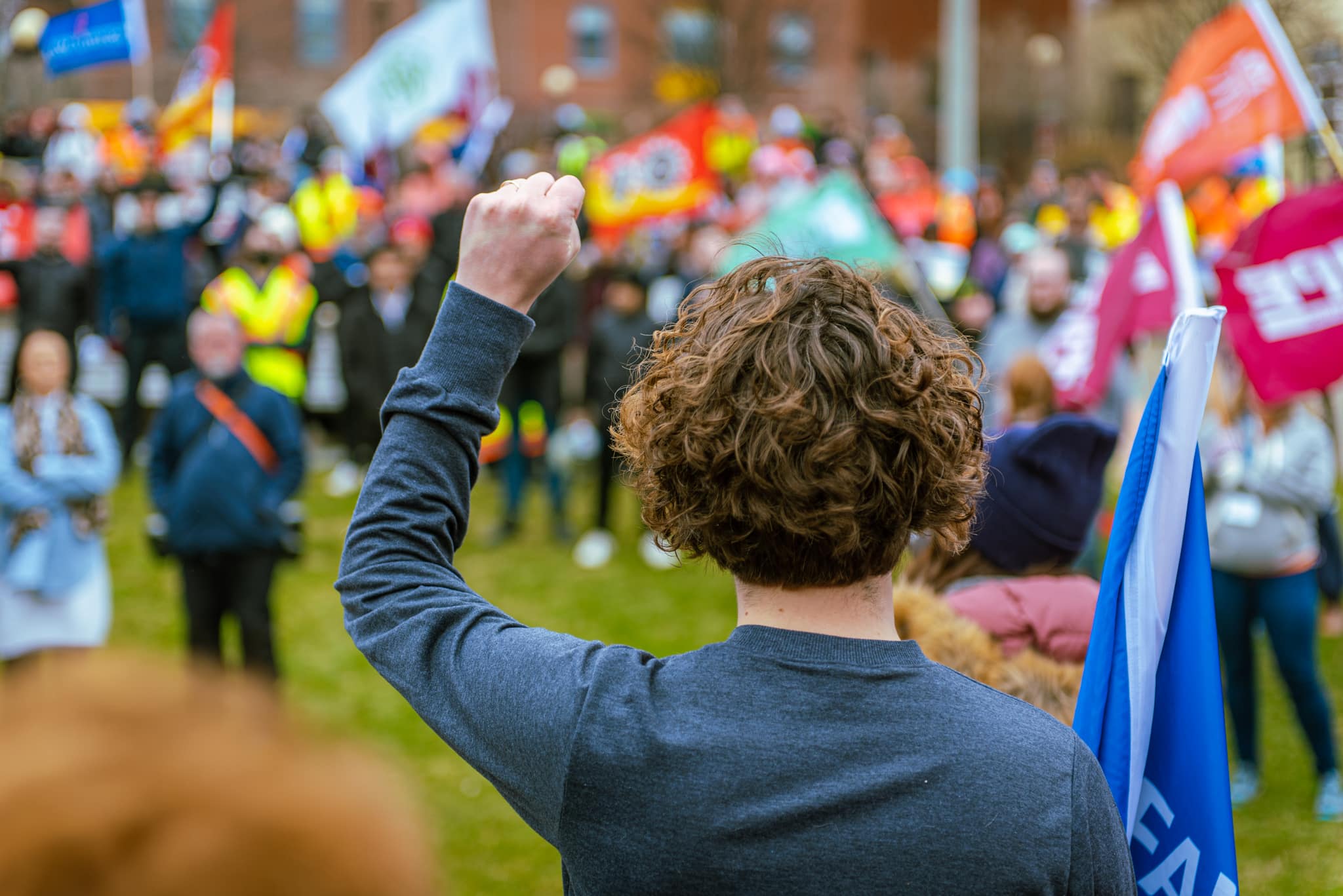
May Day Rally Shows New Face of Today’s Labour Movement
Turnout for May 1 march and rally in St. John’s one of the biggest yet in this province
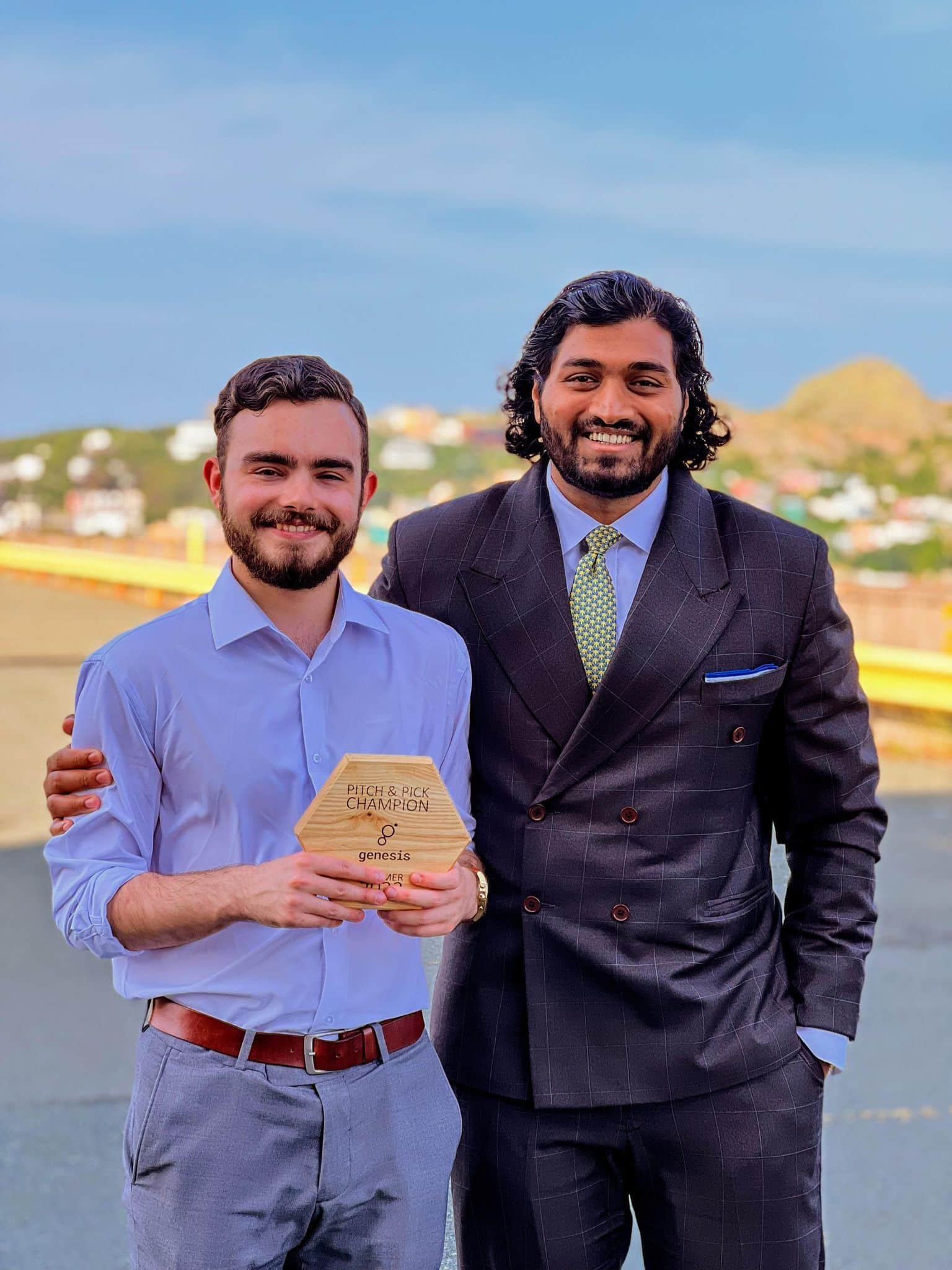
Recimply the Best: Pitch and Pick Competition Winner Aims to Reduce Paper Waste
Recimply won big at Genesis’ annual Pitch and Pick competition last week. The startup is solving the problem of non-recyclable paper receipts.

Coming Home Queer for the Very First Time
For three days in July, queer Newfoundlanders and Labradorians from all over the world celebrated a rural homecoming 30 years in the making.
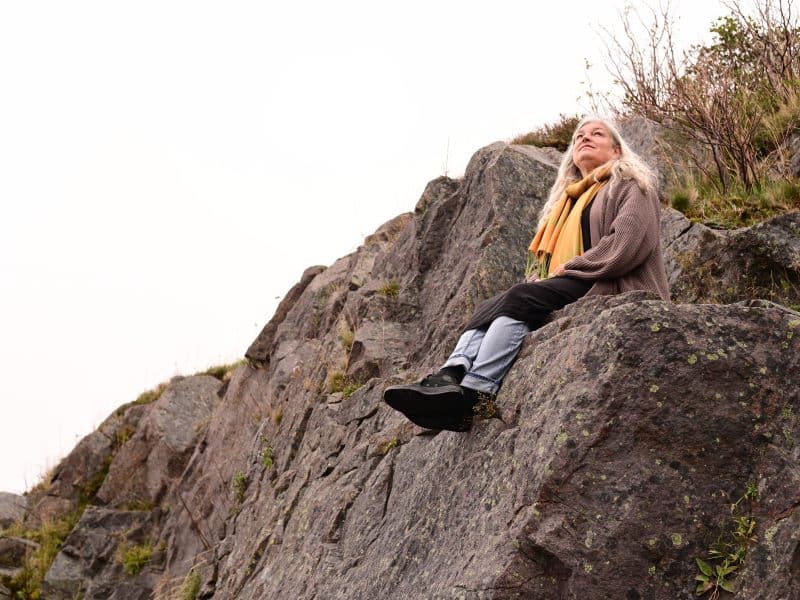
Meet The Independent’s new publisher!
With a background in the non-profit sector and a deep desire to see independent journalism thrive in Newfoundland and Labrador, Michelle Bush has found a home at The Indy
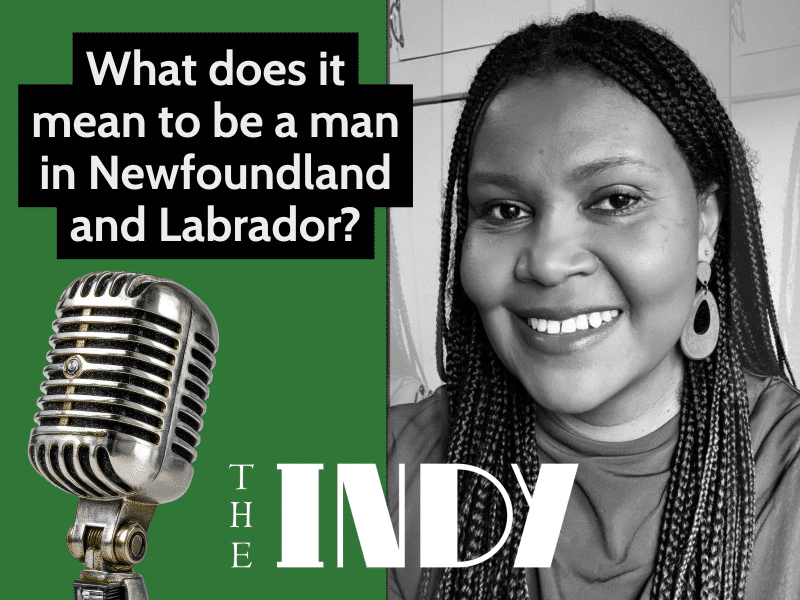
Men of N.L.: I want to hear from you!
We’re making a new podcast exploring what it means to be a man in NL today and the experiences that shape men’s lives
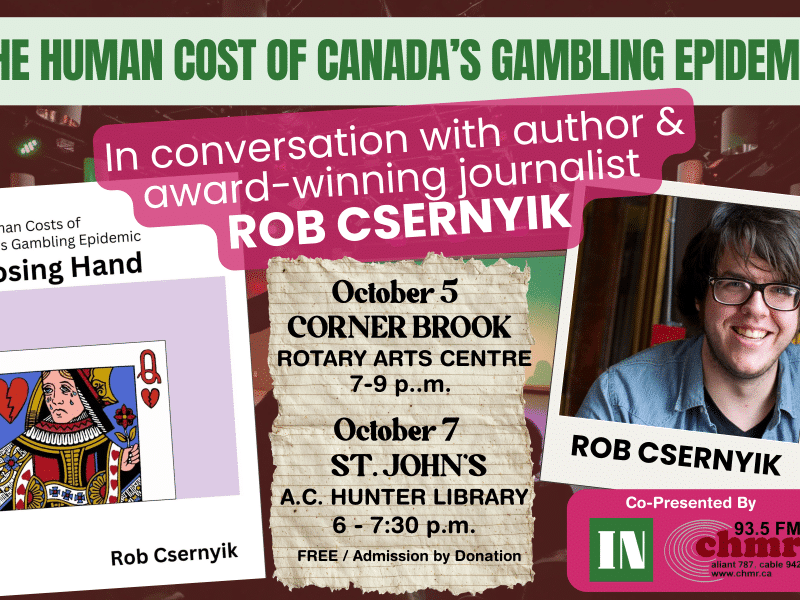
EVENTS: In Conversation with Award-winning Journalist and Author Rob Csernyik
Join us in Corner Brook (Oct. 5), St. John’s (Oct. 7), or online