
Newfoundlanders join convoy trying to break Israel’s siege of Gaza
Nikita Stapleton, Sadie Mees and Devoney Ellis are in the Mediterranean preparing to launch
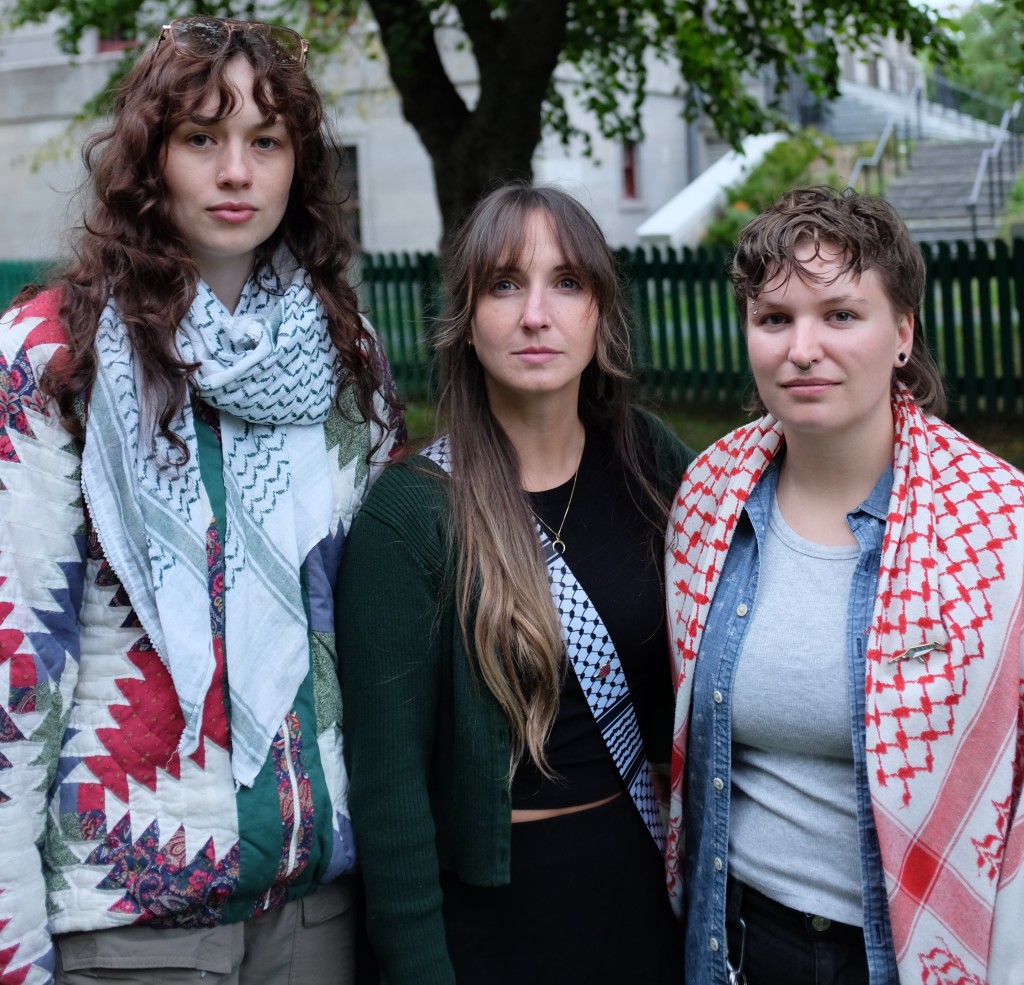
When a convoy of humanitarian aid vessels attempts to break Israel’s brutal and deadly siege of Gaza later this month, three Newfoundlanders will be on it.
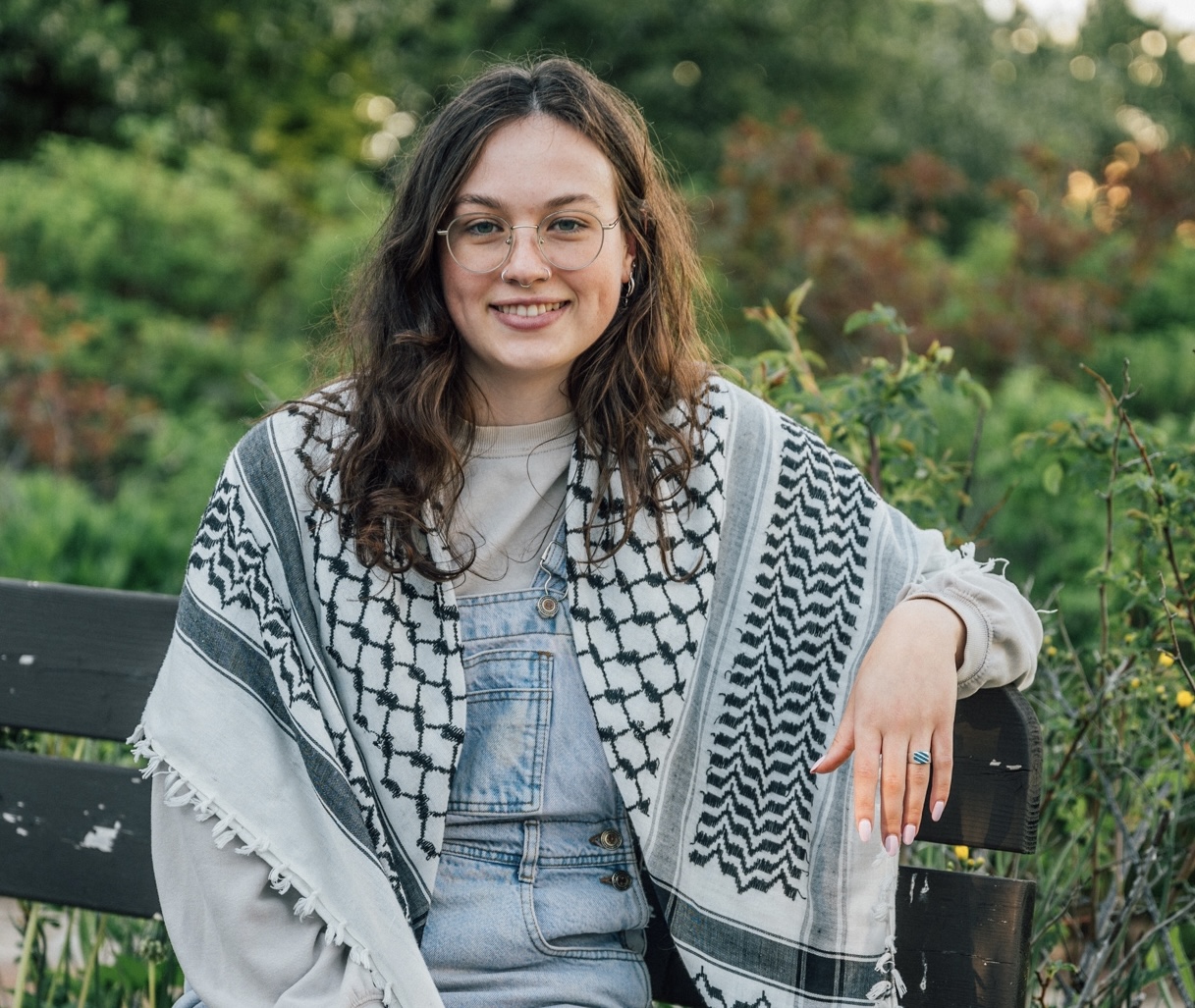
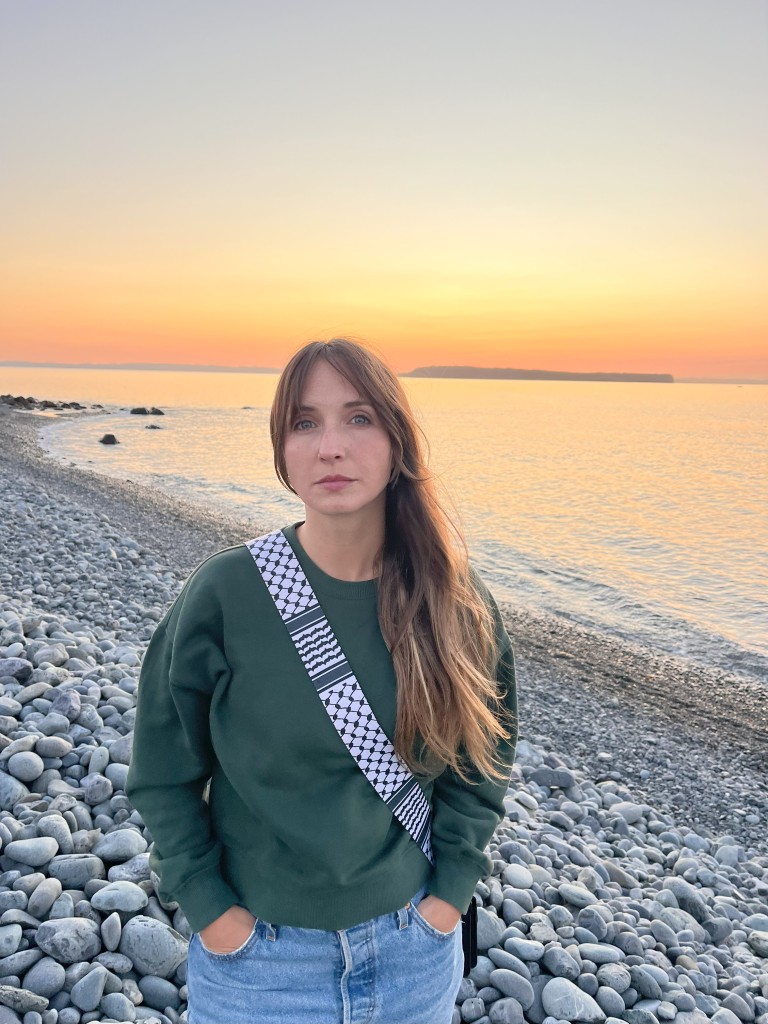
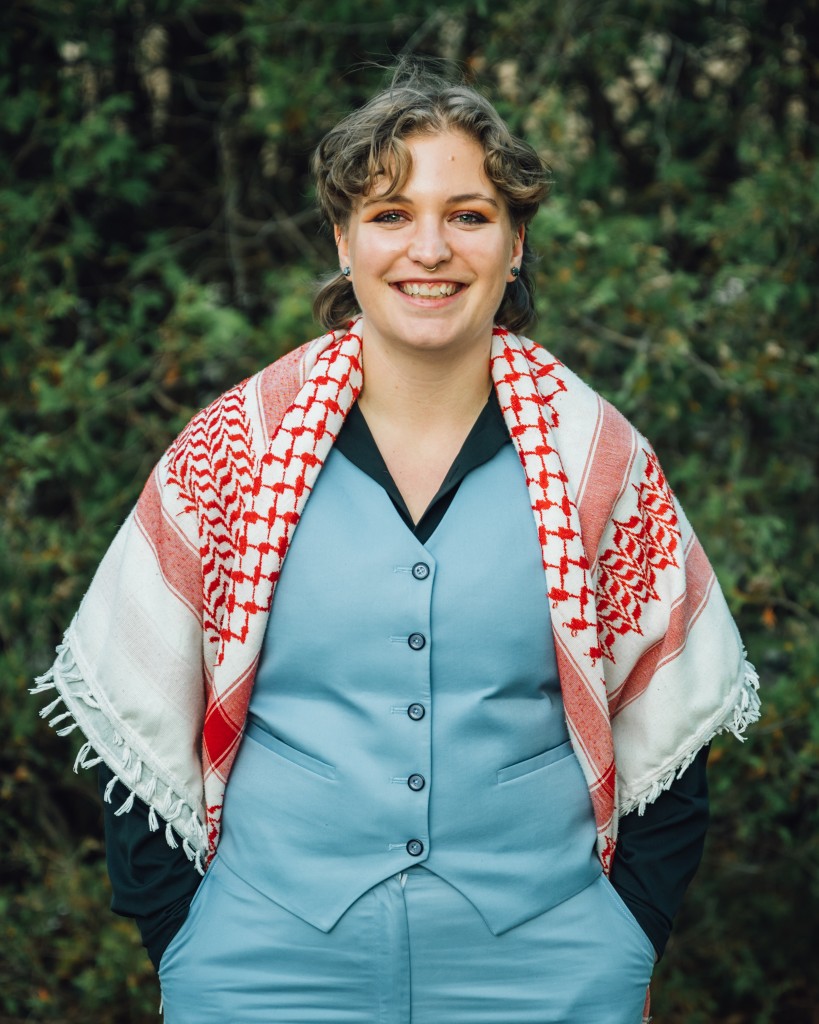
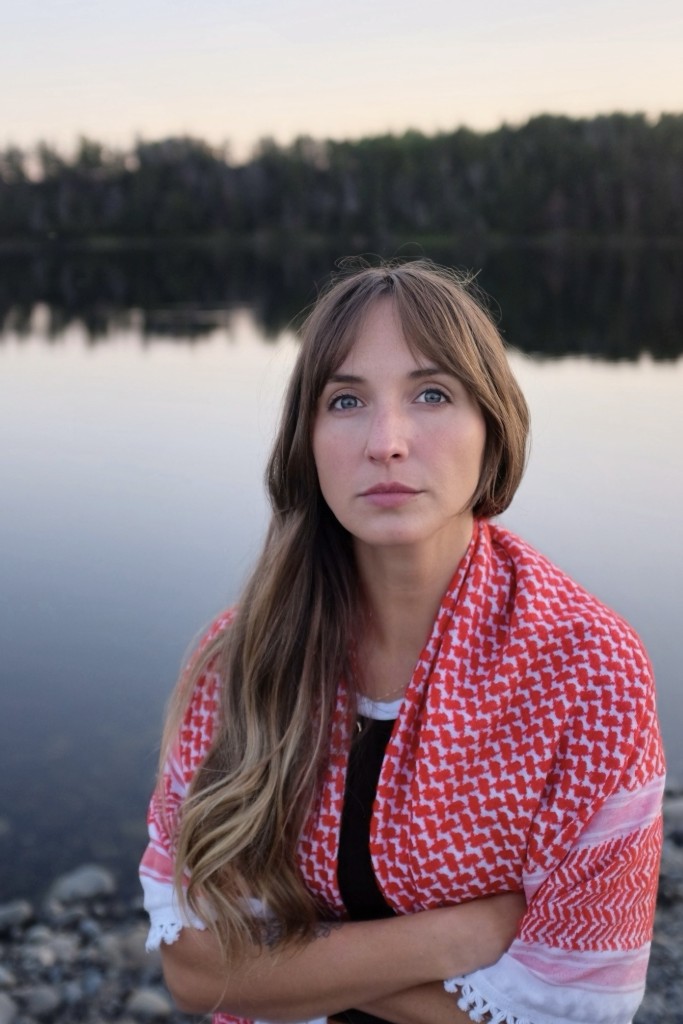
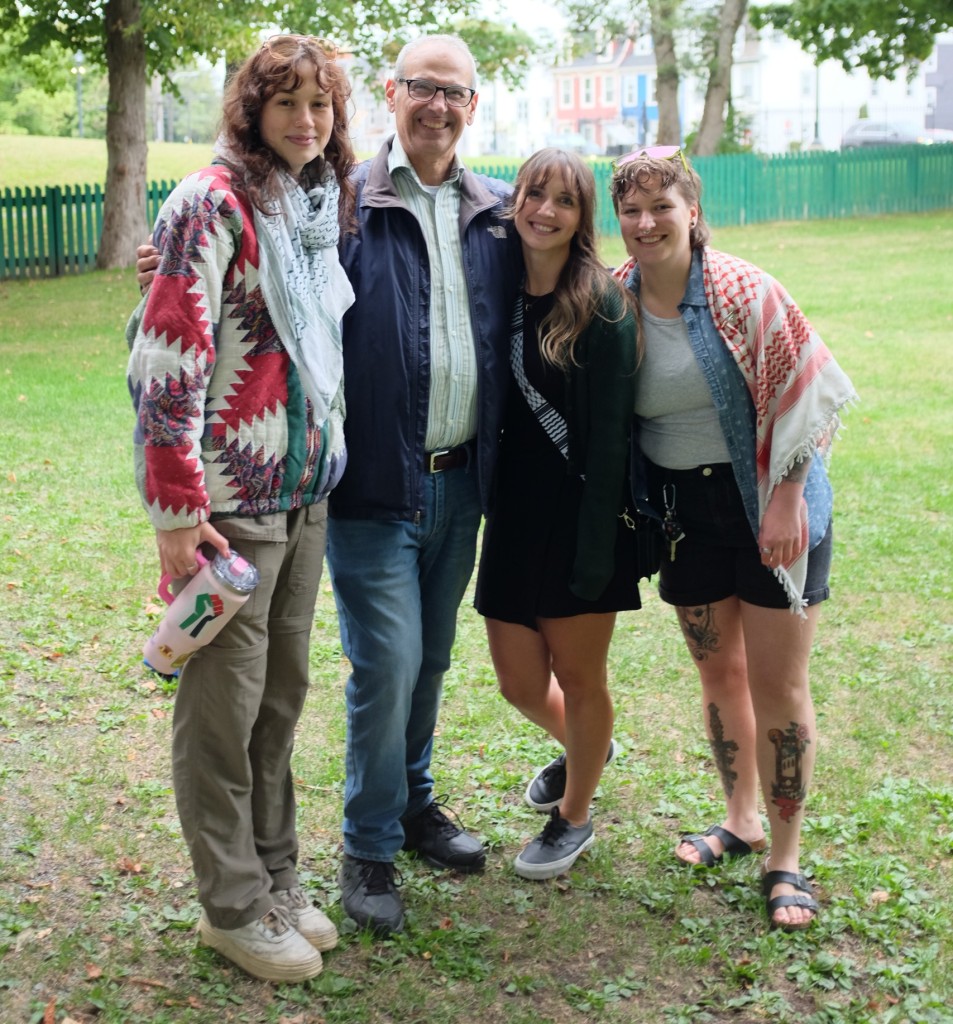
Nikita Stapleton, Sadie Mees, and Devoney Ellis all arrived in Europe this week to join volunteers from other countries in a convoy organized by the Freedom Flotilla Coalition, which was formed in 2010 by several international groups with the aim of breaking Israel’s illegal and deadly blockade of Gaza. They’ll be setting sail for Gaza in another attempt to break Israel’s blockade and deliver critically needed medical and humanitarian supplies.
Stapleton, a teacher from Portugal Cove-St. Phillips, Mees, a Memorial University graduate student, and Ellis, a recent graduate of Memorial, have been involved in Palestine solidarity activism and were arrested in July 2024 when Royal Newfoundland Constabulary officers raided a solidarity encampment at the university. The charges were later dropped and a charter challenge is underway.
In the face of Israel’s mounting genocide and its deliberate use of famine and starvation of Palestinians, civilian boat convoys have emerged as a key effort to break the siege and deliver humanitarian aid. Organizations like the Freedom Flotilla Coalition and its predecessors have been organizing convoys in efforts to break the siege and deliver humanitarian aid since 2008, although no boats have made it through Israel’s blockade since 2010. Israeli military forces have intercepted the humanitarian vessels in international waters, and Israel’s attacks on humanitarian aid boats—sometimes using violent and deadly force—have been deemed a violation of international law.
Will you stand with us?
Your support is essential to making journalism like this possible.
Despite Israel’s interceptions, the convoys have been growing in size. The Global Sumud Flotilla set sail Aug. 31 and, with more than 50 ships carrying over 350 civilians from 44 different countries, will be the largest convoy yet to try to break the siege. It’s presently in Tunisia, where additional boats are en route to join it.
Attack on boat
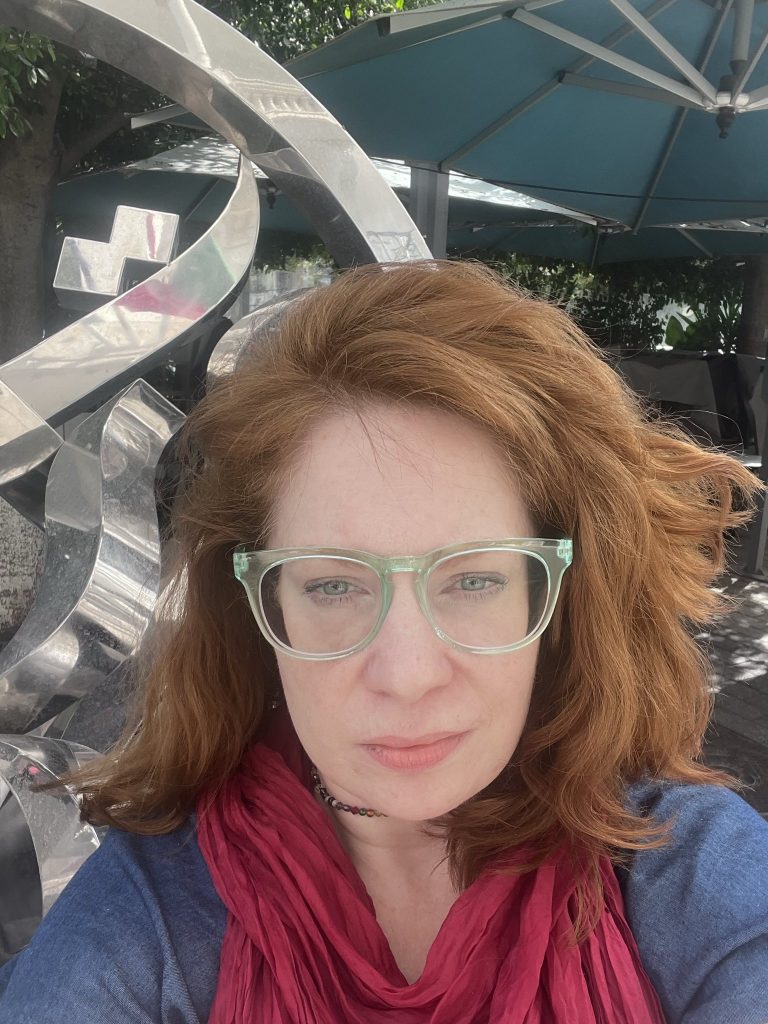
Last night, following The Independent’s interview with the three Newfoundlanders, one of the Sumud Flotilla boats—flagged as a Portuguese vessel—was struck by a drone attack, causing extensive fire. Another Newfoundlander, Heidi Matthews (a law professor at Osgoode Hall Law School) was present when it happened. Matthews has been in Tunis for the past week, preparing to sail in a legal support boat. Her boat—named Shireen after Palestinian-American journalist Shireen Abu Akleh who was murdered by Israeli soldiers in 2022—is not part of the flotilla but will be trailing it to provide legal support and human rights monitoring. That work began with last night’s drone strike.
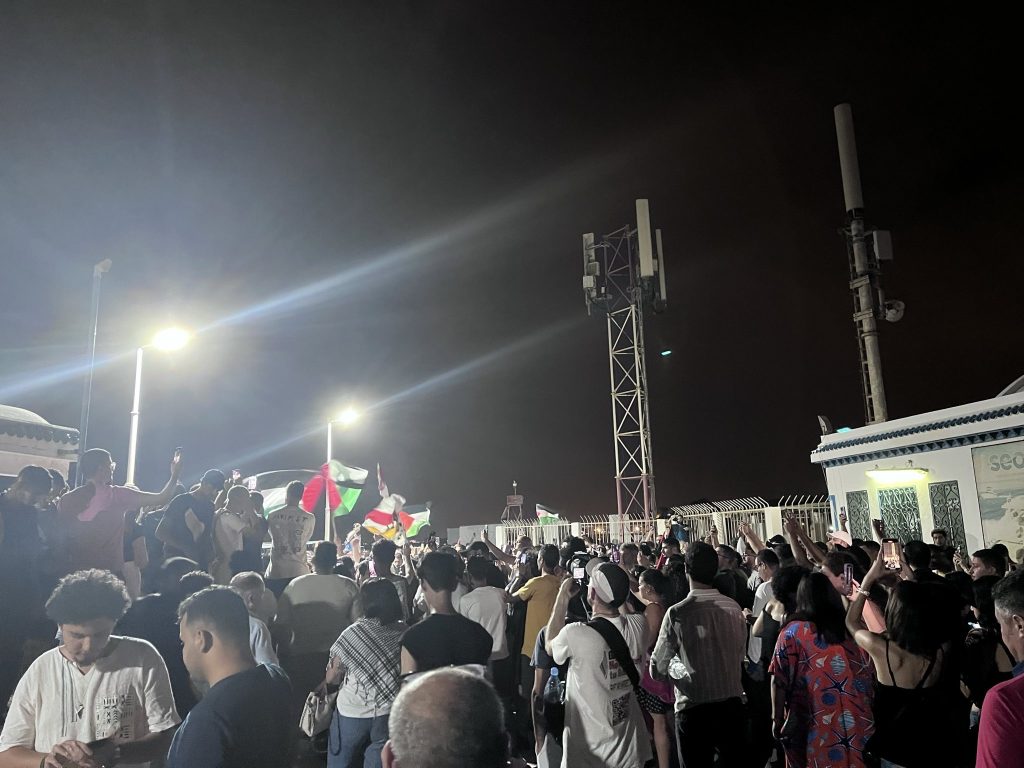
“Basically as soon as it happened we went from the hotel where we were working down to the port,” she explained in a phone interview with The Independent. “I spoke to people on the vessel, did our human rights incident documentation steps, [and] documented all of the particulars.” By the time Matthews left the port late Monday night, “there were several hundred people who had converged to support the flotilla, so there was kind of a rally happening as we left.”
Matthews says, based on her interviews as well as video footage, it appears a drone which had been hovering above one of the vessels dropped “what looked like a big fireball” onto the boat. It caused a substantial fire several metres wide, but the crew acted quickly and were able to extinguish it. She said six people were on the vessel when it happened, including two who were sleeping very close to where the fireball hit, which was also close to the boat’s fuel container.
Newfoundlanders on Freedom Flotilla Coalition boat
Stapleton, Mees and Ellis will be traveling on a separate mission organized by the Freedom Flotilla Coalition (FFC), one of the groups also participating in the Global Sumud Flotilla. More details about that flotilla and its composition will be released at an FFC press conference on Friday. They’re presently slated to sail to Gaza on an all-women’s boat.
The three Newfoundlanders left the province Saturday and flew to the Mediterranean port of Ajaccio, France where their boat is presently docked while final preparations are made. “It was a long journey to get here, a lot of figuring out our whereabouts and roles, it’s been a lot to sort out,” Stapleton told The Independent in a video call Monday. “There’s a lot of moving parts. We’re definitely really exhausted.”
Stapleton and Mees, who have experience on boats, are serving as crew members while Ellis is a participant. All three have been involved in Palestine solidarity work since 2023, but watching two years of escalating violence, coupled with the inaction of the Canadian government, left them with the conviction they had to do more.
Organizations including Amnesty International, Medecins Sans Frontieres, the International Federation for Human Rights, the International Association of Genocide Scholars, and more have all concluded Israel’s brutal occupation constitutes a genocide, and called for urgent international action. In January Doctors Without Borders reported that 70 percent of all infrastructure in Gaza had been destroyed by Israeli airstrikes, while over 63,000 people have been killed, including at least 248 journalists.
Israel’s own internal reports have acknowledged that at least 83 per cent of casualties in Gaza have been civilians, and in November 2024 the International Criminal Court issued arrest warrants for Israeli Prime Minister Benjamin Netanyahu and former Defense Minister Yoav Gallant for using starvation as a method of warfare and other crimes against humanity.
In May of this year, a special experts working group appointed by the United Nations Human Rights Council issued a dire statement, warning that since March, “Israel has reinstated an even harsher blockade on Gaza, effectively trapping its population in misery, hunger, and disease,” threatening 2.1 million people in “the direst humanitarian crisis,” they said.
“No one is spared – not the children, persons with disabilities, nursing mothers, journalists, health professionals, aid workers, or hostages. Since breaking the ceasefire, Israel has killed hundreds of Palestinians, many daily – peaking on 18 March 2025 with 600 casualties in 24 hours, 400 of whom were children,” the UN statement reads. “This is one of the most ostentatious and merciless manifestations of the desecration of human life and dignity.”
Yet there’s been a lack of tangible response from countries such as Canada.

“The situation is just so desperate, there’s a genocide and a manufactured famine that’s basically been being livestreamed for two years now,” Stapleton told The Independent. “Humanitarian organizations have been raising alarms and our own country has not only failed to oppose what’s happening, but is actively complicit in it by providing diplomatic cover and by allowing transfer of weapons and weapons components to Israel to continue
“We really felt horrified by the genocide and disgusted by our own country’s complicity, and the complicity of our institutions, and we wanted to find ways to tangibly and meaningfully respond to that,” Stapleton continued. “When our countries fail to uphold international law and do the right thing, then citizens have to take direct action. We feel that us taking this direct action has been necessitated by our government’s inaction and complicity.”
Mees concurs. “We’ve seen hundreds of thousands of people killed, there’s intentional starvation, there’s deprivation of medicine and all the basic necessities of life, and it’s something that we see happening every single day. At a certain point distributing flyers about it just isn’t enough.”
Israel’s illegal blockade
Israel’s blockade has been declared illegal by the International Committee of the Red Cross, United Nations High Commissioner for Human Rights, Amnesty International, the European Parliament, and others. Its interception of humanitarian aid vessels in international waters, some of which have included deadly force, violate a number of international legal conventions. A 2010 flotilla was intercepted by Israeli soldiers who killed 10 passengers and injured dozens more. A United Nations fact-finding mission determined Israeli soldiers had killed injured civilians who posed no risk and that “Israeli forces carried out extralegal, arbitrary and summary executions prohibited by international human rights law.”
“Israel’s interception of these ships in international waters is illegal and each time that they’re doing that, they’re violating international law, and they’re doing that with multiple citizens from different nations,” said Stapleton. “And those citizens are really stepping up.”
“Israel has a long history of doing this,” explained Matthews, noting that on May 2 another FFC vessel, the Conscience, was bombed by drones, although no one has claimed responsibility for the attack. Matthews said Israeli officials have been “threatening the flotilla for several days, they’ve been talking about taking measures that would have a deterrent effect on the flotilla.”
“These are unarmed civilians that are volunteering their time to take part in the mission. There are no weapons of any kind on the boats, there’s just humanitarian aid, food, baby formula, medicine, that kind of thing,” Matthews continued.
“This is an extension of Israel’s starvation policy because it’s meant to be an enforcement of the blockade, so I actually think this is part of the overall starvation policy and also constitutes an act of terror against civilians.”
Following the election of Hamas in Gaza in 2007, Israel launched a complete economic blockade. This rendered Gaza entirely dependent on international aid, and has contributed to the current conditions of famine and starvation there.
According to a World Health Organization, “[m]ore than half a million people in Gaza are trapped in famine, marked by widespread starvation, destitution and preventable deaths … Access to food in Gaza remains severely constrained. In July, the number of households reporting very severe hunger doubled across the territory compared to May and more than tripled in Gaza City. More than one in three people (39 percent) indicated they were going days at a time without eating, and adults regularly skip meals to feed their children. Malnutrition among children in Gaza is accelerating at a catastrophic pace. In July alone, more than 12,000 children were identified as acutely malnourished – the highest monthly figure ever recorded and a six-fold increase since the start of the year.”
Matthews said “[b]lockades that target civilian populations for collective punishment, or that disproportionately impact civilian populations, are unlawful,” and that “no blockade is lawfully enforceable to the extent that that enforcement deprives the civilian population of the essentials of life and amounts to the use of starvation as a weapon of war.”
Matthews emphasized that attacks on civilian boats are just part of the much broader campaign of genocide Israel is conducting in Gaza. “If you look at what’s happening in Gaza right at this moment, you’ve got threats of annihilation of all of Gaza City, approximately one million people being told immediately to evacuate, the destruction of some 30 or more high-rise residential buildings in the last day or two — I mean, just massive apocalyptic destruction against the civilian population itself,” she said.
“So the violence happening against the flotillas is part of the broader context of violence that’s happening in Gaza, the destruction of Gaza that is ramping up to absolutely apocalyptic levels in recent days.”
Stapleton said that while they’re attempting to break the siege and deliver humanitarian aid, aid won’t stem the slaughter as long as Israel is able to continue its attacks. So they’re encouraging people to pressure the federal government to enact a full two-way arms embargo on Israel. Although Canada has previously committed to cease arming Israel, recent reports revealed Canadian-manufactured arms and ammunition are continuing to flow to the Israeli military.
“We really want people to start pressuring their local representatives and the Canadian government as a whole to ensure safe passage for this boat and for all the boats, and to allow for consistent humanitarian aid to be allowed through,” said Mees.
“We want people calling their MPs, we want them calling the foreign affairs minister, we want them applying as much pressure as they possibly can, through any avenue that they have, to tell the government that this is something that Canadians want. We want the siege to be broken and we won’t just continue to sit there and watch a genocide and this manufactured famine escalate, especially given our own government’s complicity.”
Ellis said they’re also calling on the Canadian government not to allow Canadians who served in the Israeli Defence Forces to return to Canada. In June the RCMP confirmed it’s conducting an investigation into whether Canadian citizens who served abroad may have committed war crimes.
“That is another form of direct action they could be taking, to ensure that participation in genocide is not welcome in Canada and that people who have participated in genocide are not welcome back in our communities,” Ellis said.
Newfoundlanders have previously sailed for Gaza
Stapleton, Mees and Ellis aren’t the first Newfoundlanders to travel with a freedom flotilla. In October 2016 Marilyn Porter was one of three Canadians aboard the Women’s Boat to Gaza, which sought to draw attention to the plight of women under the Israeli occupation. That boat was intercepted by the Israeli military. In 2018 Majed Khraishi, a local medical doctor, served as doctor on another Freedom Flotilla boat for part of its journey. He departed the boat before its interception by the Israeli military, who beat and tasered some of the crew.
Khraishi is proud that other Newfoundlanders are taking direct action and feels Canadians ought to be outraged at the lack of action being taken by the federal government to stop Israel’s genocide. “Nobody is doing anything material to stop the genocide,” he said. “The fact that ordinary people like these young Newfoundlanders left the comfort of their homes to go on a small boat and go all the way to Gaza, and face real danger—this is one of the things that gives all of us hope. It shows there is always a bright side—it’s not just the horrible people running the world and controlling us.”
During Khraishi’s time with the flotilla, he worked with other volunteers from a number of countries: Sweden, New Zealand, Australia, Norway, Spain, France and elsewhere. “It shows that people have had enough of this inaction and the complicity and complacency of many countries, including Canada,” he said. “These people had the courage, the bravery, the humanity to decide to do something.
“People always say ‘never again’ when they’re talking about the Holocaust in the Second World War. Yet it happened in Rwanda, it happened in Bosnia and the Yugoslav republics, and now it’s happening in Palestine. And it seems that we never really have learned—at least not the governments. They’ve said ‘never again’ so many times, and yet they see it happening again and practically none of them are doing anything except these young people.”
Khraishi says he’s shocked by the silence of our province’s federal representatives in the face of genocide. “I have tried multiple times to contact my MP, Tom Osborne, and I haven’t even received a response,” he said. “Not even a letter saying he had received my correspondence as a constituent. Nothing.
“The whole world is now seeing the truth of what’s going on, and these people who sat back and watched, and who could have helped but didn’t do anything, are complicit with what’s going on.”
Local Palestine solidarity activists have also been trying unsuccessfully to meet with St. John’s East MP Joanne Thompson. A rally outside her office on July 24 ended with protestors being escorted out of the building by police.
Khraishi was glad to hear Monday’s news that Spain has imposed a sweeping series of measures designed to achieve a total arms embargo on Israel. Spain’s ports and airspace will be off-limits to vessels transporting military and defence material, among other measures. Khraishi wants to see Canada do the same. “They have to announce concrete measures and not just lip service.”
‘A call to political action’
Matthews says the fact three Newfoundlanders will be sailing with the next flotilla is “amazing.”
“It’s a testament to them and the other activists in Newfoundland who have been doing this for a long time,” she said. “It’s a call to political action on the part of Newfoundlanders, saying don’t let politicians rest; be in touch with them, demand safe passage of the flotilla […] it’s a call to action from ordinary people because their lives are going to literally be on the line.
“Canada has an obligation to take all reasonable measures within its power to prevent the genocide and to end it,” Matthews continued, adding it also “has an international obligation to act to ensure that Israel’s unlawful occupation as a whole throughout all of the Palestinian territories comes to an end as rapidly as possible.
“We’ve seen very very little action—a little bit of sanctioning,” Matthews said. “I would say the [Israeli] government is openly inciting violence against the flotilla and now may well have been involved in actual violence against the flotilla, so when it comes to having Canadian citizens taking part in these missions, it behooves the government even more to take a firm stance.
“Part of that involves denouncing the blockade as unlawful, demanding the safe and free passage of humanitarian goods and assistance, and actually facilitating it from a government level. The reason why members of civil society are feeling the need to engage in these flotillas in the first place is because governments are failing manifestly in their international obligations to prevent genocide, by way of starvation in this case.”
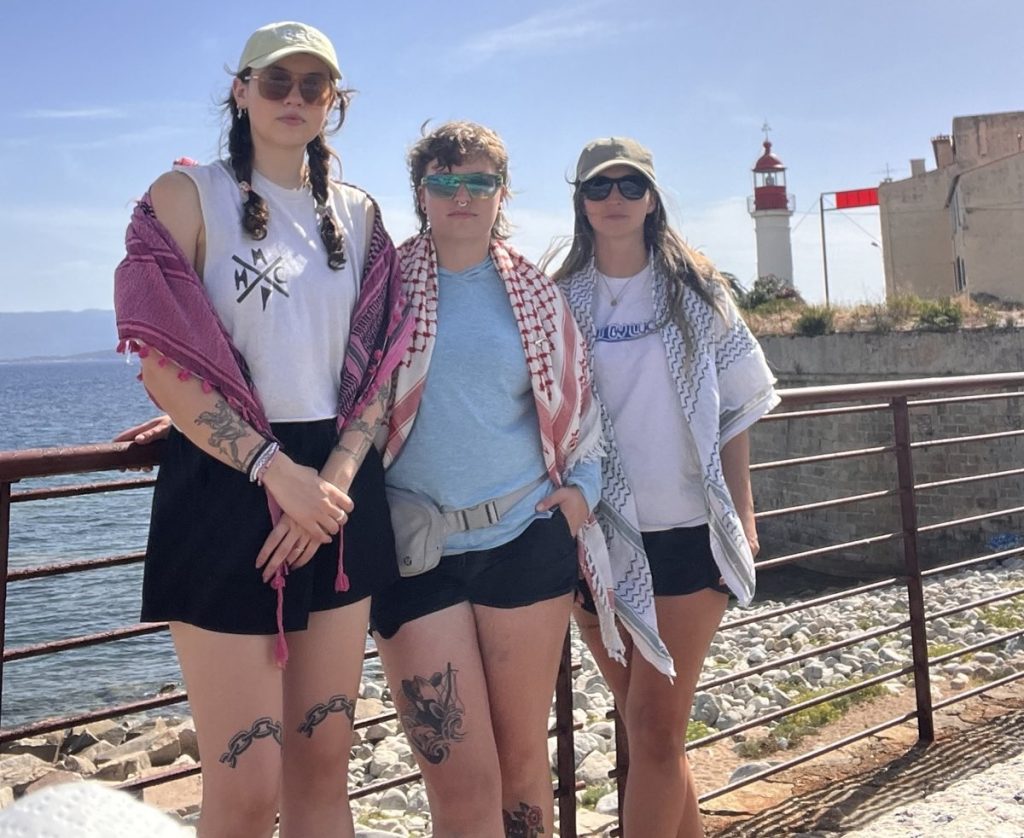
It’s been a whirlwind for the three Newfoundlanders as they prepare for their departure, but they’re hopeful and energized. “There’s a lot to be done, a lot of moving parts, but there is something very hopeful about seeing people who have come together for this cause,” said Stapleton. “There’s something that is very comforting about being in the presence of other people who care and are passionate about this.”
“The energy is very high, there’s a lot of work being done,” said Ellis. “This is not a vacation—everyone is working extremely long days, long hours, and everyone is contributing in their own way depending on what skills they have. So everyone is working and motivated which is really great to be around. Everyone is here and united for a cause.”
All three hope their actions will inspire others to start speaking up more loudly at home. “I think if anyone has been waiting for a sign to speak up, now is probably the time,” said Ellis. “If someone’s been waiting and for whatever reason hasn’t been publicly speaking up, hasn’t been emailing, now is the time. Now’s the time to start speaking up.”

Author
Related Articles
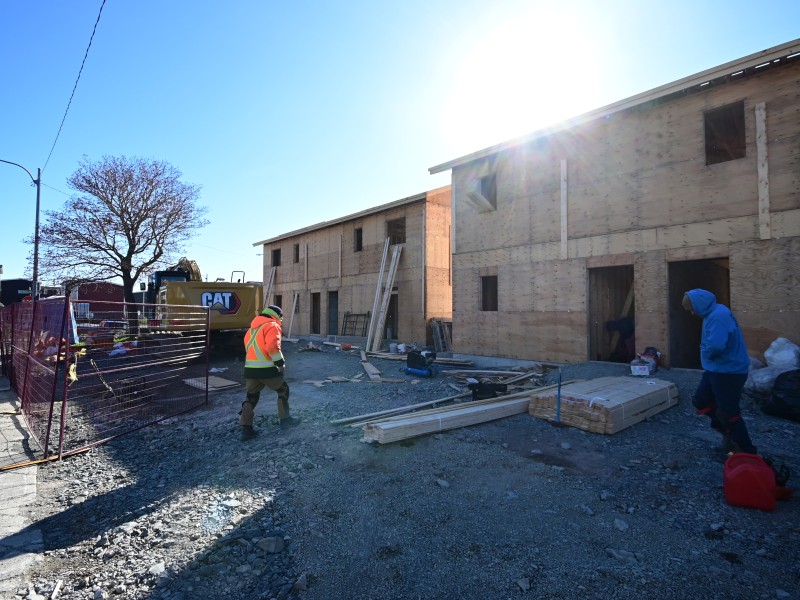
PCs have no plan to meet ambitious housing targets
Finance minister pins housing hopes on federal funding, says his own portfolio of rental properties doesn’t put him in a conflict of interest
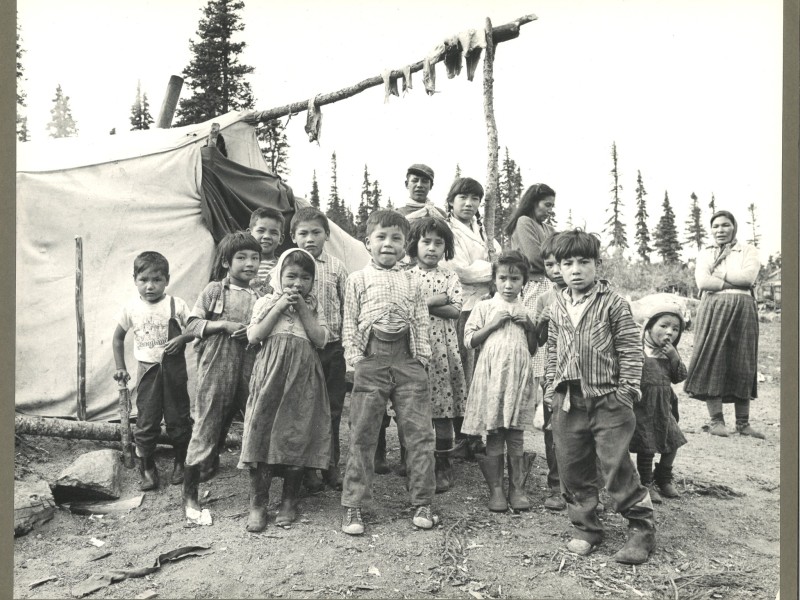
Photos returned to Innu ahead of Labrador exhibit showcasing history, culture
Cultural Guardian Jodie Ashini hopes the archival photographs will help strengthen youth’s connection to Innu culture, and ultimately improve mental health
Can N.L. have oil and gas, and climate targets too?
Finance minister says yes, but ATI requests show there’s no plan for how to do both — and reveal significant unpublished emissions estimates