
Mother of incarcerated youth calls for dedicated addiction care at new St. John’s prison
Government scant on specifics but health authority says new prison will have two new mental health units and larger clinical space for psychiatry and opioid dependency
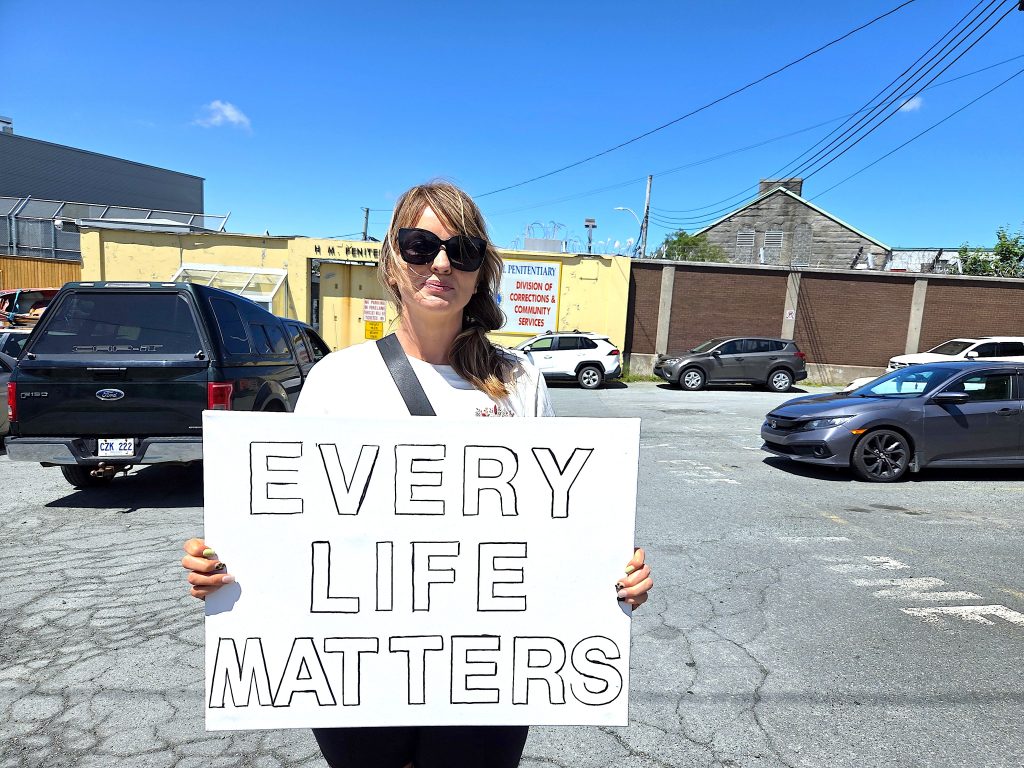
Michelle Fowler says she’s hopeful the new provincial prison, now under construction in East White Hills in St. John’s, will provide incarcerated people like her son with the rehabilitation they desperately need.
“My son is the first person who has been charged in Newfoundland with manslaughter due to selling illicit drugs that caused a death in the province,” Michelle Fowler told The Independent while standing outside Her Majesty’s Penitentiary.
The charges against her son have not been proven in court, and although difficult to talk about, Fowler says speaking out is helping her cope. She also hopes going public will lead to change. She says it was her son’s addiction, which he couldn’t get help for, that led him on a path to HMP.
“I’m a parent and I know that my son needs accountability for his choices and his actions,” she says. “But at the end of the day he needs help with his addiction and mental health – what got him in jail in the first place.”
Will you stand with us?
Your support is essential to making journalism like this possible.
In July 2025 Fowler’s son Zachary Mulrooney, then 19, was arrested and charged with manslaughter in connection with the death of 14-year-old Axel Martin. Martin died in March 2025, after which the province’s medical examiner ruled the teen died from an overdose.
Martin’s death sparked rallies from St. John’s to Happy Valley-Goose Bay calling for government accountability and highlighting growing frustration with the province’s justice and mental health care systems.
The Royal Newfoundland Constabulary said at the time Martin ingested what he thought was Xanax and Dilaudid, but that the pills he took “actually contained a deadly concoction of synthetic opioids.” The force alleges Mulrooney supplied those drugs.
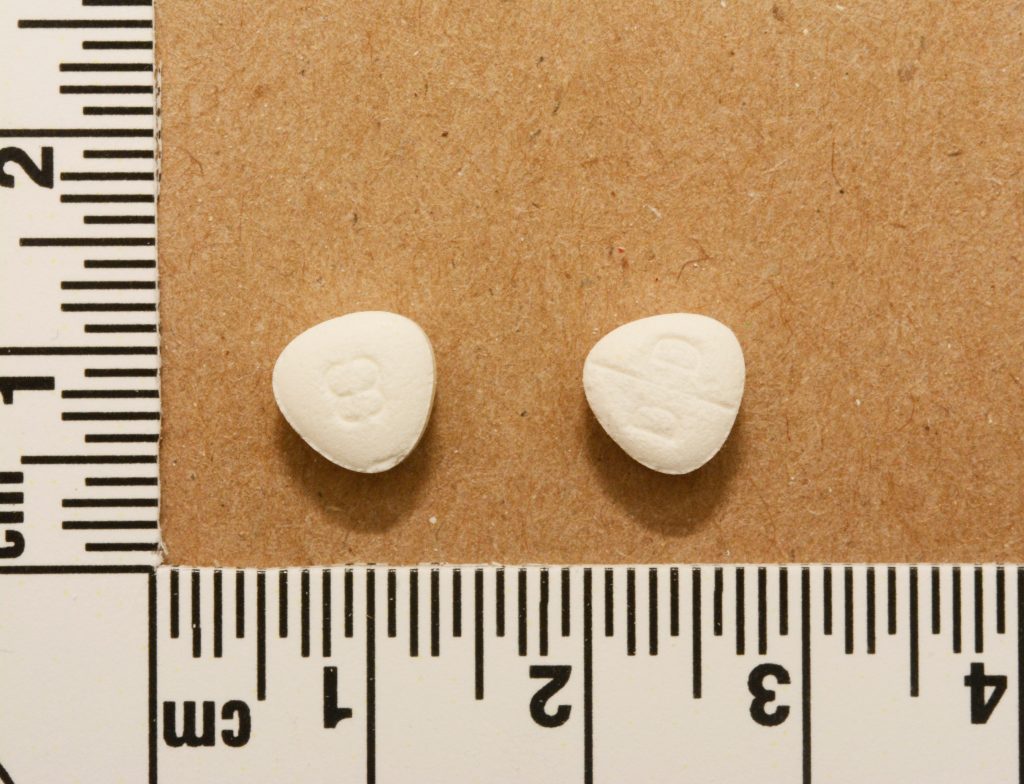
Mulrooney, who was released from custody and set to appear in court at a later date, was then arrested in December 2025 in relation to a separate incident. This time the RNC charged him with two counts of possession for the purpose of drug trafficking. They arrested Mulrooney at a shopping centre and said he was in possession of pills police claim were Dilaudid but suspected they contained “more noxious substances.”
Fowler says her son has been in HMP ever since.
“It was really hard for me to come forward about my son because when it all happened I didn’t really know much,” she said. “Of course I knew about his addiction and mental health, but what had actually happened was a very big shock to me.”
Then came the public response to the situation.
“It affected me mentally, you know, the comments on social media.” She said there was “a lot of hate speech – not [comments] like, ‘How did this young fella get to where he got?’” she recalls. “So it felt very shaming and stigmatized because of what had happened.”
Since being admitted to HMP, Mulrooney has received little in the way of rehabilitation help, Fowler says. “We know that detox does not happen at HMP. They’re just shoved in there and they are detoxing on their own in most cases.”
She knows she’s not the only parent in the province living this reality. “There’s a lot of people in Newfoundland dealing with their children and loved ones dealing with addiction and mental health breaks,” she said.
With Mulrooney still awaiting trial after nine months inside HMP, Fowler said she decided to hold her first protest outside the notorious 167-year-old prison.
“Most people who are inside of there commit crime due to addiction and mental health,” she said. “They keep going back because they’re not being given the proper help for rehabilitation.”
Past reporting by The Independent found that correctional facilities workers in Newfoundland and Labrador, including medical staff, have estimated 77-87 per cent of incarcerated individuals have addiction or other mental health issues.
Fowler hopes the new prison will offer incacerated people who “really want to get better” dedicated facilities and resources for drug detoxification, rehabilitation, and recovery. “And having separate areas for more programs geared towards addiction and mental health so that they can rehabilitate.”
“More doctors, nurses, psychiatrists, therapeutic recreation,” she said. “I don’t think they’re getting much of that right now at HMP. It’s very limited.”
Fowler said she’s finding help through faith, and through people like Mike Williams, who helped organize the small rally for her son outside HMP. “I got introduced to a lot of similar people like my son, who were actually battling addiction and actually in recovery. It was like, ‘Oh my God, if these people can get better, then my son can get better too.’”
‘My friend’s daughters and sons are in HMP’
“I was a violent criminal in this city—committed a lot of violent crimes: drug dealing, drug running. And now I’m 16 years clean,” said Mike Williams outside HMP.
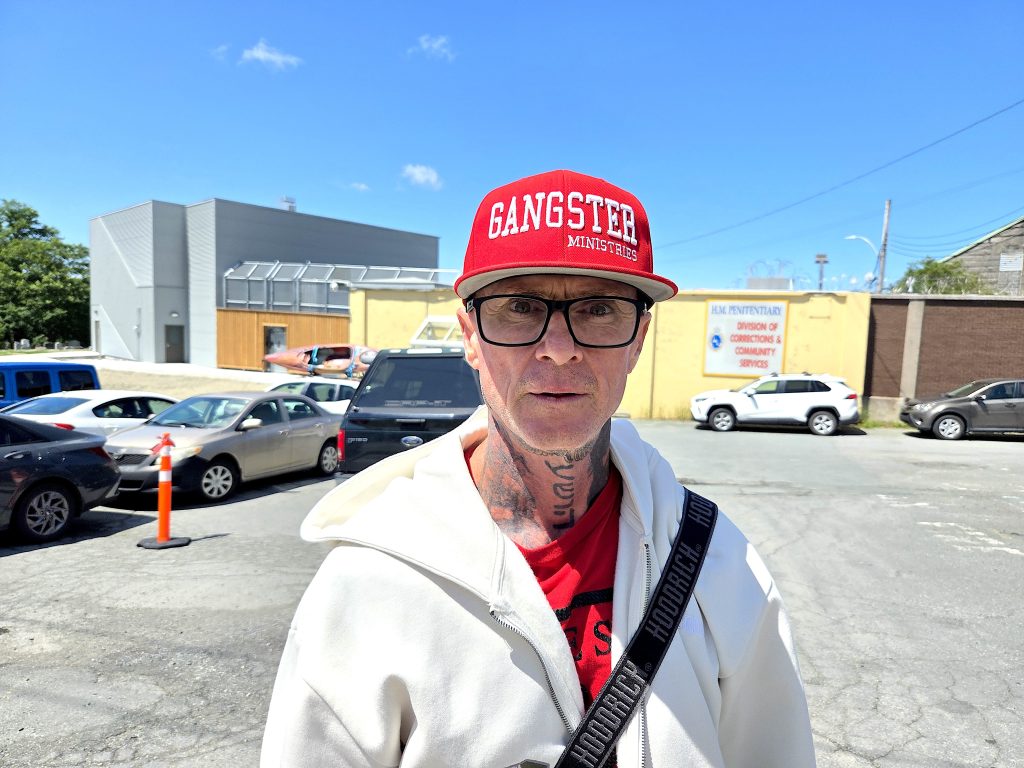
Picking up the protests where his late brother Harold Williams left off, Williams showed up outside HMP to advocate for those locked up inside.
He’s lived in Ontario for years, where he says he received help he needed. Now when he visits St. John’s, he makes a point to visit the prison. On this day, Williams rallied a small group of supporters. He chirped at RNC cruisers as they drove by the protest, and even ordered pizza for the small group to eat while sitting in their camp chairs.

“I fly back here because all my family is here, and all my friends’ daughters and sons are in HMP,” Williams said, gesturing toward the prison’s main entrance. “But they’re so ashamed, they have so much guilt, they don’t wanna come down here and say, ‘Look, my son is in there. He’s full of trauma. He’s full of addiction. Please help.’”
He wants to show others that, with the right support, people can turn their lives around. “I just gotta stand up for it because I am hoping one day somebody in government, somebody, realizes how bad things need to change.”
Construction underway in East White Hills
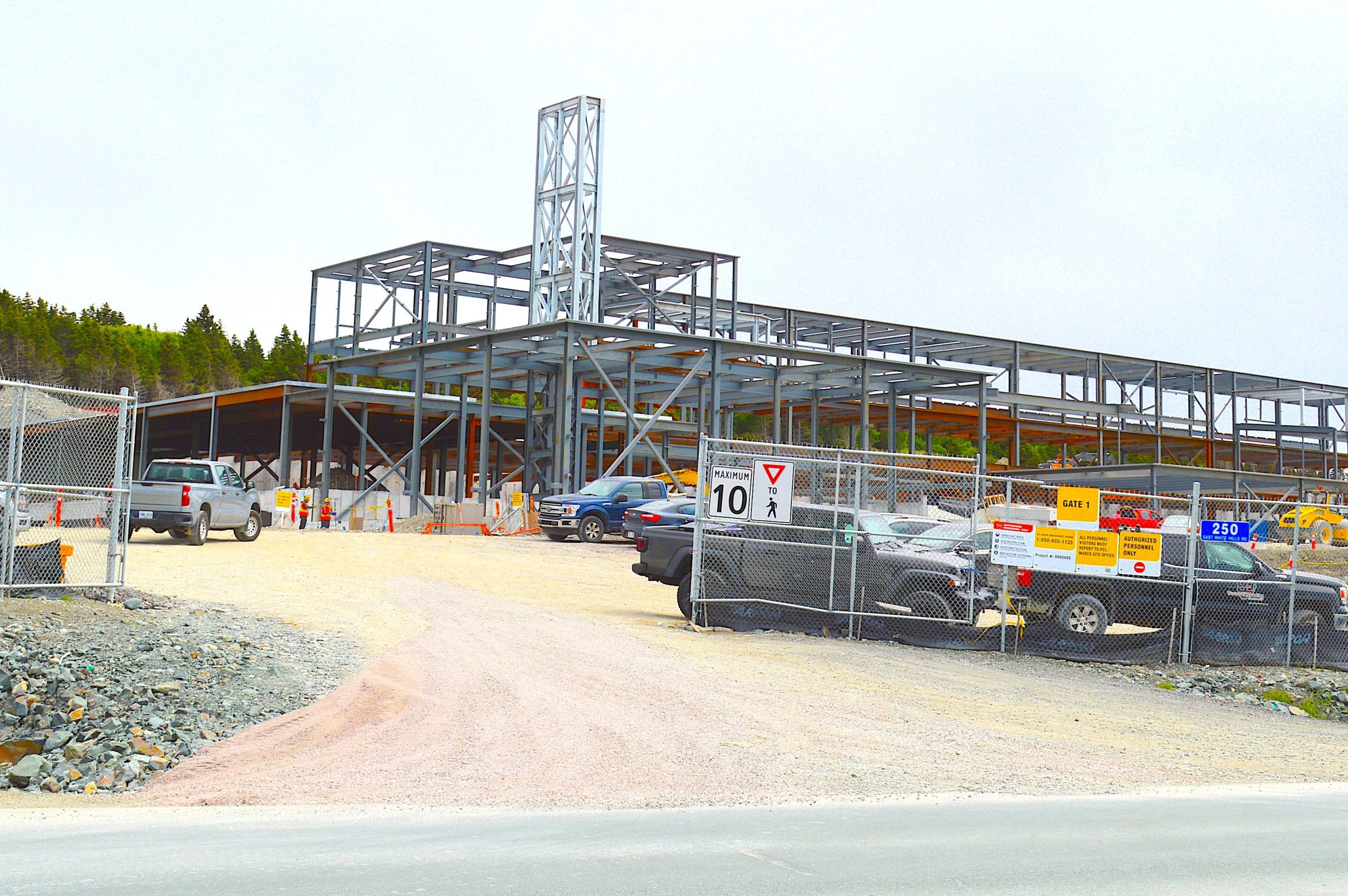
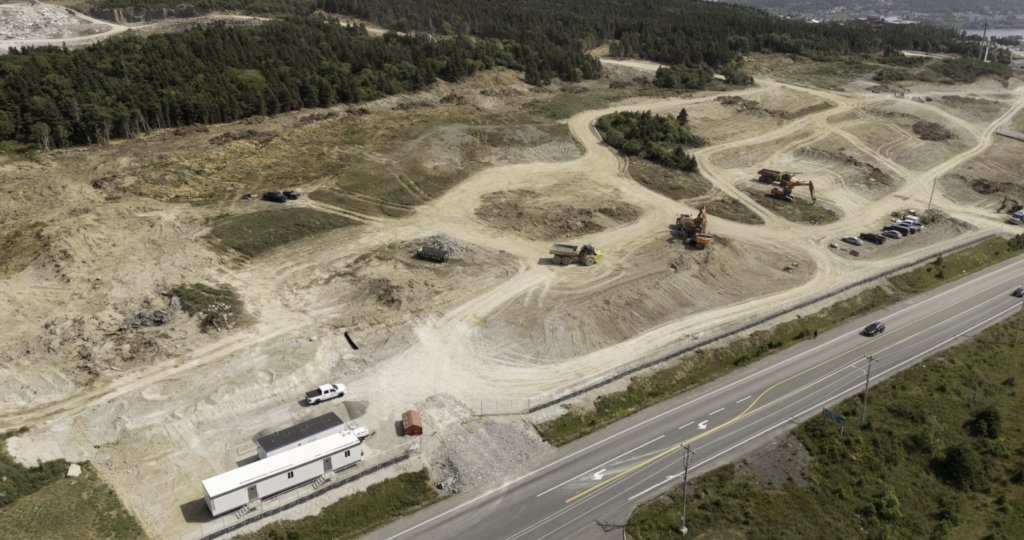
Following years of cries and months of site preparation, the province’s new penitentiary is now under construction in the city’s far east end, known as East White Hills. The grounds run from near the Robin Hood Bay dump east to the RCMP headquarters. The facility will sit atop the northeast rim of St. John’s, with a dense treeline, east coast trails and cliffs behind it, and its front overlooking the city.
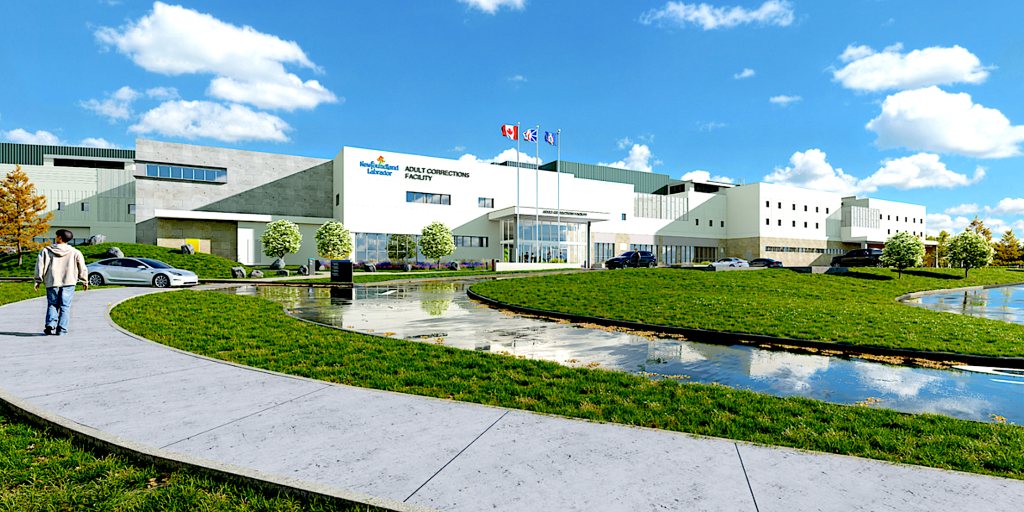
The provincial government says the new 21,000-square-metre facility will have beds for nearly 400 incarcerated people, about double the official capacity of HMP. However the new facility will have space for men and women, where the existing HMP has predominantly been used for men.
The province’s health authority, Newfoundland and Labrador Health Services (NLHS), says the new prison will focus on “health, education, and rehabilitation” and will include two dedicated mental health units, a larger and more modern health suite and a medical and triage clinic space on each housing unit.
The new health suite, NLHS spokesperson Mikaela Etchegary says, will include treatment and examination rooms, clinical therapy offices, medical transition beds, and a dental suite. They will also offer spaces for classroom learning and spiritual and cultural services.
NL Health Services will continue to provide primary health care and mental health and addictions services, Etchegary says, including medical and nursing care, psychiatry, opioid dependency treatment, and mental health and addiction counselling and therapeutic groups.
Advocates ‘optimistic’ but say societal changes also needed outside prison walls
“I think the biggest change we’re seeing is a shift in the heartache,” says John Howard Society of NL Director Melissa Noseworthy. “Our work has always had a lot of heartache, but with the housing crisis, the addictions crisis, and the systematic barriers in the community right now, we’re seeing a lot more need and heartache for our services.”

Having spent her career working with people engaged with the justice system, Noseworthy now leads a provincial John Howard Society staff of 100 across the Stephenville, Corner Brook, and St. John’s areas. She says her organization helps as many as 1,400 people each year, including residents at two halfway houses and two youth homes for youth sentenced to open custody.
On any given day, Noseworthy and her colleagues may find themselves supporting people being discharged from HMP or other correctional facilities, assisting them with everything from “hygiene to housing,” resume writing, finding food and shelter, attending probation meetings, or picking up prescriptions from the pharmacy.
She’s cautiously optimistic about the future of care for incarcerated people, she says, explaining she will be closely monitoring progress once the shift from HMP to East White Hills happens in 2029. The oldest prison in Canada is set to close in its 170th year. “We’re well overdue for a new prison because the prison that we have, the infrastructure just does not support rehabilitation and it doesn’t support rehabilitation for the number of people that we have incarcerated right now.”
With construction of the new prison underway, Noseworthy says there are still many concerns around how incarcerated people are treated over the next four or so years, citing overcrowding as an unresolved issue. HMP has a capacity to hold about 175 incarcerated people, though Noseworthy says as many as 250 are being held there.
The Independent asked the government for numbers of incarcerated people currently at HMP but did not receive a response by the time of publication.
Few details about how addiction healthcare will be expanded at new prison
Asked for details on which services in the new prison will be offered to inmates with addiction and mental health issues, and how those services will differ from what is or isn’t currently offered at HMP, the provincial health and justice departments issued a joint statement.
Lesley Clarke with the Department of Justice and Public Safety and Khadija Rehma from Health and Community Services did not specify how addiction services would differ between HMP and the new penitentiary, but they did say the new facility would “enhance and expand the scope of correctional services currently being provided at HMP and the downtown St. John’s lock-up and focus on treatment and rehabilitation for those dealing with mental health and addictions, as well as ensure safety for inmates and staff.”
New prison won’t fix societal issues: advocate

At the John Howard Society, Noseworthy is frank about the broader issues contributing to Newfoundland and Labrador’s mental health and drug crises, and ultimately to incarceration rates. “Housing is in a massive crisis right now, and I think that part of the crisis is with addiction and the poverty existing in the community,” she says.
“I don’t think any one thing, like the new prison, is going to fix the situation, but it can certainly help. If we can get some more rehabilitation, we can certainly reduce the number of people that are being released still in crisis.”
As for Fowler, the mother is planning her next demonstration outside HMP, while her son inside awaits his trial date.
“We need to stop with the stigma and shame and let everybody know how you feel as a mom or a dad or loved one on the receiving end,” she said. “We have to speak up for the inmates in there because if you don’t, they don’t have a voice. We are their voice.”

Author

Related Articles

May Day Rally Shows New Face of Today’s Labour Movement
Turnout for May 1 march and rally in St. John’s one of the biggest yet in this province
Recimply the Best: Pitch and Pick Competition Winner Aims to Reduce Paper Waste
Recimply won big at Genesis’ annual Pitch and Pick competition last week. The startup is solving the problem of non-recyclable paper receipts.

Coming Home Queer for the Very First Time
For three days in July, queer Newfoundlanders and Labradorians from all over the world celebrated a rural homecoming 30 years in the making.
As Innu exhibit opens in Labrador, Grand Chief says truth must come before reconciliation
Innu Nation Grand Chief Jodie Ashini says it’s disappointing to open the Innu Pakassiun exhibit without the provincial government’s participation, but Innu know their history and who they are

Liberals’ Bill C-39 a wake-up call for Canadians: Avi Lewis
‘Cracks starting to show in the Carney consensus,’ Lewis tells N.L. NDP convention in St. John’s
As NDP convention gets underway in St. John’s, will N.L.’s third party prioritize growing rural support?
Former party candidates say it’s a steep hill to climb, but there are ways