
As Innu exhibit opens in Labrador, Grand Chief says truth must come before reconciliation
Innu Nation Grand Chief Jodie Ashini says it’s disappointing to open the Innu Pakassiun exhibit without the provincial government’s participation, but Innu know their history and who they are
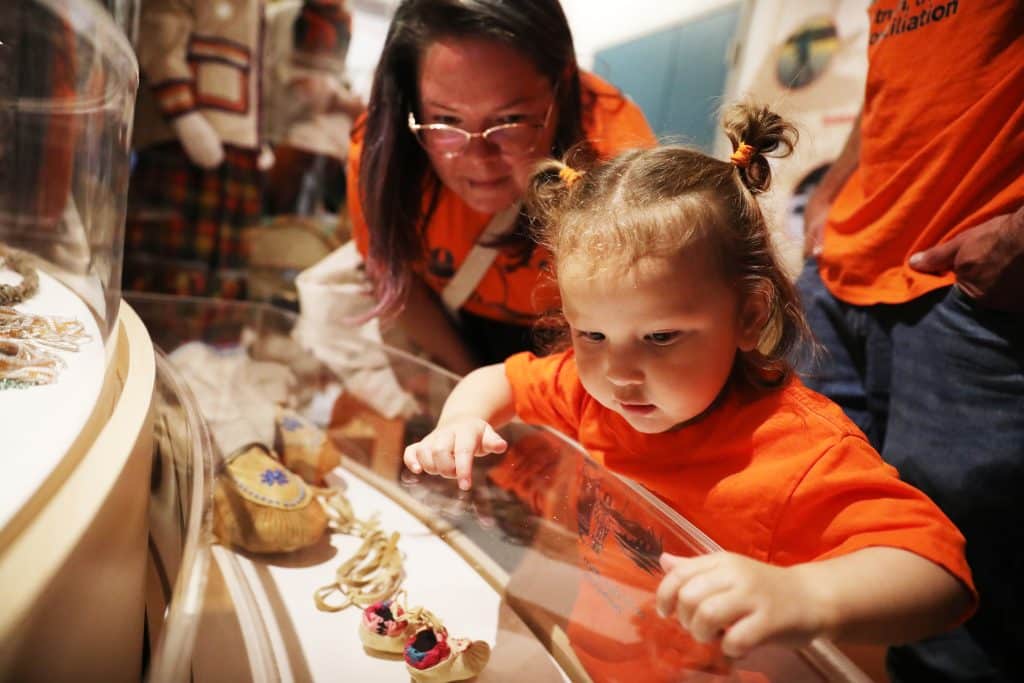
More than three months after the Innu Pakassiun exhibit was supposed to open on National Indigenous Peoples Day, the show is finally seeing the light of day. Despite an unresolved dispute between the Innu of Labrador and the province’s PC government over the Innu’s historical presence in Labrador, Innu launched the cultural exhibit on Sept. 30 – the National Day for Truth and Reconciliation – to showcase dozens of artifacts, caribou skin coats, moccasins and more at the Labrador Interpretation Centre in North West River.
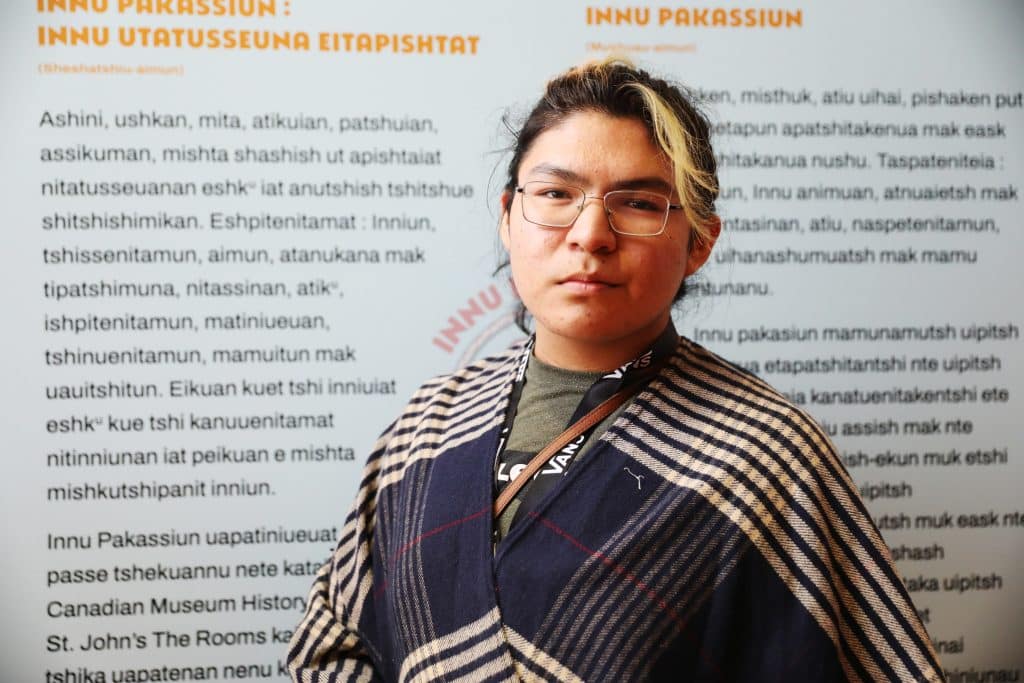
“When you’re walking through it, it feels like you’re absorbing stories and knowledge about every piece,” 17-year-old Innu youth Ray Sillitt told The Independent Wednesday. Sillitt said the feeling of seeing the exhibit on Innu traditional lands – North West River neighbours Sheshatshiu, one of two Innu communities in Labrador – gives him a “feeling that I can’t explain in my chest.”
Seeing the artifacts returned to Innu feels like “liberation,” Sillitt added.
Will you stand with us?
Your support is essential to making journalism like this possible.
Innu Pakassiun, which means “Innu tools for survival” in Innu-aimun, featured dozens of artifacts repatriated from the Canadian Museum of History in Gatineau, Que. and The Rooms in St. John’s.
Innu Nation Grand Chief Jodie Ashini was the Innu Cultural Guardian in June 2026 when the exhibit was first set to open. Just days before the scheduled June 21 opening, she said she was instructed by executives of The Rooms provincial museum and archives to change the historical timeline and artifact details slated for presentation.
Ashini said she and Innu workers were told they could not use the Innu timeline because the provincial government did not believe it was archaeologically correct. The Provincial Archaeology Office believes its research proves Innu have only been in Labrador for approximately 300 years.
The new position contradicts the Provincial Archaeology Office’s previous work, from the 1970s onward, prompting academics from Memorial University’s Department of Archaeology to pen a letter supporting the Innu timeline. Longtime Smithsonian archaeologist Stephen Loring, who has worked with the Innu in Labrador for decades, has also publicly supported the Innu.
The provincial government said it has committed to an independent audit of Innu records held by the archaeology office, a move Ashini has the Innu Nation did not agree to.
In a written statement, Minister of Indigenous Relations and Reconciliation Lela Evans said the government “recognize[s] the impact that the events leading to the cancellation of the exhibit had on many people, particularly members of the Innu community.” Evans also said the purpose of the independent audit, “is not to delay progress, but to step back, take stock, and better understand how we can move forward in a way that strengthens the relationship and reflects the respect, transparency, and understanding that this important work deserves.”
Province has long disregarded Innu rights: Ashini
Despite the controversy, Innu Nation moved forward with the exhibit’s symbolic opening on a day set aside to remember the impacts of the residential school system and the country’s and provinces’ commitments to reconciliation.
“It’s sad it has begun without them,” Ashini told The Independent ahead of the exhibit’s opening. The grand chief said she invited Premier Tony Wakeham to attend the opening with her and offer a public apology to Innu, but that Wakeham did not accept. The Independent reached out to the premier’s office for comment but did not receive a response by the time of publication.
“It’s sad, but I think it’s the Innu reality. We are used to the provincial government. They have, for a long time, did this to the Innu and have went ahead and did major projects without consulting us for damaging our lands,” Ashini said.
“I really hoped on a day of truth and reconciliation, with reconciliation in the title, that he would have come and apologised.”
With or without the provincial government, Ashini said it’s time for Innu to tell their own story. “For too long we’ve had our story written for us, written about us. People have traveled from all over the world to come and write about the Innu, to study the Innu, to publish about us. But our voices were never in there.”
The Innu story, she said, “has to come from our stories, from our oral traditions, from our legends, from our drum, from our dreams, from the things we make,” Ashini explained. “When it’s told by us, that’s when you’ll get the truth.”
For accountability and reconciliation to happen, Ashini hopes the provincial government will live up to its commitment to adopt the United Nations Declaration for Indigenous Peoples (UNDRIP) in provincial law as a way to protect Indigenous rights.
The Independent requested a comment from the Government of Newfoundland and Labrador’s Department of Labrador Affairs and Department of Indigenous Affairs but did not hear back by the time of publication.
Challenging Innu history ‘ultimate disrespect’: MHA
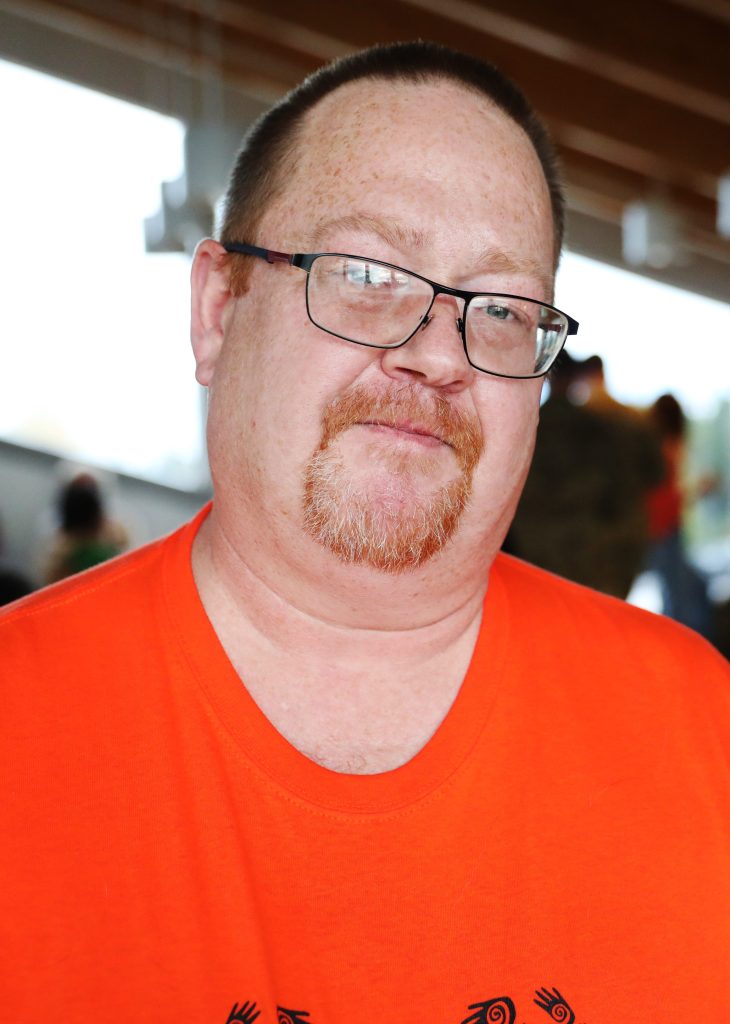
Lake Melville MHA Keith Russell walked through the exhibit after being invited to attend by Innu Nation, along with Labrador MP Philip Earle. Russell was elected as a Progressive Conservative MHA for the central Labrador riding of Lake Melville, which includes North West River and Sheshatshiu, but left the party last month to sit as an independent after disagreeing with the PC’s rush to support the province’s controversial Churchill Falls agreement with Quebec.
He said the exhibit was “mind blowing” and “beautiful,” adding the Innu know their timeline, who they are, and have a sense of pride in their culture and heritage. Russell said he left the PC’s because he was being excluded and wasn’t able to participate in decisions that would impact his own district.
Russell calls the government’s approach to the Innu history dispute “shameful,” saying he was privy to internal discussions. “I was there when that strategy – and that’s all it is – was employed, and I told them wholeheartedly at the moment, ‘It’s going to backfire big time. This is a disrespect to the Innu, and they’re not going to stand for it.’ And they haven’t,” he said. “Don’t set a timeline to anybody’s history and culture. I believe that has unveiled itself as the ultimate disrespect to the Innu and [the] premier’s gonna have to wear it.”
Speaking at the annual Manishan Nui Gull Island Gathering last week, Earle said as someone who grew up in Labrador hearing stories from his grandfather about interacting with Innu, it’s easier to understand the history. The Liberal MP said he works closely with Ashini and will always be there if the grand chief decides there is a role for him.
“I listen to the elders who tell me about their history and about their past. So, personally, I have no difficulty accepting that the Innu have been in Labrador for generations on generations on generations,” Earle said.
Dreams of a cultural centre in Sheshatshiu
In 2021, Ashini celebrated as a traditional Innu coat was found in a freezer in good condition and returned to the Innu. At the time, she said she hoped to one day repatriate more items. Five years later, multiple coats, arrowheads, tea dolls, moccasins, beaded bags and headbands are on display in the Innu Pakassiun exhibit.
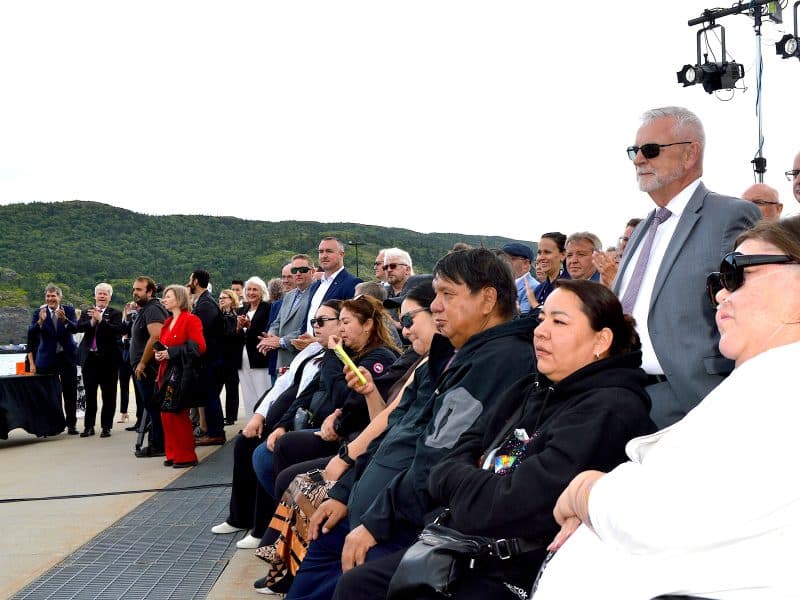
The exhibit drew around 250 people Wednesday and visitors were welcomed into the space in shifts. The opening presentation was standing room only. Ashini said the turnout, and the diversity of those who attended, left her speechless.
Repatriating the items from Gatineau and St. John’s was a long process that Ashini was “blessed” to be a part of. The grand chief said she hopes others learn about Innu history from the exhibit, as much as she learned while preparing it.
“We’ve been here so long that our tools have adapted and evolved over time – that things made from stone look exactly like something made from metal and bone – and it was just the evolution of something that worked,” she explained. “You continued to use it, but then there were other things that looks different, but we still use it. It’s still Innu. It’s still who we are. It still tells the story, but because of evolution it changed a little – [that] doesn’t mean we changed. We are still Innu.”
Gallery: Innu Pakassiun (Photos by Heidi Atter)
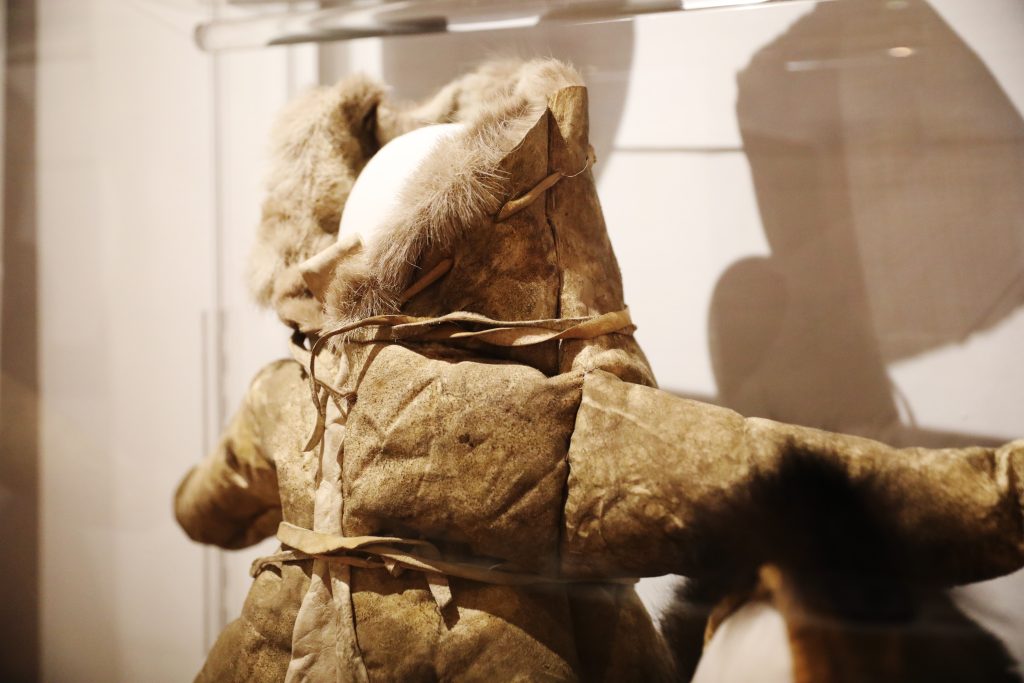
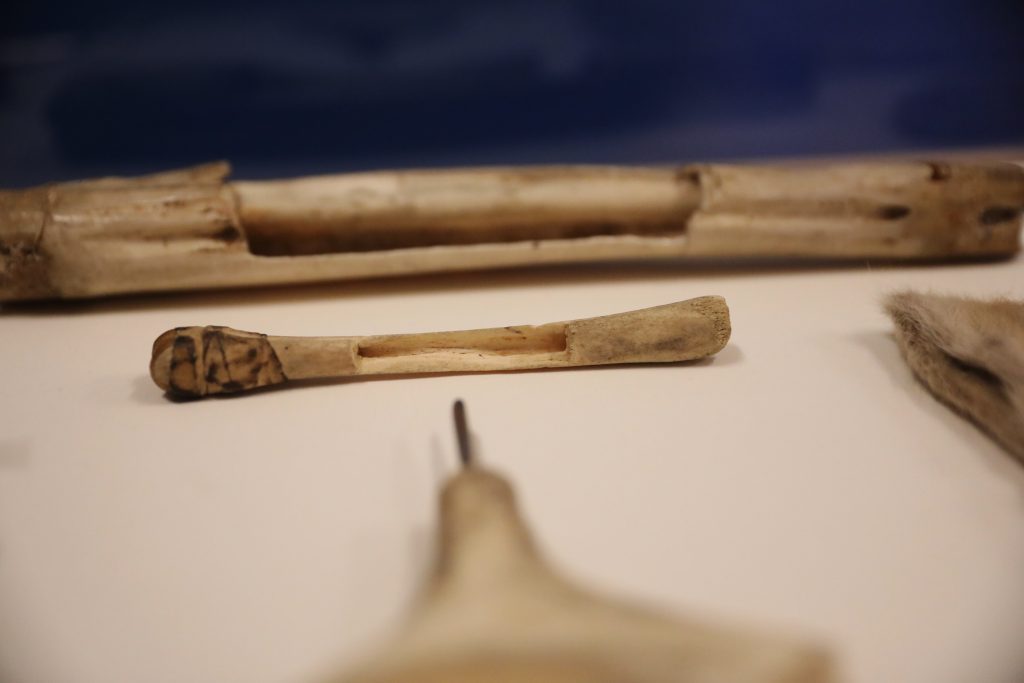
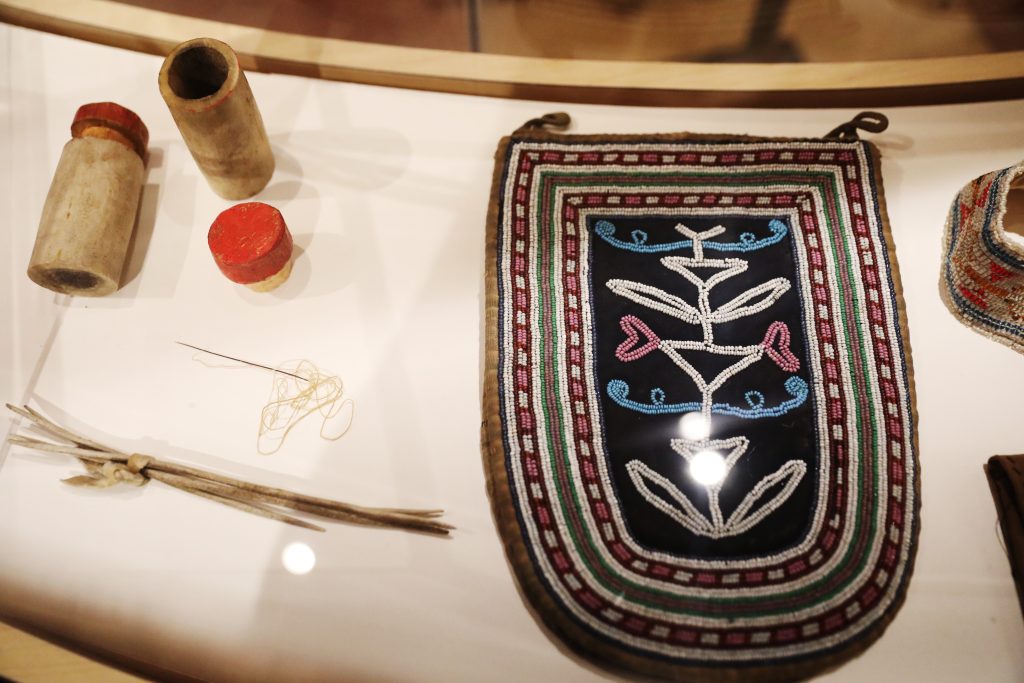
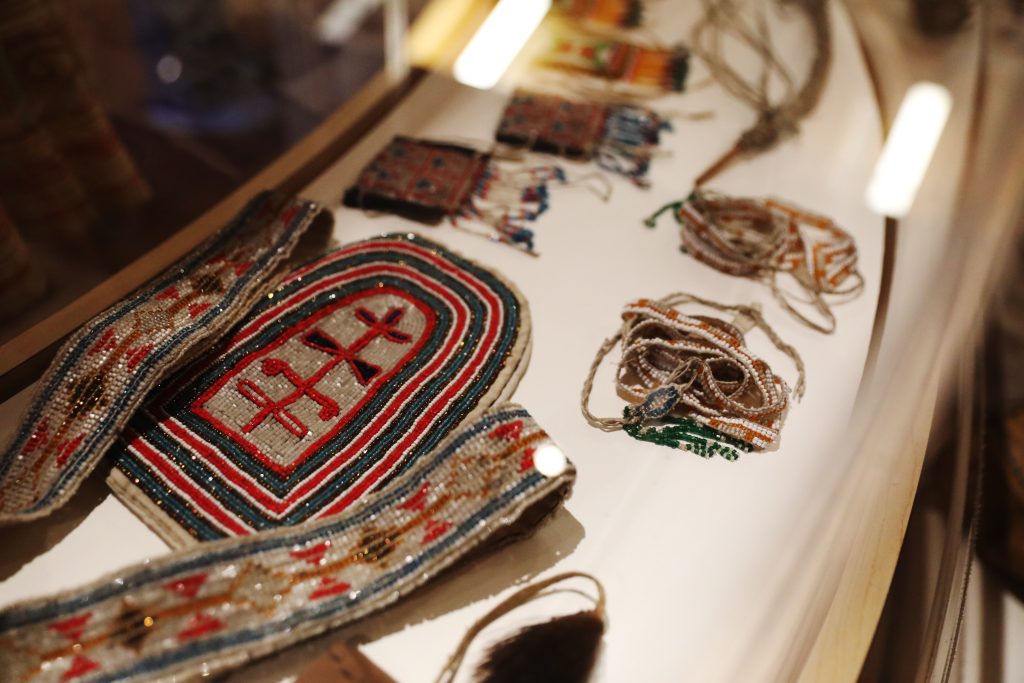
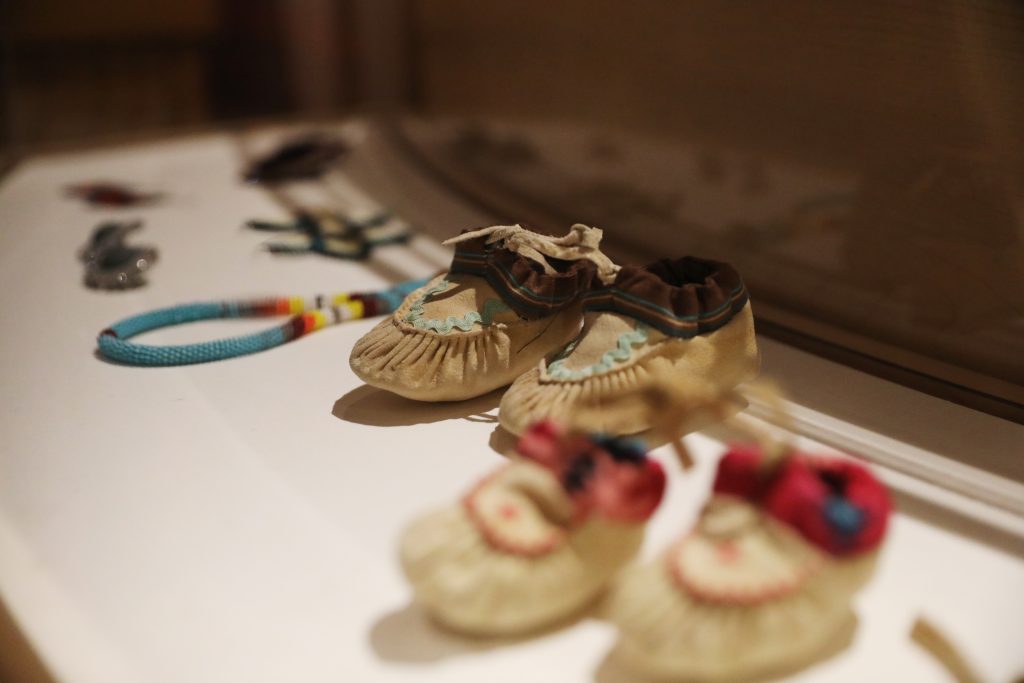
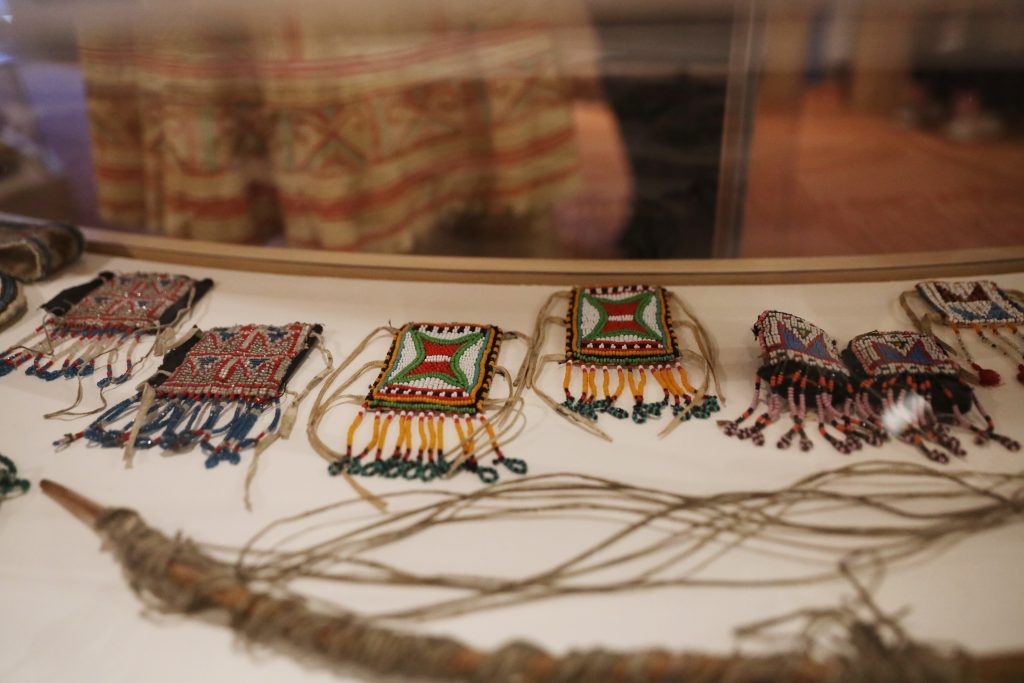
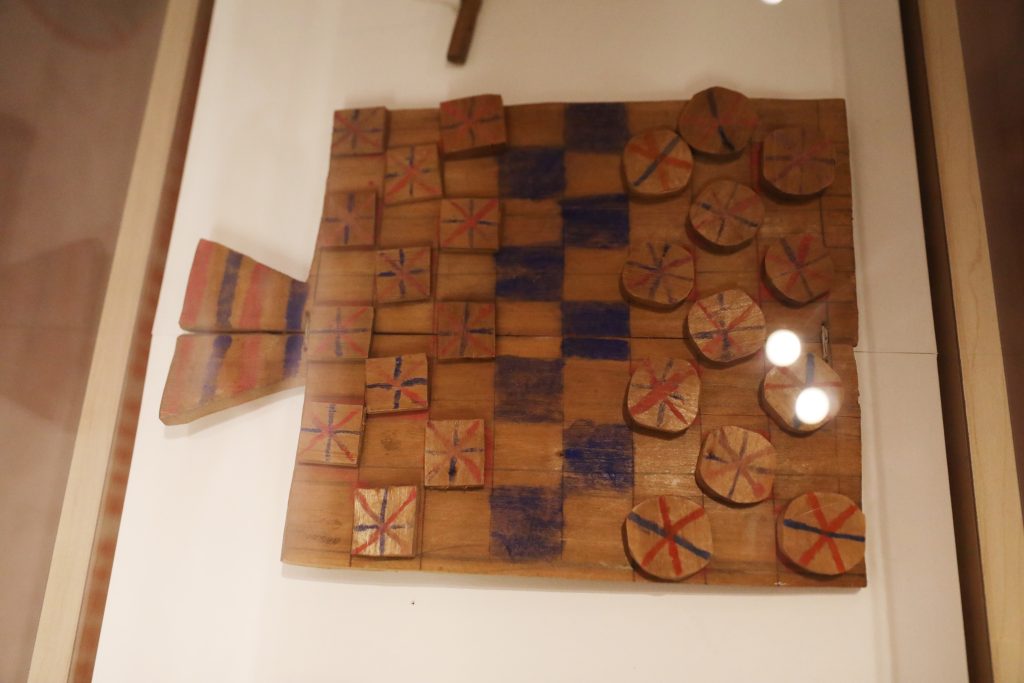
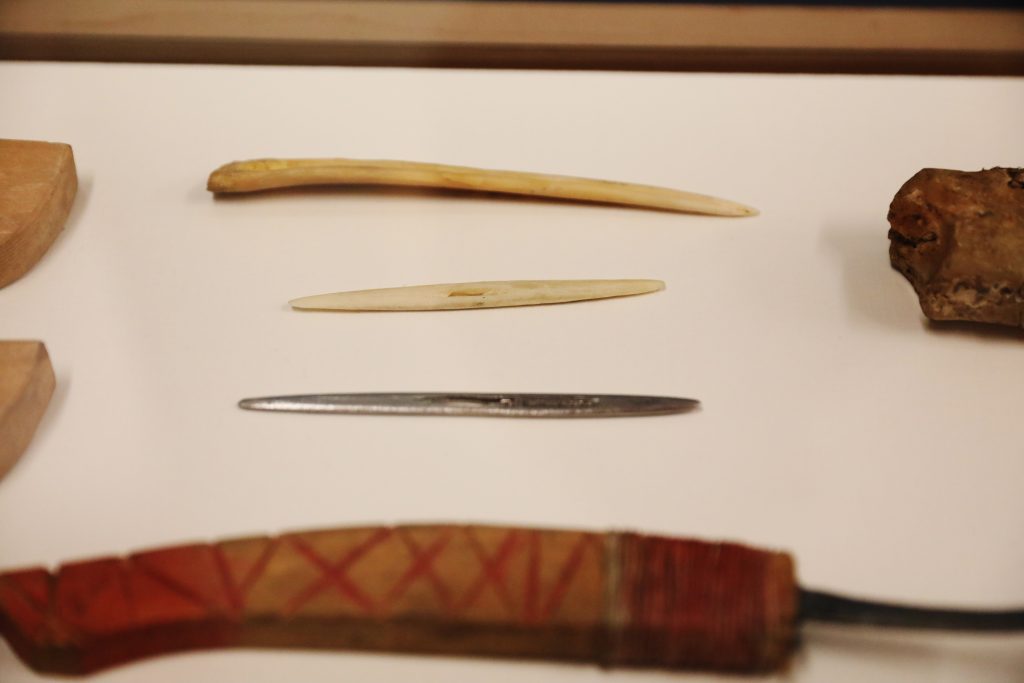
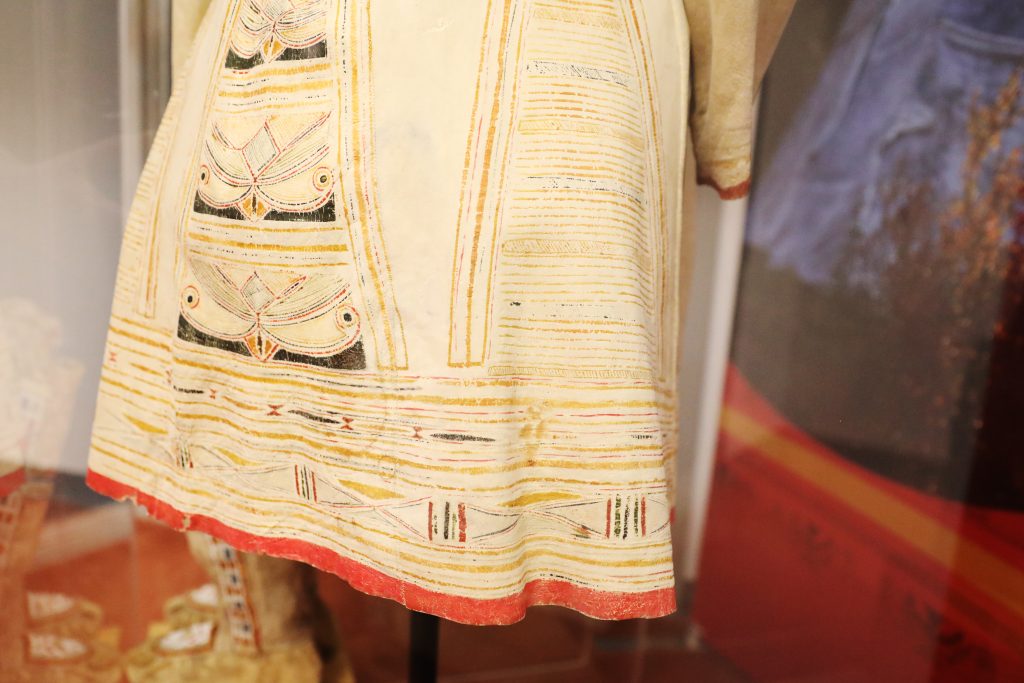
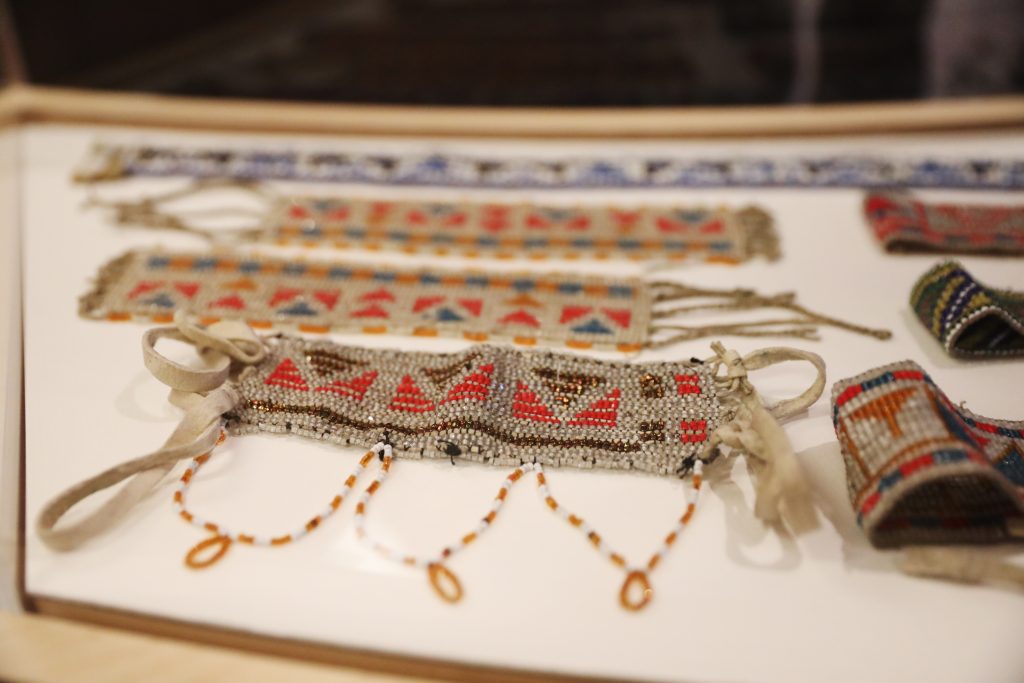
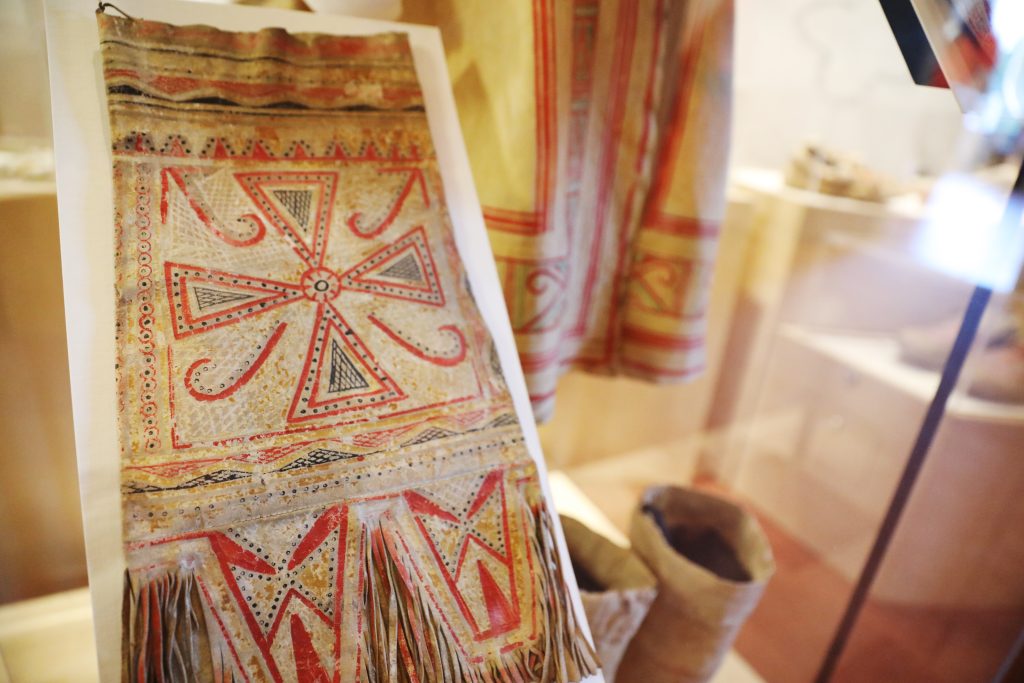
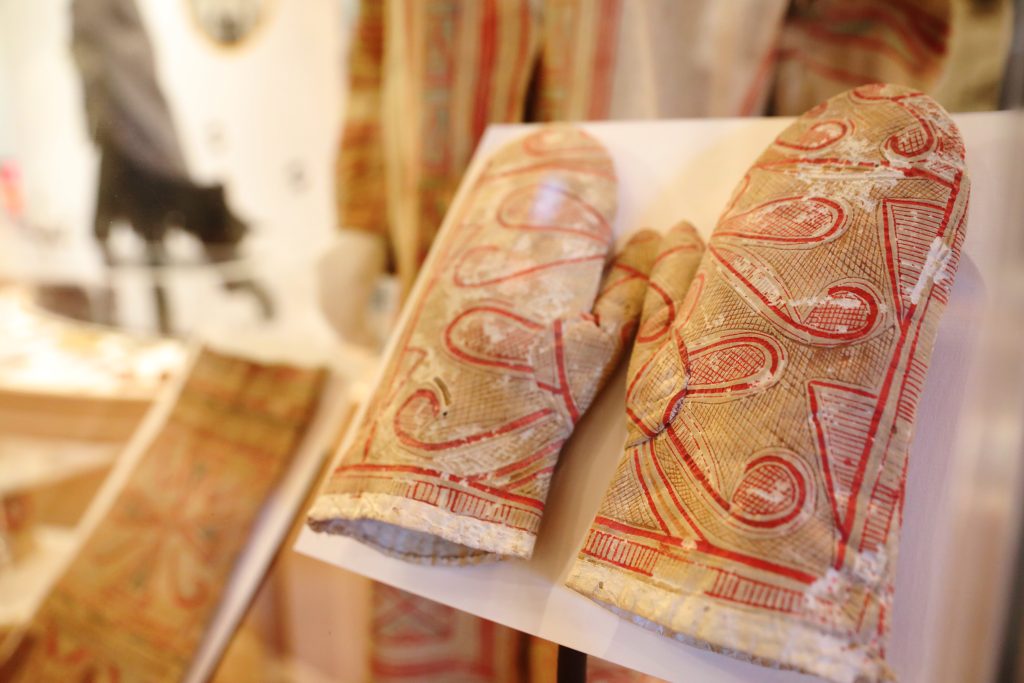
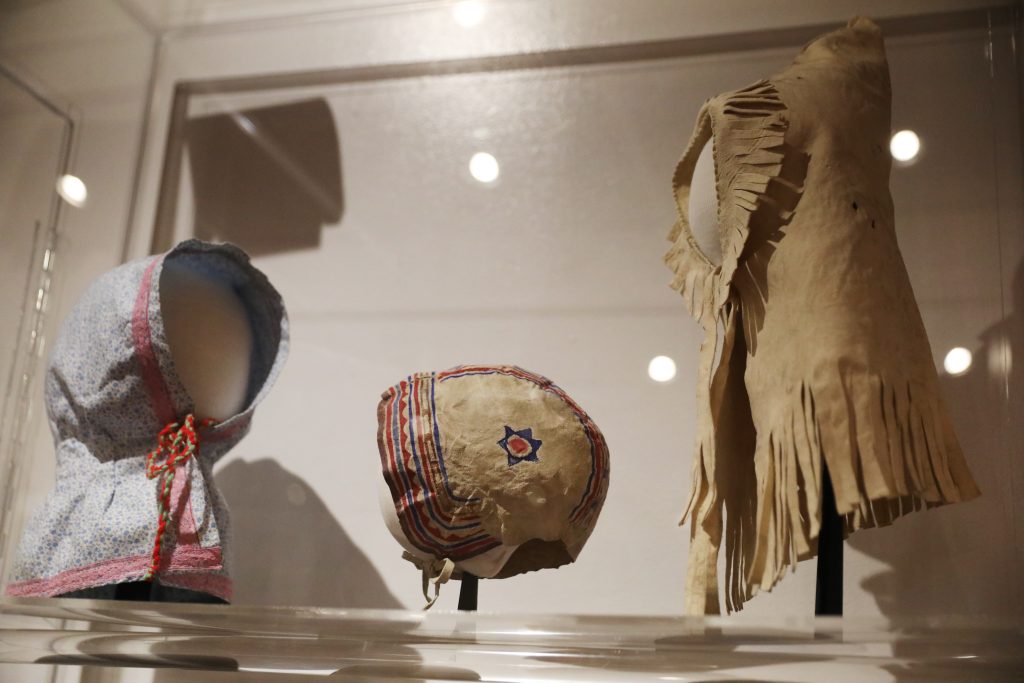
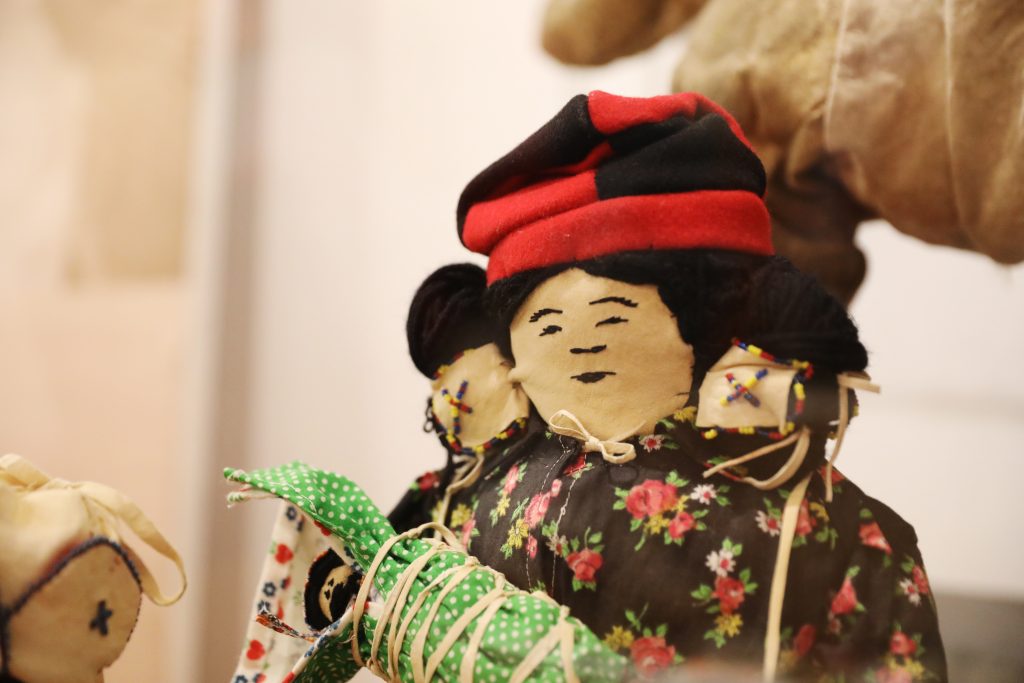
Ashini hopes to repatriate more artifacts in the future and dreams of having a cultural centre in Sheshatshiu where items could be housed and displayed. She said the number of artifacts displayed in Innu Pakassiun represent a “tiny glimpse into the massive amount of items” still in basements and storage rooms.
Through her work, Ashini continues to think about and honour Joachim Nui, an Innu Elder from Natuashish and the last traditional Innu drummer from Mushuau Innu First Nation, who died in July. Ashini first interviewed Nui almost a decade ago and said his words guide her work today.
“He always said, when you bring home these items, the language comes home with them, the knowledge of how to make them, the pride in them, our belief systems will come back with it, and that was always in the back of my mind when I was fighting so hard to ensure they come home,” Ashini said. “He was a big driving force in my work, and I was very lucky to know him and learn so much from him. He was an incredibly, incredibly smart man.”
The return of pride, language and belief systems is important for the next generation of Innu, Ashini said. When Innu youth can see and hold items, and learn from the past, that experience can foster feelings of belonging, cultural identity, pride in who they are, and positively impact their mental health, she said.
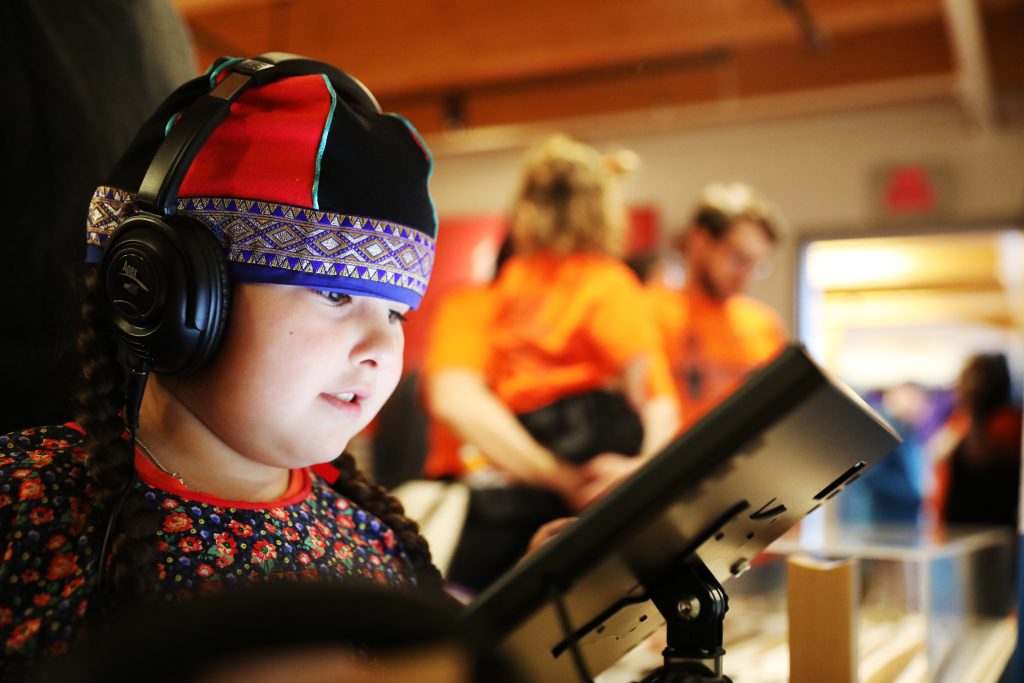
“A lot of the times, the only time you see Innu people represented on TV is for a negative story,” she continued. “We have such a long history and connection with Nitassinan, the pride in who we are and where we came from. That pride and being able to share that with our youth – that they understand how hard it is that we worked to survive for so long – I feel like this will be a better understanding of who we really are.”
Sillitt left the exhibit with a feeling of gratitude, and hope. He said it’s beautiful to see the work that went into bringing the pieces home. “I just wanted to say thank you to Jodie Ashini for all her hard work, for all her years, and for all of the effort that she’s doing to bring all these things home where they belong.”
The Innu Pakassiun exhibit runs at the Labrador Interpretation Centre until Oct. 18.

Author

Related Articles

May Day Rally Shows New Face of Today’s Labour Movement
Turnout for May 1 march and rally in St. John’s one of the biggest yet in this province
Recimply the Best: Pitch and Pick Competition Winner Aims to Reduce Paper Waste
Recimply won big at Genesis’ annual Pitch and Pick competition last week. The startup is solving the problem of non-recyclable paper receipts.

Coming Home Queer for the Very First Time
For three days in July, queer Newfoundlanders and Labradorians from all over the world celebrated a rural homecoming 30 years in the making.
Liberals’ Bill C-39 a wake-up call for Canadians: Avi Lewis
‘Cracks starting to show in the Carney consensus,’ Lewis tells N.L. NDP convention in St. John’s
As NDP convention gets underway in St. John’s, will N.L.’s third party prioritize growing rural support?
Former party candidates say it’s a steep hill to climb, but there are ways
‘Skepticism and cynicism’ marring public view of Churchill Falls and Gull Island, says researcher
Grand Chief Jodie Ashini says Innu Nation won’t support proposed deal ‘while fundamental issues with the Innu remain unresolved’