
MUNL faculty, students call on Carney to protect students, alum en route to Gaza
‘We are deeply concerned that our students […] could be subject to illegal detention, violence, or worse.’
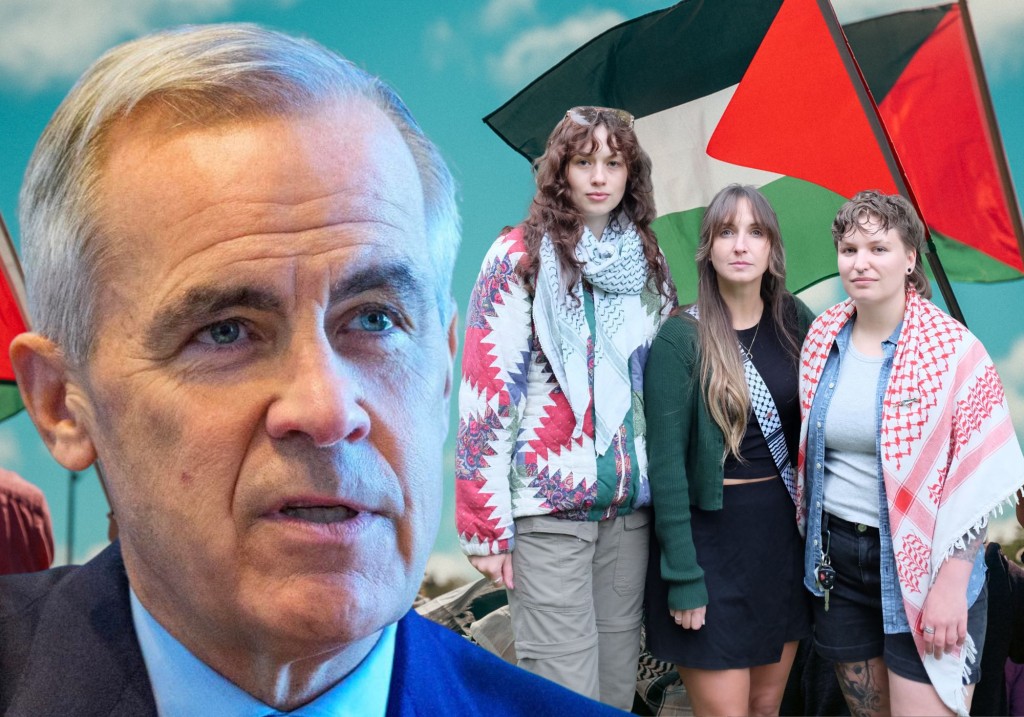
More than 150 Memorial University (MUNL) faculty, students and alumni have signed an open letter asking Prime Minister Mark Carney to protect three Newfoundlanders participating in an international flotilla currently heading for Gaza in an effort to deliver humanitarian aid and break Israel’s illegal blockade.
The letter, also addressed to Newfoundland and Labrador Premier John Hogan, calls on Canada to demand the Israeli government refrain from intercepting civilian vessels in international waters, make clear that Israel will be held responsible for the safety of Canadian students and other participants, and commit to a strong response if any interception, attack or detention occurs.
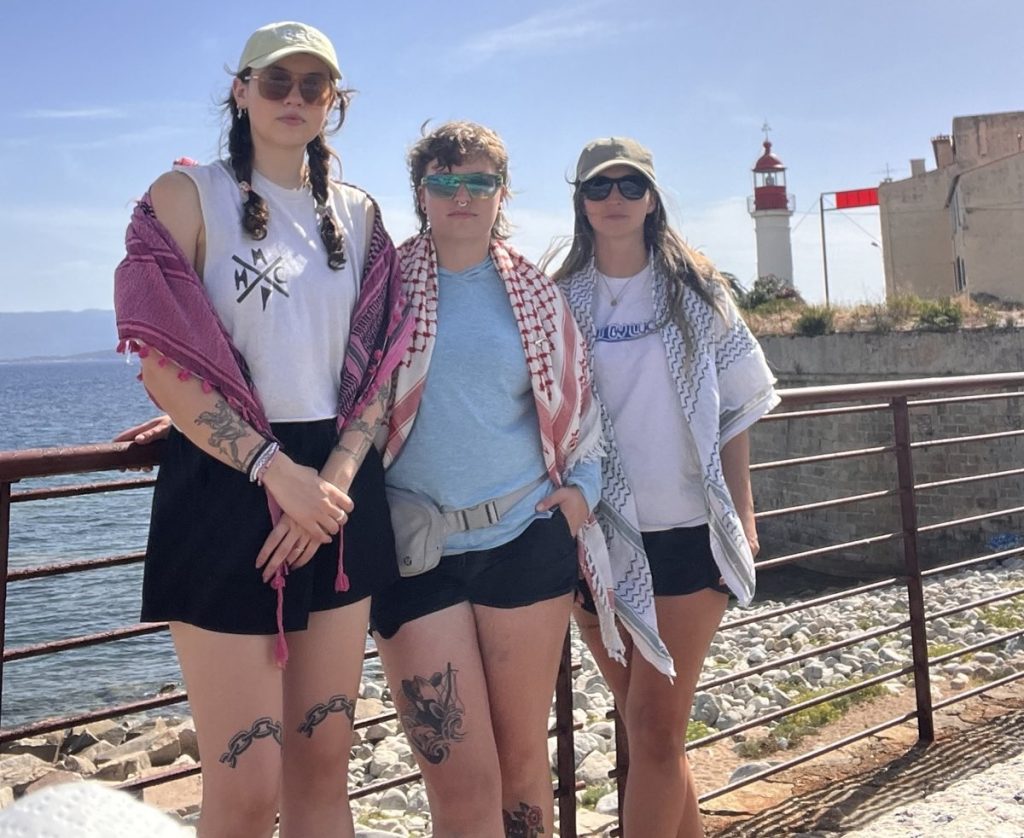
In an interview with The Independent earlier this month, the three activists—Sadie Mees, Devoney Ellis and Nikita Stapleton—said Canada’s failure to meaningfully respond to Israel’s genocide in Palestine has compelled them and others to take matters into their own hands. “We feel that us taking this direct action has been necessitated by our government’s inaction and complicity,” Stapleton said at the time.
The letter notes that the mission “is not without significant risk,” and that Israeli military forces have previously, at times violently, intercepted similar flotillas in international waters. “We are deeply concerned that our students, who are unarmed civilians engaged in a lawful humanitarian effort to respond to acts of genocide, could be subject to illegal detention, violence, or worse.”
Will you stand with us?
Your support is essential to making journalism like this possible.
The MUNL letter ends by commending Mees, Ellis and Stapleton, stating their “courage and compassion reflect the highest values of the academic community: a commitment to justice, human rights, and the belief that knowledge must be coupled with ethical action.”
The list of signatories includes Peter Trnka, an associate professor of philosophy at MUNL, who says adding his name to the letter was the least he could do to support the safety and political rights of the three activists.
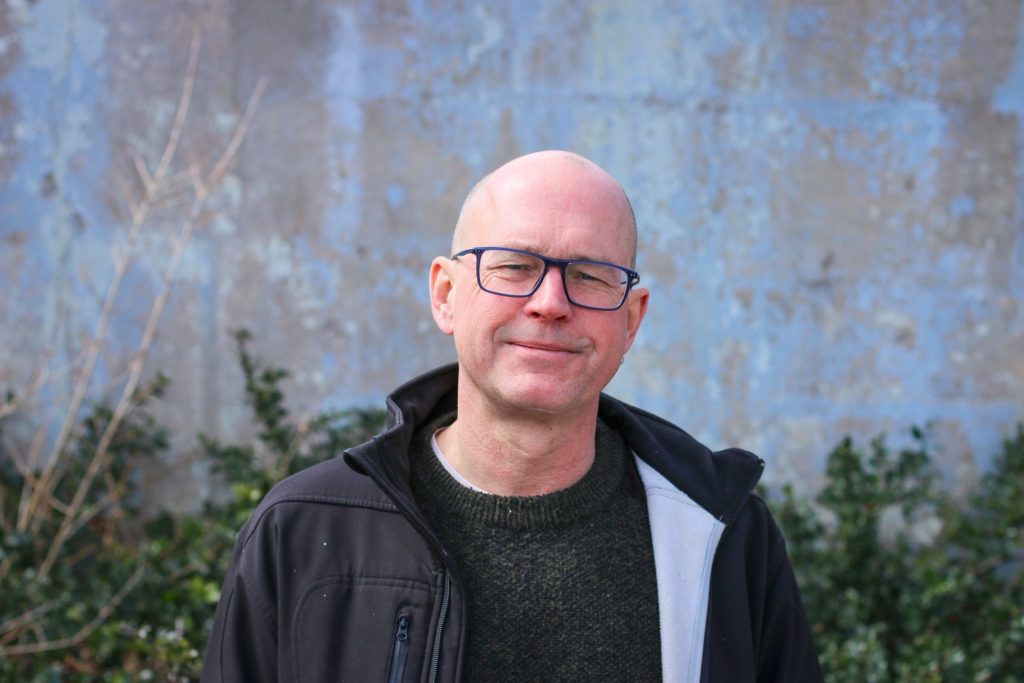
“I hope that everyone recognizes the risk and the courage that the students need to engage in what they’re doing,” he said. “They prefer to be studying away and developing their careers, and instead, they’re risking their lives for people that they care about but have not met, and I wish we could all do a bit more of the same.”
Another signatory, Religion and Culture Professor Barry Stephenson, notes that university communities have a longstanding tradition of advocating for human rights, engaging in activism and educating others about these values. “Members of the university community have a responsibility to speak up when anyone in their community is at risk or in danger of being harmed,” he says.
Since Mees, Ellis and Stapleton are students or alumni of the MUNL community, he adds, asking the federal government to ensure their safety is an “extension of our responsibility to care for our students.”
Recent attack receives international response
On Sept. 23, civilians on board a separate convoy, the Global Sumud Flotilla, reported multiple explosions and unidentified objects being dropped on and around their vessels resulting in damage and disrupted communications. This attack was the latest in multiple attacks the convoy has faced.
The Global Sumud Flotilla is a coalition of more than 50 boats carrying delegations from 44 countries to deliver humanitarian aid to famine-stricken Gaza. The operation, organized by the Freedom Flotilla Coalition, is the largest maritime effort ever to attempt to break Israel’s blockade of Gaza.
Last week Italy and Spain announced they would send naval ships to assist the flotilla. In response, Israel said it “will not allow any vessel to enter the active combat zone.”
Gaza Freedom vessels and convoys have been attempting to break the blockade of goods and people through Gaza since 2010. Previous efforts have been intercepted, raided or attacked by Israel forces.
Canada recognizes Palestine
Canada formally recognized Palestinian statehood on Sept. 21, joining 157 of the 193 United Nations member states to do so.
Advocacy group Canadians for Justice and Peace in the Middle East praised Carney’s announcement as a “real policy victory,” noting that recognition by countries like Canada boosts Palestine’s standing in international law and allows certain benefits, including the ability to seek justice through institutions such as the International Criminal Court.
The group also noted Canada’s recognition does not actively prevent the “catastrophic policies of genocide and dispossession that Israel is pursuing throughout occupied Palestine,” adding recognition is the “least that Canada can do” and that the announcement “can easily feel like a distraction from the gravity of the moment.”
Israel is facing growing international isolation. During the UN General Assembly in New York last week, over 100 diplomats from 50 countries walked out of the assembly hall in protest as Israeli Prime Minister Benjamin Netanyahu prepared to give a speech. Netanyahu condemned countries like Canada, France, Britain and Australia for recognizing Palestinian statehood.
Gaza in a state of famine
In August the World Health Organization (WHO) declared that more than half a million people in Gaza were facing famine, “marked by widespread starvation, destitution and preventable deaths.” The WHO said more than 43,400 children are expected to be at risk of death from malnutrition by the end of June 2026. “As we have repeatedly warned, the signs were unmistakable: children with wasted bodies, too weak to cry or eat; babies dying from hunger and preventable disease; parents arriving at clinics with nothing left to feed their children. There is no time to lose,” UNICEF Executive Director Catherine Russel said.
Several organizations, including International Association of Genocide Scholars, Human Rights Watch, the United Nations Human Rights Council and B’Tselem, Israel’s Information Centre for Human Rights, have categorized Israel’s occupation and military operations as meeting the criteria for genocide.
Author

Related Articles
Changing Trails: Nunatsiavummiut losing traditional routes as climate change wreaks havoc in Labrador
Open brooks and thin ice are putting Inuit lives at risk
PCs under fire for ‘disappointing’ treatment of Black History Month
Celebrated Black community leader and anti-racism advocate target of racist comments after speaking out online
New play portrays barriers facing N.L. women in politics
Women won the right to vote a century ago but are still underrepresented in public office. St. John’s playwright Ruth Lawrence’s play tackles that head on.